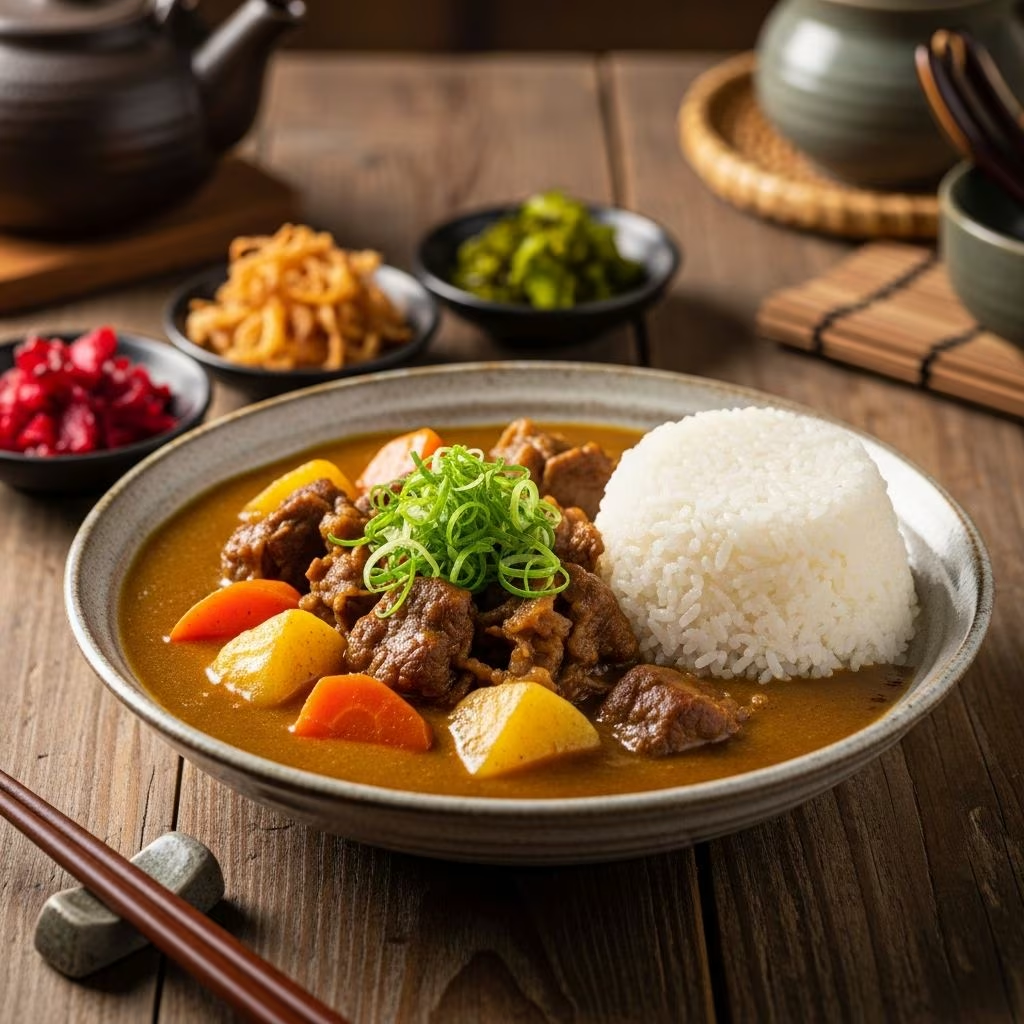
Japanese curry, known locally as “kare,” represents one of Japan’s most cherished comfort foods, enjoyed across generations in households, schools, and restaurants alike. Despite its association with Asian cuisine, this beloved dish has a fascinating Western origin story. Curry was introduced to Japan in the late 1800s by the British Navy, where sailors shared their culinary experiences with Japanese naval officers. Rather than simply adopting the British preparation methods, the Japanese people creatively adapted the dish to align with their own tastes and cooking traditions, resulting in a uniquely Japanese interpretation that diverged significantly from its origins.
What makes Japanese curry distinctly different from other curry traditions around the world is its fundamental approach to flavor and texture. Japanese curry features a thick, stew-like consistency with a mild flavor profile that prioritizes comfort over heat. This contrasts sharply with the spicier preparations found in Indian and Thai cuisines. The beauty of this dish lies in its balance—savory elements harmonize with subtle sweetness, creating a sauce that clings beautifully to rice and vegetables. This accessibility has made Japanese curry a staple in school lunches throughout Japan and a go-to option for busy families seeking a satisfying weeknight dinner that can be prepared in under an hour.
Understanding the Foundational Ingredients
The success of any Japanese curry dish begins with understanding and properly selecting your base ingredients. Each component plays a specific role in building the final flavor profile and texture of your finished dish.
Vegetables: The Flavor Foundation
The vegetable base traditionally consists of onions, potatoes, carrots, and garlic cloves. These ingredients work synergistically to create the hearty, comforting character that defines authentic Japanese curry. Onions, when sautéed, develop natural sweetness and create an aromatic foundation that other flavors build upon. Potatoes serve a dual purpose—they add substance to the dish while absorbing the rich sauce, ensuring every bite delivers full flavor saturation. Carrots contribute both textural contrast and natural sweetness that complements the spice profile. Garlic, though used more sparingly, adds depth and savory notes that tie the entire composition together.
When preparing these vegetables, proper cutting technique matters. Consistent sizing ensures even cooking throughout your dish, preventing some pieces from becoming mushy while others remain undercooked. Most home cooks prefer cutting carrots and potatoes into chunky pieces rather than thin slices, as larger pieces maintain their structural integrity during the simmering process and provide satisfying texture in each spoonful.
Proteins: Building the Complete Meal
While chicken serves as the most traditional protein in Japanese curry preparations, the dish remains flexible enough to accommodate various protein options. Chicken, pork, and beef all work exceptionally well, allowing home cooks to adapt recipes based on personal preference or household pantry availability. Chicken thighs, in particular, offer superior results compared to breast meat because they contain more fat and connective tissue that breaks down during cooking, creating a more tender, flavorful final product. The protein essentially becomes infused with the curry sauce, creating a deeply satisfying integration of flavors rather than existing as a separate component on the plate.
Liquid Components and Broth Considerations
The liquid used in your curry significantly impacts the final flavor outcome. Water serves as an effective base and works perfectly well, though chicken stock or broth can provide slightly deeper flavor complexity. The choice between water and broth often depends on whether you’re using a curry roux that already contains concentrated seasonings. When using store-bought curry roux blocks, water frequently suffices since the roux itself delivers substantial depth and umami notes. However, when making curry from scratch using curry powder and individual spices, incorporating broth can enhance the overall richness and create a more complex flavor landscape.
Building Your Curry Sauce: The Critical Component
The curry sauce represents the heart and soul of this dish, determining whether your final product achieves restaurant quality or remains merely adequate. Several approaches exist for creating this sauce, each with distinct advantages and flavor profiles.
The Traditional Roux Method
The roux, consisting of butter or oil mixed with flour and curry powder, serves as the thickening agent and flavor foundation. This traditional method involves cooking the roux until the butter and flour turn golden brown, which toasts the spices and develops their flavor complexity. Japanese curry roux blocks are widely available commercially, offering convenient alternatives for busy cooks who want authentic results without extensive preparation. These pre-made roux blocks eliminate the guesswork involved in balancing flour, fat, and seasonings, making them particularly appealing for those new to Japanese curry preparation.
Making Curry Sauce from Individual Spices
For cooks seeking greater control over flavors and ingredient quality, creating curry sauce from scratch using individual components offers superior results despite requiring additional effort. This approach typically involves combining all-purpose flour with oriental or standard curry powder, along with complementary spices and seasonings. The advantage of this method lies in transparency—you know exactly what enters your dish and can adjust spice levels, sweetness, and other flavor dimensions according to personal preferences.
Essential Flavor Enhancers
Soy sauce or tamari adds savory, umami depth that binds the entire sauce together. This ingredient proves crucial for achieving that distinctive Japanese curry taste. For those observing gluten-free diets, tamari provides an excellent alternative that maintains the same umami contribution without compromising dietary needs.
Garam masala layers in complexity and provides gentle aromatic richness, elevating the spice profile without creating excessive heat. This warming spice blend works harmoniously with other curry components rather than dominating the palate.
The secret ingredient that defines Japanese curry is grated apple. This addition seems unusual to those unfamiliar with Japanese curry traditions, yet it provides essential subtle natural sweetness that balances savory and spiced elements in ways that prove impossible to replicate through sugar or honey alone. The apple works at a subconscious level—diners often cannot identify the ingredient yet recognize that something makes the curry taste authentically Japanese. Honey or ketchup can be incorporated for additional sweetness, allowing adjustment of the sweet-savory balance according to taste preferences.
Step-by-Step Preparation Guide
Initial Preparation Phase
Begin by preparing all ingredients before heat application—a technique chefs call mise en place. Peel and roughly chop onions into medium pieces, cut potatoes and carrots into chunks roughly 1-1.5 inches in size, and mince garlic cloves. This preparation ensures smooth cooking progression without scrambling to prepare ingredients mid-recipe.
Cooking Sequence
Heat oil or butter in a large pot or Dutch oven over medium heat. Add chopped onions and cook until softened and translucent, typically requiring 4-5 minutes. This step develops the onion’s natural sweetness and creates an aromatic base. Next, introduce minced garlic and cook for approximately one minute, stirring constantly to prevent burning while releasing garlic’s aromatic compounds.
Add potatoes, chopped carrots, and garlic, stirring together for one minute to coat vegetables with oil and warm the spices. This coating ensures even flavor distribution throughout the vegetables.
Pour in two cups of water and bring the mixture to a boil. Once boiling, reduce heat to low for a gentle simmer, then cover for ten minutes. This initial simmering softens the vegetables slightly while developing flavors through steam.
Uncover and stir in your prepared curry sauce, then simmer uncovered for 15-20 minutes until the sauce slightly reduces and thickens to your preferred consistency. Stir occasionally during this phase to ensure even cooking and prevent sticking. Taste frequently and adjust seasonings by adding more soy sauce, or incorporate honey or sugar if you prefer additional sweetness.
Flavor Profile Customization and Adjustments
Japanese curry’s beauty partially derives from its flexibility in flavor customization. Home cooks can adjust the finished dish in multiple directions depending on dietary preferences or specific cravings.
Achieving Perfect Sweetness Balance
Many Japanese curry recipes incorporate subtle sweetness, creating a distinguishing characteristic that appeals to broad audiences. However, the level of sweetness varies considerably based on regional traditions, household preferences, and individual palates. Some cooks prefer a more savory version with minimal sweetness, while others lean toward a notably sweeter interpretation. Honey provides the most natural sweetening option, while traditional brown sugar or white sugar offer alternatives. Ketchup, though seemingly unconventional, adds both sweetness and subtle tangy complexity that enhances overall depth.
Spice Level Adjustments
The beauty of Japanese curry lies in its inherent mildness compared to other curry traditions. For those seeking additional heat, red chili pepper, black pepper, or cayenne pepper can be incorporated. Start conservatively, adding small amounts and tasting between additions, as excessive heat can overpower the delicate balance this dish achieves. For those preferring milder versions, using less curry powder creates a gentler spice profile.
Freshness and Brightness Elements
Lemon added right before serving provides refreshing sourness, while tomato or yogurt can introduce subtle acidity. These additions brighten the heavy sauce and complement rich proteins particularly well.
Making Authentic Versus Convenient Preparations
From-Scratch Curry Sauce Benefits
Real curry powder and freshly grated apple deliver depth and brightness that store-bought roux cannot replicate. When combining S&B oriental curry powder with flour, tamari, garam masala, and grated apple, the resulting sauce achieves thickness, savory notes, and slight sweetness without processed ingredients that commercial roux blocks contain. This method provides superior flavor and appeals to health-conscious cooks seeking transparency in their ingredients.
Store-Bought Roux Convenience
Japanese curry roux blocks offer legitimate advantages for time-pressed home cooks. These pre-formulated blocks eliminate measurement guesswork and compress preparation time significantly. S&B Golden Curry represents a widely available brand option that produces consistently satisfactory results. The trade-off involves accepting some processed ingredients in exchange for reliable outcomes and minimal preparation effort.
Serving Suggestions and Presentation
Japanese curry traditionally serves over white rice, with the sauce coating the rice grains and creating a harmonious combination of textures and flavors. The starch from the rice complements the thick sauce perfectly, allowing it to coat each grain while maintaining structural integrity.
For variations, katsu curry represents a popular presentation featuring a chicken cutlet served with curry sauce, offering textural contrast between crispy cutlet and tender sauce-soaked rice. This presentation style has gained popularity in Western restaurants seeking to offer elevated Japanese curry experiences.
Storage and Make-Ahead Considerations
Japanese curry freezes exceptionally well, making it ideal for meal preparation strategies. Large batches can be prepared during leisure time and portioned into freezer-safe containers for convenient weeknight reheating. The flavors actually improve over time as ingredients continue melding, meaning curries prepared days or weeks in advance often taste superior to freshly made versions. Frozen curry maintains quality for several months when properly stored, providing flexible options for busy schedules.
Frequently Asked Questions
Can I substitute vegetables in Japanese curry?
While onions, potatoes, and carrots form the traditional base, Japanese curry accommodates substitutions based on availability and preference. Mushrooms, peas, green beans, and even cauliflower can be incorporated. However, maintaining at least the core trio ensures the dish achieves its characteristic flavor profile and texture.
Is Japanese curry always mild?
Traditional Japanese curry leans toward mild flavors, though spice levels vary. Most commercial roux blocks offer multiple heat levels—mild, medium, and hot—allowing selection based on preference. Individual cooks can also adjust heat by controlling curry powder amounts or adding fresh chili peppers.
What makes Japanese curry different from Indian curry?
Japanese curry prioritizes mild, slightly sweet comfort-food qualities, while Indian curries typically feature more complex spice layering and variable heat levels. Japanese curry uses roux for thickening, whereas Indian preparations rely on other methods. The flavor philosophies differ fundamentally, with Japanese curry emphasizing accessibility and comfort.
How long does homemade Japanese curry last?
Refrigerated curry maintains quality for 3-4 days in airtight containers. Frozen curry lasts several months. Proper storage in freezer-safe containers prevents freezer burn and flavor deterioration.
Conclusion: Creating Restaurant-Quality Japanese Curry at Home
Japanese curry represents an accessible yet sophisticated dish that anyone can master through understanding fundamental principles and practicing basic techniques. Whether choosing convenient store-bought roux blocks or creating sauce from individual spices, home cooks can produce dishes rivaling professional preparations. The key lies in respecting ingredient quality, balancing flavors thoughtfully, and allowing time for elements to meld harmoniously. With practice, Japanese curry transforms from an intimidating foreign dish into a weeknight staple that family members request repeatedly. The combination of tender proteins, soft vegetables, rich sauce, and fluffy rice creates pure comfort in a bowl.
References
- Easy Japanese Chicken Curry Recipe from Scratch — What Great Grandma Ate. Accessed April 2026. https://whatgreatgrandmaate.com/japanese-curry-recipe-with-chicken/
- Japanese Chicken Curry (Video) — Just One Cookbook. Accessed April 2026. https://www.justonecookbook.com/simple-chicken-curry/
- 16 Japanese Curry Recipes You’ll Love — Just One Cookbook. Accessed April 2026. https://www.justonecookbook.com/popular-japanese-curry-recipes/
- Japanese Curry using S&B Golden Curry — Knife and Soul. Accessed April 2026. https://knifeandsoul.com/japanese-golden-curry/
- Japanese Curry (Kare) — Closet Cooking. Accessed April 2026. https://www.closetcooking.com/japanese-curry/