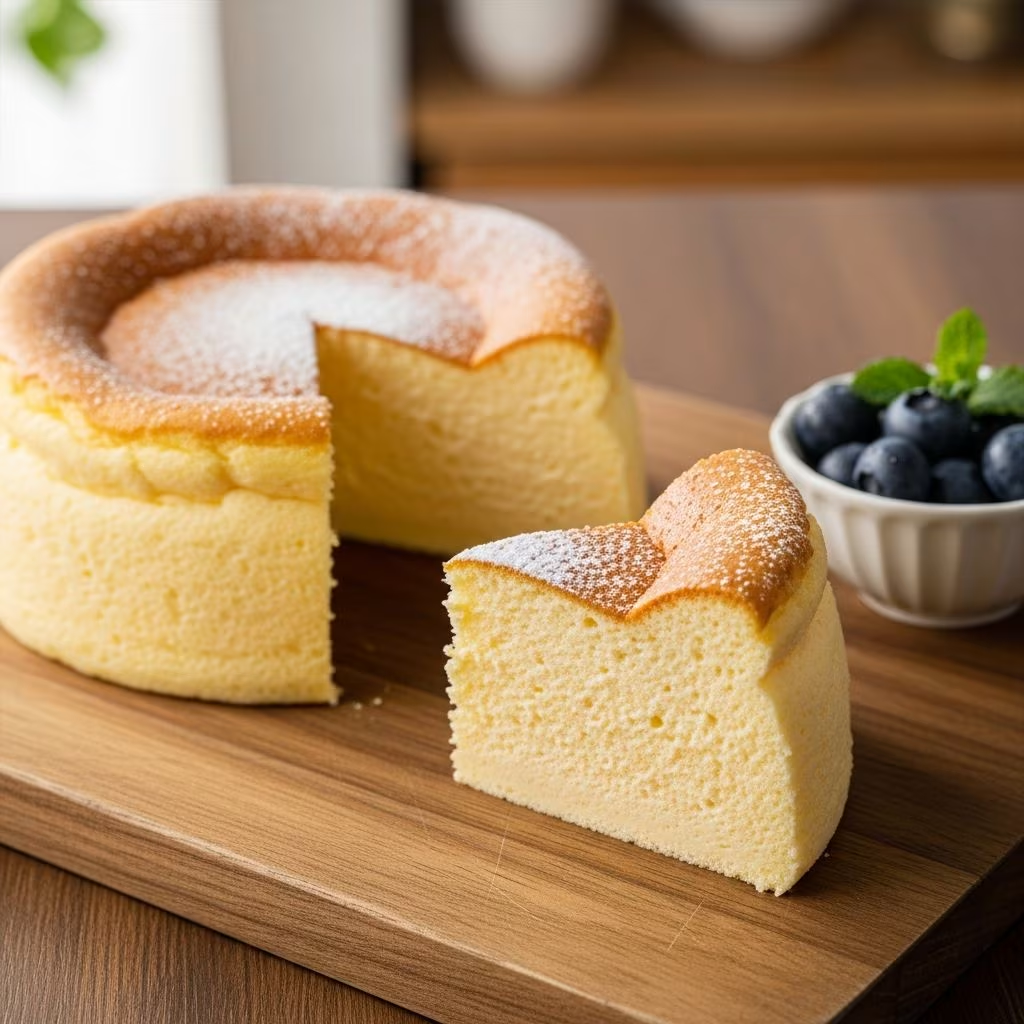
Japanese cotton cheesecake stands out for its ethereal texture, combining the tangy essence of cream cheese with the lift of a soufflé. Unlike dense New York-style cheesecakes, this version rises tall, jiggles softly, and melts in the mouth, earning its ‘cotton’ nickname from the feather-light crumb.
The Allure of Japanese Cotton Cheesecake
This dessert originated in Japan during the 1960s, inspired by Western cheesecakes but refined for a subtler sweetness and superior fluffiness. Bakers achieve this through a meringue base folded into a custard-like batter, baked gently in a water bath to prevent cracks and ensure even rising. The result is a treat that’s indulgent yet not overpowering, perfect for those who prefer airy confections over heavy slices.
Its popularity surged globally via social media, where videos of towering, wobbly cakes captivate millions. Home bakers love it for the ‘wow’ factor, though success demands precision in temperature, mixing, and oven handling.
Essential Ingredients for Success
The beauty of cotton cheesecake lies in simple, balanced components. Key players include:
- Cream cheese: Provides creaminess and mild tang; use full-fat, softened blocks (about 250g for an 18cm pan).
- Butter: Adds richness; unsalted, softened (around 60g).
- Eggs: Separated—yolks for batter moisture, whites whipped into meringue for lift (3-5 eggs depending on pan size).
- Sugar: Less than traditional recipes; divided between batter and meringue (35-50g total).
- Milk: Whole or low-fat for smoothness (2 tbsp to 1/2 cup).
- Cornstarch or flour: Stabilizes structure (2 tbsp cornstarch or 1/4 cup flour).
- Lemon juice/zest: Brightens flavor (1 tbsp juice optional).
- Cream of tartar: Stabilizes egg whites (1/4 tsp).
Room temperature ingredients are non-negotiable—cold components lead to lumps or deflated meringue. Allow cream cheese and butter to soften 2 hours ahead, eggs 1 hour.
Step-by-Step Baking Method
Preparation takes about 30 minutes, baking 1-1.5 hours, plus cooling. Use an 18cm (7-inch) springform pan for optimal height (4-5cm finished cake).
- Prep the pan: Grease with butter, line bottom with parchment. For springform, wrap exterior in foil to seal for water bath. Extend parchment walls 2-3 inches above rim for rise support.
- Melt base mixture: Over double boiler or water bath (not boiling), soften cream cheese (250g), add butter (60g), milk (2-4 tbsp). Whisk until lump-free and pale.
- Build batter: Off heat, mix in sugar (35g), egg yolks (3), lemon juice/zest, then sift in flour/cornstarch. Whisk smooth; strain for silkiness.
- Whip meringue: Beat egg whites with cream of tartar to soft peaks (slightly bending tips), adding remaining sugar gradually. Avoid stiff peaks to prevent dryness.
- Fold gently: Add meringue to batter in 3 parts, folding with spatula using cut-and-fold motion. Batter should be uniform, airy.
- Bake low and slow: Preheat oven to 160°C (320°F). Pour batter into pan, tap to release bubbles. Place in larger tray with hot water (halfway up pan sides). Bake 20-30 min at 160°C, drop to 140°C (284°F) for 40-50 min, then off for 10-20 min with door ajar.
- Cool gradually: Remove from bath, cool in oven 20 min, then room temp 1 hour on rack. Refrigerate 4+ hours before unmolding.
Test doneness with a skewer—slightly moist is ideal for moisture retention.
Mastering the Science Behind the Fluff
The magic happens via protein networks and gentle heat. Egg white proteins denature into a stable foam during whipping, trapping air. Folding preserves this volume. Low-temp baking coagulates proteins slowly, preventing collapse, while steam from the water bath mimics a pressure cooker for even lift without cracks.
| Stage | Temperature | Duration | Purpose |
|---|---|---|---|
| Initial Bake | 160°C/320°F | 20-30 min | Set structure, brown top |
| Main Bake | 140°C/284°F | 40-50 min | Cook center gently |
| Rest in Oven | Off/Ajar | 20 min | Prevent sink |
Humidity control is key—too dry, and cracks form; water bath maintains 100% humidity.
Troubleshooting Common Issues
Bakers often face pitfalls, but fixes exist:
- Cracks on top: Oven too hot or no water bath. Lower temp next time.
- Deflated cake: Overmixed meringue or sudden temp change. Fold gently, cool gradually.
- Wet center: Underbaked—extend time 5-10 min at 160°C.
- Lumps in batter: Cold ingredients. Soften fully, strain batter.
- Shrunk sides: Rapid cooling. Leave in oven longer with door propped.
Pan size matters: Scale recipe up 25-33% for 20-23cm pans to keep height.
Recipe Variations to Try
Customize while preserving fluff:
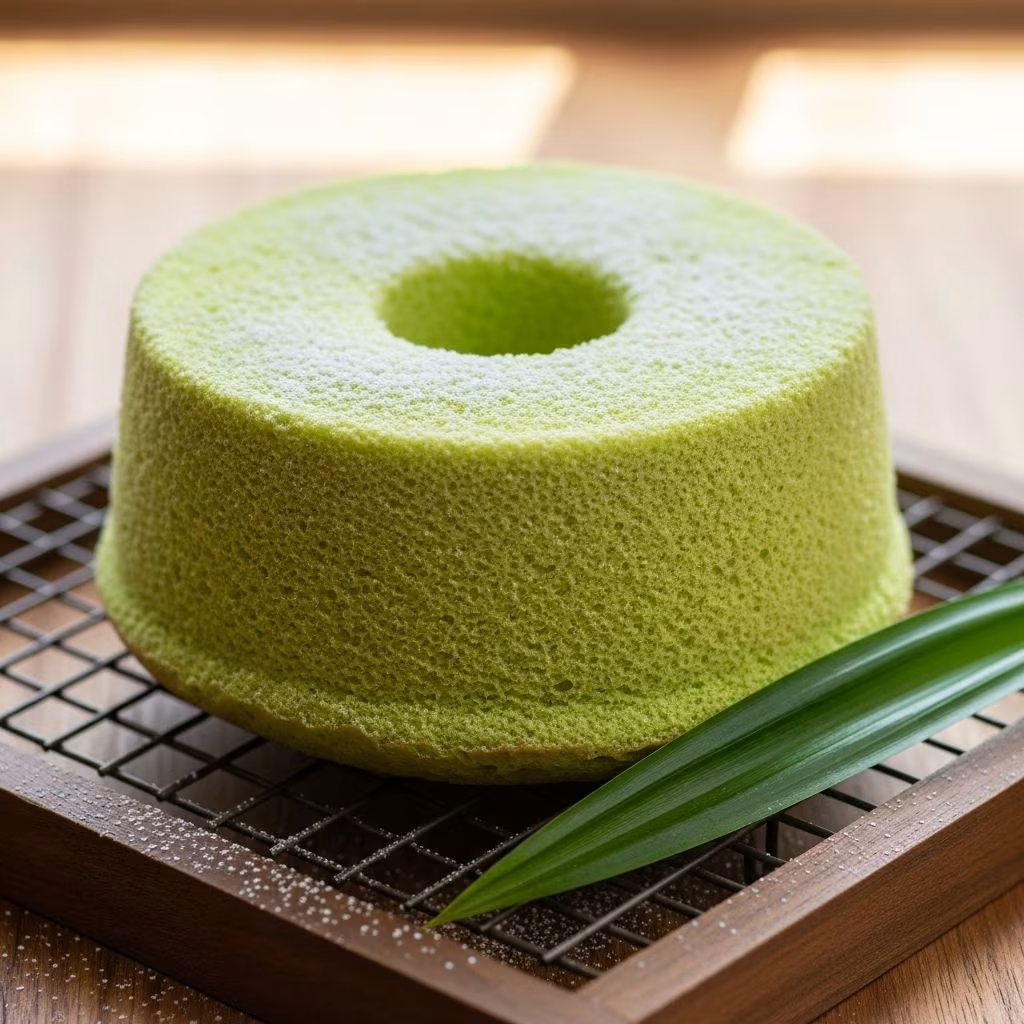
- Matcha: Add 1-2 tsp matcha powder to batter for green tea twist.
- Chocolate: Melt 50g dark chocolate into base mixture.
- Berry swirl: Fold pureed berries into part of batter, marble gently.
- Larger batch: Double for 20cm pan, adjust bake time +10 min initial phase.
For ultra-light, use cake flour over all-purpose.
Storage and Serving Ideas
Best chilled overnight for set texture. Stores airtight in fridge 3-4 days; freezes well up to 1 month (thaw in fridge). Serve plain, dusted with powdered sugar, or with fresh fruit/whipped cream. Pairs excellently with tea or coffee, balancing subtle sweetness.
Frequently Asked Questions
Why is my Japanese cheesecake rubbery?
Overbeaten meringue or high baking temp. Aim for soft peaks and low heat.
Can I use a regular cake pan?
Yes, but wrap tightly in foil for water bath. Springform is ideal for easy release.
Is cream of tartar necessary?
It stabilizes whites; substitute lemon juice (1/2 tsp).
How do I prevent browning too much?
Tent with foil after initial bake if needed.
Gluten-free version?
Swap flour for gluten-free blend + extra cornstarch.
Nutrition Snapshot (per slice, 8 servings)
| Nutrient | Amount |
|---|---|
| Calories | ~250 |
| Protein | 6g |
| Fat | 18g |
| Carbs | 15g |
Values approximate; lighter than traditional cheesecake due to less sugar/density.
References
- Japanese Cheesecake (Cotton Cheesecake) — RecipeTin Japan. 2023-05-15. https://japan.recipetineats.com/japanese-cheesecake-cotton-cheesecake/
- Japanese Cheesecake — Hummingbird High. 2019-01-14. https://www.hummingbirdhigh.com/2019/01/japanese-cheesecake.html
- Cotton Cheesecake / Japanese Cheesecake — RunAwayRice. 2022-08-20. https://runawayrice.com/desserts/cotton-cheesecake-japanese-cheesecake/
- Japanese Cotton Cheesecake — Bake-Street.com. 2021-03-10. https://bake-street.com/en/japanese-cotton-cheesecake/