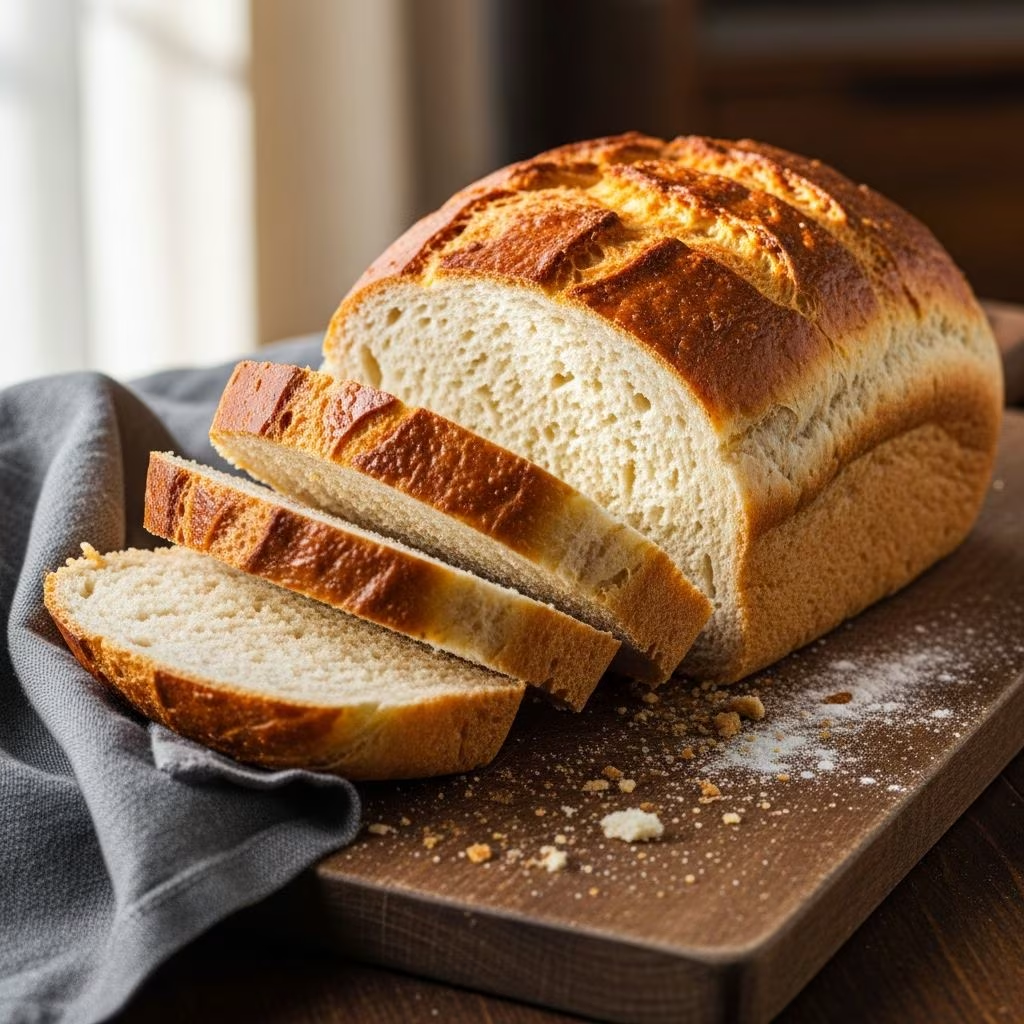
Jamaican hard dough bread, often called hardo bread, stands out for its distinctive firm yet tender crust and slightly sweet, chewy interior. This beloved staple in Caribbean cuisine traces its roots to immigrant influences and has become a versatile base for sandwiches, toast, or simply enjoying fresh from the oven. Unlike softer white breads, hard dough bread develops a robust structure through careful kneading and enriched dough, making it ideal for those seeking an authentic taste of Jamaica in their kitchen.
The Allure of Hard Dough Bread in Jamaican Culture
Hard dough bread holds a special place in Jamaican culinary traditions. Introduced by Chinese immigrants in the early 20th century, it evolved into a household essential, often paired with butter, cheese, or bully beef for quick meals. Its name reflects the dough’s firmness before baking, which yields a loaf that’s sliceable yet substantial. Bakers prize it for its longevity—staying fresh longer than many yeast breads—thanks to the balance of sugar, fat, and proper proofing. Today, home bakers recreate this icon to capture the island’s vibrant flavors without relying on store-bought versions.
Essential Ingredients for Success
Selecting quality ingredients is crucial for replicating the authentic texture and taste. Here’s a breakdown of what you’ll need for one standard loaf:
- All-purpose flour (4 cups or about 500g): Provides the backbone structure. Bread flour can substitute for a chewier bite.
- Instant yeast (1.5-2 tsp): Ensures reliable rise; active dry works if proofed first in warm liquid.
- Granulated sugar (2-4 tbsp): Imparts subtle sweetness and feeds the yeast.
- Salt (1.5 tsp): Balances flavors and strengthens gluten.
- Unsalted butter or shortening (1/3 cup, softened): Adds richness and tenderness; a mix of both mimics commercial recipes.
- Warm water or milk (1-1.25 cups, around 100-110°F): Hydrates the dough; milk enhances softness.
- Egg white (for brushing): Creates a glossy, golden top.
These components create a dense dough that proofs modestly, distinguishing it from airy sandwich loaves. Measure by weight for precision, as flour volume varies.
Step-by-Step Baking Guide
Follow these instructions meticulously for bakery-quality results. Total time: about 3 hours, including rises.
Prepare dry mix: In a large bowl or stand mixer bowl, whisk flour, yeast, sugar, and salt. This even distribution prevents yeast clumping.
Incorporate fats: Cut in softened butter or shortening with fingers, a pastry blender, or mixer paddle until pea-sized bits form. This step coats flour proteins for tenderness.
Add liquids: Gradually pour in warm water or milk while mixing on low speed. The dough will be shaggy at first—continue until it pulls together.
Knead thoroughly: Switch to dough hook and knead 8-10 minutes (or by hand 10-15 minutes) until smooth, elastic, and slightly tacky. Windowpane test: stretch a piece thin without tearing.
First rise: Oil a bowl, place dough inside, cover with a damp cloth or plastic. Let rise in a warm spot for 30-45 minutes until nearly doubled.
Shape the loaf: Punch down dough, roll into a 12×8-inch rectangle on a floured surface. Tight jelly-roll from short end, pinch seams, and fit into a greased 9×5-inch pan seam-side down.
Second rise: Cover and proof 25-35 minutes until dough crests 1 inch above pan edge.
Bake: Preheat oven to 350°F (175°C). Brush top with beaten egg white. Bake 30-40 minutes until deep golden, internal temp 190-200°F, and hollow-sounding when tapped.
Cool properly: Remove from pan immediately; cool on wire rack 1-2 hours before slicing to set crumb structure.
Tips: Use a kitchen scale for accuracy. If dough resists kneading, rest 5 minutes. High humidity may require less liquid.
Ingredient Variations and Substitutions
Adapt the recipe to your pantry or preferences with these options:
| Original | Substitution | Effect |
|---|---|---|
| All-purpose flour | Bread flour | Chewier texture, better rise |
| Water | Whole milk or buttermilk | Softer crumb, richer flavor |
| White sugar | Brown sugar | Deeper sweetness, caramel notes |
| Butter | Vegetable shortening or oil | Denser crust, longer shelf life |
| Instant yeast | Active dry (proofed) | Same rise with activation step |
For a sweeter loaf, add condensed milk to liquids. Vegan version: swap butter for coconut oil and use plant milk.
Troubleshooting Common Issues
Baking bread can be finicky—here’s how to fix pitfalls:
- Dense loaf: Under-kneaded or insufficient rise. Knead longer next time; ensure warm proofing spot (75-85°F).
- Gummy interior: Too much liquid or underbaked. Reduce water by 1 tbsp; bake to 200°F internal temp.
- Flat top: Weak yeast or over-proofed. Test yeast freshness; proof until just above pan.
- Pale crust: Low oven temp. Use oven thermometer; bake on middle rack.
- Dry crumb: Overbaked or low fat. Check early; increase butter slightly.
Store in a paper bag for 3-4 days or freeze sliced for 2 months. Revive by sprinkling water and toasting.
Creative Ways to Enjoy Your Bake
Hard dough bread shines in Jamaican favorites:
- Sliced thick with salted butter and avocado.
- Toasted for patty sandwiches—pairs perfectly with spicy beef patties.
- Cubed for bread pudding with coconut milk and raisins.
- Grilled with cheese for a hearty melt.
- Dipped in cocoa tea for breakfast.
Experiment with additions like cinnamon in the dough for a breakfast twist.
Nutrition and Storage Insights
A slice (1/12 loaf) offers about 150 calories, 3g protein, 25g carbs, 4g fat—enriched by dairy and sugar for sustained energy. For longevity, wrap tightly after full cooling; it resists molding better than enriched breads due to low hydration.
Frequently Asked Questions (FAQs)
Can I make hard dough bread without a stand mixer?
Yes, knead by hand on a floured surface for 15 minutes until smooth.
Why is my bread not sweet enough?
Increase sugar to 4 tbsp or brush baked loaf with honey glaze.
How do I know if yeast is active?
Sprinkle in warm water with sugar; bubbles in 5-10 minutes indicate viability.
Can I bake multiple loaves?
Double recipe; bake on separate racks, rotating halfway.
Is hard dough bread gluten-free possible?
Traditional no, but adapt with gluten-free blends and xanthan gum for structure.
Scaling Up for Crowds
For larger batches, multiply ingredients proportionally. Use two pans for double recipe. Proof in a turned-off oven with light on for consistent warmth. This yields party-ready loaves for gatherings.
Mastering hard dough bread rewards patience with addictive results. Its simple ingredients transform through technique into a cultural treasure you can bake anytime.
References
- Absolutely easy Jamaican hard dough bread — This Bago Girl. 2023. https://thisbagogirl.com/easy-jamaican-hard-dough-bread/
- Jamaican Hard Dough (Hardo) Bread — The Seasoned Skillet. 2023. https://seasonedskilletblog.com/jamaican-hard-dough-hardo-bread/
- Jamaican Hard Dough Bread — The Cook’s Cook. 2022. https://thecookscook.com/recipes/jamaican-hard-dough-bread/
- Recipes for life: Hard dough bread — Den Bake Shop. 2021. https://www.denbakeshop.com/post/recipes-for-life-hard-dough-bread
- Hard Dough (Hardo) Bread | Foolproof Recipe — YouTube (Feed & Teach). 2023. https://www.youtube.com/watch?v=BAqmoiReAns