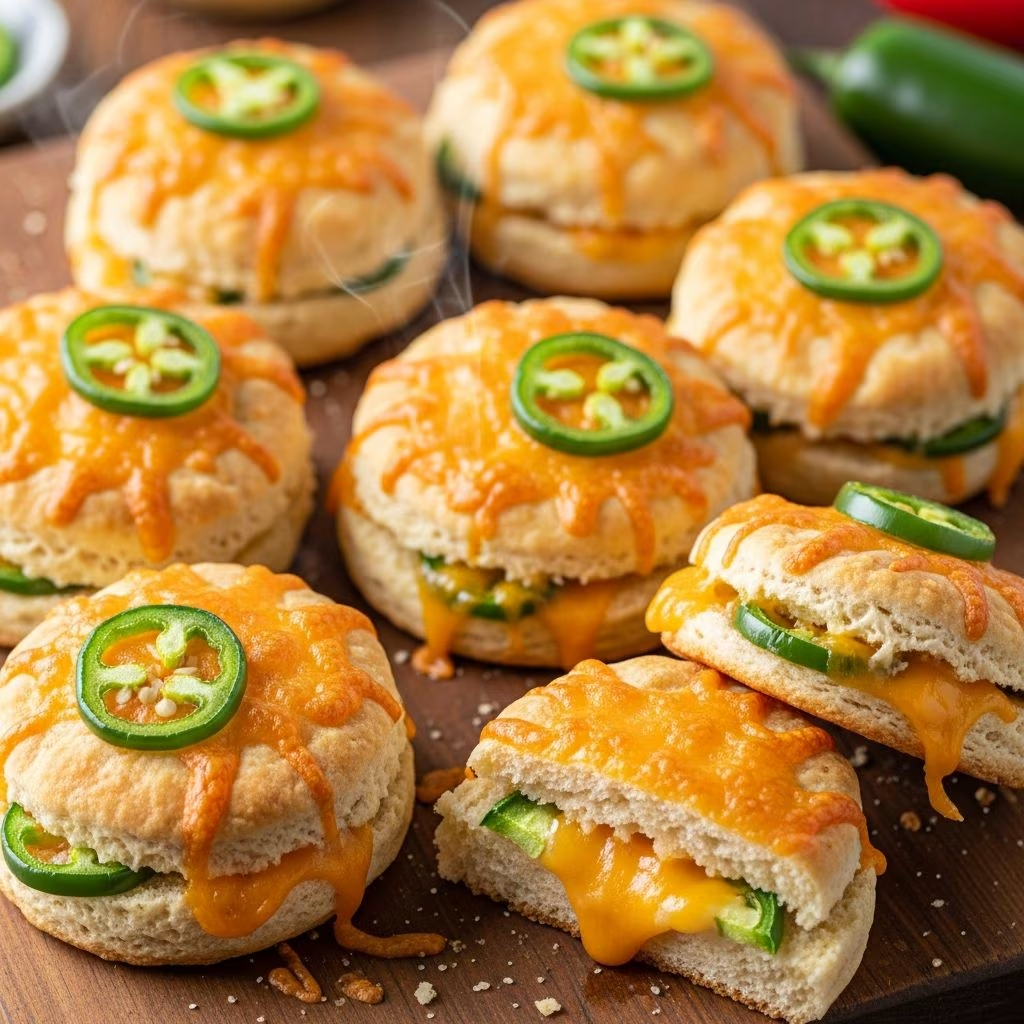
When it comes to impressive yet straightforward baked goods, few options compare to the delightful combination of a moist, tender biscuit swimming in melted butter and loaded with bold flavors. The jalape no-infused cheddar variant takes this classic comfort food to new heights by introducing a sophisticated heat and savory depth that transforms an ordinary side dish into something truly memorable. Whether you’re preparing a casual weeknight dinner or hosting a special gathering, these biscuits deliver restaurant-quality results from your own kitchen without demanding advanced baking expertise.
Understanding the Swim Biscuit Concept
The term “swim biscuits” refers to a specific baking methodology where biscuits are prepared directly in a baking dish containing a pool of melted butter. Unlike traditional biscuits that rely on precise handling and specialized equipment, swim biscuits embrace a more forgiving approach. The batter is dropped or spread directly onto the butter, allowing the baked goods to absorb the richness from below while developing a golden exterior. This technique emerged as a modern convenience solution, eliminating the need for rolling pins, biscuit cutters, or extensive kneading. The result is a texture that hovers between a traditional biscuit and a moist quick bread, offering the best of both worlds for home bakers seeking simplicity without sacrificing quality.
Essential Ingredients and Their Functions
Creating exceptional swim biscuits requires understanding how each component contributes to the final product. Here’s what you’ll need and why it matters:
- All-Purpose Flour — Forms the structural foundation of your biscuits. Standard all-purpose flour works reliably, though specialty options like White Lily flour produce an exceptionally light, tender crumb.
- Unsalted or Salted Butter — Provides richness and fat for flavor and texture development. The choice between unsalted and salted depends on your preference and salt content elsewhere in the recipe.
- Buttermilk — Contributes tanginess and reacts with baking powder to create lift. Room-temperature buttermilk incorporates more evenly than cold liquid.
- Baking Powder — The primary leavening agent that creates the light, airy crumb structure characteristic of quality biscuits.
- Cheddar Cheese — Freshly shredded varieties melt more smoothly and distribute flavor more evenly than pre-shredded options, which contain anti-caking agents.
- Fresh Jalapeños — Deliver the signature spice and herbaceous notes that define these biscuits. The intensity depends on seed and rib removal.
- Seasonings — Garlic powder, onion powder, and salt amplify savory undertones and complement the other components.
Preparation Strategy for Success
Successful biscuit baking begins well before the oven preheats. Gathering and preparing ingredients in advance prevents the rushed moments that lead to errors. Start by bringing your buttermilk to room temperature, as cold dairy can negatively impact biscuit rise and create dense results. Preheat your oven to 450°F, allowing it to reach full temperature before baking begins. Shred your cheese from a block rather than using pre-shredded varieties when possible, and dice your jalapeños into uniform pieces approximately one-quarter inch in size.
For cheese selection, freshly shredded cheddar melts uniformly throughout the batter, creating pockets of flavor and richness. Pre-shredded cheese contains silicone dioxide to prevent clumping, which interferes with melting and distribution. If time constraints demand pre-shredded cheese, toss it lightly with a small amount of flour to improve handling without compromising results significantly.
Step-by-Step Preparation Instructions
The assembly process requires attention but minimal technical skill. Begin by combining your dry ingredients—flour, baking powder, salt, garlic powder, and onion powder—in a medium mixing bowl. Whisk these components together for approximately one minute to ensure the leavening agent and seasonings distribute evenly throughout the flour.
Next, prepare your baking vessel. Select an 8×8-inch or 9×9-inch oven-safe glass or ceramic dish and coat it generously with nonstick cooking spray. If using spray with flour included, even better—it provides additional insurance against sticking.
Pour your melted butter into the prepared baking dish, ensuring it coats the bottom evenly. This creates the signature swimming pool of richness that gives these biscuits their distinctive name and luxurious mouthfeel.
Add buttermilk to your dry mixture and stir gently until a cohesive, sticky batter forms. Resist the urge to overmix; a few lumps actually contribute to texture. The batter should feel wet and sticky rather than dry or stiff. If it appears too thick, add buttermilk one tablespoon at a time until you achieve the right consistency.
Fold in your shredded cheddar, diced jalapeños, and any optional ingredients like crispy bacon. Use gentle motions to incorporate these elements evenly without overworking the dough.
Baking Technique and Timing
Transfer your prepared batter into the butter-lined baking dish, spreading it evenly to the edges. Cut the mixture into nine squares using a sharp knife or kitchen shears, which facilitates even cooking and easier serving later. These scored lines also help biscuits separate cleanly from one another as they bake.
Place the baking dish on the middle oven rack to ensure even heat distribution. Bake for approximately 25 to 30 minutes. The exact timing depends on your specific oven, as different models have varying hot spots and temperature fluctuations. Rotate the baking dish once halfway through the cooking process to promote even browning.
Biscuits are finished when the tops turn golden brown and the batter springs back when lightly pressed with your finger. Insert a toothpick into the center of one biscuit; it should emerge clean with no wet batter clinging to it. If you notice excessive browning on top before the interior seems fully cooked, tent the dish loosely with aluminum foil to prevent over-browning while the center finishes cooking.
Heat Level Customization
The spiciness of your finished biscuits depends entirely on your jalapeño preparation and selection. For those preferring milder heat, remove all seeds and the white interior pith before dicing—this is where most of the capsaicin, the compound responsible for pepper heat, concentrates. If you enjoy more significant spice, leave some seeds intact.
The size of your jalapeños matters too. Larger peppers with thicker walls tend to offer more flavor with less aggressive heat, while smaller, thinner-walled varieties pack considerably more punch. Taste a raw piece of your chosen peppers before processing to gauge their natural heat level, then adjust your strategy accordingly.
Consider starting with a conservative approach using a single large jalapeño with seeds removed. You can always increase the quantity or heat level in future batches based on your family’s preferences.
Storage and Reheating Guidelines
Properly stored swim biscuits maintain their quality for several days. Keep cooled biscuits in an airtight container at room temperature for up to two days. For longer storage, wrap them individually in plastic wrap and freeze for up to one month. To reheat, wrap biscuits loosely in aluminum foil and warm in a 350°F oven for approximately five minutes, or until heated through. Microwave reheating works in a pinch but can result in toughness; use short 15-second intervals if you must choose this method.
Troubleshooting Common Challenges
| Issue | Probable Cause | Solution |
|---|---|---|
| Dense, Heavy Biscuits | Overmixed batter or cold buttermilk | Mix only until ingredients combine; bring buttermilk to room temperature before use |
| Dry Texture | Insufficient butter or overbaking | Ensure adequate butter in pan; check biscuits at 25-minute mark |
| Uneven Browning | Hot spots in oven | Rotate baking dish halfway through cooking time |
| Cheese Doesn’t Melt | Pre-shredded cheese with additives | Use freshly shredded cheddar from a block |
| Excessive Heat | Too many jalape no seeds included | Remove seeds and ribs before dicing peppers |
Flavor Variations and Creative Additions
While the jalape no and cheddar combination provides an excellent foundation, numerous variations can customize these biscuits to suit specific preferences. Adding crumbled crispy bacon introduces smokiness and textural contrast. Fresh herbs like cilantro or chives contribute brightness and complexity. For those seeking additional richness, a small amount of diced cream cheese folded into the batter creates pockets of tangy creaminess throughout.
Consider incorporating roasted red peppers for sweetness that balances the jalape no heat, or experiment with different cheese varieties like aged gouda or sharp white cheddar. Corn kernels, diced onions, or even jalape no-infused cream cheese spreads can elevate your creation further.
Frequently Asked Questions
Can I make these biscuits without buttermilk?
Yes, you can create a buttermilk substitute by combining regular milk with white vinegar or lemon juice—one tablespoon of acid per cup of milk. Let the mixture sit for five to ten minutes before using to allow the dairy to curdle and sour slightly.
What type of baking dish works best?
Glass or ceramic baking dishes conduct and distribute heat most evenly. Metal pans can create overly browned bottoms. Avoid dark-colored dishes as they absorb excessive heat.
Can I prepare these biscuits in advance?
You can combine dry ingredients up to one day ahead and store them in an airtight container. Prepare the batter and bake fresh, as pre-made batter loses its leavening power over time.
How do I know if my biscuits are done baking?
Look for golden-brown tops and check that the interior is no longer wet using a toothpick test. The biscuits should feel firm to the touch and spring back when gently pressed.
Why are my biscuits swimming in too much butter?
Reduce the butter slightly—start with three-quarters cup instead of one full cup. Different flour brands absorb moisture differently, affecting how much butter remains liquid after baking.
References
- “Baking Soda vs. Baking Powder: What’s the Difference?” — The Kitchn, King Arthur Baking Company. 2024. https://www.kingarthurbaking.com/learn/how-to-bake
- “Understanding Buttermilk in Baking” — America’s Test Kitchen. 2023. https://www.americastestkitchen.com/
- “Capsaicinoids Content and Pungency of Different Pepper Species” — Journal of Agricultural and Food Chemistry, American Chemical Society. 2022. https://pubs.acs.org/journal/jafcau