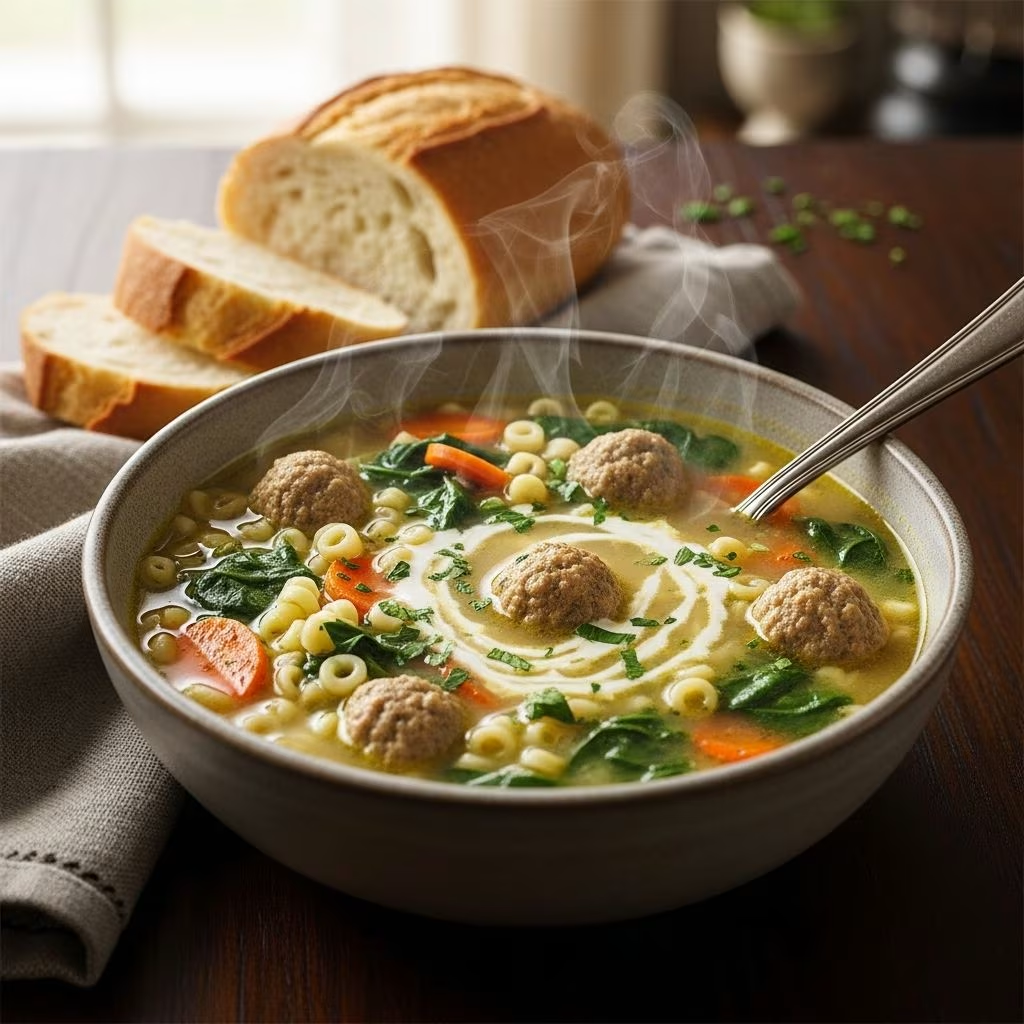
Italian wedding soup represents one of the most beloved comfort dishes in Mediterranean cuisine, combining tender meatballs, delicate pasta shapes, and nutrient-rich leafy greens in a single, satisfying bowl. Despite its elegant name, this rustic soup originated not from wedding celebrations but rather from the Italian phrase ‘matrimonio’ (marriage), referring to the harmonious combination of ingredients rather than the occasion itself. The beauty of preparing this dish in a single pot lies in both its convenience and the way flavors meld together as components cook simultaneously, creating a deeply satisfying meal that requires minimal cleanup.
Understanding the Foundation of Italian Wedding Soup
The essence of Italian wedding soup centers on three primary components working in concert: flavorful meatballs, a robust broth base, and complementary vegetables and pasta. The traditional recipe draws inspiration from Southern Italian cooking traditions, where resourcefulness in the kitchen transforms humble ingredients into extraordinary meals. The creamy element that distinguishes modern interpretations comes from the emulsification of broth with cheese and the natural starches released by pasta during cooking, creating a luxurious texture without requiring heavy cream.
What makes this soup particularly appealing for modern home cooks is its flexibility. Whether you prepare it on a Tuesday evening for a family dinner or assemble it for weekend entertaining, the one-pot method streamlines both preparation and execution. The cooking process allows busy individuals to produce restaurant-quality results with minimal fuss, making it an ideal choice for those seeking nutritious meals without extensive kitchen time.
Crafting Perfect Meatballs for Your Soup
The foundation of exceptional Italian wedding soup begins with superior meatballs. Unlike larger meatballs designed for pasta dishes, soup meatballs should be modest in size—approximately one inch in diameter—allowing them to cook thoroughly while remaining tender and easy to enjoy on a spoon.
Essential Meatball Ingredients and Their Roles
- Ground meat combination: Using equal parts beef and pork creates superior texture and flavor compared to single-meat options. This combination allows fat and protein to interact optimally, resulting in meatballs that remain moist rather than becoming dense or rubbery.
- Breadcrumbs: These act as a binder while simultaneously creating moisture retention within the meatball structure. Soaking breadcrumbs in milk before combining with other ingredients produces a paste-like consistency that distributes evenly throughout the mixture.
- Egg: This ingredient serves as an additional binder, holding all components together while allowing gentle cooking without disintegration in the simmering broth.
- Parmesan cheese: Finely grated cheese adds umami depth and contributes to the creamy character of the final soup when meatballs release their contents during cooking.
- Fresh aromatics: Minced garlic and finely chopped fresh parsley infuse the meatballs with aromatic complexity that transcends what dried seasonings alone can accomplish.
- Seasoning elements: Salt, black pepper, and optional red pepper flakes balance flavors and add subtle heat that rounds out the overall taste profile.
Meatball Preparation Technique
Begin by combining breadcrumbs with milk in a shallow bowl and allowing this mixture to rest for approximately ten minutes, creating a sodden paste that will keep meatballs tender. While the breadcrumb mixture develops, process onion, garlic, and parsley together using a food processor, creating a fine mince that distributes seasoning evenly. Combine this aromatic mixture with the milk-soaked breadcrumbs, egg, grated cheese, and pepper in a large bowl.
Add ground meat to this mixture only after all other components have been incorporated, then mix gently using your hands until ingredients are just combined. Overmixing develops gluten in the breadcrumbs, resulting in dense, tough meatballs rather than light, tender ones. Using a one-inch ice cream scoop or tablespoon ensures uniform sizing, which promotes even cooking throughout the batch.
For maximum convenience, brown meatballs ahead of time and freeze them in a single layer on a baking sheet before transferring to freezer bags. This preparation strategy allows you to maintain a supply of cooked meatballs, reducing actual cooking time on busy evenings to mere minutes.
Building the Soup Base with Aromatics and Broth
The soup foundation begins by sautéing diced onions, carrots, and celery—the classic Italian soffritto—in olive oil within a large Dutch oven or heavy-bottomed pot. This foundational step, typically requiring five to seven minutes over medium heat, softens the vegetables while encouraging their natural sugars to caramelize slightly, developing deeper, more complex flavors than raw vegetables would contribute.
Once vegetables achieve a translucent appearance and begin to soften, add minced garlic and fresh oregano, cooking for an additional minute to release aromatic compounds. This brief window of garlic cooking perfumes the oil while preventing the garlic from browning, which would introduce undesirable bitter notes.
Next, pour in your chosen broth—preferably homemade chicken stock, though quality store-bought versions work acceptably. The ratio of broth to other ingredients requires careful consideration; traditional Italian wedding soup uses substantial liquid, while modern interpretations designed as main dishes feature less broth, resulting in a thicker, more substantial consistency. A good starting point uses six to eight cups of broth for a standard batch serving four people.
Pasta Selection and Cooking Dynamics
Italian wedding soup calls for small pasta shapes that fit comfortably on a spoon alongside meatballs and vegetables. Traditional choices include orzo, ditalini, and acini di pepe—tiny, round pasta shapes that cook quickly and distribute evenly throughout the pot.
| Pasta Shape | Approximate Cook Time | Best For |
|---|---|---|
| Orzo | 8-10 minutes | Robust, slightly substantial soup |
| Ditalini | 8-9 minutes | Traditional Italian preparations |
| Acini di Pepe | 6-8 minutes | Delicate, refined presentations |
Add pasta directly to simmering broth and cook until al dente—tender but retaining slight resistance to the bite. The starch released during pasta cooking thickens the broth naturally, contributing to the creamy texture characteristic of superior Italian wedding soup. This means you need not add cream or additional thickening agents; the pasta itself creates the desired consistency.
Incorporating Greens and Final Elements
Fresh leafy greens provide nutritional balance, vibrant color, and fresh flavor that rounds out the heartiness of meatballs and pasta. Spinach offers mild flavor and delicate texture, while kale contributes earthier characteristics and heartier structure. Add greens only during the final minutes of cooking to preserve their bright color and fresh taste; overcooking transforms them into drab, mushy additions.
Season the soup thoughtfully with kosher salt, freshly ground black pepper, and Italian seasoning, tasting and adjusting as needed. The seasoning in the meatballs and broth base have already contributed significant salt content, so add additional seasoning incrementally rather than aggressively.
The Finishing Touch: Cheese and Garnish
Freshly grated Parmesan cheese stirred into the finished soup adds richness and umami depth that elevates the overall flavor profile. Reserve additional grated cheese for serving, allowing each diner to customize their bowl to personal preference. Fresh herbs—particularly finely chopped parsley—provide brightness and aromatic complexity that balances the richness of cheese and meat.
Flexibility and Substitution Options
This versatile soup welcomes numerous variations without compromising its essential character. Ground turkey offers a leaner alternative to beef and pork, creating a lighter version suited to health-conscious diners. Chickpeas or white beans add plant-based protein and additional texture, transforming the soup into a more substantial vegetarian-friendly option.
Vegetable additions extend beyond traditional carrots, celery, and onions. Diced zucchini, chopped mushrooms, or thinly sliced leeks complement the existing ingredient profile while boosting nutritional value. Some home cooks incorporate escarole in place of spinach, enjoying its slightly bitter edge, or use mixed greens for complexity.
Storage, Reheating, and Make-Ahead Strategies
Italian wedding soup improves as flavors meld over time, making it an excellent candidate for advance preparation. Allow cooked soup to cool completely before transferring to airtight containers, where it will maintain quality for four to five days in standard refrigeration. For extended storage, freeze portions in individual containers for up to three months.
When reheating, thaw frozen portions in the refrigerator overnight, then warm gently over medium-low heat, adding small amounts of broth if the soup has thickened substantially during storage. Avoid rapid heating or high temperatures, which can cause pasta to disintegrate and meatballs to toughen. Some home cooks prefer cooking components separately and assembling the final dish fresh, which requires minimal additional effort while guaranteeing optimal texture and quality.
Nutritional Considerations and Health Benefits
This one-pot preparation delivers balanced nutrition through its combination of lean protein from meatballs, complex carbohydrates from pasta, and micronutrients from fresh vegetables and greens. The broth base supports joint health and digestive function when prepared from quality stock containing collagen and minerals. Parmesan cheese contributes calcium and additional protein, while fresh herbs provide antioxidants and secondary plant compounds that support overall wellness.
Frequently Asked Questions
Can I prepare meatballs without browning them first?
Yes, though browning develops deeper flavor through the Maillard reaction. If time is limited, drop unbaked meatballs directly into simmering broth, allowing approximately fifteen minutes for complete cooking. The final result will be slightly less complex in flavor but remain delicious and satisfying.
What if my soup seems too thick or too thin?
Thickness depends on desired consistency and pasta absorption. Add additional broth to thin an overly concentrated soup, or simmer uncovered for several minutes to reduce excess liquid and thicken. Remember that soup continues to thicken as it cools.
How do I prevent pasta from becoming mushy?
Add pasta only when broth reaches a rolling boil, and time cooking carefully according to package directions. Taste frequently during the final minutes to catch the precise moment when pasta reaches al dente doneness.
Can I make this recipe vegetarian?
Absolutely. Replace meatballs with hearty vegetables like mushroom balls or chickpea patties, and use vegetable broth instead of chicken stock. The resulting soup remains deeply satisfying and flavorful.
References
- The Flavor Bible: The Essential Reference for More Than 1,000 Ingredients and 25,000 Flavor Combinations — Karen Page and Andrew Dornenburg. Little, Brown and Company. 2008-10-14. https://www.penguinrandomhouse.com/books/37746/the-flavor-bible-by-karen-page-and-andrew-dornenburg/
- Nutrition and Bone Health — U.S. National Institutes of Health. Updated 2024. https://www.bones.nih.gov/