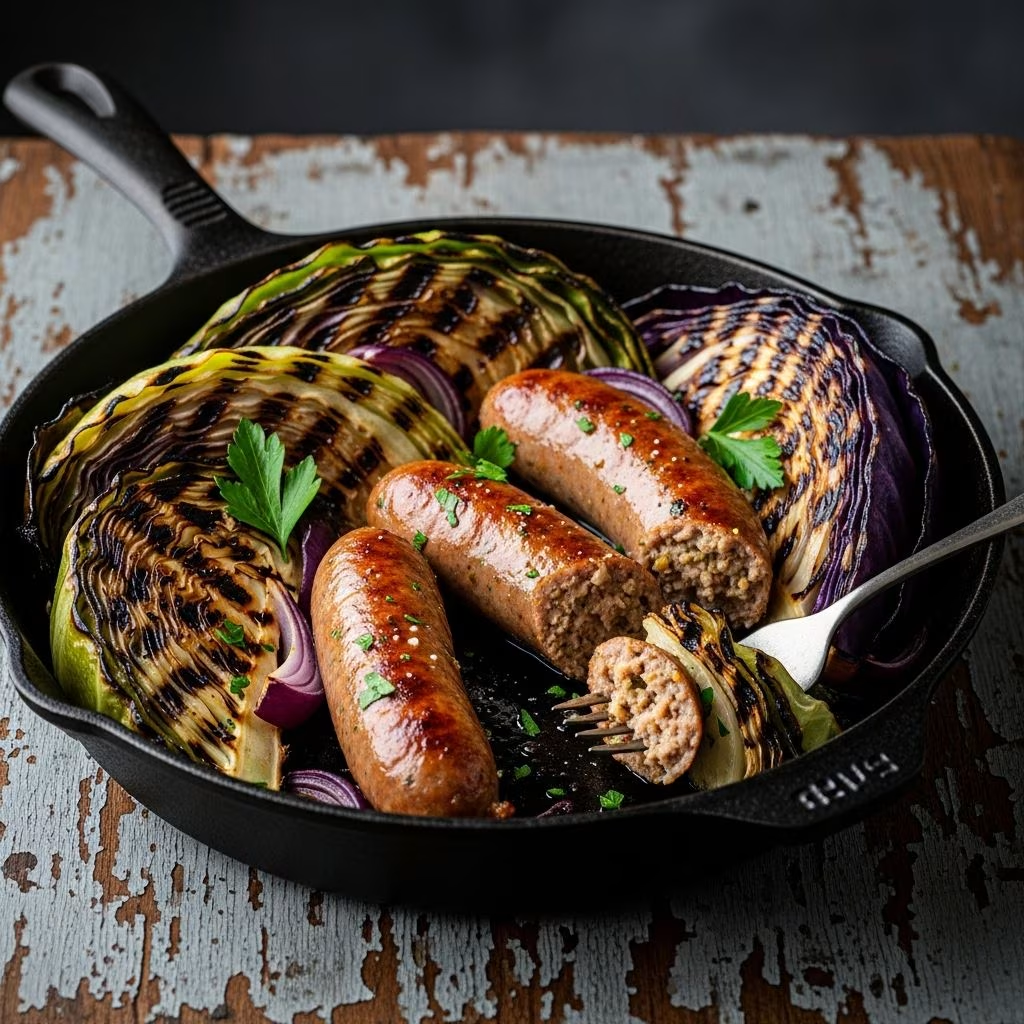
Creating a memorable dinner doesn’t require complicated techniques or hours spent in the kitchen. The combination of Italian sausage, caramelized cabbage, and tangy giardiniera represents classic comfort food elevated through straightforward cooking methods. This dish exemplifies how quality ingredients and proper technique transform simple components into something extraordinary.
Understanding the Core Components
The foundation of this dish rests on three primary elements working in harmony. Italian sausage provides rich, savory flavors with subtle spice notes that ground the entire plate. Sweet Italian sausages, typically containing fennel and garlic, deliver a more approachable profile compared to their hot counterparts, though personal preference dictates which variety suits your palate best.
Cabbage, often overlooked as a supporting player, becomes the star when properly prepared. Green cabbage develops deep, complex sweetness when exposed to high heat, with the exterior leaves crisping while interior portions remain tender. This textural contrast creates visual interest and satisfying mouthfeel throughout the meal.
Giardiniera—the Italian pickled vegetable condiment—introduces brightness and acidity that balances the richness of sausage and the natural sweetness of charred cabbage. Traditional preparations include cauliflower, carrots, celery, and various peppers preserved in vinegar and oil, creating a condiment that cuts through heavy elements while adding complexity.
Ingredient Selection and Preparation
Sourcing quality Italian sausages makes a substantial difference in the final result. Fresh sausages, typically sold in casings as links, provide superior texture and flavor compared to pre-cooked varieties. Look for products from specialty butchers or quality grocery stores that emphasize natural casings and minimal additives. Four to five links generally serve four people adequately, depending on portion preferences.
Select a medium head of green cabbage weighing approximately two pounds. The core should be intact and firmly packed, indicating freshness. Before cooking, remove the outer leaves if damaged, then cut the cabbage into one-inch pieces. This size allows even cooking while maintaining structural integrity through the charring process.
Extra-virgin olive oil forms the cooking medium and emulsifier throughout the dish. Use approximately three tablespoons total—two for initial sautéing and one-quarter cup reserved for finishing touches. Quality olive oil contributes fruity notes and smooth mouthfeel that enhance rather than dominate the plate.
The Cooking Technique
Initial Sausage Searing
Begin by heating two tablespoons of olive oil in a large heavy-bottomed skillet or cast-iron pan over medium-high heat. Once the oil shimmers and releases its aroma, add the sausage links. Allow them to remain undisturbed for two to three minutes per side, developing a golden-brown crust. This searing step creates fond—those flavorful browned bits—that will deepen the overall sauce.
Rather than fully cooking the sausages at this stage, aim for partial coloring. Remove them from the pan and set aside. The internal temperature will reach completion later through contact with the cabbage as it cooks down and releases moisture.
Cabbage Charring Process
Without draining the rendered sausage fat from the pan, add the prepared cabbage pieces directly to the same cooking vessel. Stir occasionally, allowing the cabbage to make direct contact with the hot surface. This technique encourages browning and caramelization rather than steaming. Continue cooking for seven to ten minutes, stirring every two to three minutes, until the cabbage develops dark golden edges and some charred spots appear.
The cabbage will initially seem voluminous, but it reduces significantly as moisture evaporates. This concentration of flavors is exactly what transforms ordinary cabbage into something memorable. You may notice the cooking process releases an appealing aroma as the sugars caramelize.
Integration and Final Cooking
Return the sausages to the pan, nestling them among the charred cabbage. Reduce heat to medium and cook for an additional five to eight minutes, allowing the sausages to finish cooking through while the cabbage continues developing deeper color. The internal temperature of sausages should reach 160-165°F (71-74°C) when measured with an instant-read thermometer inserted into the center.
Giardiniera Integration Strategies
Giardiniera can be incorporated in several ways depending on your texture and flavor intensity preferences. One approach involves draining the pickled vegetables and mixing them directly into the sausage and cabbage toward the end of cooking, allowing the flavors to meld while maintaining some textural distinction.
Alternatively, preserve the giardiniera’s brightness by serving it as a fresh garnish, scattered across the plated dish just before serving. This method ensures the vinegar and oil maintain their sharp quality, creating dynamic flavor layers rather than a homogeneous mixture.
A third option involves creating a quick sauce by combining giardiniera with some of its pickling liquid, a tablespoon of extra-virgin olive oil, and fresh herbs like parsley or basil. This becomes a finishing drizzle that adds both visual appeal and concentrated flavor.
Flavor Balance and Seasoning
Since sausage links contain significant seasoning and salt already, additional seasoning should be approached cautiously. Taste the dish midway through cooking and adjust only if necessary. Black pepper ground fresh from whole peppercorns adds subtle bite and aroma that complements the dish’s existing profile.
The natural saltiness of giardiniera means adding table salt gradually and only after tasting. Many home cooks find themselves needing no additional salt whatsoever, as the combination of sausage, giardiniera, and rendered sausage fat provides ample seasoning.
Serving Presentations and Pairings
This dish works beautifully as a complete main course on its own, plated directly in shallow bowls or on dinner plates. The interplay of textures—crispy cabbage edges, tender sausage, and crunchy giardiniera—creates satisfaction without additional accompaniments.
For a more substantial meal, consider crusty bread alongside for soaking up the rendered fats and flavors that accumulate on the plate. Grilled or toasted bread provides textural contrast and allows guests to construct small open-faced sandwiches if desired.
A simple green salad with acidic vinaigrette offers balance to heavier elements, particularly if serving the dish in cooler months when diners typically crave heartier fare. Alternatively, roasted potatoes tossed with fresh herbs complement the existing flavor profile without overwhelming it.
Wine and Beverage Considerations
The richness of Italian sausage paired with charred cabbage suggests wines with sufficient acidity to cut through fat while complementing rather than competing with flavors. Italian whites like Vermentino or Pinot Grigio provide brightness without heavy oak influence. For red wine drinkers, a young, fruit-forward Barbera offers enough structure and acidity to stand up to the dish’s intensity.
Non-alcoholic options like sparkling cider or ginger beer provide similarly refreshing alternatives that cleanse the palate between bites and add festive character to the meal.
Make-Ahead and Storage Strategies
This recipe reaches peak quality when prepared shortly before serving, as the contrast between warm sausage and fresh giardiniera provides much of its appeal. However, the cooked sausage and charred cabbage component stores well refrigerated in an airtight container for up to three days.
To refresh previously cooked portions, gently warm in a skillet over medium heat with a small splash of water or additional olive oil. Add fresh giardiniera at the last moment to restore the brightness that makes this dish special.
Troubleshooting Common Issues
Cabbage Remains Too Pale: Increase heat to medium-high and ensure adequate time for direct contact with the hot surface. Stir less frequently to allow deeper browning. Some cooks prefer covering the pan for the first few minutes to soften the cabbage, then uncovering to allow browning.
Sausages Burst or Split During Cooking: This typically results from excessive heat causing internal pressure. Reduce temperature slightly and prick casings gently with a fork before cooking to allow steam to escape gradually. Avoid piercing completely through to the other side.
Dish Tastes Too Salty: Giardiniera varies significantly in salt content depending on the brand and preparation method. Balance excessive saltiness by incorporating drained giardiniera rather than using its pickling liquid, or by serving it as a side condiment rather than mixing it directly into the main components.
Variations and Creative Adaptations
Hot Italian sausage provides increased spice without requiring additional spicy garnishes, appealing to those who prefer heat throughout their meal. The charring technique remains identical; only the base flavor profile shifts.
Substituting fennel seeds or fresh fennel bulb adds another layer of complexity that complements traditional giardiniera flavors. Shave fennel bulb thinly and cook it alongside the cabbage, allowing the high heat to bring out its natural sweetness while taming any licorice-forward qualities.
A splash of balsamic vinegar added just before serving introduces molasses notes that deepen the cabbage’s natural flavors. Use sparingly—half a teaspoon goes surprisingly far and prevents the dish from becoming acidic.
Frequently Asked Questions
Can this recipe be prepared on the stovetop only, without additional equipment?
Absolutely. A large skillet provides adequate space for searing sausages and charring cabbage. The one-pan approach makes cleanup straightforward and the entire cooking process manageable on any stovetop.
What if giardiniera is unavailable in local stores?
Any pickled vegetable condiment works—traditional Italian pickled peppers, cornichons with herbs, or even a simple mixture of sliced onions and jalapeños preserved in vinegar and oil captures the essential brightness. In a pinch, fresh-squeezed lemon juice combined with finely minced fresh herbs and olive oil provides acidic balance.
How far in advance can ingredients be prepped?
Sausages benefit from being brought to room temperature about thirty minutes before cooking, allowing more even cooking. Cabbage can be cut up to four hours ahead and stored in a sealed container. Giardiniera, once opened, should be refrigerated and used within two weeks.
Does this dish work with vegetarian sausage alternatives?
Plant-based sausages have improved significantly in recent years. Seek varieties specifically formulated for sautéing rather than grilling. The cooking technique remains identical; simply reduce cooking time slightly as plant-based versions typically cook faster than meat-based counterparts.
Concluding Thoughts on Simplicity and Elegance
This approach to Italian sausage with charred cabbage and giardiniera demonstrates that sophisticated cooking need not involve complex procedures or obscure ingredients. Rather, it emphasizes selecting quality components, understanding basic cooking techniques, and allowing natural flavors to shine. The result satisfies both casual weeknight dining and more formal entertaining contexts, proving that simplicity and elegance are not mutually exclusive.
References
- USDA Food Safety and Inspection Service – Safe Minimum Internal Temperatures — United States Department of Agriculture. 2024. https://www.fsis.usda.gov/food-safety/safe-food-handling-and-preparation/food-safety-basics/safe-temperatures-and-storage
- The Flavor Bible: The Essential Reference for More Than 500 Ingredients and 13,000 Flavor Combinations — Karen Page and Andrew Dornenburg. 2008. Little, Brown and Company.
- Culinary Encyclopedia: The Definitive Reference to Basic Ingredients — Larousse Gastronomique. 2009. Crown Publishers.