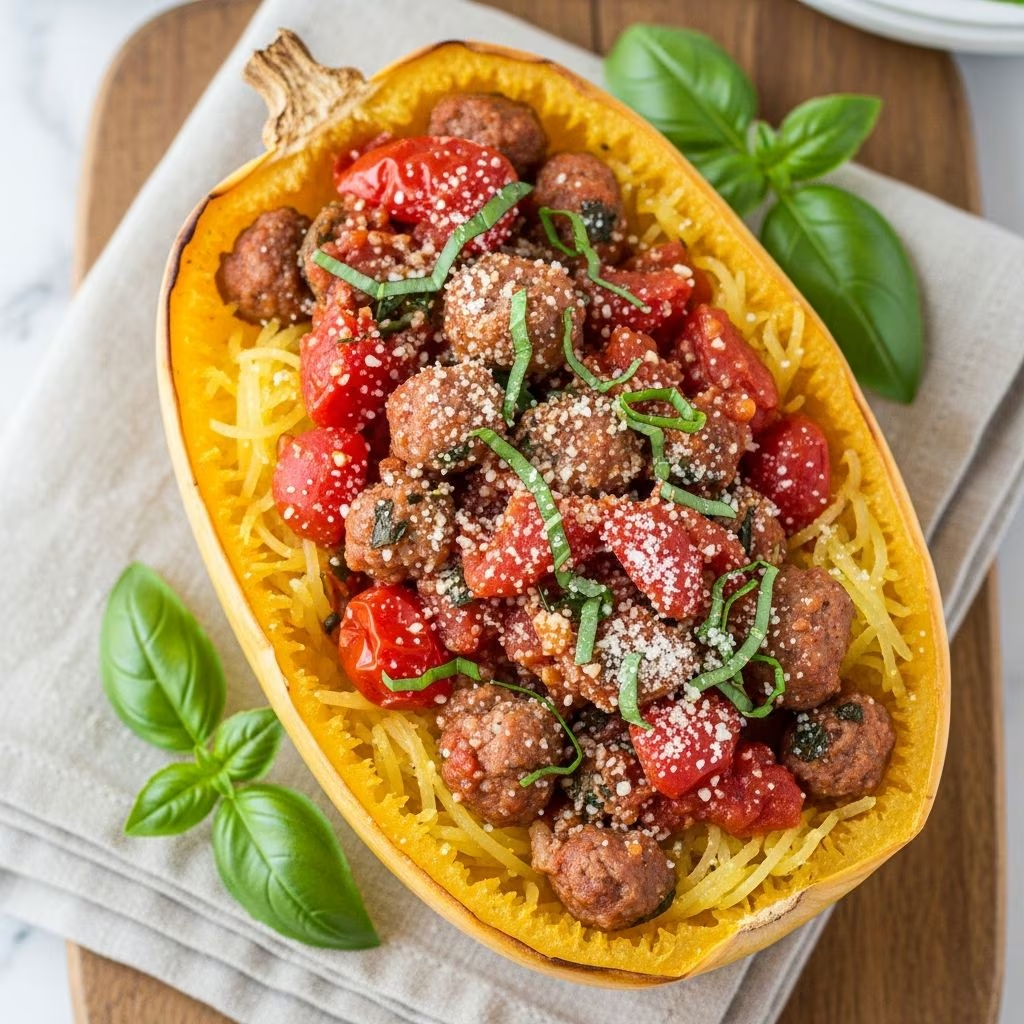
Spaghetti squash has become a beloved vegetable for those seeking lighter alternatives to traditional pasta dishes. When combined with Italian sausage, garlic, and complementary seasonings, this humble vegetable transforms into a satisfying and nutritious meal that appeals to families across all dietary preferences. Whether you’re looking to reduce carbohydrate intake, explore new cooking techniques, or simply enjoy a delicious weeknight dinner, Italian sausage spaghetti squash offers an accessible and rewarding cooking experience.
Understanding Spaghetti Squash as a Base Ingredient
Spaghetti squash stands out among winter squashes due to its unique texture and versatility. When roasted or cooked, the flesh naturally separates into thin, noodle-like strands that mimic the appearance and mouthfeel of traditional pasta. This characteristic makes it an ideal foundation for Italian-inspired dishes. The mild, slightly sweet flavor of the squash provides a neutral canvas that allows savory ingredients like Italian sausage, herbs, and cheese to shine. Unlike some vegetable-based pasta alternatives, spaghetti squash maintains structural integrity during cooking, preventing it from becoming mushy or overly soft.
Selecting the right spaghetti squash ensures optimal cooking results. Medium-sized squashes, typically weighing between two and two and a half pounds, cook more evenly than very large ones and yield appropriate portion sizes for most households. When shopping, choose squashes with firm skin free from soft spots or discoloration. The stem should feel dry and woody rather than fresh or damp, indicating proper maturation.
Preparing the Spaghetti Squash Foundation
The preparation phase sets the stage for successful cooking. Begin by rinsing the squash thoroughly under cool running water and patting it dry with a clean kitchen towel. Safety is paramount when working with whole squashes. If you anticipate difficulty cutting through the rind, microwaving the intact squash for five to ten minutes before slicing softens the exterior, making the cutting process safer and easier. Create several strategic slits along the line where you intend to make your lengthwise cut to facilitate more controlled slicing.
Using a sharp chef’s knife, carefully cut the squash in half lengthwise from the stem end to the opposite end. This orientation provides better stability and control compared to attempting a crosswise cut. Once halved, use a sturdy spoon or melon baller to scoop out the seeds and fibrous interior material. This step is crucial for preventing these elements from remaining in the finished dish.
Preparing the cut surfaces enhances flavor development during roasting. Lightly brush the interior cavity and outer edges of each squash half with olive oil, then generously season with kosher salt and freshly ground black pepper. This seasoning directly contacts the flesh during cooking, creating a flavorful foundation that complements the sausage filling.
The Roasting Process for Optimal Texture
Roasting transforms raw squash into tender strands while developing subtle caramelization on the outer surfaces. Arrange prepared squash halves on a parchment-lined or lightly oiled baking sheet with the cut sides facing downward. This positioning allows the flesh to cook gently while the exterior develops light browning.
Preheat your oven to 400°F before placing the squash inside. Depending on the size of your squash and the accuracy of your oven temperature, roasting typically requires thirty to forty minutes. The squash is fully cooked when a fork easily pierces the flesh and the interior feels tender throughout. Begin checking doneness around the twenty-five-minute mark to prevent overcooking, which can result in mushy, overly soft texture.
While the squash roasts, you can prepare the sausage mixture, making efficient use of your cooking time. Remove the baking sheet from the oven and carefully flip the cooked squash halves to rest cut-side up. Allow them to cool slightly before proceeding, as this prevents burns when handling and handling allows the flesh to firm up slightly, making it easier to work with.
Crafting the Italian Sausage Filling
The sausage mixture provides the primary flavor profile for this dish. Italian ground sausage forms the foundation, available in both sweet and spicy varieties depending on your heat preferences. Removing casings if needed creates loose crumbles that distribute evenly throughout the dish.
Begin by heating olive oil in a large skillet over medium heat. Add the crumbled sausage and cook, breaking it into small pieces with a wooden spoon or spatula, until no pink remains visible and the meat develops light browning. This typically requires five to eight minutes depending on the quantity and your stove’s heat output.
Traditional aromatics enhance the sausage’s natural flavors. Minced garlic contributes pungent notes that complement the meat’s richness, while sliced mushrooms add earthiness and umami depth. Some preparations include diced onions, which provide sweetness and additional textural variety. Cook these supporting ingredients alongside the sausage until they soften and release their moisture, typically requiring another three to five minutes.
Fresh or dried herbs amplify authentic Italian character. Italian seasoning, a convenient pre-blended option, delivers oregano, basil, and thyme in balanced proportions. Some cooks prefer Herbs de Provence or individual herbs like fresh thyme, oregano, and marjoram for more nuanced flavor control. Red pepper flakes introduce controlled heat for those enjoying spicier profiles.
Incorporating Additional Vegetables and Seasonings
Beyond the core sausage and aromatics, supplementary vegetables add nutritional value and flavor complexity. Fresh spinach wilts quickly when added to the hot sausage mixture, dramatically reducing in volume while contributing iron, vitamins, and a pleasant vegetal note. Cherry tomatoes or diced fresh tomatoes introduce brightness and acidity that balances rich meat flavors. Some recipes include roasted red peppers, poblano peppers, or bell peppers for sweetness and color variation.
Cheese serves multiple functions in the filling and topping. Mozzarella and Parmesan are traditional choices, with mozzarella melting smoothly throughout the filling while Parmesan adds nutty, complex flavors. Some preparations combine these cheeses for optimal melting and flavor development. Fresh herbs like basil or parsley can be stirred into the filling, reserved for garnish, or used in combination for layered herbal notes.
The Stuffing and Final Baking Stage
Once the sausage mixture reaches optimal consistency and flavor, divide it evenly among the four squash halves, packing it gently into the cavities. The mixture should mound slightly above the rim without falling off the edges. Top each half with shredded cheese and any reserved herbs or vegetable garnishes.
Return the stuffed squash to the oven and bake at 400°F for approximately fifteen minutes, until the cheese melts completely and begins showing light browning in spots. Some cooks prefer using the broiler for the final stage, watching carefully to prevent burning while achieving optimal cheese melting and slight charring.
Cooking Method Variations and Alternatives
While traditional oven roasting remains the most common approach, alternative cooking methods offer convenience and variety. Microwave cooking accelerates preparation time for those with limited availability. Pierce a whole squash several times with a fork, place it on a microwave-safe plate, and cook on high power for eight to twelve minutes, rotating halfway through, until the skin yields to gentle pressure. After cooling, cut and proceed with standard preparation steps.
Slow cooker preparations offer hands-off convenience, though the texture differs slightly from oven-roasted versions. Arrange squash halves in a slow cooker with the cooked sausage mixture, cover, and cook on low for six to eight hours or high for three to four hours. Cheese should be added only after cooking completes to prevent over-melting and texture degradation.
Skillet methods create hybrid preparations where squash strands mix directly with sausage and sauce rather than being stuffed. After cooking whole squash, scoop the strands into a heated skillet with the sausage mixture and sauce components, then warm through before serving.
Storage and Make-Ahead Considerations
Prepared Italian sausage spaghetti squash stores well in airtight containers for three to five days under refrigeration. The flavors often deepen and blend during storage, making leftovers particularly satisfying. Reheat gently in a 350°F oven for ten to fifteen minutes, covered with foil to prevent drying, until warmed throughout.
Freezing extends storage options significantly. Cool completely before transferring to freezer-safe containers or wrapped tightly in plastic wrap and foil. Frozen preparations maintain quality for up to two months. Thaw overnight in the refrigerator before reheating to ensure even warming and optimal texture preservation.
Flavor Profile Customization
While traditional Italian preparations provide a reliable foundation, numerous variations satisfy different palates and dietary preferences. Spicy enthusiasts can increase red pepper flakes, select hot Italian sausage, or add fresh jalapeños to the mixture. Those preferring milder profiles should opt for sweet sausage and reduce or eliminate heat-inducing ingredients.
Cream-based versions substitute marinara sauce with ricotta-based mixtures or incorporate heavy cream, half-and-half, or Greek yogurt for richness and smoothness. These preparations appeal to those seeking less acidic flavor profiles. Vegetable variations increase mushroom, spinach, or pepper quantities while reducing sausage proportions for lighter versions.
International inspirations transform the dish’s character. Mexican-influenced versions feature chorizo, poblano peppers, cilantro, and cotija cheese. Mediterranean adaptations incorporate feta cheese, kalamata olives, and fresh oregano. These variations maintain the fundamental technique while exploring different culinary traditions.
Nutritional Considerations and Health Benefits
Spaghetti squash serves as an excellent pasta replacement for those monitoring carbohydrate intake. A cup of cooked squash contains approximately eight grams of carbohydrates, compared to approximately forty grams in an equivalent portion of traditional wheat pasta. This significant difference appeals to those following low-carb or ketogenic dietary approaches.
The vegetable contributes meaningful amounts of fiber, vitamin C, and B vitamins while remaining relatively low in calories. Italian sausage provides protein and satisfying fat content that promotes satiety and supports muscle maintenance. The combination creates a nutritionally balanced meal that provides sustained energy without excessive caloric density.
Practical Tips for Success
- Invest in a sturdy vegetable peeler or serrated knife for safer squash preparation
- Pierce whole squash several times before any cooking method to prevent pressure buildup and potential rupture
- Use a meat thermometer to confirm sausage reaches 160°F internal temperature for food safety
- Drain excess fat from cooked sausage if desired, though some fat contributes valuable flavor
- Taste the sausage mixture before stuffing and adjust seasonings as needed
- Line baking sheets with parchment paper for easy cleanup and prevention of sticking
- Allow cooked squash to cool slightly before handling to prevent burns
- Use two forks to separate squash strands rather than a single utensil for better control
Frequently Asked Questions
Can I prepare spaghetti squash the day before?
Yes, roasting the squash in advance simplifies day-of preparation. Cool completely, wrap tightly, and refrigerate for up to three days. Proceed with sausage preparation and final baking when ready to serve.
What should I do if my spaghetti squash doesn’t separate into strands?
Insufficient cooking is the most common cause. Return undercooked squash to the oven for additional ten to fifteen minute increments until the flesh becomes tender enough to separate easily with fork pressure.
Can I use ground turkey or chicken instead of Italian sausage?
Absolutely. Ground turkey or chicken requires similar cooking times but may produce less fat, potentially requiring additional olive oil for flavor development. Adjust seasonings to ensure adequate flavor intensity.
How do I know when the cheese is properly melted?
The cheese should appear glossy and fluid when fully melted. If desired, brief broiler exposure creates golden-brown spots. Watch carefully to prevent burning.
Can this dish accommodate dietary restrictions?
Yes, the recipe easily adapts for various needs. Use dairy-free cheese for lactose-free versions, select compliant sausage varieties for different dietary approaches, and adjust vegetables based on personal preferences or allergies.
References
- Spaghetti Squash Nutritional Data and Cooking Guide — United States Department of Agriculture. 2024. https://fdc.nal.usda.gov
- Food Safety Guidelines for Ground Sausage — United States Department of Agriculture Food Safety and Inspection Service. 2024. https://www.fsis.usda.gov/food-safety
- Italian Sausage Stuffed Spaghetti Squash with Spinach and Tomatoes — Julia’s Album. Accessed 2026. https://juliasalbum.com/sausage-stuffed-spaghetti-squash/