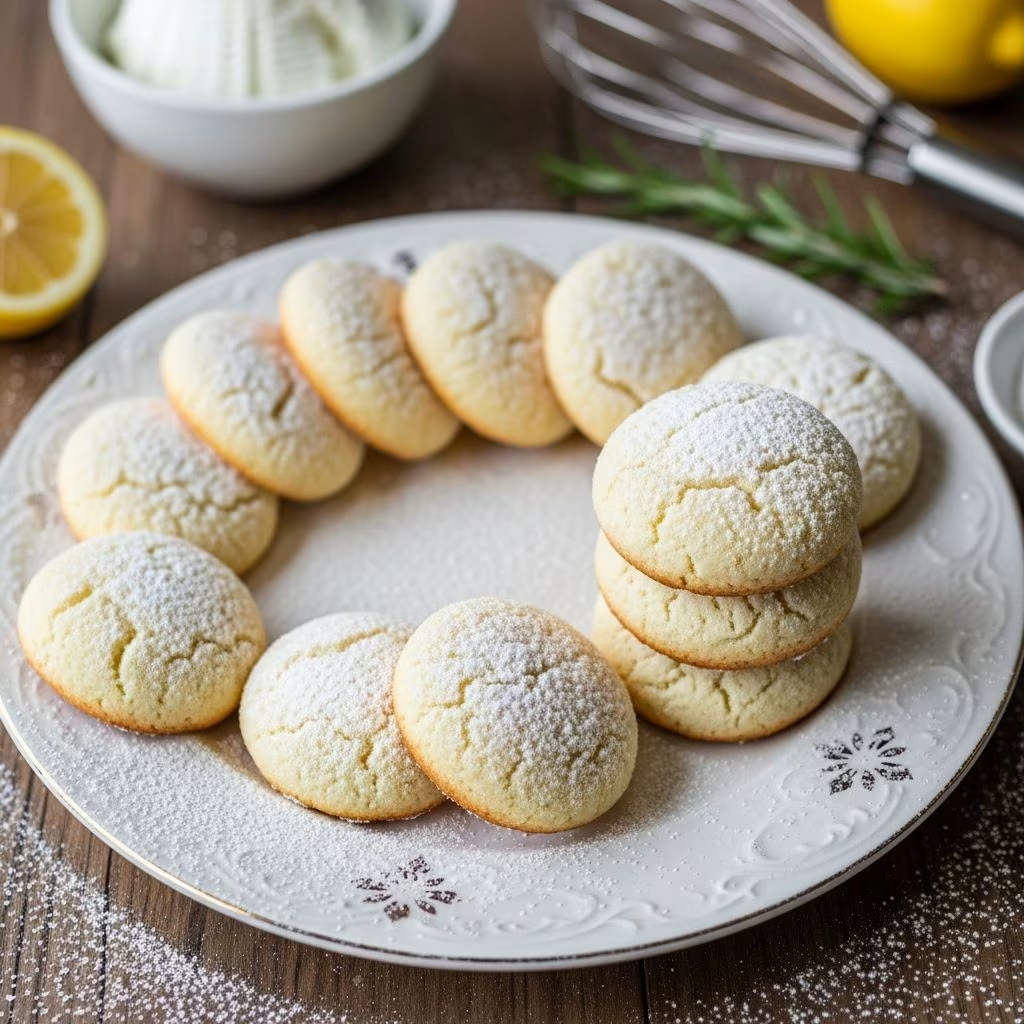
Italian ricotta cookies represent a cherished tradition in pastry-making, celebrated for their distinctive soft texture and subtle richness. These delicate treats combine the mild tanginess of ricotta cheese with aromatic extracts and bright citrus notes, creating a cookie that melts gently on the tongue. Whether you’re preparing for a festive gathering or simply craving a homemade indulgence, understanding the fundamentals of ricotta cookie preparation will elevate your baking skills and impress everyone at your table.
Understanding the Essential Ingredients
The foundation of exceptional ricotta cookies relies on quality ingredients that work harmoniously together. Each component serves a specific purpose in creating the signature texture and flavor profile that distinguishes these cookies from standard varieties.
The Role of Ricotta Cheese
Ricotta cheese functions as the star ingredient, providing moisture and a subtle tangy undertone that distinguishes these cookies from butter-based alternatives. Full-fat whole milk ricotta produces superior results compared to low-fat varieties, as the higher fat content contributes to a creamier crumb structure. One pound of ricotta typically yields approximately two cups of cheese, though measurements may vary depending on the brand and moisture content. Before incorporating ricotta into your dough, drain any excess liquid that may accumulate at the bottom of the container, as this prevents the batter from becoming overly wet and affecting the final texture.
Butter and Sugar Foundation
Softened unsalted butter, typically ranging from one-half to one full cup depending on the recipe variation, creates a tender crumb when properly creamed with granulated sugar. The combination of these two ingredients should be beaten for three to four minutes until the mixture becomes light, fluffy, and pale in color. This process incorporates air into the dough, resulting in cookies with a delicate, cake-like texture rather than dense and heavy biscuits. The ratio of butter to sugar typically ranges from 1:1 to 1:1.5, with sugar quantities varying between one to one and one-half cups.
Eggs and Flavoring Elements
Eggs act as a binding agent and contribute to the cookie’s tender structure, with most recipes calling for two to three large eggs. Vanilla extract, ranging from two teaspoons to two tablespoons depending on recipe size, provides a warm aromatic foundation. Additional flavor extracts such as almond or anise add complexity and authenticity to the traditional Italian profile. Lemon zest and juice bring brightness and acidity, cutting through the richness of the butter and ricotta while providing a refreshing counterpoint.
Preparing Your Ingredients for Success
Proper ingredient preparation significantly impacts the final outcome of your baking endeavor. Taking time to organize and prepare each component before mixing ensures a smoother process and more consistent results.
Temperature Considerations
Softened butter should be at room temperature, approximately 65 to 75 degrees Fahrenheit. If your butter remains too cold, it won’t cream properly, resulting in a dense dough. To accelerate the softening process, remove butter from the refrigerator one to two hours before baking and place it near a heat source such as a running dishwasher, active oven, or brewing coffee maker. This gentle warmth gradually softens the butter without creating a puddle of melted dairy.
Moisture Management
Ricotta cheese often contains excess moisture that can compromise your dough’s consistency. Before measuring and adding ricotta to your mixing bowl, place it in a fine-mesh strainer lined with cheesecloth or a coffee filter for fifteen to thirty minutes, allowing gravity to drain away excess liquid. This simple step prevents a batter that spreads excessively during baking or yields cookies with an overly dense interior.
Zest Preparation
When using fresh lemon or citrus zest, apply steady pressure with a microplane or box grater to extract only the colored outer layer, avoiding the bitter white pith beneath. Fresh zest contributes more vibrant flavor than bottled alternatives and adds pleasant texture variations throughout the cookie.
The Mixing Method: Technique Matters
The sequence and manner in which ingredients are combined directly influences the texture, spread, and overall quality of finished cookies.
Step-by-Step Mixing Process
Begin by creaming softened butter and granulated sugar together using an electric mixer on medium to medium-high speed for three to four minutes until the mixture transforms into a light, fluffy, and pale mass. This crucial step incorporates air throughout the butter, creating lift and tenderness in the final cookie. Pause occasionally to scrape down the sides and bottom of your mixing bowl, ensuring all butter particles are fully incorporated.
Next, add one egg at a time if your recipe calls for multiple eggs, beating well after each addition to fully combine. Then introduce your drained ricotta cheese, mixing until smooth and evenly distributed throughout the batter. Add your chosen extracts and any citrus zest or juice at this stage, mixing until all wet ingredients are fully incorporated.
In a separate bowl, whisk together your dry ingredients: all-purpose flour, baking powder, and salt. The typical flour quantity ranges from three to four cups, with baking powder usually measuring one teaspoon. Gradually fold the dry ingredients into the wet mixture, mixing on the lowest speed setting just until the ingredients combine. Overmixing at this stage develops gluten strands, resulting in tough, chewy cookies rather than tender, delicate treats.
Dough Chilling Benefits
After mixing is complete, cover your dough with plastic wrap or transfer it to a sealed container and refrigerate for at least thirty minutes. This resting period allows the flour to fully hydrate, helps flavors meld together, and prevents excessive spreading during baking. Many bakers prefer chilling dough for several hours or even overnight, as this extended rest produces superior results and more manageable dough that’s easier to portion.
Shaping, Portioning, and Baking
Proper portioning and baking technique ensure consistent, evenly-cooked cookies with ideal texture and appearance.
Forming Cookie Portions
Once your dough has adequately chilled, preheat your oven to 350 degrees Fahrenheit and line baking sheets with parchment paper or silicone baking mats. Using a cookie scoop or two spoons, portion dough into rounded mounds approximately one and one-half inches in diameter, spacing them about two inches apart to allow for modest spreading. Some bakers prefer rolling dough balls in granulated sugar before placing them on the baking sheet, creating an attractive sparkly exterior.
Baking Guidelines
Bake for twelve to fifteen minutes until the cookies are very lightly golden around the edges while the centers remain pale and slightly underbaked. The cookies will continue cooking slightly on the hot baking sheet after removal from the oven. Avoid overbaking, as this results in dry, crumbly cookies rather than the soft, tender texture characteristic of authentic Italian ricotta cookies. Allow cookies to cool on the baking sheet for three to five minutes before transferring to a wire cooling rack.
Creating the Perfect Glaze Finish
A simple glaze transforms plain baked cookies into elegant finished treats suitable for gifting or special occasions.
Basic Glaze Formula
Combine two cups of powdered sugar with two to three tablespoons of whole milk, one-half teaspoon of almond or anise extract, and a pinch of salt in a medium bowl. Whisk until the mixture reaches a consistency similar to thick paint—thick enough to coat the back of a spoon but thin enough to spread easily over cookie surfaces. If your glaze becomes too thick, add milk one-half teaspoon at a time; if too thin, add additional powdered sugar in small increments.
Application and Decoration
Once cookies have cooled completely, dip the top of each cookie into the glaze or use a small offset spatula to spread glaze evenly across the surface. While the glaze remains wet, add decorative nonpareils, sprinkles, or colored sugar if desired. Allow the glaze to set at room temperature for thirty minutes before serving or storing.
Flavor Variations to Explore
While traditional ricotta cookies feature lemon and almond, numerous variations accommodate different preferences and seasonal considerations.
Citrus-Inspired Options
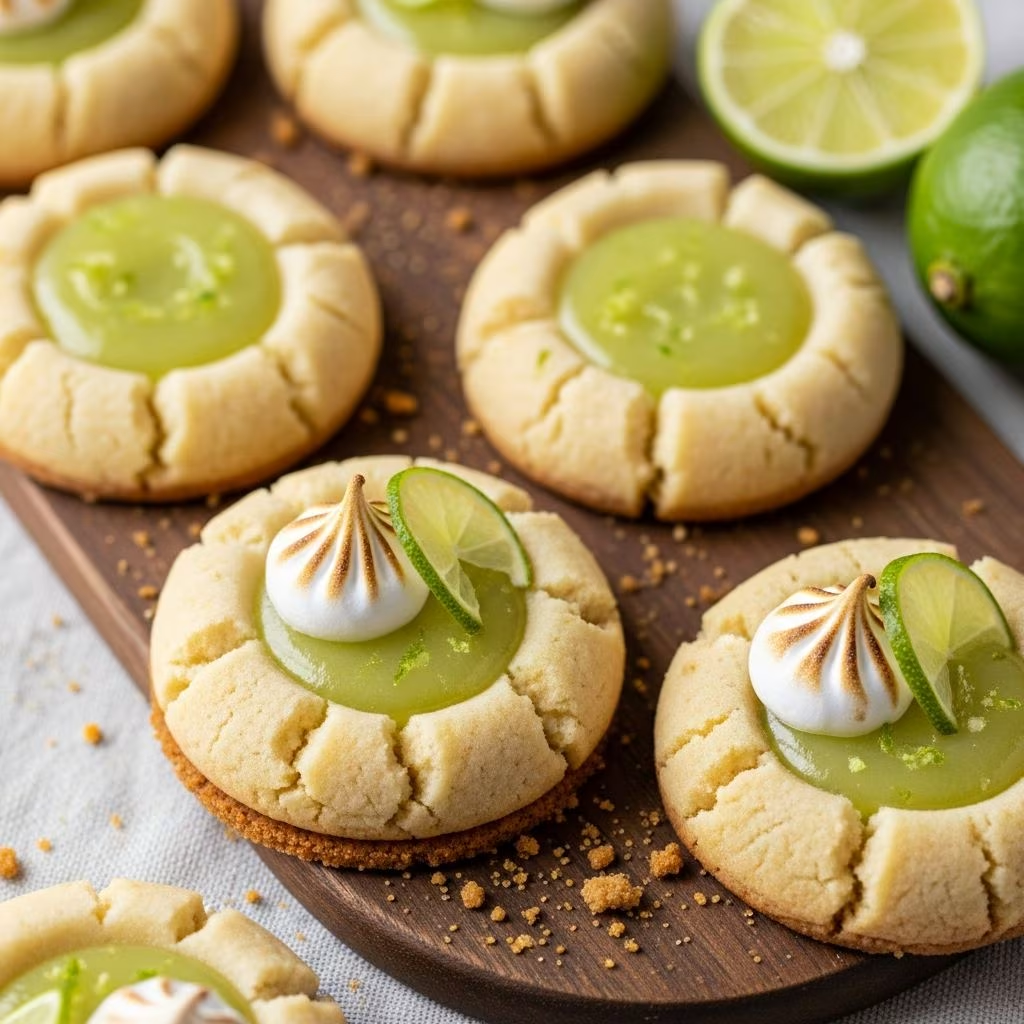
Substitute lemon with orange or lime zest and juice for a different citrus profile. You may also combine two citrus varieties for a more complex flavor dimension. Some bakers add a small amount of cardamom or nutmeg to complement the citrus notes.
Extract and Spice Variations
Replace almond extract with rum extract for a sophisticated twist, or incorporate anise extract for a traditional Italian bakery flavor. For chocolate-lovers, fold in mini chocolate chips after the dry ingredients are mixed in. Ground cinnamon, ginger, or cloves provide warm spice notes that pair beautifully with ricotta’s mild tang.
Mix-In Possibilities
Chopped pistachios, toasted pine nuts, or candied citrus peel add texture and visual interest. White chocolate chips or chunks provide sweetness and richness, while dried cranberries or cherries offer bright pops of color and tartness.
Storage and Shelf Life
Proper storage extends the enjoyment of your homemade cookies.
- Room Temperature Storage: Keep baked and glazed cookies in an airtight container for up to five days. Place parchment paper between layers to prevent sticking.
- Refrigeration: Cookies may be stored in the refrigerator for up to one week, where they maintain their soft texture and fresh flavor.
- Freezing Unbaked Dough: Portion dough into balls, freeze on a baking sheet, then transfer to freezer bags. Bake directly from frozen, adding one to two minutes to baking time.
- Freezing Baked Cookies: Cool completely before transferring to freezer-safe containers. Baked cookies freeze well for up to three months. Thaw at room temperature before serving.
Troubleshooting Common Issues
Understanding potential problems and their solutions ensures successful baking experiences.
| Problem | Likely Cause | Solution |
|---|---|---|
| Cookies spread excessively | Dough too warm or ricotta too moist | Drain ricotta thoroughly and chill dough longer before baking |
| Cookies turn out dense and dry | Overmixing or overbaking | Mix only until ingredients combine; remove from oven when edges are golden but centers remain pale |
| Cookies lack flavor | Insufficient extracts or zest | Increase extract quantities slightly or use fresh zest instead of bottled alternatives |
| Uneven browning | Oven hot spots or inconsistent oven temperature | Rotate baking sheet halfway through baking; invest in an oven thermometer |
| Glaze won’t set | Too much liquid in glaze | Add more powdered sugar to achieve thicker consistency |
Frequently Asked Questions
Can I use low-fat ricotta cheese?
While low-fat ricotta technically works, full-fat whole milk ricotta produces superior texture and richer flavor. The higher fat content contributes to the desired tender, moist crumb characteristic of authentic Italian ricotta cookies.
What’s the difference between ricotta cookies and cannoli?
Ricotta cookies are soft, cake-like cookies flavored with ricotta, while cannoli consist of crispy pastry shells filled with ricotta-based cream filling. The preparation methods, textures, and presentation differ significantly between these two Italian treats.
How do I prevent my cookies from spreading too much?
Thoroughly drain excess moisture from ricotta, chill dough for at least thirty minutes before baking, and avoid overbaking. Using parchment paper or silicone mats rather than greased baking sheets also helps minimize spreading.
Can I substitute vanilla extract with almond extract?
Yes, you may replace vanilla with almond extract or use a combination of both. Start with three-quarters of the recommended vanilla amount and adjust according to your taste preference.
How long do ricotta cookies stay fresh?
Properly stored ricotta cookies maintain quality for three to five days at room temperature in an airtight container. Refrigerated cookies remain fresh for up to one week.
Baking Tips for Perfect Results
- Invest in an oven thermometer to ensure accurate baking temperatures
- Use room-temperature ingredients for better mixing and consistency
- Don’t skip the creaming step—this creates essential air in your dough
- Measure flour by spooning into a measuring cup and leveling with a knife rather than scooping directly from the bag
- Chill dough even if not specifically called for in the recipe
- Remove cookies from the oven slightly underbaked—they continue cooking on the hot pan
Conclusion
Italian ricotta cookies represent an accessible yet impressive baking project that yields professional-quality results with proper technique and attention to detail. By understanding the purpose of each ingredient, following precise mixing methods, and respecting proper baking temperatures and times, home bakers can create tender, flavorful cookies that rival those from traditional Italian bakeries. Whether you embrace classic lemon and almond flavors or explore creative variations, mastering ricotta cookie preparation opens doors to countless delicious possibilities. These versatile treats suit everyday enjoyment, holiday gift-giving, or special occasion serving, making them a valuable addition to any baker’s repertoire.
References
- Italian Ricotta Cookies — My Sequined Life. Accessed 2026. https://www.mysequinedlife.com/italian-ricotta-cookies/
- Italian Ricotta Cookies: How to Make the Best — Modern Honey. Accessed 2026. https://www.modernhoney.com/italian-ricotta-cookies/
- Angela’s Ricotta Cookies Recipe — Feeling Foodish. Accessed 2026. https://feelingfoodish.com/ricotta-cookies/