Understanding This Timeless Italian Comfort Dish
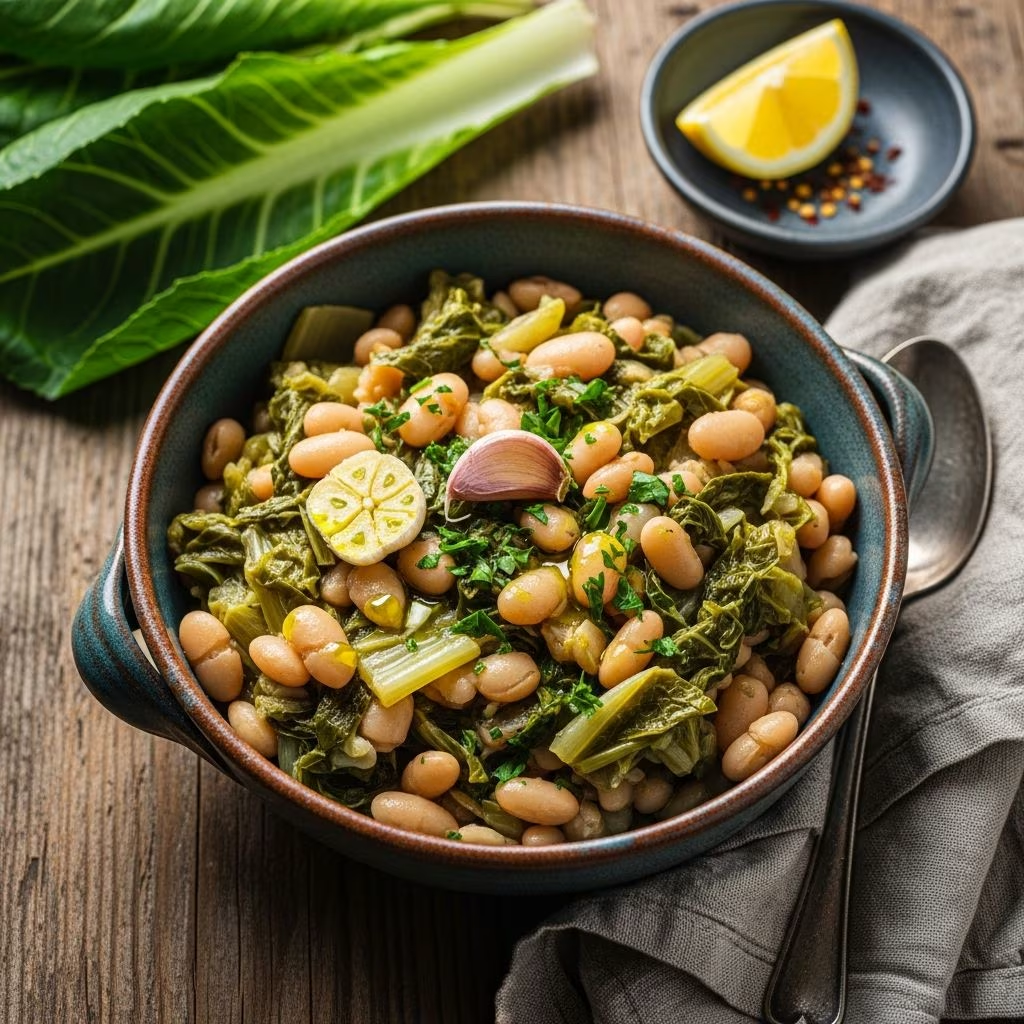
The combination of braised leafy greens with legumes represents one of the most enduring culinary traditions in Italian and Italian-American households. This humble preparation transforms simple pantry staples into a deeply satisfying meal that nourishes both body and spirit. The dish gained particular prominence in Italian-American communities, where resourceful cooks created economical yet flavorful meals from affordable ingredients readily available in local markets.
What makes this preparation remarkable is its versatility—it can serve as a hearty appetizer, a substantial side dish, or a complete main course depending on portion size and accompaniments. The balance of bitter greens against creamy beans creates a textural and flavor contrast that reveals new dimensions with each spoonful, while the aromatic base of garlic and olive oil ties everything together seamlessly.
Selecting Your Core Ingredients
Choosing Quality Escarole
Escarole belongs to the chicory family and offers a pleasantly bitter flavor profile that becomes milder when cooked. When shopping for escarole, look for heads with crisp, vibrant green leaves free from yellowing, wilting, or brown spots. A single large head typically weighs around one pound, though many recipes call for two heads to create a more substantial dish. The outer leaves tend to be more robust and fibrous, while inner leaves are more tender—many cooks prefer using the inner portions for their refined texture, reserving outer leaves for stocks or composting.
Before cooking, thorough washing is essential, as escarole grows in layers where soil and grit can become trapped. Submerge the entire head in cool water, gently separating the leaves to allow water to penetrate between layers. Repeat this process at least twice, often three times, until the final rinsing water runs completely clear. Pat the cleaned leaves dry with paper towels or spin them in a salad spinner before chopping.
White Beans: Fresh or Canned
Cannellini and great northern beans serve as the traditional legume base for this dish. Each offers slightly different characteristics: cannellini beans are somewhat larger and possess a slightly creamier texture when cooked, while great northern beans are smaller with a firmer bite that holds its shape better during cooking.
Dried beans require advance planning, as they benefit from an eight-hour or overnight soak in cool water before cooking. This soaking process reduces cooking time and helps eliminate some of the compounds that can cause digestive discomfort. After soaking, drain the beans thoroughly and cook them with aromatic vegetables like carrots, onions studded with whole cloves, and bay leaves to build foundational flavor.
For convenience, canned cannellini beans offer a practical alternative, though many cooks prefer the superior flavor and texture developed when cooking dried beans from scratch. When using canned beans, select varieties packed in water rather than heavy syrups, and retain the liquid in the can, as this starchy water enriches the broth and creates the characteristic creamy consistency prized in traditional preparations.
Aromatics and Flavor Builders
Garlic forms the aromatic backbone of this dish. Depending on your garlic preference and the specific recipe variation, you might use anywhere from three to six cloves. Some preparations call for thinly sliced garlic, while others specify minced or crushed varieties, each approach yielding slightly different flavor intensity and distribution. For milder garlic flavor, slice cloves thickly and remove them before serving. For robust garlic presence, mince finely or cook until deeply caramelized.
Red pepper flakes add warmth and subtle heat, though the amount varies according to personal tolerance. Starting with one-quarter teaspoon allows adjustment upward to taste. Some traditional recipes incorporate fennel seeds, which contribute a subtle anise-like note that complements both the greens and beans beautifully. Extra-virgin olive oil serves as both cooking medium and finishing element, so selecting a quality product worth its cost ensures superior flavor in the final dish.
Preparation Methods and Techniques
The Pre-Cooking Approach
One common method involves pre-cooking the escarole by boiling it in salted water for three to ten minutes until the leaves become bright green and tender. This preliminary step removes excess moisture and some of the bitterness, resulting in a more refined final product. After boiling, drain the escarole thoroughly and set it aside, reserving the cooking water for later use if desired—this starchy liquid can adjust the final consistency of your dish.
The Direct Cooking Method
Alternatively, some recipes combine all components directly in a single pot, allowing the escarole to wilt gradually as the dish simmers. This approach, while more straightforward, requires careful attention to prevent the greens from overcooking while ensuring adequate time for flavors to meld together. The escarole releases moisture as it cooks, creating a naturally soupy consistency that many find ideal.
Building the Flavor Foundation
Begin by heating olive oil in a large pot or skillet over medium heat. Add diced onion if using and cook gently for several minutes until the onion begins to soften and turn golden at the edges. This step develops natural sweetness through caramelization. Add your minced garlic, red pepper flakes, and any optional spices like fennel seeds, stirring constantly for approximately one minute until the mixture becomes fragrant but the garlic does not brown—burnt garlic creates bitter, unpleasant flavors that taint the entire dish.
Combining Ingredients and Building Richness
Add tomato paste if your recipe includes it, stirring thoroughly to distribute it evenly throughout the oil and aromatics. This step, sometimes called “blooming” the tomato paste, concentrates its flavor and eliminates raw tomato taste. Cook the mixture for an additional minute before introducing your broth.
Chicken or vegetable broth serves as the liquid foundation. Some cooks prefer chicken broth for its richer, more savory character, while others choose vegetable broth to keep the dish entirely plant-based. Pour approximately four to six cups of broth into the pot, adjusting the amount based on your preferred consistency—less broth creates a thicker, more stew-like dish, while additional broth yields a brothier, soup-like result.
Add your beans along with their canning liquid or cooking water, stirring to combine. If using pre-cooked escarole, add it now and allow everything to simmer together for five to seven minutes. If cooking escarole directly in the pot, add the chopped greens and stir constantly as they wilt into the broth. Continue simmering until the escarole reaches desired tenderness, typically five to ten minutes depending on how finely you chopped the leaves.
Seasoning and Finishing Touches
Taste your creation before finalizing seasoning. The broth should taste rich and well-seasoned without overwhelming salt. Adjust with kosher salt and freshly ground black pepper as needed. Remember that some saltiness concentrates as liquid reduces during cooking, so season conservatively and taste again before adding more.
Just before serving, drizzle each portion with additional extra-virgin olive oil, which adds glossy richness and brightens flavors. Grated Pecorino Romano or Parmigiano-Reggiano cheese provides salty, umami depth that transforms the dish. Some diners enjoy additional red pepper flakes sprinkled on top for personalized heat levels.
Serving Suggestions and Pairings
This dish reaches its full potential when served in shallow bowls with crusty Italian bread nearby. The bread serves multiple purposes: diners can tear pieces and drop them directly into the broth, or hold slices under bowls to catch drippings. Some traditional preparations suggest spooning the dish directly over bread slices in the bowl before adding broth.
As a main course, this preparation serves four to six people depending on portion size and appetite. When served as a side dish or appetizer, portions stretch further. The dish improves with time as flavors continue developing, making it excellent for advance preparation. Refrigerate in airtight containers for up to four days, and gently reheat on the stovetop, adding water or broth as needed to restore desired consistency.
Variations and Creative Adaptations
Adding Proteins
While vegetarian preparations remain traditional, many families add Italian sausage to create a more substantial meal. Crumbled cooked sausage stirred into the finished dish adds richness and protein, transforming it from a side dish into a complete one-pot dinner. Some cooks remove sausage casings and brown the meat before adding other ingredients, allowing the rendered fat to contribute to the base flavor.
Ingredient Flexibility
While cannellini beans remain the classic choice, great northern beans, kidney beans, or even chickpeas offer interesting alternatives with slightly different flavor and texture profiles. Some regional preparations incorporate other greens like kale, spinach, or chard when escarole proves unavailable. These substitutions work beautifully while maintaining the dish’s essential character.
Nutritional Considerations
This dish delivers substantial nutritional benefits. White beans provide plant-based protein, dietary fiber, and important minerals including iron and magnesium. Escarole contributes vitamins A, K, and C alongside beneficial phytonutrients. Olive oil provides heart-healthy monounsaturated fats. The combination creates a well-rounded, nutrient-dense meal that satisfies without excess calories.
Frequently Asked Questions
Can I prepare this dish in advance?
Yes, this dish actually improves with time as flavors continue melding. Prepare up to four days ahead and refrigerate in airtight containers. Reheat gently on the stovetop, adding broth or water as needed to restore desired consistency.
Is this dish suitable for freezing?
While technically freezable, the escarole texture becomes somewhat mushy after thawing. Consider freezing only the cooked beans portion separately, then adding fresh escarole when reheating for superior results.
How do I reduce the bitterness of escarole?
Pre-boiling the escarole before adding it to the final dish significantly reduces bitterness. Additionally, cooking the greens longer mellows their flavor. Some cooks blanch escarole twice, changing the water between blanches.
Can I use dried beans instead of canned?
Absolutely. Dried beans offer superior flavor and texture. Soak overnight, then simmer with aromatics until tender before adding to the final dish. This requires advance planning but yields noticeably better results.
What consistency should the final dish have?
This dish occupies the middle ground between soup and stew. It should have enough broth to spoon into bowls yet remain thick enough that beans and greens don’t simply float in liquid. Adjust by adding more broth for a soupier texture or cooking uncovered longer to reduce liquid.
References
- White Beans and Legumes: Nutritional Composition and Health Benefits — USDA FoodData Central. 2024. https://fdc.nal.usda.gov
- Leafy Greens and Micronutrient Content: Escarole and Chicory Family — NIH National Library of Medicine. 2023. https://pubmed.ncbi.nlm.nih.gov
- Olive Oil and Mediterranean Diet Components — American Heart Association. 2024. https://www.heart.org
- Italian American Cuisine and Food Traditions — Smithsonian Magazine Food and Culture. 2023. https://www.si.edu