Parchment paper serves as a versatile kitchen essential, prized for its nonstick qualities and heat resistance during baking. But when transferred to a skillet on the stovetop, questions arise about its safety. This guide delves into the practicalities, potential dangers, and expert recommendations for using it effectively without compromising your kitchen or health.
Understanding Parchment Paper’s Composition and Heat Tolerance
At its core, parchment paper starts as paper derived from wood pulp or cotton fibers. Manufacturers treat it with processes that enhance durability, often applying a silicone coating for nonstick properties and even heat distribution. This treatment allows it to handle temperatures typically up to 420-450°F, making it suitable for many oven tasks.
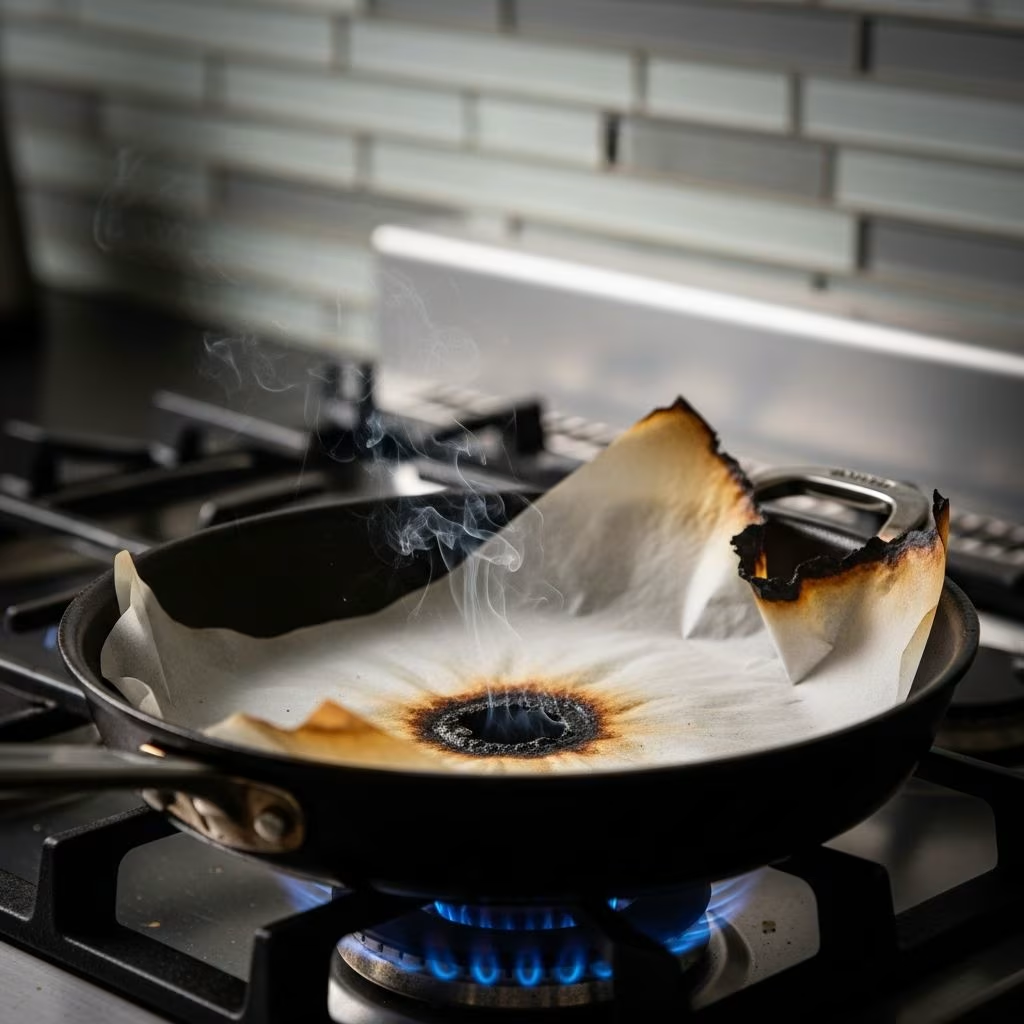
Silicone, a food-safe polymer, prevents sticking and resists oils, which is why home cooks love it for lining trays or wrapping foods. However, stovetop use introduces direct flame proximity and rapid heating, pushing these materials closer to their limits. Packages specify maximum temperatures, but exceeding 500°F—common in high-heat searing—raises fire risks, especially in cast iron pans that can soar past 650°F.
- Silicone-coated varieties: Most common, safe up to labeled limits, provide excellent release.
- Unbleached options: Avoid chlorine processing, reducing potential dioxin traces at high heat.
- Uncoated types: Basic sulfurized paper, reusable, free from modern chemical additives.
Key Risks of Stovetop Application
While convenient for reducing oil and simplifying cleanup, parchment in skillets isn’t foolproof. Its flammability demands vigilance. Overhanging edges near gas flames can ignite quickly, and small pieces may degrade faster under intense localized heat.
Health concerns center on coatings. Traditional silicone is non-toxic within bounds, but some brands incorporate PFAS—per- and polyfluoroalkyl substances—for superior grease resistance. These “forever chemicals” persist in the environment and may migrate into food under heat, linking to broader health debates.
| Risk Factor | Description | Prevention |
|---|---|---|
| Fire Hazard | Exceeding 450°F or contact with open flame | Trim to fit pan precisely; use thermometer |
| Chemical Leaching | PFAS or dioxins from bleached/coated paper | Choose PFAS-free, unbleached brands |
| Tearing | Sharp tools puncture, causing oil splatter | Use silicone utensils; gentle flipping |
| Overheating | Cast iron retains extreme heat | Preheat gradually; monitor closely |
Bleached parchment might release minute dioxins when overheated, though food-grade silicone versions minimize this. Opt for transparent labeling to ensure compliance with safety standards.
Step-by-Step Safe Usage Instructions
To harness parchment’s benefits on the stovetop, follow these protocols for eggs, bacon, hash browns, or reheated leftovers.
- Select appropriate paper: Verify food-safe, oven-rated product with clear temp specs. Prioritize unbleached or PFAS-free.
- Prepare the piece: Cut a circle or square matching skillet dimensions using scissors. Avoid excess to prevent curling into flames.
- Oil lightly: Brush both sides with neutral oil for double protection and even browning.
- Preheat skillet medium: Aim for 350-400°F; use infrared thermometer for accuracy.
- Place and cook: Add food immediately; flip with care using soft tools. Keep heat moderate.
- Monitor constantly: Never leave unattended; remove promptly post-cooking.
For gas stoves, position away from burners. Electric or induction offers safer indirect heat.
Ideal Recipes and Techniques for Skillet Success
Parchment shines in low-to-medium heat applications, cutting fat while delivering crisp results.
- Fried Eggs Sunny-Side Up: Perfect single layer; no sticking, easy slide-off plate.
- Crispy Hash Browns: Shredded potatoes brown evenly without mush.
- Bacon Strips: Render fat without pan scrubbing; drain excess safely.
- Seared Fish or Tofu: Gentle heat preserves moisture, flips seamlessly.
- Pizza Reheat: Revives crust without sogginess.
Experiment with cartouche method: Crumple and fit parchment over simmering sauces or braises to trap steam, preventing evaporation in stews or reductions.
Health and Environmental Considerations
Beyond immediate safety, scrutinize long-term impacts. PFAS in some parchments contaminate via leaching or disposal, accumulating in water systems. Regulatory bodies urge phase-outs, prompting brands to advertise “PFAS-free.” Uncoated parchment, like vegetable parchment, withstands reuse, slashing waste.
Silicone coatings fare well under FDA guidelines for food contact, but repeated high-heat exposure could degrade barriers. Health-focused cooks favor natural fibers, minimizing synthetic exposure. Studies link chronic PFAS to immune and developmental issues, underscoring caution.
Alternatives to Parchment for Stovetop Cooking
If risks deter you, consider these substitutes:
- Silicone Baking Mats: Reusable, cut-to-fit, identical heat tolerance.
- Well-Seasoned Cast Iron: Natural nonstick from polymerized oil.
- Stainless Steel with Oil: High smoke point fats like avocado prevent adhesion.
- Uncoated Vegetable Parchment: Basic, reusable option without extras.
Test small batches to match your setup.
Frequently Asked Questions
Can parchment paper catch fire in a skillet?
Yes, above 450-500°F or near flames; always trim and watch heat.
Is all parchment paper toxic?
No, food-grade silicone types are safe within limits; avoid PFAS-laden ones.
What’s the max temperature for stovetop use?
Stick to package specs, generally 420-450°F; measure your pan.
Can I reuse skillet parchment?
Uncoated yes, multiple times; coated no, due to leaching risks.
Does it work on induction cooktops?
Yes, even heating reduces hot spots effectively.
Choosing the Right Parchment Products
Scan for certifications: FDA-approved, PFAS-free, unbleached. Reputable makers provide temp ranges and usage tips. Store rolls away from humidity to preserve integrity.
In summary, parchment enhances skillet cooking when handled right—reducing mess, oil, and effort. Balance convenience with precautions for enjoyable, hazard-free meals.
References
- The Safest Way To Use Parchment Paper In A Skillet — Food Republic. 2024-10-15. https://www.foodrepublic.com/1657429/safe-parchment-paper-skillet/
- Guidance on Parchment Paper Safety: Is it Toxic? — Baking Forums. 2023-05-22. https://www.baking-forums.com/threads/guidance-on-parchment-paper-safety-is-it-toxic.7989/
- Is Parchment Paper Toxic? What You Need to Know — Forks Over Knives. 2024-08-10. https://www.forksoverknives.com/wellness/is-parchment-paper-toxic-what-you-need-to-know/