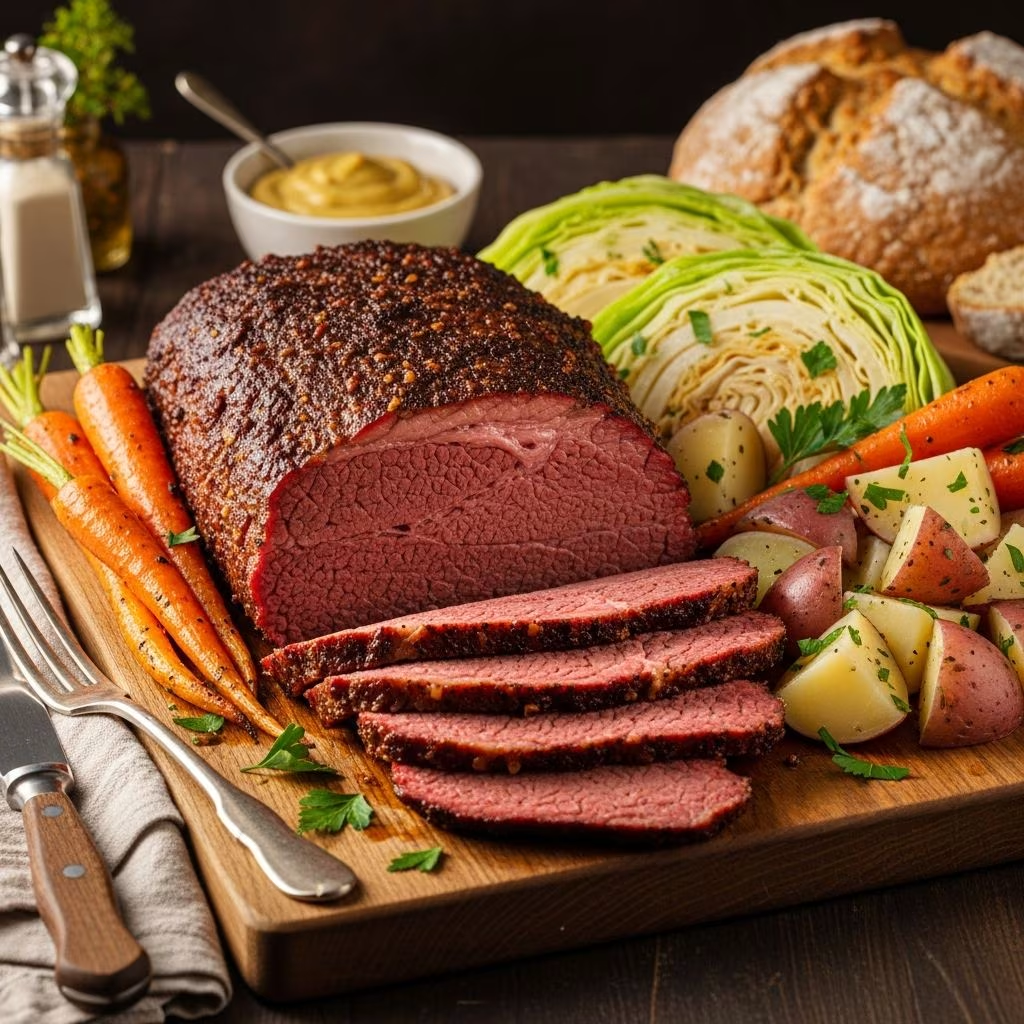
The Irish corned beef feast stands as one of the most celebrated dishes in Irish-American cuisine, particularly during festive occasions. This traditional meal combines succulent braised beef with an abundance of seasonal vegetables, creating a complete dining experience that has graced family tables for generations. Understanding the proper techniques and ingredient selections will elevate your preparation from ordinary to extraordinary.
Understanding Corned Beef and Its Culinary Heritage
Corned beef represents a preservation method dating back centuries, where beef was cured in salt brine to extend its shelf life before modern refrigeration. The term “corned” refers not to the grain cereal, but rather to the large grains of salt historically used in the curing process. Today’s corned beef maintains this traditional preparation method, arriving at the grocery store already cured and ready for cooking.
Selecting the right cut of corned beef is fundamental to your feast’s success. The brisket remains the traditional choice, though two distinct cuts are available. The flat cut offers leaner meat with more consistent slicing qualities, while the point cut contains more marbling and fat, resulting in a more tender and flavorful final product. For a feast serving multiple guests, plan approximately one pound of corned beef per person to ensure adequate portions alongside vegetables.
Essential Ingredients for Your Feast Preparation
Beyond the corned beef brisket itself, your feast requires a thoughtful selection of complementary ingredients:
- Fresh green cabbage, cut into thick wedges for optimal texture and appearance
- Root vegetables including carrots and potatoes for nutritional balance and traditional presentation
- Aromatic vegetables such as onions and garlic for depth of flavor
- Whole spices including bay leaves, peppercorns, and allspice berries for complexity
- Optional beer or wine to enhance the braising liquid’s richness
- Herbs and seasoning blends for final flavor adjustments
- Quality butter for finishing touches and vegetable preparation
The Foundation: Proper Rinsing and Preparation
Before beginning the cooking process, thoroughly rinsing your corned beef under cold running water proves essential. This step removes excess surface salt from the curing brine, preventing an overly salty final dish. Place the meat in a colander and allow water to run across all surfaces for several minutes. This simple but crucial preparation significantly impacts the finished dish’s flavor profile and overall palatability.
The Braising Process: Low and Slow Excellence
The braising method forms the cornerstone of authentic corned beef preparation. Begin by placing your rinsed corned beef in a large, heavy-bottomed Dutch oven, adding sufficient cold water to cover the meat completely. Bring the pot to a boil without a lid, allowing scum and impurities to rise to the surface. Skim this foam away with a large spoon, repeating several times until the liquid runs relatively clear.
Once the initial skimming phase concludes, add your aromatic elements and spices directly to the liquid. Traditional additions include whole bay leaves, black peppercorns, and allspice berries. Cover the pot securely and reduce heat to maintain a gentle simmer. The meat should cook undisturbed for approximately three to five hours, depending on its size and thickness. The brisket reaches optimal tenderness when a fork easily pierces the thickest portions without resistance.
Many contemporary preparations incorporate beer into the braising liquid, typically added halfway through cooking. Dark beer varieties complement the beef’s rich flavors and add subtle complexity to the overall dish. Wine alternatives, such as red wine or beef broth, provide equally satisfying results for those preferring non-alcoholic options.
Strategic Vegetable Addition for Optimal Texture
Timing vegetable additions ensures each component reaches perfect doneness simultaneously. Harder vegetables like potatoes and carrots require longer cooking and should enter the pot approximately one hour before the meat finishes. Root vegetables develop tender interiors while maintaining structural integrity when given adequate time.
Cabbage and softer vegetables need considerably less time and should be added during the final thirty minutes of cooking. This approach prevents these vegetables from becoming mushy or losing their appealing color and texture. Onions studded with whole cloves contribute aromatic depth and can be added simultaneously with the harder root vegetables.
Creating Complementary Sauce and Finishing Elements
The cooking liquid that remains after the meat and vegetables finish cooking serves as the foundation for an excellent serving sauce. Remove the meat and vegetables with a slotted spoon, transferring them to a warm serving platter. Bring the remaining braising liquid to a rapid boil and allow it to reduce by approximately half, concentrating flavors and creating a more robust sauce.
Traditional condiments accompany the feast beautifully. Horseradish cream made from sour cream combined with prepared horseradish adds sharp, pungent notes that balance the beef’s richness. Mustard sauces incorporating Dijon varieties with whole grain mustard provide additional flavor complexity. Melted butter tossed with fresh parsley offers a simple yet elegant finishing touch for the vegetables.
Alternative Preparation Techniques and Variations
While stovetop braising remains the traditional method, modern cooks have adapted this classic dish to various cooking technologies. Slow cookers and instant pot methods produce equally tender results with adjusted timing. These alternative approaches suit contemporary schedules while maintaining the authentic flavors that define this beloved feast.
Creative variations on the traditional feast allow personal expression while honoring the dish’s essential character. Some cooks incorporate Irish bacon into their preparations, layering additional savory depth. Others experiment with vegetable combinations, substituting parsnips or turnips for conventional carrots, creating subtle flavor variations that reflect personal preferences and available ingredients.
Serving Suggestions and Table Presentation
Professional presentation elevates your feast from home cooking to restaurant-quality dining. Arrange the sliced corned beef in the center of a large platter, surrounded by the cooked vegetables arranged thoughtfully by type. Maintain the vegetables’ warmth and color by serving them while still hot from the cooking liquid.
Position sauces and condiments in separate small bowls around the main platter, allowing guests to customize their portions according to preference. Fresh herbs sprinkled across the finished plate add visual appeal and aromatic freshness. Consider warming your serving plates before plating, ensuring the feast remains at optimal temperature throughout the meal.
Beverage Pairings for Your Feast
Selecting appropriate beverages enhances the feast experience considerably. Traditional Irish stouts complement corned beef beautifully, their rich maltiness and slight bitterness balancing the meat’s savory depth. For non-alcoholic options, ginger ale or sparkling cider provide refreshing counterpoints to the hearty main course.
Wine pairings work equally well for those preferring wine service. Full-bodied red wines with moderate tannins pair successfully with the beef’s richness, while lighter reds offer less assertive options. White wine enthusiasts might consider fuller-bodied varieties or even rosé wines that provide sufficient structure to stand alongside this substantial dish.
Make-Ahead Strategies and Storage Recommendations
The beauty of this feast extends to its make-ahead capabilities. Prepare the entire dish one or two days in advance, storing the meat and vegetables together in their cooking liquid within the refrigerator. This advance preparation allows flavors to meld and intensify, often improving the final result. Reheat gently on the stovetop, bringing everything to serving temperature without aggressive boiling that might toughen the meat.
Leftover corned beef transforms beautifully into secondary dishes. Slice thin and serve cold as sandwiches with mustard and pickled vegetables. Dice and incorporate into hash preparations for breakfast service, or shred for corned beef tacos with contemporary accompaniments.
Frequently Asked Questions
How long does corned beef typically cook?
Traditional stovetop braising requires three to five hours depending on meat size. A three-pound brisket typically cooks in three to four hours, while larger pieces may require the full five hours. The meat reaches proper doneness when a fork easily penetrates the thickest portions.
Can I use a slow cooker instead of stovetop?
Yes, slow cookers work excellently for this preparation. Cook on low setting for eight to ten hours, adding vegetables according to their cooking time requirements during the final hours. The extended gentle heat produces similarly tender results.
What’s the difference between flat and point cut brisket?
Flat cut offers leaner meat with more uniform slicing capabilities, while point cut contains more marbling and fat, yielding greater tenderness and flavor. Choose based on your preference for leanness versus richness.
Should I rinse the corned beef before cooking?
Absolutely. Rinsing under cold running water removes excess curing salt, preventing an overly salty finished dish. This critical preparation step should never be skipped.
Can I make this feast vegetarian?
The traditional feast requires corned beef as its centerpiece. However, vegetarian versions featuring seasoned root vegetables and legumes can recreate similar hearty, festive meals through creative substitution.
Perfecting Your Irish Corned Beef Feast
Mastering this classic preparation requires attention to fundamental techniques rather than complicated procedures. Selecting quality ingredients, following proper braising methods, and timing vegetable additions correctly ensures success. The result justifies the effort: a memorable feast celebrating Irish culinary traditions and creating lasting dining memories for family and friends.
References
- Irish Corned Beef and Cabbage – 3 Ways — The Heritage Cook. Accessed April 2026. https://theheritagecook.com/irish-corned-beef-and-cabbage-3-ways/
- Irish Corned Beef with Cabbage Recipe — Cooking With Ruthie. 2021-03-02. https://cookingwithruthie.com/2021/03/02/irish-corned-beef-with-cabbage/
- Grandma’s Irish Corned Beef for St. Patrick’s Day — Framed Cooks. Accessed April 2026. https://www.framedcooks.com/grandmas-irish-corned-beef/
- The Best Corned Beef with Cabbage and Potatoes for St. Patrick’s Day — Wine Spectator. Accessed April 2026. https://www.winespectator.com/articles/best-corned-beef-st-patricks-day
- Corned Beef and Cabbage Recipe (Slow Cooker or Stovetop) — The Modern Proper. Accessed April 2026. https://themodernproper.com/corned-beef-and-cabbage