Irish boiled dinner represents one of the most beloved comfort meals in Irish cuisine, offering simplicity coupled with deep, satisfying flavors. This one-pot masterpiece combines tender corned beef brisket with an array of vegetables in a gentle simmer that transforms humble ingredients into an unforgettable dining experience. The beauty of this dish lies in its straightforward approach—minimal preparation combined with patient cooking yields restaurant-quality results in your own kitchen.
Understanding the Foundation of This Classic Dish
At its core, Irish boiled dinner tells a story of culinary practicality and resourcefulness. The dish gained prominence as a way to create a complete, nourishing meal using economical cuts of beef and readily available vegetables. What many don’t realize is that the magic happens during the extended cooking process, where the corned beef’s seasoning infuses into the cooking liquid, which in turn flavors the vegetables added later.
The term “boiled” might seem misleading to modern cooks accustomed to rapid cooking methods. Rather than a vigorous, rolling boil that would toughen the meat, this traditional preparation employs a gentle, controlled simmer that breaks down connective tissue and creates tender, flavorful results. This distinction separates authentic preparation from less successful attempts at recreating this dish.
Essential Ingredients and Their Roles
Creating an authentic Irish boiled dinner requires understanding how each component contributes to the final result. The primary ingredient—corned beef brisket—serves as the flavor foundation for the entire dish. A 3.5 to 4-pound brisket provides adequate portions for a family gathering and renders properly in the prescribed cooking time.
- Corned Beef Brisket: The centerpiece of the meal, containing built-in seasoning from the curing process
- Potatoes: Yukon gold or other medium-starch varieties absorb the cooking liquid while maintaining their structure
- Carrots: These contribute natural sweetness and vibrant color to the finished dish
- Cabbage: Green cabbage provides textural contrast and subtle earthiness
- Aromatics: Onions and garlic cloves lay a savory foundation during initial cooking
- Pickling Spices: These seasonings—often included in packets with packaged corned beef—provide distinctive flavor notes including peppercorns, coriander, and bay leaves
Beyond these fundamentals, creative cooks frequently incorporate additional vegetables such as turnips, rutabaga, parsnips, or brussels sprouts. These additions allow personalization while maintaining the dish’s essential character.
Critical Equipment and Preparation Steps
Success with Irish boiled dinner begins with selecting appropriate cookware. A large stockpot, ideally 6-quart capacity or larger, accommodates all ingredients with adequate space. Crowding the pot compromises the cooking process and prevents proper liquid circulation around the meat and vegetables.
Preparation requires minimal knife work, making this an accessible option for cooks at any skill level. Onions need quartering, cabbage should be cut into substantial wedges, and carrots benefit from halving after peeling. Potatoes and whole garlic cloves go directly into the pot without modification. This straightforward prep phase takes approximately 10 minutes.
The Two-Stage Cooking Method
Irish boiled dinner employs a distinctive two-stage cooking approach that ensures both meat and vegetables reach perfect tenderness simultaneously.
Initial Meat Cooking Phase
Begin by placing the corned beef brisket into the prepared stockpot alongside quartered onions and garlic cloves. If your packaged corned beef includes a seasoning packet—which most do—add this directly to the pot. Many experienced cooks enhance this foundational seasoning by adding one additional tablespoon of pickling spice, amplifying the aromatic complexity.
Cover the corned beef completely with water, ensuring several inches of liquid above the meat’s surface. This abundance of water accounts for absorption and evaporation during the extended cooking period. Bring the pot to a rolling boil over medium-high heat, then deliberately reduce the flame to maintain a gentle, steady simmer rather than a vigorous boil.
Allow the meat to cook undisturbed for approximately 2 to 2.5 hours. During this phase, the extended gentle heat breaks down the brisket’s muscle fibers and connective tissue, transforming a typically tough cut into something tender and sliceable. Periodically check the water level, adding more if the liquid drops below the meat’s surface.
Vegetable Integration Phase
After the initial cooking period, add the prepared vegetables to the pot. The sequencing matters less than ensuring adequate water covers everything. Some cooks add vegetables all at once, while others layer them strategically. Continue cooking for an additional 30 to 45 minutes, depending on vegetable size and personal preference for tenderness.
The vegetables finish cooking when potatoes yield easily to a fork and cabbage becomes silky without dissolving into the broth. This target texture demonstrates proper doneness and ensures consistent results.
Variations and Creative Adaptations
While the classical formula remains largely unchanged, regional and family traditions introduce meaningful variations. Some preparations include beer—typically lager—in place of or alongside water, adding depth and subtle sweetness to the cooking liquid. Others employ slow cookers for extended cooking times, transforming this into a convenient weeknight option when time constraints limit stovetop preparation.
Slow cooker adaptations follow similar principles but extend cooking time significantly. Place corned beef, seasoning packet, and additional pickling spices on the slow cooker’s base. Layer vegetables on top, add adequate water to cover, and cook on low for 7 to 8 hours or on high for 3 to 4 hours. This hands-off approach appeals to busy families while delivering identical flavor profiles.
Serving and Presentation Strategies
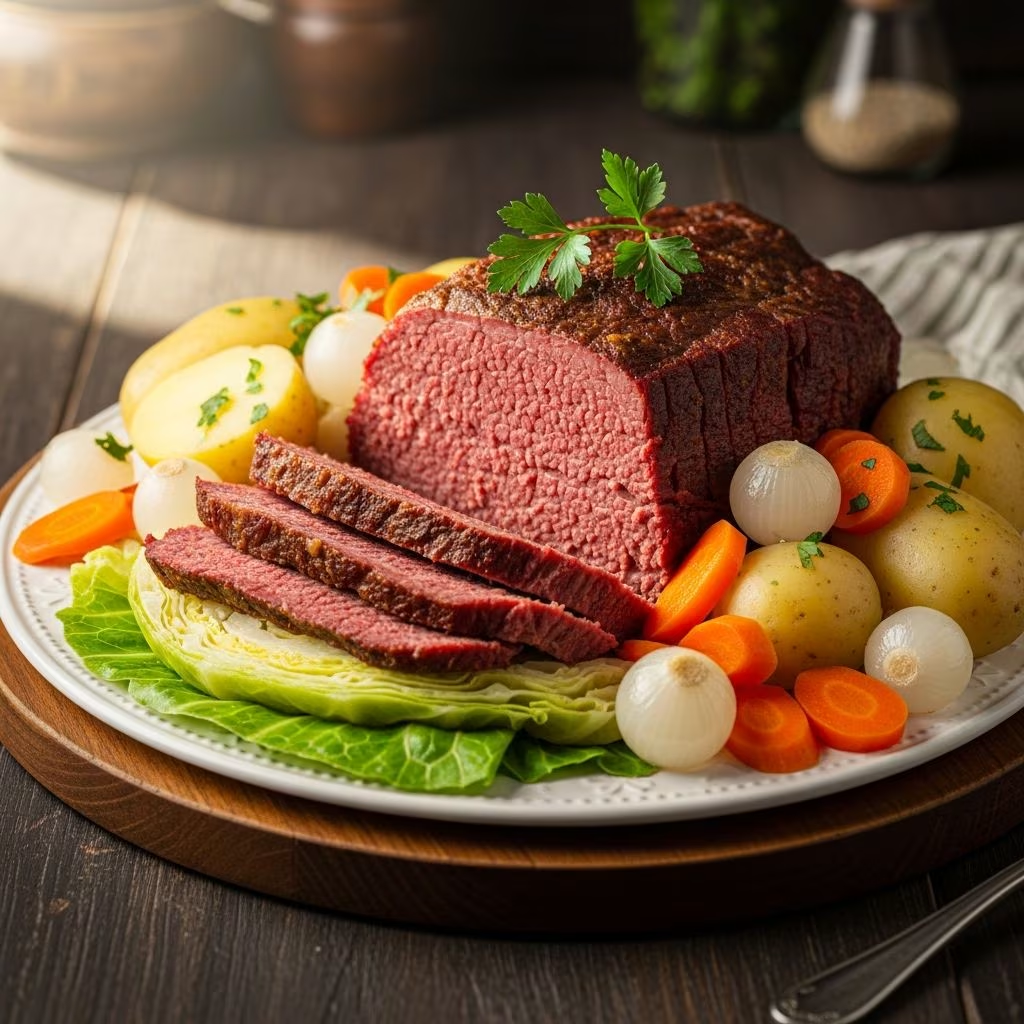
Proper presentation elevates this humble dish into something restaurant-worthy. Slice the corned beef very thin against the grain using a sharp knife—thin slicing reveals the meat’s tenderness and creates an elegant presentation. Arrange these slices on a serving platter’s center, surrounded by the cooked vegetables arranged by type.
Many cooks reserve some of the cooking liquid to serve alongside as a gravy-like accompaniment, drizzled over both meat and vegetables. This flavorful liquid represents the distilled essence of the entire dish and shouldn’t go to waste. Some households prepare horseradish cream or mustard-based sauces as complementary condiments.
Storage and Reheating Considerations
Irish boiled dinner accommodates make-ahead preparation beautifully. Store cooled leftovers in airtight containers with adequate cooking liquid for up to 4 days in the refrigerator. The flavors actually intensify over time as ingredients continue exchanging flavor compounds.
Reheating requires gentle methods that prevent the meat from toughening. Warm slowly on the stovetop using low to medium heat, or employ a microwave using 50 percent power with brief intervals. Adding a splash of water during reheating prevents drying.
Nutritional Profile and Dietary Considerations
A typical serving of Irish boiled dinner provides substantial nourishment, delivering approximately 900 calories along with significant protein from the corned beef. The vegetable components contribute dietary fiber and essential micronutrients including vitamin C from potatoes and cabbage, while carrots provide beta-carotene and potassium.
For those managing sodium intake, awareness matters since corned beef contains inherent salt from the curing process. Using the included seasoning packet judiciously and avoiding additional salt during cooking helps moderate sodium levels. Dietary modifications for allergies or restrictions prove manageable, as the basic formula accommodates numerous ingredient substitutions.
Troubleshooting Common Issues
Tough, Chewy Meat: This typically results from insufficient cooking time or heat that’s too high. Ensure adequate simmering duration and maintain consistent, gentle heat throughout.
Mushy or Disintegrating Vegetables: Over-cooking during the vegetable phase causes this problem. Monitor cooking closely after adding vegetables and test frequently for desired tenderness.
Bland Flavor Profile: Insufficient seasoning represents the primary culprit. Confirm the included seasoning packet went into the pot and consider adding additional pickling spices or bay leaves.
Watery or Unflavorful Liquid: Too much water relative to cooking time causes dilution. Use the suggested water amounts and resist adding excessive additional liquid unnecessarily.
Frequency and Occasion Appropriateness
While many associate Irish boiled dinner exclusively with St. Patrick’s Day celebrations, this versatile dish suits numerous occasions throughout the year. Autumn and winter months particularly welcome its hearty, warming qualities. Family reunions, casual entertaining, and holiday gatherings all provide appropriate settings for this unpretentious yet deeply satisfying meal.
The combination of minimal active preparation time and hands-off cooking makes this recipe particularly valuable for hosts managing multiple dishes simultaneously. Guests appreciate both the dish’s approachability and its comforting familiarity.
Cultural Significance and Historical Context
Irish boiled dinner carries cultural weight beyond its culinary appeal, representing traditional Irish-American cuisine with roots extending centuries back. The dish’s prevalence in Irish immigrant communities helped establish Irish-American identity in their adopted nations, making it a symbol of cultural pride and continuity.
Understanding this historical context enriches the cooking experience, transforming meal preparation into a connection with cultural heritage and family traditions. Many prepare this dish specifically to honor ancestors and maintain cultural connections across generations.
References
- The Black Peppercorn – Irish Boiled Dinner Recipe — The Black Peppercorn. Accessed April 2026. https://www.theblackpeppercorn.com/irish-boiled-dinner/
- Southern Plate – Easy Irish Boiled Dinner — Southern Plate. Accessed April 2026. https://www.southernplate.com/easy-irish-boil/