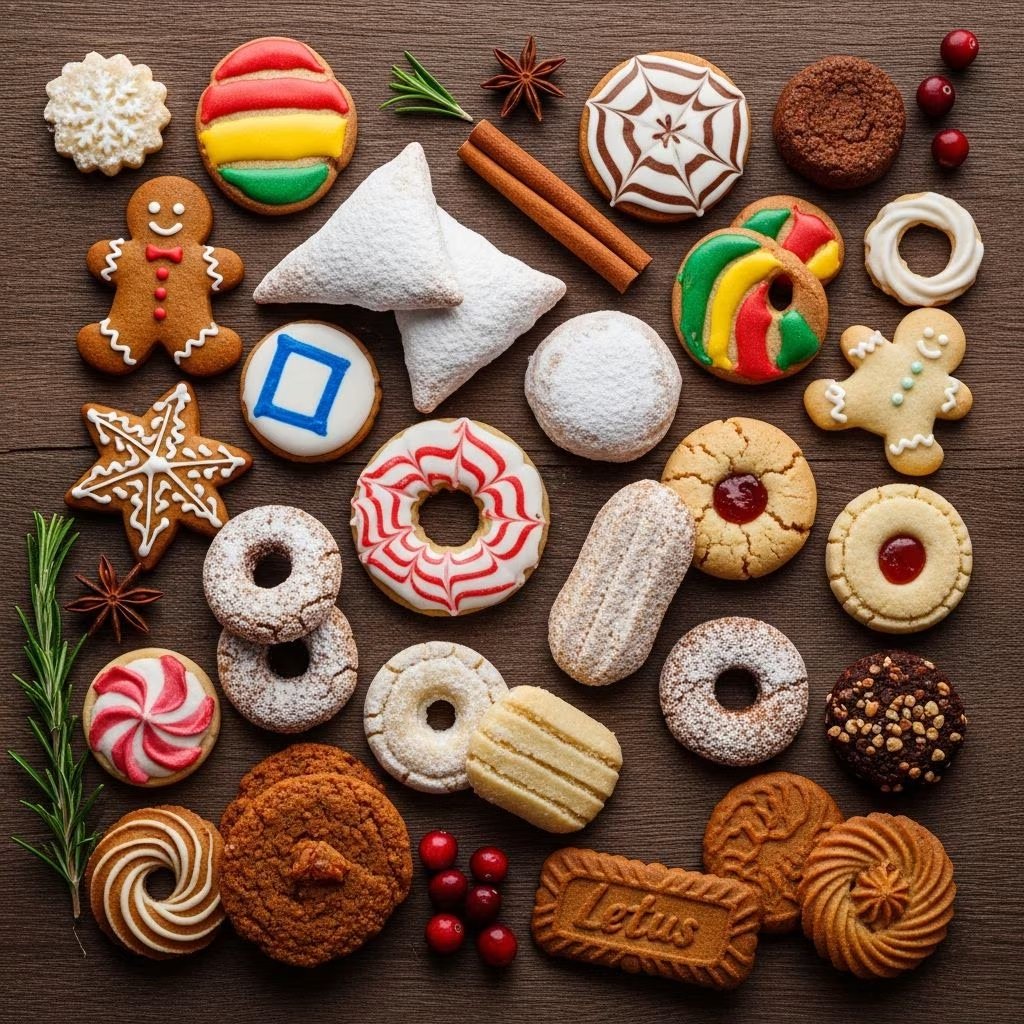
The holiday season brings with it a rich tapestry of culinary traditions that span continents and cultures. While many households focus on the same classic Christmas treats year after year, the world offers an extraordinary collection of festive cookies that have been cherished for generations. These international confections tell stories of heritage, family gatherings, and the timeless art of holiday baking. By exploring cookies from various regions, you can expand your festive repertoire and bring new flavors and traditions into your kitchen.
Holiday cookies serve as more than just desserts—they are cultural ambassadors that reflect the values, ingredients, and creativity of their origin countries. Whether you’re looking to impress guests at a cookie exchange or simply want to experience authentic international flavors, understanding these traditional recipes opens doors to new baking adventures.
The Mediterranean Influence: Italian Holiday Confections
Italy’s contribution to the world of holiday baking is both diverse and sophisticated. Italian Christmas cookies showcase the country’s culinary philosophy of balancing rich ingredients with carefully selected flavors.
Delicate Ricotta-Based Creations
One standout Italian specialty features ricotta cheese as its star ingredient. These cookies achieve a unique texture by incorporating olive oil instead of traditional butter, resulting in a cookie that is fluffy at the center with a crispy exterior. The addition of lemon provides brightness, while a delicate glaze and poppy seed topping elevate these treats to elegant status. The use of whole milk ricotta ensures the proper moisture content and tender crumb structure that makes these cookies memorable.
Sicilian Treasures
Sicilian fig cookies represent a more ambitious baking project, combining a tender dough with an elaborate filling. These cookies layer dried figs, dates, raisins, walnuts, and chocolate within a spiced cookie shell, finished with hints of apricot jam and honey. The complexity of flavors creates a sophisticated treat that rivals commercial fig-filled cookies while offering authentic homemade charm.
Rainbow Celebration Cookies
Neapolitan cookies, also known as tricolor or Italian rainbow cookies, showcase three distinct almond cake layers in vibrant colors separated by bright raspberry jam. Once assembled and covered in chocolate, these cookies are sliced into small, jewel-like pieces. The combination of fragrant almond cake, tart jam, and smooth chocolate coating creates a balanced flavor profile that appeals to diverse palates.
Nutty Melt-in-Your-Mouth Bites
Italian wedding cookies demonstrate how ground nuts can create surprisingly complex flavors in simple recipes. The combination of walnuts and hazelnuts provides a deep, rich taste that develops with each bite. Rolled in fluffy powdered sugar, these cookies achieve an elegant appearance while maintaining a tender, almost dissolving texture perfect for pairing with coffee or tea.
Central European Excellence: Germanic and Alpine Traditions
The regions of Germany, Switzerland, and surrounding Alpine areas have developed distinctive cookie traditions characterized by spices, nuts, and meticulous technique.
Spiced Gingerbread Classics
Lebkuchen represents the pinnacle of German holiday baking, featuring a complex blend of warm spices that evoke the festive season. These soft, flavorful cookies develop depth through careful spice selection and often improve in flavor after a day or two, making them ideal for advance preparation. Their gift-worthy appearance and shelf stability have made them popular choices for holiday exchanges throughout Central Europe.
Hazelnut-Forward Varieties
German hazelnut cookies prove that simplicity in ingredient lists need not translate to simplicity in flavor. Ground hazelnut flour provides a complex, nutty profile that creates memorable cookies with a naturally crumbly texture. These unadorned treats showcase how quality ingredients can create sophisticated results without elaborate techniques or decorations.
Two-Ingredient Vegan Options
German marzipan balls demonstrate that accessibility and dietary accommodation can align perfectly. These vegan and gluten-free treats require only two ingredients, making them ideal for last-minute additions to holiday dessert platters. Their simplicity belies the sophisticated almond flavor that comes from quality marzipan.
Meringue-Style Cinnamon Stars
Zimsterne cookies showcase an unusual baking science where sugar, ground almonds, and egg whites transform into puffed-up meringue-like confections. The warm spice of cinnamon combined with the chewy texture creates a cookie that feels both festive and ethereal. These cookies can be transformed into edible ornaments by piercing small holes before baking.
Swiss Chocolate Almond Combinations
Basler brunsli represent the Swiss contribution to Alpine cookie traditions. These chocolate-forward cookies combine almonds with rich chocolate and subtle spices, creating treats that balance indulgence with sophistication. The chocolate element adds depth while almonds provide textural contrast.
Scandinavian Simplicity: Danish and Nordic Approaches
Scandinavian baking traditions emphasize straightforward ingredients combined with bold spice profiles, resulting in cookies that are both comforting and distinctive.
Brown Sugar and Spice Foundation
Danish brunkager cookies derive their name from brown sugar, which provides depth and molasses notes. Despite their humble appearance, these cookies deliver complex spiced flavor enhanced by sliced almonds. The deep brown color comes naturally from brown sugar rather than extended baking, ensuring cookies remain tender while developing concentrated flavor.
Intensely Spiced Bites
Pebber Nodder cookies pack extraordinary spiced flavor into tiny, energetic bites. The combination of cinnamon, cloves, cardamom, and nutmeg creates a warm, complex profile that justifies their popularity throughout Scandinavia. A single batch yields approximately 100 cookies, making these treats ideal for sharing with an extended circle of friends and family members.
Eastern European Heritage: Hungarian, Czech, and Serbian Specialties
Eastern European cookie traditions showcase the region’s love of nuts, cheese, and fruit preserves, reflecting both resourcefulness and culinary creativity.
Cream Cheese Hungarian Crescents
Hungarian kifli cookies incorporate cream cheese into the dough, creating moist and tender cookies with a distinctly rich flavor. These crescent-shaped treats are filled with ground walnuts, providing both texture and satisfying nuttiness. The technique of rolling finished cookies in powdered sugar prevents unwanted toughness from additional flour.
Jam-Filled Czech Delights
Czech Kolachke cookies celebrate the versatility of filled cookies by offering multiple filling options including jam, cheese, or nuts. These small, individually portioned treats feature a snowy dusting of powdered sugar that enhances their visual appeal. The variety of filling possibilities allows bakers to customize these treats to personal preferences or dietary requirements.
Vanilla-Walnut Sandwich Cookies
Vanilice represent traditional Serbian holiday baking, featuring two vanilla and walnut cookies sandwiched with jam. Rosehip and apricot are traditional filling options, though contemporary versions accommodate various jam preferences. The walnut component provides subtle nutty undertones that complement the delicate vanilla flavoring.
British and Other European Contributions
Beyond Central and Eastern Europe, other regions offer distinctive cookie traditions worth exploring.
Scottish Lemon Shortbread Evolution
Scottish lemon sugar shortbread cookies represent a modern variation on traditional shortbread, incorporating lemon zest into the sugar to infuse bright, zesty flavors throughout. These cookies pair beautifully with afternoon tea, demonstrating how simple enhancements can elevate classic recipes.
South American Treasures: Argentine and Peruvian Contributions
South American holiday baking brings entirely different flavor profiles and cultural influences to the global cookie landscape.
The National Cookie of Argentina
Alfajores hold the distinction of being Argentina’s national cookie, featuring two light and crumbly cookies sandwiching a generous filling of dulce de leche—a rich, concentrated milk caramel. These sweet, buttery treats deliver indulgent satisfaction with each bite. The buttery cookie exterior contrasts beautifully with the smooth, caramel-like interior, creating a memorable eating experience that has made these cookies beloved far beyond Argentina’s borders.
Comparative Overview of Global Techniques and Ingredients
| Region | Key Ingredients | Signature Technique | Flavor Profile |
|---|---|---|---|
| Italy | Ricotta, olive oil, nuts, chocolate | Layering and coating | Rich, balanced, sophisticated |
| Germany | Spices, almonds, hazelnuts | Precise measurement, meringue-style | Warm, complex, earthy |
| Denmark | Brown sugar, multiple spices, almonds | Spice blending, slicing almonds | Deeply spiced, crunchy |
| Hungary/Czech/Serbia | Cream cheese, walnuts, jam | Filling and sandwiching | Nutty, fruity, delicate |
| Scotland | Butter, sugar, lemon zest | Shortbread base with zest infusion | Bright, buttery, zesty |
| Argentina | Butter, dulce de leche | Sandwich assembly | Sweet, caramel-forward, indulgent |
Selecting Your International Cookie Adventure
When choosing which international cookies to bake, consider several factors. Skill level varies considerably—some recipes like German marzipan balls require only basic assembly, while Sicilian fig cookies demand more involved preparation. Time availability matters, as some doughs benefit from refrigeration or develop flavor over several days. Ingredient availability in your local area may influence selections, though most international recipes can be adapted with readily available substitutes.
Dietary considerations have become increasingly important in modern baking. Fortunately, international traditions offer naturally vegan options like German marzipan balls and gluten-free possibilities through nut-based recipes. Many Eastern European traditions accommodate dairy allergies through cream cheese alternatives.
Storage and Gifting International Cookies
Different cookie varieties require different storage approaches. Crispy cookies like brunkager maintain their texture in airtight containers at room temperature for several weeks. Softer varieties, particularly those with fruit fillings, may develop mold in humid conditions and benefit from refrigeration. Many traditional Christmas cookies actually improve in flavor when stored for several days, allowing flavors to meld and develop complexity.
International cookies make exceptional holiday gifts due to their distinctive appearance and authentic flavors. Packaging them in decorative boxes with information about their origin and cultural significance adds educational value to the gift. Many recipes yield substantial quantities, making them ideal for cookie exchanges or community contributions.
Incorporating International Cookies into Your Holiday Traditions
Building a personal holiday cookie collection that spans the globe doesn’t require abandoning existing family traditions. Instead, consider designating certain cookies for specific occasions or recipients. Perhaps Italian cookies suit formal gatherings while Scandinavian varieties work better for casual family events. Hosting international cookie exchange events introduces friends and family to these global traditions while spreading the baking workload.
Documenting your experiences with different cookie traditions creates lasting memories and helps identify personal favorites worth repeating annually. Many bakers find that exploring international recipes reignites enthusiasm for holiday baking, transforming the season from routine to genuinely exciting.
Frequently Asked Questions About International Holiday Cookies
Can I substitute ingredients in traditional international recipes?
While some substitutions work well, international cookie recipes often depend on specific ingredients for authentic flavor and texture. However, practical substitutions are usually possible—for example, using cream cheese alternatives in Hungarian kifli or experimenting with different jam varieties in Czech kolachke. Adjusting spice quantities or using alternative nuts works better than substituting core ingredients like fats or structure-building components.
How far in advance should I bake international cookies?
Many traditional cookies actually benefit from advance preparation. Germanic spiced varieties improve after 1-2 days of storage as flavors develop. Most cookies remain fresh 2-3 weeks when stored in airtight containers. Avoid freezing filled cookies as moisture can compromise filling integrity, though unfilled doughs freeze well for up to three months.
Where can I find authentic ingredients for international recipes?
Specialty grocery stores, international markets, and online retailers stock most international baking ingredients. However, most recipes use pantry staples with creative combinations rather than exotic components. Quality almonds, hazelnuts, and various spices appear across multiple traditions, making batch shopping efficient.
Are international cookies suitable for dietary restrictions?
Many traditional recipes naturally accommodate various dietary needs. Vegan options exist in German traditions, while nut-based recipes work for those avoiding grains. However, some cookies heavily feature dairy or specific allergens, requiring careful recipe selection or adaptation.
References
- Christmas Cookie Recipes from Around the World — The Kitchen Prep Blog. Accessed April 10, 2026. https://thekitchenprepblog.com/christmas-cookie-recipes-from-around-the-world/
- International Cookie Exchange: 27 Christmas Cookie Recipes — The Storied Recipe. Accessed April 10, 2026. https://thestoriedrecipe.com/international-christmas-cookie-exchange/
- 18 International Cookie Recipes For Your Holiday Exchange — Create to Donate. Accessed April 10, 2026. https://createtodonate.org/18-international-cookie-recipes-for-your-holiday-exchange/
- 17 of the Best Christmas Cookies from Around the World — Lord Byron’s Kitchen. Accessed April 10, 2026. https://www.lordbyronskitchen.com/17-of-the-best-christmas-cookies-from-around-the-world/