Vietnamese pho represents one of the world’s most beloved comfort dishes, combining fragrant spices, tender beef, and silky noodles in a deeply satisfying broth. Traditionally, creating authentic pho requires hours of simmering, making it impractical for busy home cooks. The Instant Pot revolutionizes this process, delivering the same complex flavors and aromas in a fraction of the time. This modern cooking method preserves the essence of traditional pho while fitting seamlessly into contemporary meal planning.
Understanding Pho’s Essential Components
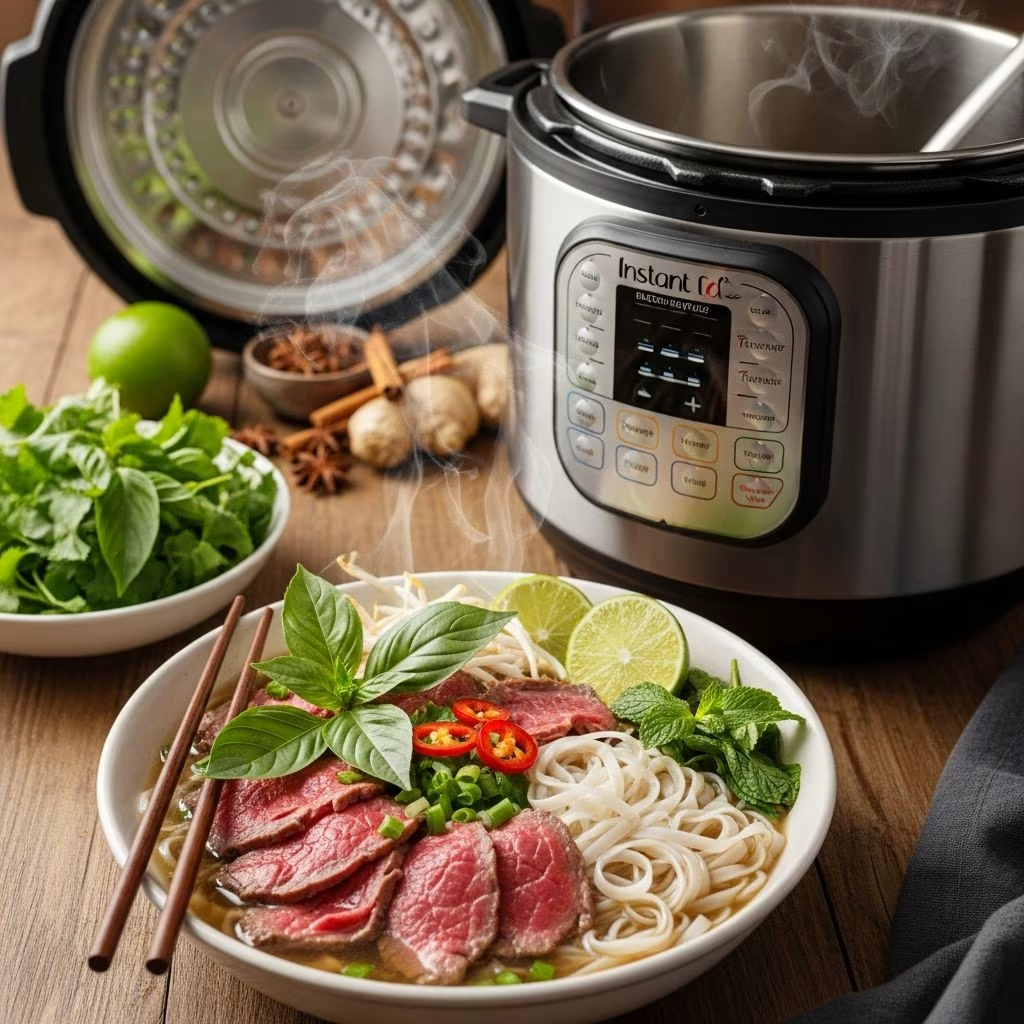
Authentic pho consists of several key elements working in harmony. The foundation begins with a rich, aromatic broth built from beef bones, onions, and ginger that have been charred to intensify their flavors. Star anise, cinnamon, coriander seeds, cloves, and cardamom create the distinctive spice profile that defines pho. Rice noodles provide the textural base, while tender beef pieces add substance and richness. Fresh herbs and condiments like cilantro, basil, mint, bean sprouts, and lime complete the dish, allowing each diner to customize their bowl according to personal preference.
Selecting and Preparing Your Beef
The choice of beef dramatically influences your pho’s final character. Beef bones form the broth’s backbone, requiring selection from butcher shops or specialty Asian markets. Quality bones with adequate marrow produce the most gelatinous, flavorful broth. Bone options include beef shank bones, neck bones, or knuckle bones. For meat components, brisket offers rich, beefy flavors, while chuck roast provides tenderness when pressure-cooked. Some recipes incorporate flank steak, sliced paper-thin against the grain and added at the end so residual heat gently cooks the delicate slices without toughening them.
Preparation matters significantly. Many recipes recommend blanching beef bones first—covering them with water, bringing the pot to a boil, then discarding the water and rinsing the bones thoroughly. This step removes surface impurities and blood, resulting in a cleaner, more refined broth appearance and taste.
Aromatics: The Onion and Ginger Foundation
Charring onions and ginger develops deeper, more complex flavors compared to using them raw. Cut onions in half lengthwise, keeping the papery outer skin intact to prevent them from falling apart during charring. Ginger should be sliced into substantial pieces or left in larger chunks. Place both vegetables on a baking sheet and either broil them for approximately ten minutes per side or bake them at 450°F until lightly charred and fragrant. This caramelization process creates sweet, smoky undertones that elevate the entire broth.
Mastering the Spice Blend
The spice combination defines pho’s aromatic signature. Traditional ingredients include star anise, cinnamon sticks, coriander seeds, fennel seeds, cloves, cardamom pods, and sometimes licorice root. Toasting these spices in a dry skillet for two to three minutes before adding them to the pot intensifies their essential oils and flavors. This crucial step should not be skipped or rushed.
Creating a spice sachet simplifies cleanup and flavor extraction. Bundle toasted spices in cheesecloth or a coffee filter, securing them with kitchen twine. This approach allows for easy removal after cooking while allowing flavors to infuse throughout the broth. Alternatively, spice bags designed specifically for tea or broth-making provide a convenient alternative.
The Instant Pot Cooking Method
Layering Ingredients for Optimal Flavor
Successful pho-making in an Instant Pot depends on proper ingredient layering and timing. After charring onions and ginger, add them to the pot along with cleaned beef bones. Sprinkle sugar lightly over the ingredients—typically one teaspoon—to enhance the broth’s natural sweetness without making it dessert-like. Add your prepared spice sachet, then fill the pot to the maximum fill line with cold water.
Pressure Cooking Duration
Different recipes recommend cooking times ranging from thirty to sixty minutes at high pressure. Longer cooking times—around forty-five to sixty minutes—produce more deeply developed, gelatinous broths with enhanced beef flavors. Shorter cooking times of thirty minutes yield lighter broths while still developing respectable flavor complexity. The choice depends on your time availability and flavor intensity preference.
Natural Pressure Release: The Secret to Perfect Broth
Once the cooking cycle completes, allowing the pressure to release naturally for at least thirty minutes—ideally longer—is critical. Natural release prevents the broth from becoming cloudy and helps maintain the tender texture of beef components. Quick pressure release should be avoided unless absolutely necessary, as it can affect the final broth quality.
Preparing Components While Broth Cooks
Efficient home cooking requires multitasking. While the Instant Pot works on the broth, you can prepare all remaining components. Rice noodles should be soaked in hot water until pliable and translucent, then drained and rinsed thoroughly to prevent them from becoming gummy. If using flank steak, slice it paper-thin against the grain—approximately one-eighth inch thickness—and arrange slices on a plate. Prepare garnishes by thinly slicing green onions, jalapeños, and fresh lime wedges. Roughly chop fresh mint, cilantro, and basil leaves, keeping them separate for individual preference. Arrange all components on a serving platter to create an assembly-line setup for easy bowl composition.
Finishing the Broth
After natural pressure release completes, carefully remove the lid. Extract the spice sachet, charred onions, and bones using a slotted spoon or tongs. Transfer any cooked brisket or chuck to a cutting board and shred it using two forks, pulling the fibers apart to create tender, bite-sized pieces. Strain the broth through fine-mesh sieve if desired for extra clarity, though this step is optional.
Switch the Instant Pot to sauté mode and add fish sauce—typically three to five tablespoons depending on pot size and personal preference. Bring the broth to a gentle boil, tasting and adjusting seasoning as needed. Rock sugar can be added for subtle sweetness, while additional salt enhances overall flavor depth.
Assembling Your Pho Bowls
Pho assembly represents the interactive final stage. Divide prepared rice noodles among serving bowls. Layer shredded cooked beef and any sliced raw beef on top of noodles. Ladle the steaming hot broth over the beef and noodles—the residual heat will gently cook any raw beef slices to perfect tenderness. Cover the bowl with a lid or plate for two to three minutes, allowing flavors to meld and beef to achieve ideal doneness.
Remove the cover and arrange desired toppings across the surface: fresh herb sprigs, sliced jalapeños, green onions, bean sprouts, and lime wedges. Serve alongside hoisin sauce and sriracha for individual flavor customization. Each diner creates their perfect bowl by combining elements according to personal taste preferences.
Ingredient Quality and Sourcing
Creating exceptional pho depends significantly on ingredient quality. Beef bones should be fresh, not frozen when possible, as they produce superior broth. Asian markets typically offer superior selection compared to conventional supermarkets. Fish sauce represents another crucial ingredient—authentic Vietnamese fish sauce differs significantly from inferior imitations. Look for brands imported from Vietnam rather than domestic alternatives. Fresh herbs like Thai basil, cilantro, and mint should be vibrant and aromatic, stored in water at room temperature rather than refrigerated when possible to maintain vitality.
Timing and Serving Considerations
Total preparation and cooking time ranges from ninety minutes to two hours, depending on your chosen cooking duration and natural release time. This timeline proves manageable for dinner preparation, especially when ingredient prep occurs while the pot pressurizes. Pho serves best immediately after assembly, while the broth remains piping hot and ingredients maintain their distinct textures and flavors.
Customization and Variations
While traditional pho maintains specific characteristics, home cooks can personalize recipes within reason. Some cooks prefer adding star fruit or apple for subtle sweetness, while others increase spice quantities for more aromatic intensity. Vegetable additions like mushrooms or daikon radish can supplement the broth without compromising authenticity. Beef selection can be adjusted based on availability—beef chuck, brisket, or shank all work effectively in the Instant Pot environment.
Storage and Reheating
Pho broth keeps refrigerated for up to four days and freezes successfully for three months. Storing broth and noodles separately prevents noodles from becoming mushy. Reheat broth gently on the stovetop or in the microwave until steaming, then prepare noodles fresh when serving stored portions. This approach allows for quick pho bowls throughout the week using prepared broth.
Frequently Asked Questions
Can I Use Pre-Made Pho Spice Packets?
Yes, many recipes successfully use store-bought pho spice packets, significantly reducing preparation time. Simply follow the package instructions and add the packet to your Instant Pot according to manufacturer guidelines. While toasting whole spices produces superior flavor, spice packets deliver satisfactory results for busy cooks.
What If My Broth Tastes Bland?
Gradual seasoning adjustments improve underflavored broth. Add fish sauce incrementally in half-tablespoon measurements, tasting between additions. Rock sugar or regular sugar can enhance natural sweetness, while salt strengthens overall flavor perception. Remember that flavors intensify after cooling, so avoid over-seasoning.
How Do I Prevent Cloudy Broth?
Blanching and rinsing beef bones before cooking removes surface impurities that cloud broth. Allow pressure to release naturally rather than using quick release. Fine-mesh straining after cooking further clarifies the broth for restaurant-quality presentation.
Can I Make Pho Without an Instant Pot?
Absolutely. Traditional stovetop methods involve bringing broth ingredients to a boil, then simmering for four to eight hours. The Instant Pot simply accelerates this process while maintaining quality results.
References
- Easy Instant Pot Beef Pho Recipe — My Crazy Good Life. Accessed April 2026. https://mycrazygoodlife.com/easy-instant-pot-beef-pho-recipe-21-day-fix-friendly/
- Instant Pot Pho — The Foodie Eats. Accessed April 2026. https://thefoodieeats.com/instant-pot-pho/
- Instant Pot Pho – Vietnamese Beef Noodle Soup — Tiffy Cooks. Accessed April 2026. https://tiffycooks.com/instant-pot-pho-vietnamese-beef-noodle-soup/
- Pressure Cooker Beef Pho — Taste Cooking. Accessed April 2026. https://tastecooking.com/recipes/pressure-cooker-beef-pho/
- Quick and Easy Vietnamese Instant Pot Beef Noodle Soup — Vicky Pham. Accessed April 2026. https://vickypham.com/blog/pho-bo-instant-pot/
- Instant Pot Pho (Vietnamese Beef Noodle Soup) — Pressure Cook Recipes. Accessed April 2026. https://www.pressurecookrecipes.com/instant-pot-pho/