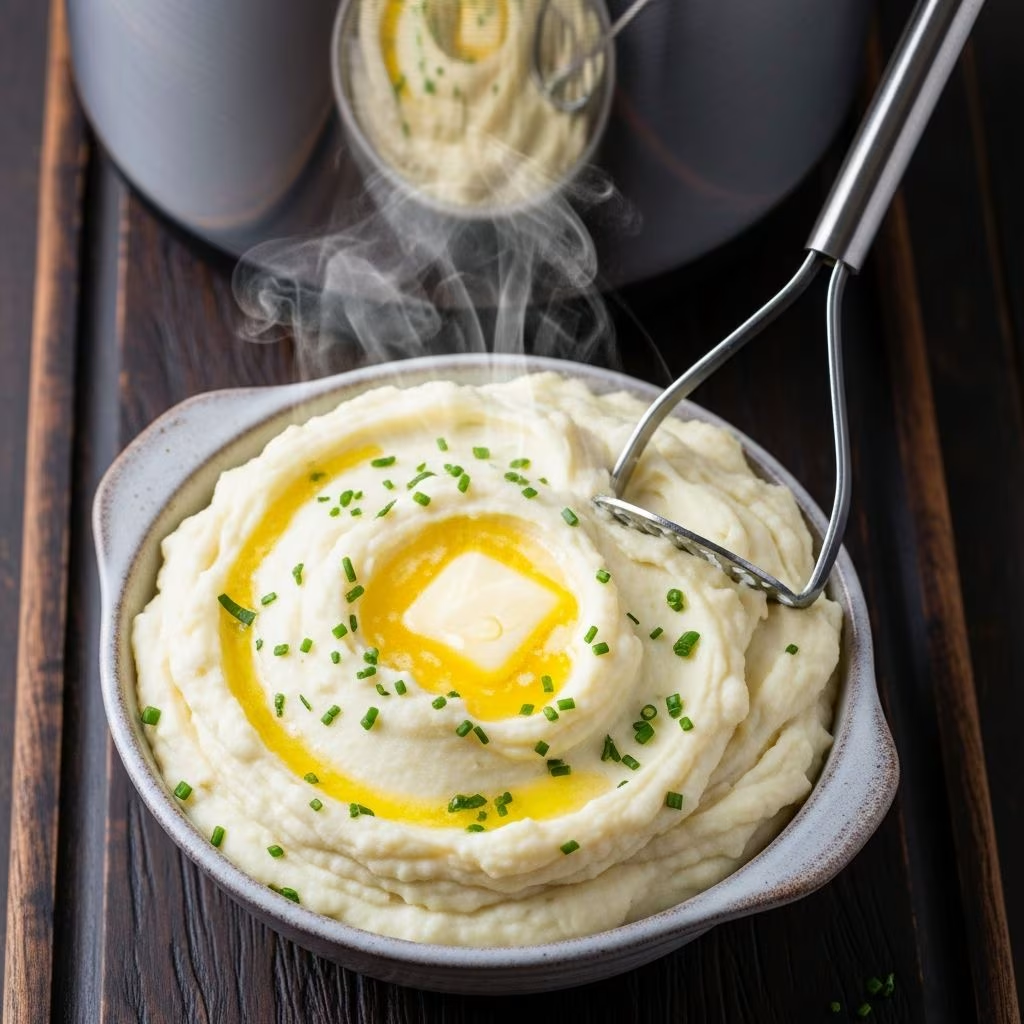
The traditional method of preparing mashed potatoes requires boiling water, waiting for the stove to heat up, and spending considerable time monitoring the cooking process. For busy home cooks and holiday entertaining, this conventional approach can consume valuable preparation time. The Instant Pot pressure cooker offers a revolutionary alternative that dramatically reduces cooking duration while maintaining exceptional quality and flavor. By harnessing the power of steam pressure, this modern kitchen appliance can transform raw potatoes into the silky, velvety consistency associated with restaurant-quality mashed potatoes in approximately 30 minutes from start to finish.
Understanding Pressure Cooking Fundamentals
Pressure cooking works by trapping steam inside a sealed vessel, which raises the internal temperature beyond the standard boiling point of water. This elevated temperature accelerates the breakdown of starches and fibers within the potatoes, resulting in quicker cooking times compared to conventional boiling methods. When using an Instant Pot specifically, the device maintains consistent pressure throughout the cooking cycle, ensuring even heat distribution and uniform doneness across all potato pieces.
The primary advantage of this cooking method extends beyond speed. The pressurized environment prevents excessive water absorption by the potatoes, which typically occurs during traditional boiling. This moisture retention translates directly to improved texture and flavor when the potatoes are mashed, as they remain fluffy rather than becoming dense and waterlogged. Additionally, the sealed cooking environment minimizes the loss of volatile compounds that carry potato flavor, resulting in more pronounced, natural taste profiles.
Selecting the Ideal Potato Varieties
The choice of potato variety significantly impacts the final texture and quality of your mashed potato dish. Different potato types contain varying levels of starch and moisture, which influence how they cook under pressure and how they respond to mashing.
- Russet Potatoes: These high-starch, low-moisture potatoes are excellent for achieving fluffy, light mashed potatoes. Their cellular structure breaks down efficiently under pressure, creating a smooth consistency that readily absorbs butter and cream without becoming gluey.
- Yukon Gold Potatoes: With moderate starch content and naturally buttery flavor, Yukon Golds produce naturally creamy mashed potatoes with less added fat. These potatoes maintain their color and provide a visually appealing golden hue to the finished dish.
- Red Potatoes: Lower in starch and higher in moisture, red potatoes create denser, chunkier mashed potatoes that many prefer for their substantial texture and ability to hold up well when additional ingredients are incorporated.
For optimal results with any variety, select potatoes that are roughly uniform in size. This consistency ensures that all pieces cook evenly under pressure, preventing some pieces from becoming mushy while others remain partially firm.
Essential Ingredients and Preparation
While potatoes form the foundation of this dish, the supporting ingredients transform simple cooked potatoes into a luxurious side dish. Quality matters tremendously with these add-ins, as they represent a significant portion of the final flavor profile.
| Ingredient | Typical Amount | Function |
|---|---|---|
| Potatoes | 3-5 pounds | Base ingredient; provides bulk and starch |
| Butter | 4-8 tablespoons | Adds richness and silky mouthfeel |
| Milk or Cream | ½-1 cup | Provides moisture and creates creamy consistency |
| Cream Cheese | 4-12 ounces | Enhances creaminess and adds tangy depth |
| Salt | 2-3 teaspoons total | Enhances flavor at multiple stages |
| Black Pepper | ¼-½ teaspoon | Provides subtle spice and complexity |
Preparation begins with thoroughly washing the potatoes under running water to remove surface dirt. Once washed, peel the potatoes using a vegetable peeler, working carefully to remove the thin skin while minimizing waste. Cut the peeled potatoes into uniform chunks approximately two to three inches in size. Consistent sizing is absolutely critical—oversized pieces will cook incompletely while smaller pieces may become mushy by the time larger ones finish cooking.
Step-by-Step Cooking Instructions
Initial Setup: Place the prepared potato chunks directly into the Instant Pot’s inner stainless steel container. Add fresh water until the potatoes are completely submerged, typically requiring four to six cups depending on the quantity of potatoes. Sprinkle approximately one teaspoon of kosher salt over the potatoes. This preliminary salting seasons the potatoes during cooking rather than merely coating the exterior.
Sealing and Cooking: Position the Instant Pot lid securely on top of the device, ensuring the steam release valve is set to the “sealing” position. Select the manual or pressure cook function and adjust the timer to ten to twelve minutes, depending on your potato size and preferred doneness level. Smaller pieces require approximately ten minutes, while larger chunks may benefit from twelve minutes. Allow the device to naturally build pressure before the cooking timer begins—this pressurization period typically takes eight to fifteen minutes and is completely normal. Do not intervene during this phase.
Pressure Release: Upon timer completion, immediately move the steam release valve to “venting” position. This quick release method allows steam to escape rapidly. Use oven mitts to protect your hands, as escaping steam is extremely hot. Once the pressure indicator shows the pot is fully depressurized, carefully open the lid away from your body to avoid any remaining steam. The potatoes should be fork-tender at this point.
Draining Process: With oven mitts on, lift out the inner pot and carefully pour the potatoes into a colander set over a sink. Allow them to drain thoroughly, discarding the cooking water. Transfer the drained potatoes back into the empty Instant Pot inner container.
Mashing and Flavor Enhancement
The mashing phase transforms cooked potato chunks into the desired consistency while incorporating complementary ingredients that elevate the dish from simple to spectacular.
Initial Mashing: Using a sturdy potato masher or the back of a wooden spoon, mash the warm potatoes thoroughly. Work from the bottom of the pot upward, applying consistent pressure to break down the potato pieces. Continue until approximately ninety percent of lumps are eliminated, leaving a small percentage of texture for a more rustic consistency if preferred. Some recipes advocate for keeping the potatoes in the Instant Pot while mashing to maintain their heat and facilitate better texture development.
Butter Integration: Cut butter into tablespoon-sized pieces and distribute them across the partially mashed potatoes. The residual heat will quickly soften the butter, incorporating it more evenly throughout the mixture. Continue mashing gently while the butter melts, stirring occasionally to ensure even distribution.
Cream and Additional Ingredients: Pour warmed milk, cream, or a combination of both into the potato mixture gradually, stirring constantly. Adding liquid incrementally allows you to achieve your desired consistency rather than over-thinning the potatoes. For enriched versions, incorporate cream cheese, sour cream, or other dairy products at this stage, stirring until completely melted and integrated.
Seasoning Adjustments: Taste the potatoes before final seasoning, as they’ve already received one teaspoon of salt during cooking. Add the remaining salt gradually—typically one to two teaspoons depending on salt preference—along with fresh black pepper. Many cooks prefer adding garlic powder, seasoned salt, or fresh herbs like chives, parsley, or thyme at this stage to create signature variations.
Creative Flavor Variations
While traditional mashed potatoes offer comfort in their simplicity, the versatile nature of this dish accommodates numerous flavor profiles and ingredient additions.
- Garlic Herb Butter: Melt butter separately with minced garlic and fresh herbs like sage, thyme, or rosemary for ten to fifteen minutes, allowing flavors to infuse before incorporating into the potatoes.
- Cheese Enhancement: Blend Parmesan, sharp cheddar, or gruyere cheese into the finished potatoes for added depth and complexity.
- Roasted Vegetables: Fold in roasted cauliflower, turnips, or carrots for nutritional enhancement and visual interest.
- Savory Mix-ins: Incorporate crispy bacon bits, caramelized onions, or sautéed mushrooms for umami-rich depth.
- Cultured Dairy: Substitute traditional milk with Greek yogurt, sour cream, or mascarpone for tangy sophistication.
Common Challenges and Solutions
Watery Consistency: If your mashed potatoes turn out excessively thin, the potatoes likely absorbed too much water during pressure cooking. Solution: drain the potatoes more thoroughly in a colander, pressing gently to remove excess moisture before returning to the pot.
Gluey or Paste-Like Texture: Overmashing or excessive stirring breaks down the potato cells excessively, releasing starch that creates a glue-like consistency. Solution: use a gentler mashing method with a ricer or food mill for future batches, or reduce mashing time significantly.
Uneven Cooking: Some pieces remain firm while others are mushy, indicating inconsistent potato sizing. Solution: cut potatoes into more uniform chunks before cooking, or consider sorting pieces by size to extend cooking time for larger pieces if desired.
Flavor Flatness: Under-seasoning is the most common cause of bland mashed potatoes. Solution: remember that potatoes require more salt than most home cooks initially add; taste frequently and season generously at multiple stages rather than only at the end.
Serving and Storage Recommendations
Freshly prepared mashed potatoes offer optimal taste and texture when served immediately after preparation. However, they maintain acceptable quality for several hours when kept warm in a slow cooker set to low temperature, or in a covered dish in a warm oven set to 200 degrees Fahrenheit.
For advance preparation, cool completely prepared mashed potatoes to room temperature, then transfer to an airtight container and refrigerate for up to four days. To reheat, transfer to an oven-safe dish, cover with foil, and warm in a 350-degree Fahrenheit oven for approximately twenty minutes, stirring occasionally. Alternatively, warm gently in a pot over low heat, stirring constantly and adding a small amount of milk if needed to restore creaminess lost during storage.
Frequently Asked Questions
- Can I leave the potato skins on?
- Yes, leaving skins on creates rustic-style mashed potatoes with more texture and slightly different flavor. Red potatoes work particularly well for this preparation, as their thinner skins are less noticeable than Russet potato skins.
- What’s the minimum cooking time in the Instant Pot?
- Smaller potato pieces (quarter-inch cubes) require approximately eight minutes, while standard-sized chunks require ten to twelve minutes. Larger pieces may need fourteen to sixteen minutes for complete doneness.
- Can I use frozen potatoes?
- Frozen potatoes require additional cooking time, typically adding three to five minutes to the standard cooking duration. However, fresh potatoes generally yield superior texture and flavor.
- How much liquid should I add?
- Add enough water to completely cover the potatoes by approximately one inch. The exact amount varies based on potato quantity and size, typically ranging from four to six cups for three to five pounds of potatoes.
- Can I make these for meal prep?
- Yes, prepared mashed potatoes freeze exceptionally well for up to three months. Freeze in portion-sized containers, then thaw overnight in the refrigerator and reheat gently before serving.
Conclusion
The Instant Pot transforms the traditional process of making mashed potatoes from a time-consuming task into a streamlined cooking operation without compromising the quality, flavor, or texture of the finished dish. By understanding the fundamental principles of pressure cooking, selecting appropriate potato varieties, and following proper preparation and mashing techniques, home cooks can consistently produce exceptional mashed potatoes suitable for weeknight dinners or holiday entertaining. The versatility of this method accommodates numerous flavor variations and dietary preferences, making it an invaluable technique for contemporary kitchen practice.
References
- Instant Pot Mashed Potatoes Recipe — The Pioneer Woman. https://www.thepioneerwoman.com/food-cooking/recipes/a34575641/instant-pot-mashed-potatoes-recipe/
- Instant Pot Mashed Potatoes — Budget Bytes. https://www.budgetbytes.com/instant-pot-mashed-potatoes/
- Instant Pot Mashed Potatoes — Stephanie’s Dish. https://www.stephaniesdish.com/instant-pot-time-mashed-potato-is-a-time-saver-for-thanksgiving/
- Easy Instant Pot Mashed Potatoes — Kristine’s Kitchen Blog. https://kristineskitchenblog.com/instant-pot-mashed-potatoes/
- Instant Pot Mashed Potatoes — The Salty Marshmallow. https://thesaltymarshmallow.com/instant-pot-mashed-potatoes/
- The Best Instant Pot Mashed Potatoes Recipe — Pinch of Yum. https://pinchofyum.com/instant-pot-mashed-potatoes