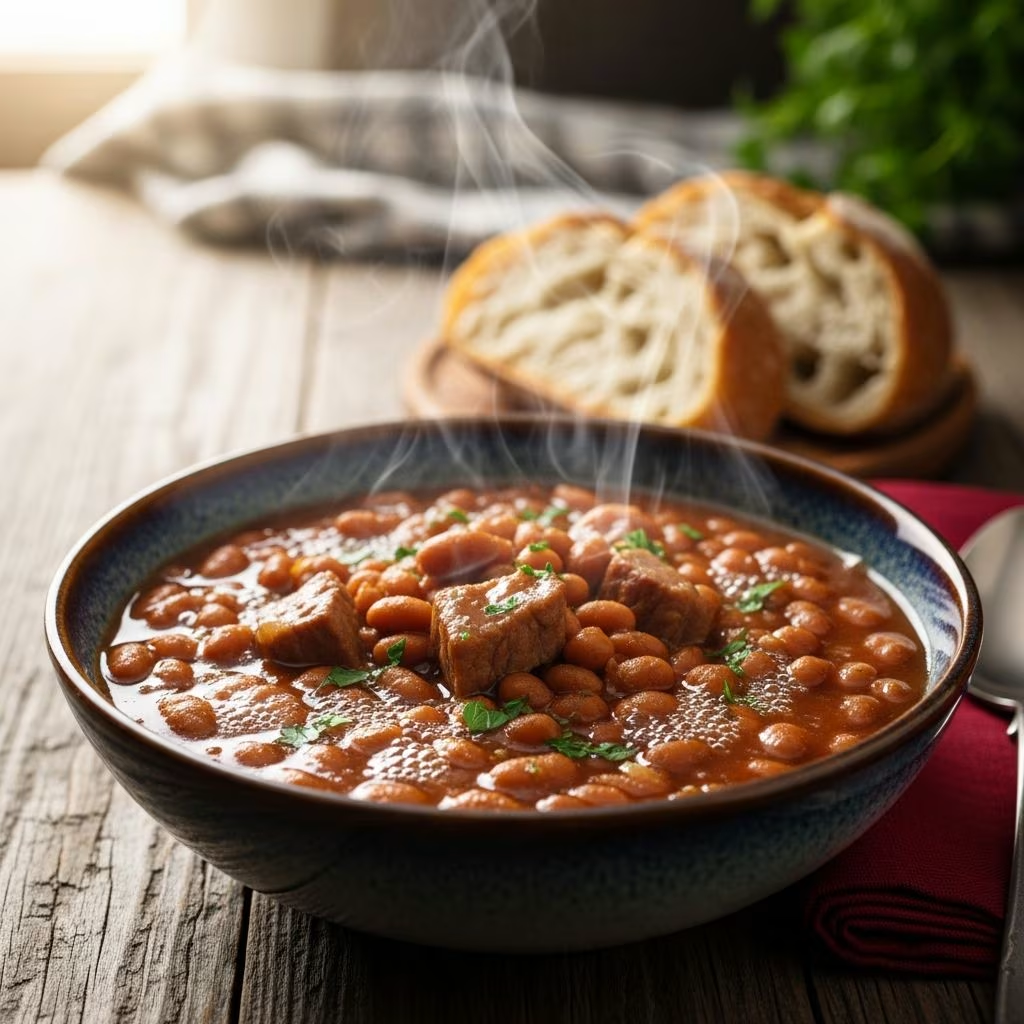
Traditional baked beans require hours of slow cooking in the oven, but modern pressure cooking technology has revolutionized this classic American dish. Using an Instant Pot or similar pressure cooker, you can achieve the same deep, complex flavors and tender texture in a fraction of the time. This method combines the convenience of quick cooking with the rich taste profile that makes baked beans a beloved comfort food and potluck staple.
The pressure-cooking method works by trapping steam inside a sealed pot, which raises the internal temperature and pressure. This accelerated environment softens dried beans efficiently while allowing flavoring ingredients like bacon, molasses, and spices to infuse throughout the dish. What traditionally takes four to six hours in a conventional oven can now be completed in approximately one hour, including both active cooking and natural pressure release time.
Understanding Bean Selection and Preparation
The foundation of any excellent baked bean recipe begins with selecting the right variety of beans. Navy beans and pinto beans are the most popular choices for this dish, offering a creamy texture when cooked and a neutral flavor that pairs well with sweet and savory sauce components. Navy beans, also called haricot beans, are smaller and slightly more delicate, while pinto beans are larger and maintain their shape better during cooking. Both varieties absorb flavoring liquids exceptionally well.
Before cooking, dried beans require thorough rinsing and inspection. Place your beans in a colander and rinse under cold running water, stirring gently to remove any dust or debris. While rinsing, spread the beans on a flat surface and visually scan for any discolored or damaged beans, removing them as you find them. This simple quality-control step ensures a uniform texture in your finished dish.
Many recipes include a soaking step before pressure cooking. Soaking dried beans overnight in salted water accomplishes two things: it begins the hydration process, reducing overall cooking time, and it helps break down complex sugars that can cause digestive discomfort. For a quick-soak method, bring beans and water to a boil for two minutes, remove from heat, cover, and let sit for one hour before draining and rinsing. However, no-soak methods work equally well with pressure cookers, simply requiring slightly longer cooking time under pressure.
The Two-Stage Cooking Process
Pressure-cooked baked beans involve two distinct cooking phases, each serving a specific purpose in developing flavor and texture. Understanding this two-stage approach helps ensure optimal results every time.
Initial Bean Cooking Phase
The first stage focuses exclusively on cooking the dried beans until they reach tender doneness. Add your rinsed beans to the pressure cooker with approximately eight cups of water and one teaspoon of salt. The salt serves two purposes: it seasons the beans and helps prevent them from bursting during cooking. Lock the lid in place and set the cooker to high pressure for approximately 25 minutes.
After the timer sounds, perform a quick release by carefully turning the pressure valve to release steam. Once the steam has dissipated and the pressure indicator shows it is safe to open, remove the lid. At this stage, the beans should be completely tender but not mushy. Drain the beans thoroughly in a colander and rinse with cold water to stop the cooking process. Setting them aside allows you to focus on building the flavor base that makes these beans memorable.
Sauce Development and Final Cooking
The second cooking phase transforms simple cooked beans into a dish with complex, layered flavors. This stage begins by sautéing bacon until it becomes crispy and renders its fat throughout the pot. The rendered bacon fat creates a flavorful cooking medium for aromatics and prevents the sauce components from sticking to the bottom of the pot. Once the bacon achieves desired crispness, remove it to a paper towel and set aside.
In the remaining bacon fat, sauté chopped onions and bell pepper until they soften and become translucent, typically three to four minutes. These vegetables form the aromatic base of your sauce and contribute natural sweetness and depth to the overall flavor profile. Minced garlic can be added at this point, cooking for approximately 30 seconds to enhance its flavor without allowing it to burn.
Next, combine your sauce ingredients and add them to the pot with the sautéed vegetables. The sauce typically includes barbecue sauce, molasses or maple syrup, brown sugar, mustard, tomato paste, and spices like cinnamon or liquid smoke. Stir thoroughly to combine all ingredients and create a uniform sauce base. Add the cooked beans back to the pot along with the reserved bacon pieces and any remaining water specified in your recipe.
Secure the lid again and set the pressure cooker to high pressure for an additional 10 to 15 minutes, depending on your recipe variation. This second pressure-cooking session allows the beans to absorb the sauce flavors while the moisture and heat further tenderize the beans and meld all the ingredients together. After the cooking time completes, allow the pressure to release naturally for several minutes before carefully opening the pot.
Essential Ingredients for Authentic Flavor
The ingredient list for pressure-cooked baked beans might seem long, but each component contributes meaningfully to the final result. Understanding the role of each ingredient helps you make substitutions if needed and appreciate how they work together.
| Ingredient | Purpose | Typical Amount |
|---|---|---|
| Bacon | Renders fat for sautéing; adds smoky, savory depth | 6-8 slices, chopped |
| Molasses or Maple Syrup | Provides sweet, complex flavor; creates thick sauce | 1/2 to 3/4 cup |
| Brown Sugar | Adds sweetness and helps caramelize sauce | 1/4 to 3/4 cup, packed |
| Barbecue Sauce | Adds tang, sweetness, and smoky flavor notes | 1 cup |
| Mustard | Cuts sweetness with sharp tang and adds complexity | 2-3 tablespoons |
| Tomato Products | Adds acidity and umami depth | 2-3 tablespoons paste or sauce |
| Liquid Smoke | Enhances smoky flavor when bacon is minimal | 1/2 to 1 teaspoon |
| Spices | Ground cinnamon, black pepper, dry mustard add warmth | 1/2 teaspoon each |
The balance between sweet and savory elements creates the characteristic baked bean flavor that people crave. The molasses and brown sugar provide sweetness, while the mustard, vinegar, and tomato products contribute acidity and tang. The bacon and liquid smoke deliver the essential smoky note that makes pressure-cooked baked beans taste authentic and crave-worthy.
Customization and Variation Options
One advantage of preparing baked beans in a pressure cooker is the ease with which you can customize the recipe to suit personal preferences and dietary needs. Several variations produce excellent results.
Vegetarian Version: Simply omit the bacon and substitute with one-half tablespoon of vegetable oil for sautéing aromatics. Increase the liquid smoke to one full teaspoon to maintain the smoky depth that bacon typically provides. The remaining recipe stays identical, yielding delicious baked beans suitable for vegetarian gatherings.
Maple-Forward Variation: Replace molasses with pure maple syrup and increase the amount to one cup. This creates a lighter, more delicate sweetness compared to traditional molasses versions. Add one-quarter cup of apple juice to complement the maple flavors. This version pairs exceptionally well with grilled pork or chicken.
Spicy Adaptation: Increase brown mustard to one-quarter cup and use spicy brown mustard specifically. Add one-quarter teaspoon of cayenne pepper and one-half teaspoon of smoked paprika to the sauce. This produces a bean dish with more pronounced heat and complexity.
Brown Sugar Alternative: Some cooks prefer using coconut sugar or muscovado sugar instead of standard brown sugar. These alternatives provide different sweetness profiles and subtle flavor notes. Use the same quantities as called for in the original recipe.
Timing, Pressure Release, and Texture Control
The difference between perfectly cooked baked beans and overcooked, mushy beans often comes down to understanding pressure release methods and cooking time precision.
Most recipes call for a quick release after the initial bean-cooking phase. This method involves carefully moving the pressure valve to the venting position, allowing steam to escape rapidly. Quick release stops the cooking process immediately, preventing the beans from becoming too soft during the natural release period.
In contrast, the second cooking phase typically uses natural pressure release. After the timer sounds, simply allow the pot to sit undisturbed for 10 to 15 minutes. The pressure gradually decreases, and the residual heat gently continues cooking the beans while they absorb the sauce. This gentle approach creates a better sauce consistency and allows flavors to fully meld.
If you prefer thicker sauce, after opening the pot following natural release, switch the pressure cooker to sauté mode. Stir the beans frequently for 10 to 15 minutes, allowing excess liquid to evaporate. This technique is particularly useful if you plan to serve the beans at a potluck or buffet where thinner sauce might drip onto other dishes.
Storage and Make-Ahead Benefits
Pressure-cooked baked beans improve with time as flavors continue to develop and meld. These beans make excellent make-ahead dishes for entertaining or meal planning purposes.
Allow the cooked beans to cool to room temperature before transferring to airtight containers. Refrigerate for up to four days or freeze for up to three months. When reheating, thaw frozen beans in the refrigerator overnight if frozen. Transfer to a saucepan and warm over medium heat, stirring occasionally and adding small amounts of water if the sauce has thickened significantly during storage.
This make-ahead capability makes pressure-cooked baked beans ideal for summer entertaining, holiday gatherings, and potluck contributions. Prepare the beans one or two days before your event, allowing you to focus on other dishes closer to serving time.
Frequently Asked Questions
Can I use canned beans instead of dried beans?
Yes, canned beans work well and significantly reduce cooking time. Drain and rinse approximately three to four cans of beans (equivalent to two to three cups of dried beans), then proceed directly to the sauce development phase. Reduce the second pressure-cooking time to five minutes since canned beans are already fully cooked.
What if my beans are still hard after cooking?
Hard beans typically indicate that salt was added to the soaking or initial cooking water too early, or that the beans are very old. In future batches, skip salt during the initial cooking phase and add it only when building the sauce. Older dried beans require longer cooking time; increase initial pressure cooking to 30 minutes if needed.
How can I prevent my beans from bursting?
Avoid rapid temperature changes by using natural pressure release rather than quick release when cooking beans. Also, ensure beans are fully covered by liquid, and don’t fill the pressure cooker more than two-thirds full. These precautions minimize the physical stress that causes bean skins to split.
Is liquid smoke necessary for good flavor?
Liquid smoke enhances the smoky character but is not essential. Bacon provides ample smoky flavor on its own. Omit liquid smoke if you prefer a cleaner, less intensely smoky final result.
Can I double this recipe in my pressure cooker?
Yes, simply double all ingredients and increase both the initial and second pressure-cooking times by approximately 50 percent. Ensure the pot is not filled more than two-thirds full to allow proper steam circulation.
References
- Instant Pot Baked Beans (Easy and Delicious) — A Spicy Perspective. Accessed April 2026. https://www.aspicyperspective.com/best-instant-pot-baked-beans/
- Instant Pot Baked Beans — Tastes Better From Scratch. Accessed April 2026. https://tastesbetterfromscratch.com/instant-pot-baked-beans/
- Instant Pot Baked Beans — Pressure Cooking Today. Accessed April 2026. https://www.pressurecookingtoday.com/pressure-cooker-baked-beans/
- Instant-Pot Baked Beans — About a Mom. Accessed April 2026. https://www.aboutamom.com/instant-pot-baked-beans/
- Homemade Baked Beans (Instant Pot) — Two Kooks In The Kitchen. Accessed April 2026. https://twokooksinthekitchen.com/homemade-baked-beans-instant-pot/
- Instant Pot Baked Beans: A Summer Must Make Recipe — YouTube. Accessed April 2026. https://www.youtube.com/watch?v=B_5oxECoEbM