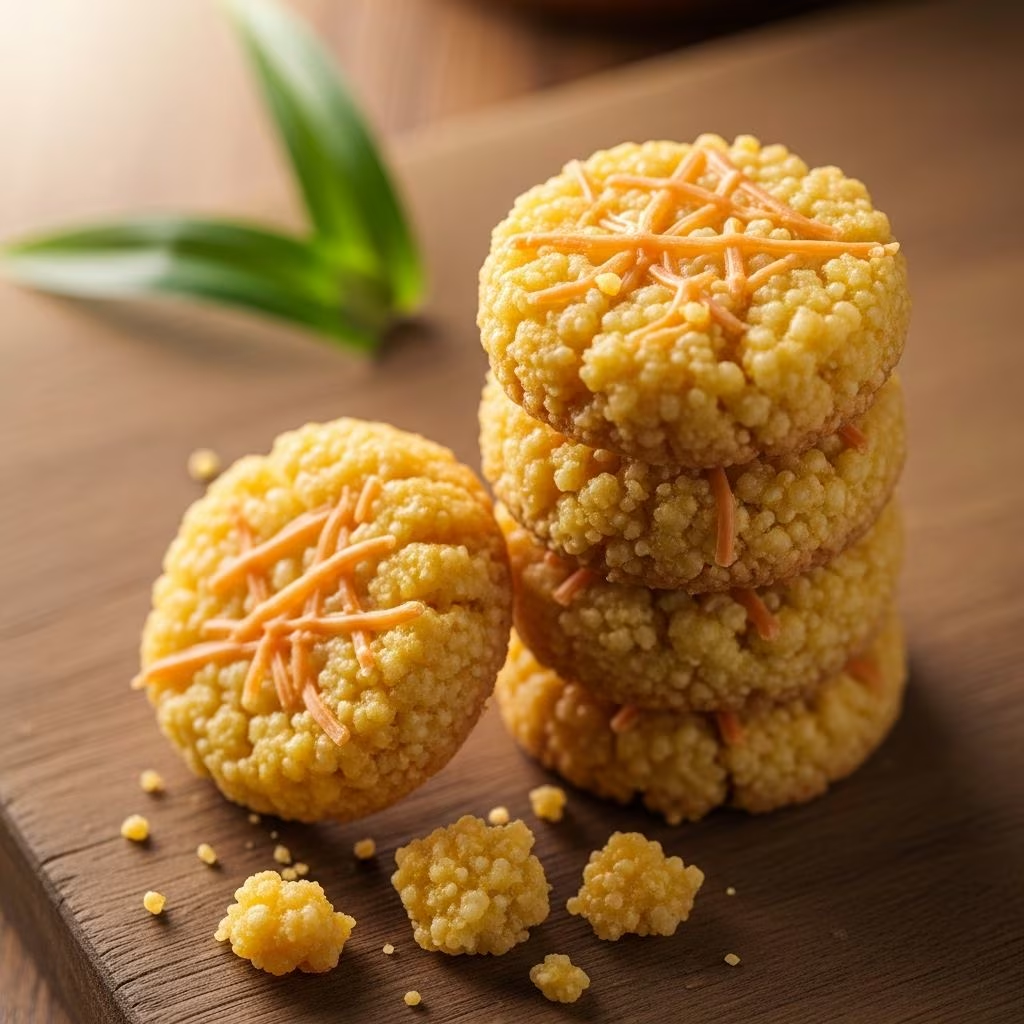
These delightful treats combine the subtle chew of sago flour with the bold tang of cheddar cheese, creating a cookie that starts with a satisfying crunch and dissolves into buttery bliss on the tongue. Popular across Indonesia for holidays and gatherings, cheddar sago cookies offer a perfect balance of savory and sweet notes.
The Allure of Indonesian Cheese Cookies
Rooted in Southeast Asian baking traditions, these cookies highlight sago flour, derived from the pith of sago palms, which imparts a distinctive texture unlike wheat-based doughs. The addition of grated cheddar elevates the flavor profile, making them a staple during festive seasons like Hari Raya or Christmas. Bakers prize their dual texture: crisp edges from low-moisture dough and a tender interior that melts seamlessly.
Unlike typical shortbreads, the dough’s crumbly nature before shaping ensures no excess spreading during baking, preserving intricate designs piped or molded by hand. This makes them versatile for creative presentations, from simple rounds to ornate stars.
Essential Ingredients for Authentic Flavor
Gathering the right components is key to replicating the traditional taste. Focus on high-quality cheddar for sharpness that cuts through the richness.
- Sago or tapioca flour (200-300g): Provides the core structure and melt-away quality; roast lightly for enhanced nuttiness.
- Cheddar cheese, grated (100-150g): Use sharp varieties like aged cheddar or Edam for intense savoriness.
- Butter or margarine (100-150g), softened: Forms the creamy base; unsalted preferred to control saltiness.
- Icing or powdered sugar (80-100g): Adds subtle sweetness without graininess.
- Egg yolk (1-2): Binds without adding excess moisture.
- Cornstarch or corn flour (50-150g): Lightens the dough for tenderness.
- Milk powder (optional, 15g): Boosts richness and helps with browning.
- Coconut cream or milk (30-65ml, optional): Infuses tropical aroma in some regional variants.
- Salt (¼ tsp): Balances flavors.
Variations might include Parmesan for extra umami or screwpine leaves during roasting for fragrance. Measure precisely, as the low liquid content is crucial for texture.
Step-by-Step Baking Guide
Preparation takes about 30 minutes, with baking around 20-25 minutes per batch. Yields 40-60 cookies depending on size.
- Prepare dry ingredients: In a dry pan over low heat, lightly toast sago flour for 5 minutes, stirring constantly to avoid browning. This step removes moisture and develops flavor. Cool completely, then sift with cornstarch, milk powder, and salt.
- Cream wet base: Beat softened butter and icing sugar for 5-6 minutes until pale and fluffy. Incorporate egg yolk, mixing until smooth.
- Combine dough: Gradually add sifted dry mix and grated cheese. Knead by hand (wear gloves to prevent warming) into a ragged, crumbly dough. Resist adding liquid— this dryness ensures the signature crunch.
- Shape cookies: For piped designs, transfer to a sturdy piping bag with a star tip. Pipe 1-inch rosettes onto parchment-lined sheets, spacing ½-inch apart. Alternatively, roll between parchment to ½ cm thick and cut shapes, dusting cutters with tapioca flour.
- Bake: Preheat oven to 150°C (302°F). Bake middle rack for 20-25 minutes until edges are lightly golden. Cool fully on trays to firm up.
Store in airtight containers for up to 2 weeks; they improve in flavor after a day.
Mastering the Perfect Texture
The magic lies in contrasts: initial snap from minimal moisture and melt from sago starch. Common pitfalls include over-kneading, which toughens the dough, or insufficient cooling of toasted flour, leading to greasy results. For extra crunch, incorporate finely grated hard cheeses like Parmesan.
| Texture Issue | Cause | Solution |
|---|---|---|
| Too crumbly | Excess flour or under-kneading | Knead firmly but briefly; press into shape |
| Soft or spreading | Too much liquid/heat | Chill dough 15 mins; bake at low temp |
| No melt effect | Untoasted sago | Always dry-toast flour |
| Bland flavor | Mild cheese | Use sharp cheddar/Parmesan mix |
Cultural Significance and Serving Ideas
In Indonesia, these cookies symbolize festivity, often gifted in decorative tins. Pair with tea or coffee to balance richness, or serve alongside tropical fruits for contrast. Experiment with shapes for weddings or holidays—roses for romance, stars for celebrations.
- Classic: Simple rounds dusted with powdered sugar.
- Festive: Piped swirls topped with cheese sprinkles.
- Modern twist: Add vanilla extract or chocolate chips sparingly.
FAQ: Common Questions Answered
Q: Can I substitute sago flour?
A: Tapioca flour works best; all-purpose flour alters texture significantly.
Q: Why toast the flour?
A: It dries the starch for crunch and prevents gumminess.
Q: Gluten-free?
A: Yes, naturally gluten-free with proper ingredients.
Q: Storage tips?
A: Airtight at room temp; freeze dough for up to a month.
Q: Vegan version?
A: Use plant-based butter and cheese; omit egg yolk or replace with aquafaba.
Advanced Variations and Tips
Elevate with coconut cream for authentic richness, or blend cheeses for complexity. For larger batches, use a stand mixer initially, folding cheese by hand. Test small batches to perfect your oven’s timing—convection modes ensure even browning.
These cookies not only tantalize the palate but also connect bakers to Indonesia’s vibrant culinary heritage, where simple ingredients yield extraordinary results.
References
- Cheese Tapioca/Sago Cookies (Sagu Keju/Cheese Bangkit) — What to Cook Today. N/A. https://whattocooktoday.com/cheese-tapioca-cookies.html
- Cheese Sago Cookies – Kue Sagu Keju Indonesia — Much Butter. N/A. https://muchbutter.com/cheese-sago-cookies/
- Sagu Keju (Cheese Cookies) – Cooking with Bosch — YouTube (Bosch Home Singapore, Thailand, Indonesia). N/A. https://www.youtube.com/watch?v=iog6JwEjUt0