Inflammatory bowel disease (IBD), encompassing Crohn’s disease and ulcerative colitis, affects millions worldwide, often disrupting daily life through painful flares and nutritional challenges. While no single diet cures IBD, evidence-based eating patterns can significantly alleviate symptoms, promote remission, and prevent malnutrition. This guide draws from authoritative recommendations to outline practical, sustainable nutrition approaches.
Understanding IBD and the Role of Nutrition
IBD involves chronic inflammation of the digestive tract, leading to symptoms like abdominal pain, diarrhea, fatigue, and weight loss. Nutrition plays a pivotal role because gut inflammation impairs nutrient absorption, heightening risks of deficiencies in iron, vitamin D, and protein. During flares, appetite wanes, exacerbating malnutrition; in remission, poor choices can trigger relapses.
Key principles include prioritizing nutrient-dense foods, staying hydrated, and personalizing intake based on symptoms. Organizations like the Crohn’s & Colitis Foundation emphasize consulting healthcare teams, including registered dietitians, before major changes. Recent U.S. dietary guidelines affirm that general healthy eating aligns well with IBD management when adapted.
Recommended Dietary Patterns for IBD
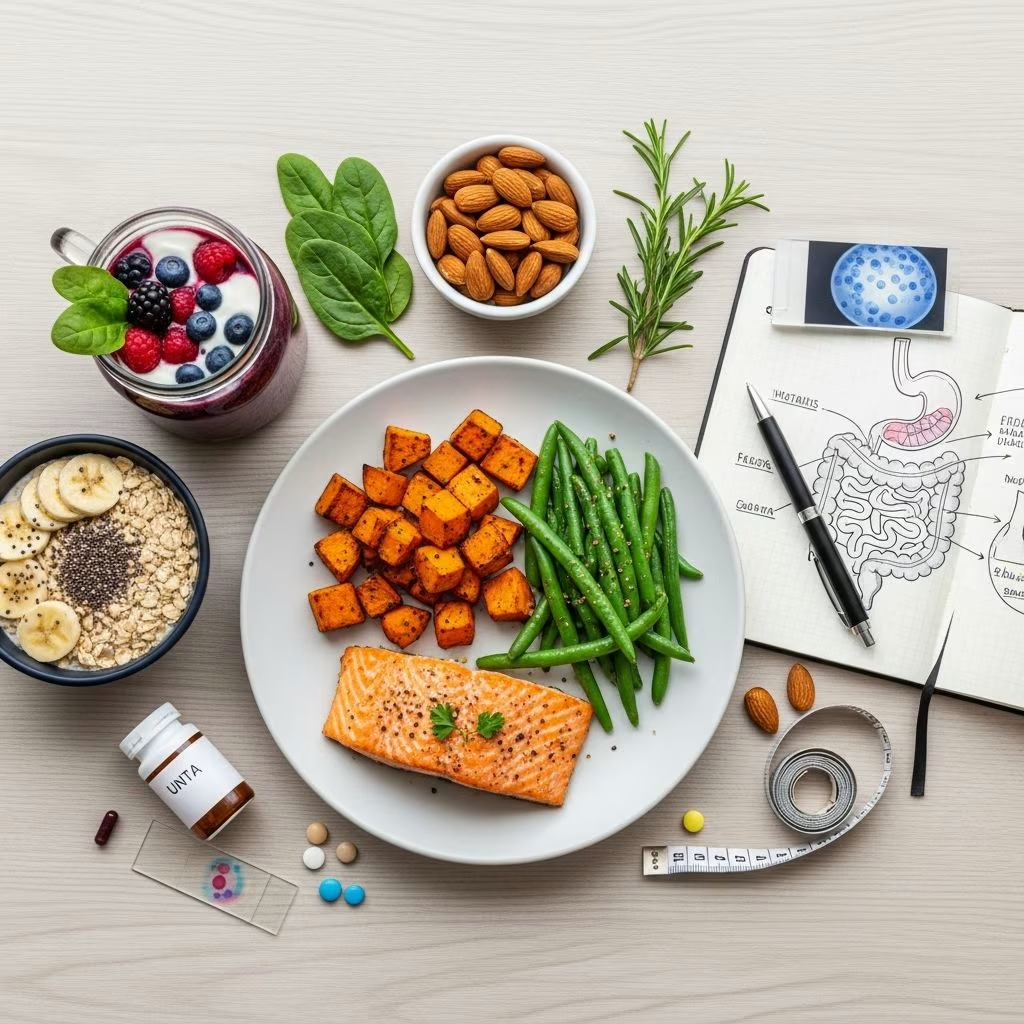
The **Mediterranean diet** stands out as one of the most researched options for IBD, emphasizing plant-based foods, healthy fats, and anti-inflammatory properties. It promotes fruits, vegetables, whole grains, nuts, legumes, moderate seafood and poultry, while limiting red meat. Studies link it to reduced inflammation and better gut microbiota balance.
Other patterns, like plant-based diets rich in omega-3s, also show promise by countering oxidative stress and supporting tissue repair. During active disease, shift toward low-residue or soft foods to ease digestion, transitioning back to balanced meals in remission.
Foods to Prioritize in Your IBD Diet
Focus on easily digestible, nutrient-packed options to maintain energy and repair gut lining. Gradually introduce fiber to avoid overwhelming the gut.
- Fruits: Bananas, applesauce, blended berries, cooked or peeled options for low fiber during flares.
- Vegetables: Well-cooked carrots, squashes, green beans, leafy greens in smoothies.
- Proteins: Fatty fish (salmon, tuna for omega-3s), poultry, eggs, tofu, lentils, Greek yogurt.
- Grains: Oats, quinoa, white rice (flare-safe), cooled potatoes for resistant starch benefits.
- Fats: Olive oil, avocados, chia/flaxseeds, nut butters in moderation.
- Dairy/Alternatives: Low-lactose like hard cheeses, lactose-free yogurt, nut milks.
Incorporate antioxidants from berries, leafy greens, and colorful veggies to combat inflammation. Oatmeal, with soluble fiber, aids stool consistency and short-chain fatty acid production.
Foods and Habits to Limit or Avoid
Certain items irritate the inflamed gut, especially during flares. Insoluble fiber, seeds, and skins bind water poorly, worsening diarrhea or strictures.
| Category | Examples to Limit/Avoid | Reason | Alternatives |
|---|---|---|---|
| High-Fiber Produce | Raw kale, Brussels sprouts, apple skins, cauliflower | Hard to digest, promotes gas/bloating | Cooked/peeled veggies, smoothies |
| Legumes/Nuts | Whole beans, raw nuts, popcorn, seeds | Risk of stricture blockage | Tofu, lentils, smooth nut butters |
| Dairy | Cow’s milk, ice cream, cream | Lactose intolerance common | Greek yogurt, plant milks |
| Other | Sugar alcohols (sorbitol), processed meats, greasy foods | Triggers diarrhea, inflammation | Lean proteins, herbal teas |
For stricturing Crohn’s, further restrict mushrooms, steak, dried fruits. Limit red/processed meats and high-fat items overall.
Practical Meal Planning and Portion Tips
Eat small, frequent meals to combat reduced appetite and optimize absorption. Aim for protein at every meal, especially during flares when needs rise.
- Add calorie boosters: Olive oil, avocado, nut butters to meals.
- Hydrate: Increase fluids, avoiding caffeine/alcohol.
- Texture matters: Puree or cook foods for tolerance.
Sample daily structure:
Breakfast: Oatmeal with banana and chia seeds.
Snack: Greek yogurt with blended berries.
Lunch: Baked salmon, cooked carrots, quinoa.
Snack: Smoothie with spinach, avocado.
Dinner: Grilled chicken, mashed sweet potato, green beans.
Build fiber slowly: Start with low amounts to prevent bathroom urgency.
Special Considerations: Flares vs. Remission
Adjust dynamically. In flares, opt for bland, low-fiber: Bananas, rice, applesauce, toast (BRAT), yogurt, boiled potatoes. Avoid whole grains, beans, skins.
In remission, diversify for nutrients: Whole grains (2-4 servings), varied produce, omega-3 sources. No need to restrict fiber unless strictured.
Nutritional Supplements and Professional Guidance
Monitor for deficiencies; supplements like vitamin D, iron may be needed under medical supervision. Low FODMAP diets require dietitian oversight for short-term use. Always personalize—self-restriction risks malnutrition.
Frequently Asked Questions (FAQs)
Can the Mediterranean diet help with IBD?
Yes, its plant focus and healthy fats reduce inflammation; include 2-4 whole grains daily if tolerated.
What if I have a stricture?
Limit high-fiber/residue foods like nuts, popcorn; prioritize soft textures.
Is dairy off-limits?
Not entirely—choose low-lactose options; many tolerate yogurt/cheeses.
How do I add more protein?
Incorporate fish, eggs, tofu, yogurt throughout the day.
Should I avoid all fiber?
No, unless strictured; soluble fiber from oats benefits most.
Long-Term Success Tips
Track symptoms via food diaries, work with IBD dietitians, and view food as medicine. Balanced eating supports remission, energy, and quality of life.
References
- The Mediterranean Diet for Crohn’s and Colitis — Getting Started — MyCrohnsAndColitisTeam. 2023. https://www.mycrohnsandcolitisteam.com/resources/the-mediterranean-diet-for-crohns-and-colitis
- What Should I Eat with Crohn’s or Colitis? IBD Diet Guide — Crohn’s & Colitis Foundation. 2026-01-07. https://www.crohnscolitisfoundation.org/patientsandcaregivers/diet-and-nutrition/what-should-i-eat
- Creating a Crohn’s Disease and Colitis Diet Plan — Cleveland Clinic. 2023. https://health.clevelandclinic.org/what-not-to-eat-if-you-have-crohns-disease
- Food and Crohn’s or Colitis — Crohn’s & Colitis UK. 2023. https://www.crohnsandcolitis.org.uk/info-support/information-about-crohns-and-colitis/all-information-about-crohns-and-colitis/living-with-crohns-or-colitis/food
- Crohn’s Friendly Foods | What to Eat with Crohn’s Disease — Crohn’s and Colitis Dietitians. 2023. https://crohnsandcolitisdietitians.com/crohns-friendly-foods/
- Diet and Nutrition – Eating and Drinking with IBD — Crohn’s and Colitis Canada. 2023. https://crohnsandcolitis.ca/About-Crohn-s-Colitis/IBD-Journey/Diet-and-Nutrition-in-IBD/Eating-and-Drinking-with-IBD
- Diet, Nutrition, and Inflammatory Bowel Disease — Crohn’s & Colitis Foundation. 2013. https://www.crohnscolitisfoundation.org/sites/default/files/legacy/assets/pdfs/diet-nutrition-2013.pdf