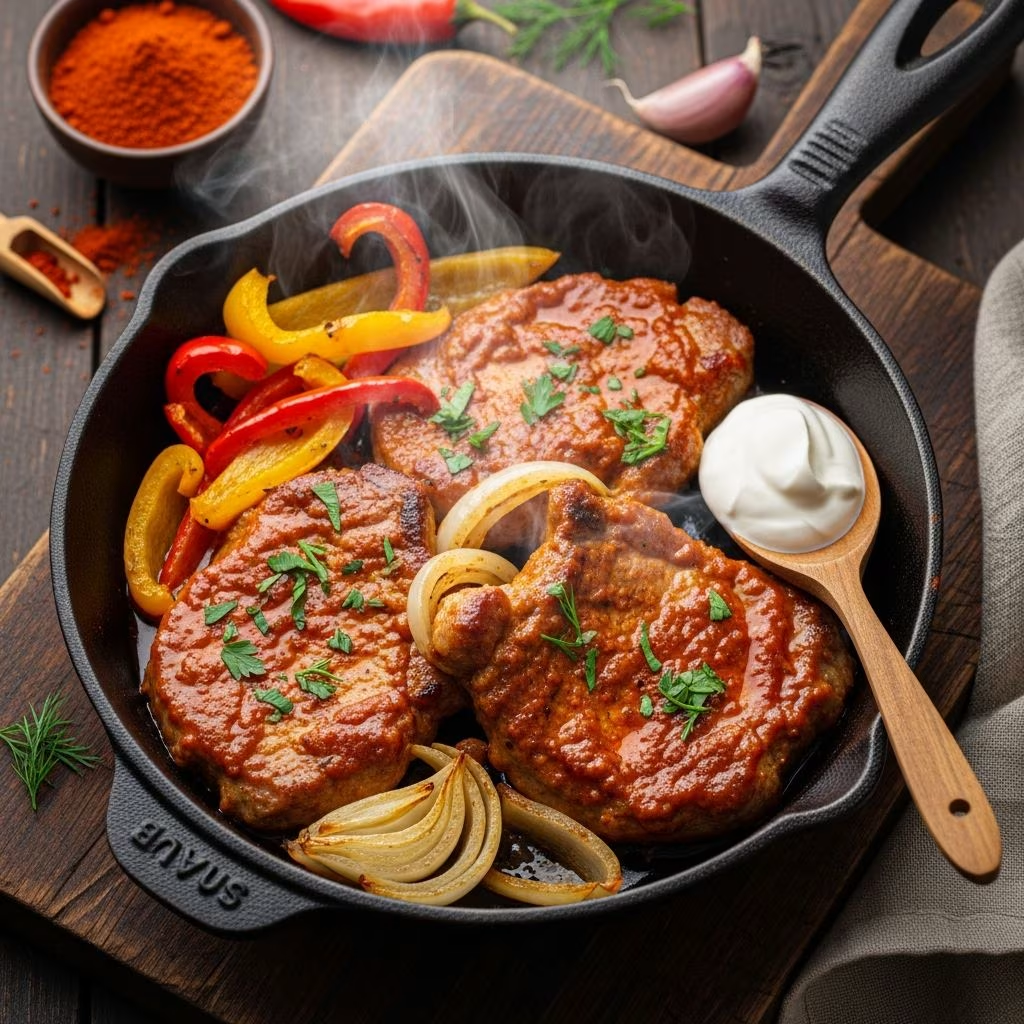
Hungarian cuisine is renowned for its bold flavors and hearty preparations, with paprika serving as a cornerstone ingredient in many classic dishes. Among these traditional recipes, Hungarian pork chops stand out as a relatively straightforward yet sophisticated main course that combines tender meat with a rich, savory sauce. This dish represents the essence of Central European cooking, where simple ingredients are transformed through careful seasoning and slow cooking into something memorable and satisfying. The interplay between the paprika’s warmth, the sour cream’s tanginess, and the umami from mushrooms and caramelized onions creates a multi-layered flavor profile that appeals to home cooks and food enthusiasts alike.
Understanding the Essence of Hungarian Paprika
The foundation of authentic Hungarian pork chops lies in the careful selection and use of paprika. Hungarian sweet paprika, which differs from both smoked and hot varieties, provides a distinctive flavor that is neither aggressively spicy nor overly mild. This spice derives from peppers grown in the Hungarian plains and carries a gentle warmth with subtle fruity undertones. When combined with the natural juices released by browning the pork, paprika creates an aromatic base that defines the entire dish. The quantity matters significantly—enough to coat the onions and create a visible, flavorful sauce, but not so much that bitterness develops from overcooking. Many traditional recipes call for approximately one and a half to two tablespoons of paprika for four to six servings, though personal preference and the specific brand’s intensity may warrant adjustments.
Essential Ingredients and Their Roles
Creating an authentic version of this dish requires understanding how each component contributes to the final result:
- Pork chops: Bone-in or boneless varieties work equally well, though the thickness affects cooking time. Chops measuring three-quarters to one inch thick are ideal for maintaining moisture during the simmering process.
- Paprika: The signature seasoning that provides color, flavor, and aromatic qualities to the sauce.
- Onions: When cooked slowly, onions develop natural sweetness that balances the paprika and complements the sour cream.
- Mushrooms: These add earthiness and umami depth, though some variations omit them based on preference or availability.
- Sour cream: This ingredient tempers the spice and creates a creamy sauce, though it must be added carefully to prevent curdling.
- Garlic: A subtle enhancement that adds complexity without overpowering the other flavors.
- Stock or broth: Chicken or beef stock provides moisture and allows the paprika’s flavors to fully develop.
Preparation Steps for Optimal Results
The cooking method for Hungarian pork chops follows a logical progression that builds flavor at each stage. Understanding the reasoning behind each step helps cooks make informed decisions when adjusting the recipe or troubleshooting issues.
Initial Seasoning and Searing
Before introducing any wet ingredients, the pork chops benefit from seasoning on both sides with salt and pepper. This basic step allows the seasonings to penetrate slightly into the meat during browning. Heating oil or butter in a large skillet over medium-high heat creates the proper environment for developing a flavorful brown crust. The browning process, known as the Maillard reaction, generates hundreds of complex flavor compounds that form the foundation of the sauce. Pork chops should be browned for approximately two to three minutes per side, achieving a rich golden-brown color while avoiding excessive cooking at this stage. The interior will finish cooking later in the simmering process, so partial cooking at the beginning prevents dryness.
Building the Sauce Foundation
After removing the browned pork chops, the same skillet becomes the stage for developing the aromatic base. Adding sliced onions to the remaining fat and reducing the heat to medium allows them to cook slowly and release their natural moisture. This process typically requires five to eight minutes, resulting in translucent, slightly softened onions. Adding minced garlic and paprika at this point creates an aromatic mixture that coats the onions with the paprika’s flavor compounds. Cooking this combination for one to two minutes further develops the spice’s characteristics without allowing it to burn or become bitter.
Deglazing and Liquid Addition
Introducing liquid to the skillet serves multiple purposes: it dissolves the flavorful brown bits stuck to the bottom, prevents sticking, and provides the medium for finishing the pork. Pouring in stock or broth and using a wooden spoon to scrape the bottom releases all those concentrated flavors into the liquid. Some recipes include a small amount of tomato paste or Worcestershire sauce at this point, adding depth and slight acidity that balances the richness of the sour cream. Bay leaf often joins the mixture, though it should be removed before serving. The pork chops return to the skillet, nestled into the aromatic liquid.
The Simmer and Temperature Control
Reducing the heat to medium-low and covering the skillet allows the pork chops to cook gently in the simmering liquid. This method is preferable to high-heat cooking because it prevents the meat from toughening while allowing time for flavors to meld. Approximately 20 minutes of simmering brings the pork’s internal temperature to 145°F, which represents the safe minimum according to food safety guidelines. The covered environment traps steam, which helps transfer heat evenly and prevents the sauce from reducing too rapidly.
Incorporating Sour Cream Without Curdling
Adding sour cream directly to a hot pan risks curdling, which damages both the texture and appearance. The proper technique involves tempering the sour cream first. This means whisking a portion of the hot stock or sauce into a bowl containing the sour cream gradually, raising its temperature slowly before combining it back into the main skillet. This method prevents the protein in sour cream from seizing and creating an unpleasant grainy texture. Some cooks prefer removing the pork chops to a plate, finishing the sauce separately, and then pouring it over the cooked meat just before serving. This approach provides additional control and prevents any risk of overcooking the meat while adjusting the sauce consistency.
Variations and Adaptations
Spice Level Adjustments
Those preferring additional heat can incorporate Hungarian hot paprika alongside the sweet variety, starting with just a quarter teaspoon and adjusting based on taste. Some recipes include cayenne pepper in small amounts for an extra kick. Conversely, reducing the paprika slightly and adding cream earlier in cooking produces a milder version that maintains traditional character.
Mushroom Choices
While button mushrooms serve as the traditional choice, cremini, portobello, or even wild varieties like shiitake can be substituted. Thicker mushroom pieces maintain their structure better during the extended cooking, while thinly sliced mushrooms provide more surface area for sauce absorption.
Protein Alternatives
Beef tenderloin, veal cutlets, or chicken breasts can replace pork chops while maintaining the dish’s essential character. Cooking times may vary depending on thickness and the specific protein chosen.
Thickening Consistency Options
Some prefer a thinner, brothier sauce, while others enjoy something more substantial. A flour and water slurry mixed into the simmering liquid before adding sour cream creates additional thickness. Alternatively, allowing the sauce to reduce uncovered after removing the pork provides a more concentrated flavor and thicker consistency.
Serving Suggestions and Pairings
Hungarian pork chops pair beautifully with several classic accompaniments. Egg noodles tossed with butter and poppy seeds represent the traditional choice, providing a neutral canvas that absorbs the sauce. Wide ribbon pasta, mashed potatoes, or polenta work equally well. A simple green salad dressed with vinaigrette cuts through the richness and refreshes the palate between bites. Crusty bread provides a practical tool for capturing every drop of the flavorful sauce remaining on the plate. For a more substantial meal, roasted root vegetables or braised cabbage adds both nutrition and additional layers of flavor.
Storage and Make-Ahead Options
This dish reheats exceptionally well, making it suitable for advance preparation. Storing cooled pork chops and sauce in an airtight container keeps them fresh in the refrigerator for up to three days. Gentle reheating over low heat prevents the sour cream from breaking down. The flavors actually improve after a day, as they continue to meld and develop. Freezing is possible, though the sour cream-based sauce may separate slightly upon thawing and reheating; whisking gently during warming helps restore a smooth consistency.
Troubleshooting Common Issues
Tough or Dry Pork Chops
Overcooking remains the primary culprit. Using a meat thermometer ensures accuracy, removing pork when it reaches 145°F. Cutting into a chop to check for pinkish juices indicates doneness without relying on temperature alone.
Curdled Sour Cream
Proper tempering prevents this issue. If curdling occurs, whisking the mixture vigorously sometimes restores smoothness. Preventing rapid heating and stirring constantly provides the best insurance against this problem.
Overly Thin or Thick Sauce
Reducing the sauce uncovered over medium heat thickens it gradually. Conversely, adding additional stock or broth before incorporating sour cream creates a thinner consistency.
Nutritional Considerations
Pork chops provide substantial protein, B vitamins, and minerals like selenium and zinc. The paprika contributes antioxidants and vitamins A and C. The sour cream adds fat and calories, though it also provides flavor in relatively small quantities. Using Greek yogurt or reduced-fat sour cream offers lighter alternatives while maintaining the characteristic tanginess, though texture and flavor may differ slightly from the traditional preparation.
Frequently Asked Questions
Can I use boneless pork chops instead of bone-in?
Yes, boneless chops work well and cook slightly faster. They may be less flavorful than bone-in varieties, but the rich sauce compensates significantly.
What if I don’t have Hungarian paprika?
While Hungarian paprika provides the authentic flavor, Spanish smoked paprika can substitute in a pinch, though the final taste will differ. Regular paprika may be used but lacks the distinctive character of the Hungarian variety.
Is this recipe freezer-friendly?
Yes, though the texture of the sour cream-based sauce may change slightly upon freezing and thawing. Thaw in the refrigerator and reheat gently on the stovetop for best results.
Can I make this in a slow cooker?
This dish adapts well to slow cooking. Brown the pork and aromatics as usual, then transfer everything to a slow cooker on low for four to five hours. Add sour cream during the final thirty minutes to prevent breakdown of its structure.
How far in advance can I prepare this?
The dish can be fully prepared up to three days ahead and refrigerated. Reheat gently over low heat, adding a splash of stock if the sauce has thickened too much during storage.
References
- National Center for Home Food Preservation: Pork Safety Guidelines — University of Georgia Cooperative Extension. 2024. https://nchfp.uga.edu/how/ht_pork.html
- Culinary Institute of America: Professional Cooking — The Culinary Institute of America. 2011. ISBN 978-0470487396.
- Food Safety: Proper Handling and Cooking of Pork — U.S. Department of Agriculture Food Safety and Inspection Service. 2024. https://www.fsis.usda.gov/food-safety/safe-food-handling-and-preparation/pork-food-safety