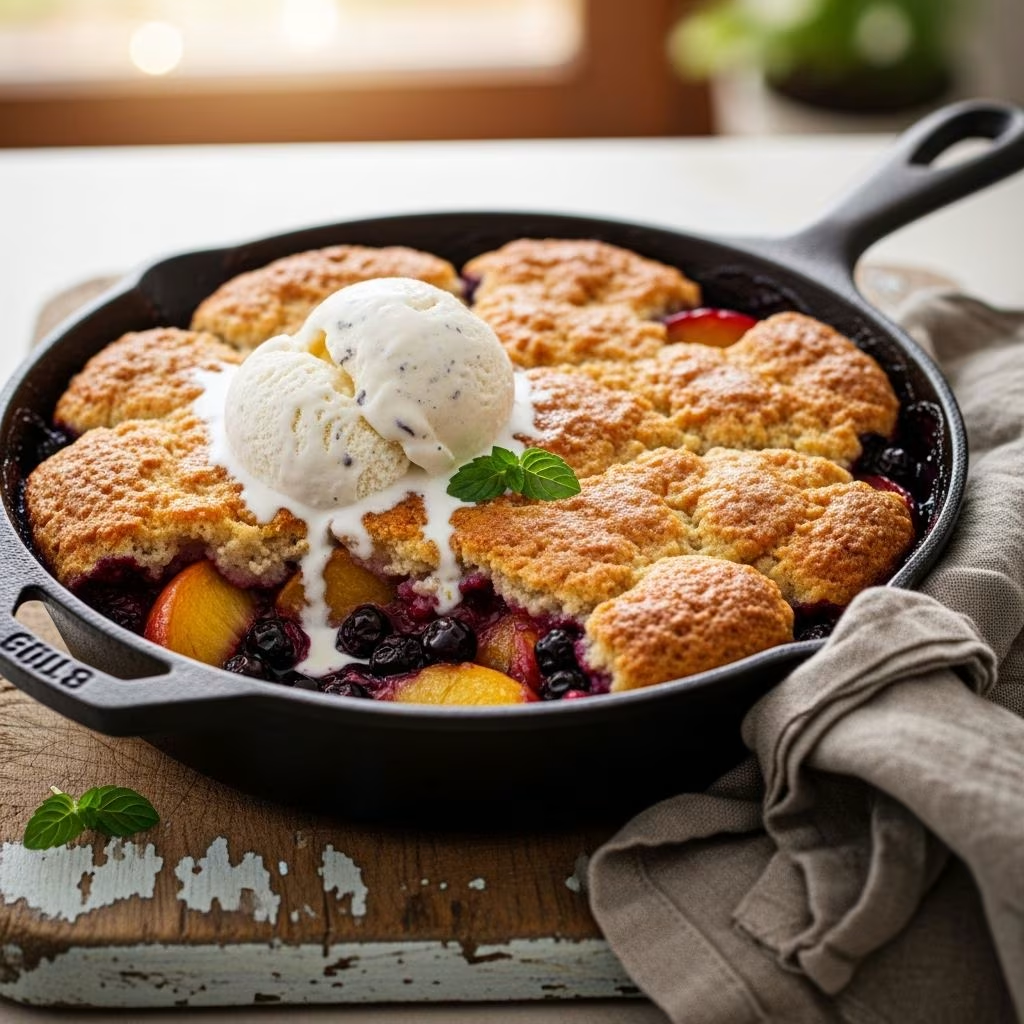
Few desserts capture the essence of summer quite like a warm cobbler fresh from the oven. The combination of juicy stone fruits and tart berries encased in a tender, biscuit-like topping has made this classic treat a beloved staple at family gatherings, picnics, and dinner tables across North America. The huckleberry peach cobbler specifically represents a sophisticated variation that brings together the delicate sweetness of ripe peaches with the complex, slightly earthy flavor profile of wild huckleberries.
This comprehensive guide will walk you through every aspect of creating a memorable huckleberry peach cobbler, from selecting the finest ingredients to mastering various cooking techniques. Whether you’re planning to prepare this dessert in a traditional kitchen oven, over a campfire in a Dutch oven, or using any method in between, you’ll find the knowledge and confidence to produce outstanding results.
Understanding the Components of a Perfect Cobbler
A traditional cobbler consists of two essential elements that work in harmony to create a memorable dessert experience. The foundation layer comprises the fruit filling, where fresh or frozen produce combines with sweeteners and flavorings to create a rich, juicy base. The topping—typically a thick, drop-style batter rather than a rolled crust—bakes to a golden finish while remaining tender and cake-like throughout.
The beauty of cobbler construction lies in its simplicity and forgiving nature. Unlike pies that demand precise pastry techniques or tarts that require careful assembly, cobblers embrace a more casual approach. The fruit filling needs only basic preparation and flavoring, while the topping relies on simple pantry staples that most home cooks keep readily available.
Selecting and Preparing Your Produce
The quality of your final dessert begins with thoughtful produce selection. For the peach component, choose fruits that yield slightly to gentle pressure but remain firm enough to maintain structure during baking. Overripe peaches may become mushy, while underripe specimens won’t deliver the full flavor intensity your cobbler deserves. A fully ripened peach will smell fragrant and sweet, offering a hint of that characteristic peachy aroma when you bring it close to your nose.
Peach preparation involves peeling away the fuzzy exterior skin. Many cooks find that blanching peaches in boiling water for 30 to 60 seconds followed by an ice water bath makes peeling significantly easier. The hot water loosens the skin, allowing it to slip away from the flesh with minimal effort. After peeling, slice the peaches into uniform pieces, typically about one-half to three-quarter inch thickness, which ensures even cooking and consistent texture throughout the filling.
Huckleberries present a different consideration altogether. These wild berries, smaller and more delicate than blueberries, offer a distinctive flavor that cannot be precisely replicated. However, fresh huckleberries may not always be readily available in standard grocery stores, particularly outside their primary growing season from July through September. Fresh or frozen blueberries serve as reliable alternatives, though they offer a somewhat brighter, less complex flavor profile. Some cooks opt to omit berries entirely, allowing the peach flavor to take center stage, while others prefer the visual interest and tartness that berries contribute.
The Fruit Filling Base
Creating the filling requires combining your prepared peaches and selected berries with complementary flavorings. A light coating of flour or baking mix helps thicken the fruit juices as they release during baking, creating a sauce-like consistency rather than a watery layer. The addition of sugar balances the natural tartness of the fruit, though the exact quantity depends on the ripeness and sweetness of your specific peaches.
Lemon zest and juice provide brightness that prevents the cobbler from tasting one-dimensional or cloying. The citrus doesn’t compete with the peach and huckleberry flavors; instead, it acts as a flavor enhancer, much like salt in savory cooking. A touch of ground cinnamon adds warmth and complexity, creating subtle spice notes that complement stone fruits beautifully.
Some recipes incorporate cornstarch as a thickening agent, particularly when using very juicy peaches or when preference leans toward a firmer filling. Cornstarch creates a clearer, glossier result compared to flour, though both approaches yield delicious outcomes. The choice often comes down to personal preference and the visual effect you wish to achieve.
Crafting the Topping
The cobbler topping represents the component that most distinguishes this dessert from other fruit preparations. Unlike crisp toppings made with oats and nuts, or pie crusts built from laminated dough, cobbler toppings employ a simple batter technique that mirrors cake or quick bread methodology.
The basic formula combines all-purpose flour, granulated sugar, baking powder, and salt in the dry ingredient phase. Adding cold butter cut into small cubes and working it into the flour mixture creates a crumbly texture that bakes into a tender crumb structure. Some recipes employ melted butter instead, which creates a slightly different texture—more cake-like and uniform, versus the more rustic appearance achieved with cold butter incorporation.
Milk serves as the liquid component, hydrating the flour and creating a cohesive batter. The ratio matters considerably; too little milk produces a thick, doughy topping, while too much creates a thin batter that may sink into the fruit rather than float on top. A helpful guideline suggests that the mixture should resemble thick cake batter, barely pourable but not stiff.
One critical technique involves restraint during mixing. Overmixing the batter develops gluten strands, resulting in a tough, dense topping rather than the tender, melt-in-your-mouth texture that distinguishes a well-made cobbler. Mix only until the ingredients combine; a few small lumps are preferable to an overdeveloped, smooth batter.
Cooking Methods and Temperature Control
While most home cooks prepare cobblers in conventional kitchen ovens, this dessert offers remarkable versatility in cooking approaches. A standard preheated oven set to 350 degrees Fahrenheit typically produces optimal results, with baking times ranging from 40 to 50 minutes, depending on oven variations and fruit moisture content. The cobbler reaches completion when the topping turns golden brown and the fruit filling bubbles visibly at the edges of the pan.
For outdoor enthusiasts, preparing cobbler in a cast-iron Dutch oven over charcoal represents a worthwhile endeavor. This method requires approximately 45 pieces of briquette-style charcoal. Once the coals turn white and reach optimal temperature, placement involves positioning about 15 coals beneath the Dutch oven and distributing the remaining coals across the lid, with slightly more heat from above than below. Rotating the oven after approximately 15 minutes promotes even cooking, with total cooking time usually reaching about 25 minutes.
Baking dish selection influences cooking time and final texture. Glass dishes conduct heat somewhat differently than metal, potentially requiring minor time adjustments. An 8×8 inch or 9×13 inch baking dish accommodates standard cobbler recipes, with the larger size providing thinner, more delicate layers throughout.
Temperature and Timing Considerations
The importance of proper cooling cannot be overstated. Allowing the cobbler to rest for 5 to 15 minutes after removal from heat permits the fruit filling to set and thicken slightly, preventing the dessert from falling apart when served. This resting period also allows the topping to firm up just enough to maintain structural integrity while remaining warm enough to serve comfortably.
When using frozen berries or peaches, plan for slightly extended cooking time—typically an additional 10 minutes—since the fruit begins at a lower temperature. Rather than thawing frozen fruit beforehand, adding it directly to the filling preserves the fruit’s structure and prevents premature juice loss.
Ingredient Adaptations and Substitutions
One of the most appealing aspects of cobbler recipes involves their flexibility and adaptability to available ingredients and personal preferences. Beyond the obvious berry substitutions, numerous variations deserve consideration.
- Baking Mix Alternative: Recipes that call for commercial baking mixes like Bisquick can be replicated using equal parts flour, baking powder, and a small amount of salt. This substitution works seamlessly and allows cooks to customize sodium levels or avoid additives present in commercial mixes.
- Flour Variations: Some recipes incorporate cornmeal alongside all-purpose flour, creating a slightly grainier texture and subtle corn flavor. Specialty flours like einkorn or heritage varieties offer interesting flavor dimensions, though they may require slight liquid adjustments.
- Sweetener Options: While granulated white sugar remains the standard, brown sugar contributes moisture and subtle molasses notes. Some cooks use a combination of both for complexity.
- Fruit Combinations: Beyond peaches and huckleberries, this cobbler formula works beautifully with nectarines, apricots, blackberries, or raspberries. Mixing multiple fruit types creates interesting flavor layers.
- Spice Enhancements: Nutmeg, allspice, or ginger can complement the cinnamon already present, creating a warmer, more complex flavor profile.
Serving and Storage Recommendations
Cobbler reaches its peak flavor and texture when served warm, ideally within a few hours of baking. The topping maintains optimal texture during this window before gradually becoming softer as the fruit filling continues to release moisture. Pairing warm cobbler with vanilla ice cream or freshly whipped cream provides a classic accompaniment that balances the warmth of the dessert with cooling creaminess.
Storage involves covering leftover cobbler and refrigerating for up to three days. Gentle reheating in a low oven restores warmth and revives the topping’s texture, though the topping will inevitably soften somewhat with time. Cobblers do not freeze particularly well compared to other baked goods, as the filling’s texture may become watery upon thawing.
Troubleshooting Common Challenges
A sunken or soggy topping often results from insufficient heat from above or from an over-wet filling. Ensuring adequate oven temperature and using the proper thickening ratio prevents this issue. If the topping browns too quickly before the fruit finishes cooking, loosely tenting the top with aluminum foil slows surface browning while allowing internal cooking to continue.
A topping that remains pale rather than achieving that desirable golden color may indicate an oven that runs cool. Increasing temperature slightly or extending baking time slightly resolves this issue. Conversely, an overly brown or burnt topping suggests oven heat that runs hot; positioning the cobbler on a lower rack or reducing temperature by 25 degrees helps in future attempts.
Frequently Asked Questions
- Can I prepare the cobbler in advance?
- Yes. You can assemble the cobbler several hours before baking, covering it and refrigerating until ready to bake. Add approximately five extra minutes to the baking time to account for the filling’s lower temperature.
- What if I cannot find fresh huckleberries?
- Blueberries, blackberries, or even marionberries serve as excellent substitutes. You can also omit berries entirely and simply use peaches, creating a simpler but equally delicious dessert.
- Should I peel the peaches?
- Peeling creates a more refined texture, but some cooks prefer leaving skin on for added fiber and rustic appearance. The choice depends on personal preference.
- Can I double this recipe?
- Absolutely. Use a 9×13 inch baking dish and expect to add approximately five to ten minutes to the baking time due to the increased volume.
The Enduring Appeal of Huckleberry Peach Cobbler
Huckleberry peach cobbler represents more than simply a dessert; it embodies the essence of summer entertaining and the joy of sharing homemade sweets with friends and family. The combination of technique simplicity with flavor sophistication makes it accessible to novice bakers while remaining interesting enough for experienced cooks seeking to refine their approach.
Whether prepared in a modern kitchen or over an open flame, this dessert connects us to culinary traditions stretching back generations. By understanding the principles behind each component and remaining flexible with ingredient selections, you can create a version perfectly suited to your preferences and circumstances, ensuring that this classic cobbler remains a cherished addition to your dessert repertoire.
References
- Completely Delicious — Dutch Oven Huckleberry Peach Cobbler. Completely Delicious. https://www.completelydelicious.com/dutch-oven-huckleberry-peach-cobbler/
- Farmhouse Harvest — Simple Huckleberry Cobbler: Old Fashioned Recipe. Farmhouse Harvest. https://farmhouseharvest.net/simple-huckleberry-cobbler/
- MasterClass — Sweet Huckleberry Cobbler Recipe. MasterClass. https://www.masterclass.com/articles/huckleberry-cobbler-recipe
- Coco and Ash — Peach and Blueberry Cobbler. Coco and Ash. https://www.cocoandash.com/peach-blueberry-cobbler/
- Northwest Wild Foods — Peach Huckleberry Crisp. Northwest Wild Foods. https://nwwildfoods.com/blogs/blog/peach-huckleberry-crisp