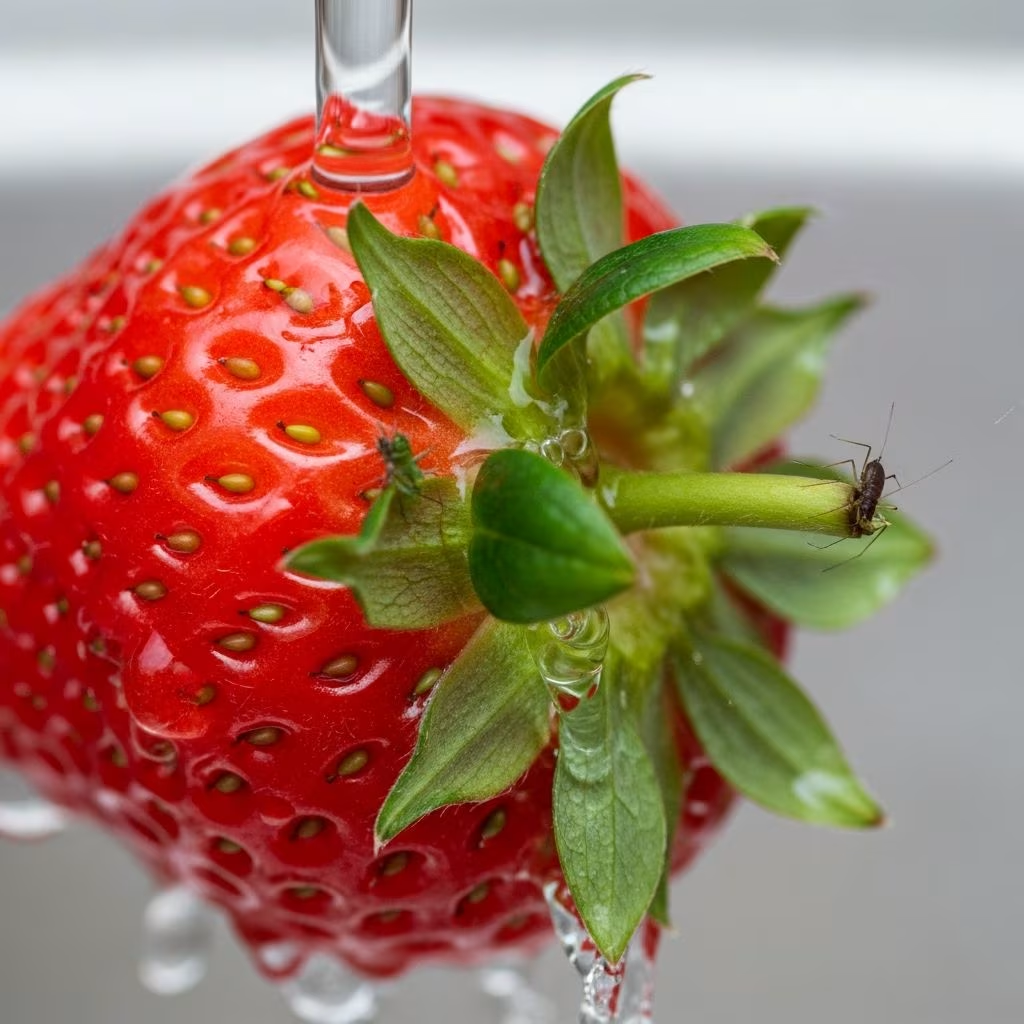
Strawberries are among the most beloved fruits in kitchens worldwide, yet they frequently top lists of produce items requiring careful attention before consumption. Beyond visible dirt, these delicate berries can harbor unwanted visitors and chemical residues that make thorough cleaning essential. Understanding how to properly prepare strawberries ensures you can enjoy them with confidence while protecting your family’s health.
Understanding What’s Really on Your Strawberries
When you purchase strawberries from a grocery store or farmer’s market, you’re getting more than just fruit. The porous surface of strawberries makes them particularly susceptible to collecting various contaminants. These can include soil particles, bacterial colonies, mold spores, and in some cases, microscopic insects or larvae that may have been present before harvesting.
According to food safety experts, strawberries consistently rank among produce items with the highest likelihood of pesticide residues. This isn’t necessarily due to excessive spraying but rather because strawberries’ delicate skin cannot withstand aggressive cleaning methods that might be suitable for hardier produce. The very characteristics that make strawberries appealing to consumers—their soft texture, sweet flavor, and thin skin—also make them vulnerable to contamination and require specialized cleaning approaches.
Additionally, the growing conditions and storage methods can introduce tiny insects or their larvae into the fruit. While these organisms are typically harmless, many consumers prefer to remove them for peace of mind and aesthetic reasons.
Why Standard Rinsing Falls Short
Most people’s instinctive approach involves a quick rinse under running water. While this basic method does remove some surface dirt and loose debris, it leaves behind a substantial portion of potential contaminants. Food processing specialists confirm that simple water rinsing may eliminate obvious particles but cannot adequately address chemical residues, bacterial biofilms, or deeply embedded organisms.
The limitations of basic rinsing become apparent when you consider the microscopic nature of many contaminants. Pesticide residues can bind to the fruit’s waxy coating, mold spores may nestle in the strawberry’s dimpled surface, and certain bacteria form protective colonies that resist casual water exposure. To achieve genuinely clean strawberries, you need a more comprehensive approach.
The Salt Water Solution Method
One of the most effective household cleaning solutions combines salt and water to create an environment that encourages debris and insects to release from the fruit. This method has gained significant attention for its effectiveness and simplicity.
Preparation and Application
To create the salt water solution, combine two tablespoons of salt with one cup of warm water in a bowl large enough to accommodate your strawberries comfortably. Stir the mixture until the salt dissolves completely, creating a uniform solution. The warmth of the water enhances the solution’s ability to penetrate surface contaminants while remaining gentle enough not to damage the delicate berries.
Submerge your strawberries in this solution and allow them to soak for at least ten minutes. During this time, the salt solution works to loosen debris, kill surface bacteria, and encourage any insects or larvae to release their grip on the fruit. You’ll often observe small particles or organisms floating to the surface of the water—this visible evidence indicates the solution is working.
The Rinsing and Drying Process
After the soaking period, carefully remove the strawberries from the salt water solution. Gently rinse them under cool, running water, using your fingers to carefully rotate and examine each berry. Pay particular attention to the crown area where the hull connects to the fruit, as this region tends to harbor more debris. Once rinsed thoroughly, pat the strawberries dry with paper towels or a clean cloth, handling them gently to preserve their delicate texture.
The Vinegar and Baking Soda Alternatives
In addition to salt-based solutions, vinegar and baking soda offer distinct advantages for strawberry cleaning, each working through different chemical mechanisms.
Vinegar-Based Cleaning
Distilled white vinegar provides natural antibacterial properties while remaining food-safe and easy to apply. To prepare a vinegar solution, combine one tablespoon of vinegar with two cups of cool water. This solution simultaneously removes bacteria and helps eliminate mold, making it particularly valuable during humid seasons when mold contamination poses a greater risk.
Soak your strawberries in the vinegar solution for approximately ten minutes, then rinse thoroughly under cool water to eliminate any vinegar taste or odor. The mild acidity of the vinegar solution helps dissolve certain pesticide residues while the antibacterial properties reduce microbial populations on the fruit’s surface.
Baking Soda Approach
Baking soda works through a different mechanism, operating as a mild alkaline agent that can neutralize acidic pesticide residues. Dissolve several teaspoons of baking soda in a large bowl of water to create a solution with a pH around eight to nine. The slight alkalinity of this mixture helps break down certain chemical residues that might resist water alone.
Soak strawberries in the baking soda solution for approximately ten minutes, then rinse thoroughly under cool water to remove all baking soda residue. This method proves particularly effective when produce has been treated with acidic pesticides or fungicides.
The Comprehensive Three-Ingredient Formula
Research and practical testing have identified an optimal combination that addresses multiple contamination concerns simultaneously. Combining salt, vinegar, and water creates a solution superior to any single-ingredient approach.
Optimal Ratio and Preparation
Mix one tablespoon of salt, one tablespoon of vinegar, and two cups of cool water in a mixing bowl. This combination leverages the antibacterial properties of vinegar, the mechanical cleaning action of salt crystals, and water’s ability to carry away loosened debris. The resulting solution addresses mold, bacteria, and residual pesticides while remaining completely safe for food contact.
Implementation Steps
Submerge your strawberries in the three-ingredient solution and allow them to soak for at least ten to fifteen minutes. The extended soaking time permits the solution’s multiple active components to work synergistically. You may observe particles or small insects floating in the water—this indicates the solution is effectively removing contaminants.
After soaking, remove strawberries carefully and rinse them thoroughly under cool, running water. Use your fingers to gently massage each berry while rinsing to ensure complete removal of the solution and loosened debris. Pat dry with paper towels, handling gently to maintain the berries’ structural integrity.
Important Timing Considerations
The timing of when you wash your strawberries significantly impacts their shelf life and storage success. Although removing contaminants is important, strawberries are highly perishable fruits that deteriorate rapidly when exposed to moisture.
Rather than washing strawberries immediately upon arriving home from the store, delay washing until just before consumption or preparation. Strawberries are particularly susceptible to mold development, and moisture accelerates this process. Unwashed berries stored in their original container in the refrigerator maintain freshness substantially longer than pre-washed berries.
This timing strategy represents a balance between food safety and produce longevity. By washing just before eating, you ensure maximum freshness while still eliminating contaminants before consumption.
Proper Storage Following Cleaning
After washing and drying, how you store strawberries determines how long they remain fresh and edible. If you’ve washed berries but aren’t consuming them immediately, return them to the original container with a paper towel or napkin placed at the bottom. This absorbent layer captures excess moisture that could promote mold growth.
Ensure the container’s lid isn’t sealed too tightly; allow slight air circulation to prevent moisture accumulation. Store the container in your refrigerator’s coldest section, typically the lower shelves away from the door where temperature fluctuates most.
Why Commercial Produce Sprays Aren’t Recommended
Many consumers are tempted by commercial produce washing sprays marketed as enhanced cleaning solutions. However, food safety authorities express significant concerns about these products. The porous nature of strawberries means they can absorb chemical components from these sprays, and the safety and effectiveness of such products haven’t undergone rigorous testing equivalent to food safety standards.
Furthermore, commercial produce washes may leave their own residues on the fruit, potentially replacing one concern with another. Regulatory agencies consistently recommend simple washing with water as the safest approach, enhanced with household ingredients like salt, vinegar, or baking soda that have long culinary histories.
Specialized Considerations for Different Storage Scenarios
Your strawberry washing approach may vary slightly depending on your intended use and storage duration. For berries you plan to consume within hours of purchase, a simple rinse under cool water supplemented with gentle manual inspection suffices. For berries destined for refrigeration over several days, the comprehensive three-ingredient salt-vinegar solution provides maximum protection against mold and bacterial growth.
If you’re preparing strawberries for freezing, thorough cleaning becomes even more important since freezing can concentrate any remaining contaminants. Wash using the comprehensive solution, dry completely, and then proceed with your freezing method. The frozen berries will maintain safety parameters better when starting from thoroughly cleaned fruit.
Common Questions About Strawberry Cleaning
Can I use hot water to clean strawberries?
Avoid hot water, which can damage the delicate berry structure and compromise texture. Cool to room-temperature water is preferable, as it effectively removes contaminants without causing cellular damage.
Should I remove the hull before or after washing?
Wash strawberries with the hull intact, as removing it beforehand exposes the fruit’s interior to the cleaning solution and increases moisture absorption. Remove the hull after washing and drying if desired.
How long can I keep cleaned strawberries?
Properly washed and dried strawberries maintain quality for approximately three to five days when stored in a covered refrigerator container with absorbent paper towels. However, unwashed berries typically last longer, making the wash-before-eating approach preferable when possible.
Are organic strawberries cleaner than conventional ones?
Organic strawberries may have different pesticide residues, but they still require thorough cleaning to remove dirt, bacteria, and potential insects. The cleaning methods described here apply equally to both organic and conventional berries.
Summary of Best Practices
- Delay washing until just before consumption to maximize freshness
- Use the three-ingredient solution (salt, vinegar, water) for most comprehensive cleaning
- Soak berries for at least ten minutes to allow contaminants to loosen
- Rinse thoroughly under cool water while gently handling each berry
- Pat dry completely with paper towels before storage or consumption
- Store washed berries in covered containers with absorbent paper towels
- Avoid commercial produce washes in favor of household ingredients
- Keep container lids slightly loose to allow air circulation
Conclusion
Properly cleaned strawberries provide a delicious, safe addition to your diet. By understanding what contaminants strawberries can harbor and employing effective cleaning techniques, you can confidently enjoy this beloved fruit. The methods described here—particularly the comprehensive salt-vinegar solution—represent practical, accessible approaches that don’t require special equipment or expensive products. Whether you’re preparing strawberries for immediate consumption or storing them for later use, implementing these cleaning practices ensures you’re serving your family fruit that’s both delicious and clean.
References
- How To Wash Strawberries To Remove Dirt and Pesticides, According to an Expert — University of Illinois Urbana-Champaign, Food Science and Human Nutrition. 2024. https://fshn.illinois.edu/news/how-wash-strawberries-remove-dirt-and-pesticides-according-expert
- Produce Safety Recommendations — U.S. Food and Drug Administration. 2024. https://www.fda.gov/food/consumers/produce-safety
- Pesticide Residues on Produce — Environmental Working Group. 2024. https://www.ewg.org/foodnews