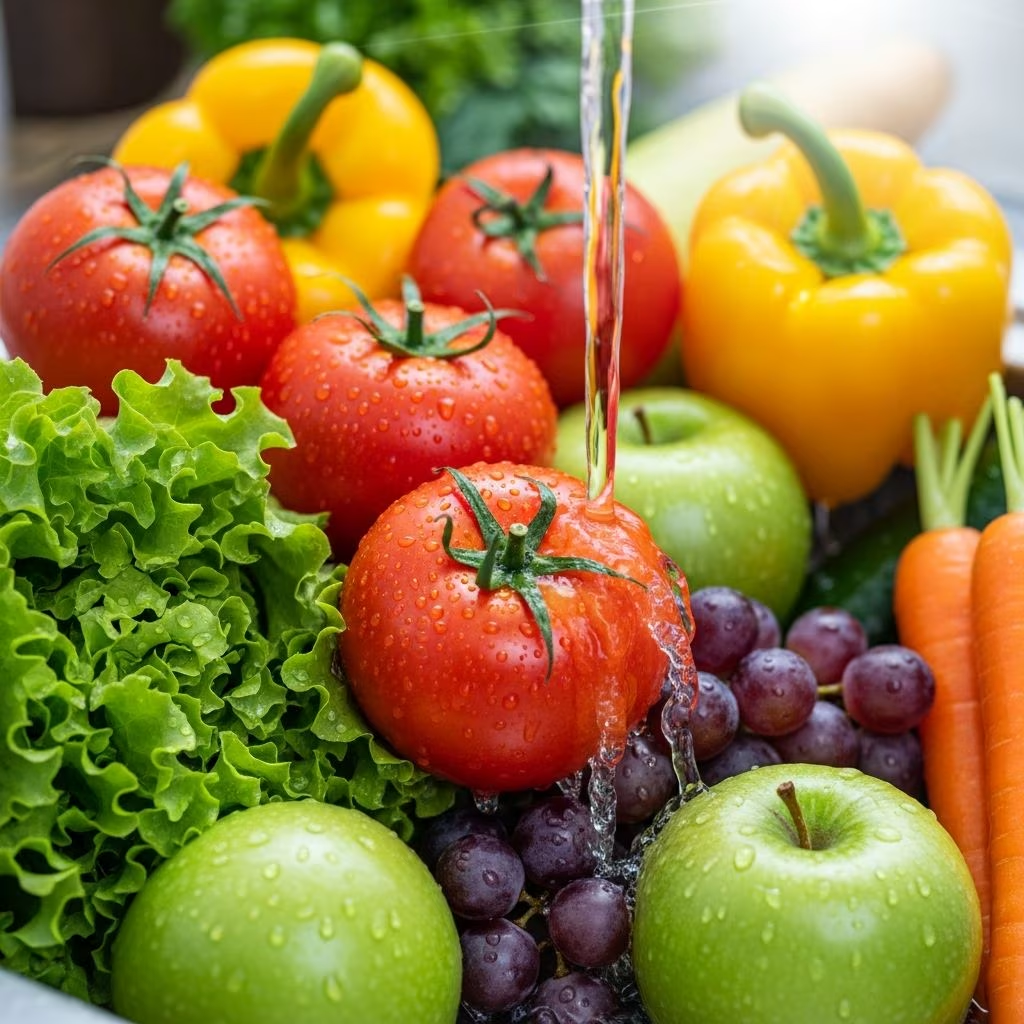
Food safety begins long before items reach your plate. One of the most critical steps in meal preparation involves properly cleaning fruits and vegetables to eliminate surface contaminants, reduce pesticide residues, and minimize the risk of foodborne illness. Despite its simplicity, many home cooks lack awareness about the most effective washing techniques and often make common mistakes that either fail to clean produce adequately or potentially introduce harmful substances. This comprehensive guide explores evidence-based methods for washing various types of produce, addressing misconceptions and providing practical strategies tailored to different fruits and vegetables.
Understanding Why Produce Washing Matters
The importance of washing fresh produce extends beyond visible dirt. Fruits and vegetables encountered in grocery stores, farmers’ markets, and home gardens accumulate various contaminants during cultivation, harvesting, transportation, and storage. These contaminants include bacteria, fungi, pesticide residues, and soil particles that can pose health risks if consumed without proper cleaning. Washing produce helps reduce the amount of pesticide residue present and significantly improves overall food safety by removing many—though not all—potentially harmful microorganisms.
The cleaning process becomes even more critical when produce will be peeled or cut. Bacteria residing on the exterior surface can transfer to the interior flesh during these preparation steps, potentially contaminating areas that won’t receive direct washing. Therefore, even produce that will be peeled should undergo thorough washing before processing.
Preparing Your Workspace and Hands
Effective produce hygiene begins before water touches any fruit or vegetable. According to U.S. Food and Drug Administration guidelines, individuals should wash their hands with soap and warm water for at least 20 seconds both before and after preparing food. This foundational step prevents the transfer of bacteria from hands to produce.
Equally important is preparing your kitchen environment. Clean and sanitize cutting boards, countertops, and utensils before beginning food preparation. After handling each food item, wash these surfaces again with hot, soapy water to prevent cross-contamination between different foods. Using separate cutting boards for produce and raw animal products further minimizes contamination risks.
Before washing, examine your produce carefully. Discard any items showing visible signs of decay, extensive bruising, or mold. These visual indicators suggest advanced deterioration and potential microbial contamination that washing cannot reverse.
The Timing Factor in Produce Washing
When you wash produce matters significantly for food safety. Since moist surfaces create ideal conditions for bacterial growth, washing should occur right before cooking or consumption rather than hours in advance. This timing reduces the window during which microorganisms can proliferate on wet produce surfaces. Additionally, allowing cleaned produce to sit in the refrigerator while damp can encourage bacterial development, making immediate use preferable to advanced preparation in most cases.
Water-Based Washing Techniques
Cold Running Water Method
The simplest and most universally applicable washing technique involves holding produce under cool running water while gently rubbing it with your hands. This basic approach works effectively for most fruits and vegetables. Rub and rotate items under the water stream for at least 20 seconds to ensure all surface areas receive exposure. The mechanical action of rubbing combined with water flow removes many surface contaminants, dirt particles, and some pesticide residues.
For firmer produce items like potatoes, carrots, and apples, you can increase the washing effectiveness by applying slightly more pressure during the rubbing process. However, maintain gentleness with delicate items to avoid bruising.
Soaking Technique
Soaking provides a more thorough cleaning method, particularly beneficial for produce with complex surface structures. Fill a large bowl or clean sink basin with cool, clean tap water and submerge vegetables or fruits for 10 to 15 minutes. This extended contact time allows water to penetrate crevices and help dislodge contaminants more effectively than quick rinsing.
When removing soaked produce, lift items out of the water rather than pouring the entire contents down the drain. This technique allows dirt and debris to settle to the bottom of the basin rather than recirculating onto the produce. Follow soaking with a final rinse under running water to remove any remaining residue.
Vegetable Brush Scrubbing
Produce with thick, durable exterior surfaces benefits from mechanical scrubbing. Use a clean vegetable brush while running water to firmly scrub items such as root vegetables, melons, and cucumbers. The brush bristles help dislodge stubborn soil particles and microbes that simple rubbing cannot remove. Pay particular attention to any grooves, dimples, or textured areas where contaminants accumulate.
Enhanced Washing Solutions
Baking Soda Soak
Research indicates that washing with baking soda can be more effective than water alone for reducing pesticide residues on certain produce items. To prepare a baking soda solution, mix one teaspoon of baking soda per cup of water in a large bowl. Soak produce for 5 to 10 minutes, then remove items and rinse thoroughly under running water to eliminate any remaining baking soda residue and loosened contaminants.
Vinegar Solution Washing
Vinegar-based washing represents another evidence-supported technique for improving produce cleanliness. Mix one part distilled white vinegar with three parts water to create an effective soaking solution. Submerge produce for 5 to 10 minutes, then remove and rinse under running water. Research demonstrates that vinegar soaking reduces—though does not completely eliminate—bacteria contamination and may slightly affect texture and taste in some vegetables. This method works particularly well for leafy greens and produce with intricate surface features.
Produce-Specific Washing Strategies
Leafy Greens and Herbs
Lettuce, spinach, kale, and other leafy vegetables require special attention due to their numerous crevices where soil and microbes hide. Separate individual leaves and soak them in cool water for several minutes, then drain using a clean strainer or colander. Repeat this soaking and rinsing process multiple times to ensure thorough cleaning. The goal involves progressive dilution of contaminants with each rinse cycle. Alternatively, soak greens for five minutes in a vinegar and water solution followed by a clean water rinse for enhanced cleaning.
After washing, dry greens thoroughly using a salad spinner or clean towels. Excess moisture promotes bacterial growth during storage.
Delicate Fruits
Berries and other soft fruits require gentler handling to prevent bruising and damage. Rather than submerging these items, place them in a clean colander and spray with running water, or dip them briefly into a bowl of cool water while rotating gently. For strawberries, which are particularly porous and susceptible to contamination, run them under vigorous water for 10 to 20 seconds to ensure thorough cleaning. After washing, allow delicate fruits to air dry or gently pat dry with paper towels. Avoid soaking soft berries in standing water, which can promote deterioration.
Root and Dense Vegetables
Potatoes, carrots, beets, and similar root vegetables tolerate aggressive washing methods. Use a vegetable brush while running water to scrub away soil thoroughly. Focus on creases and areas where dirt becomes trapped. These produce items can withstand extended brushing without damage, making them excellent candidates for the most thorough cleaning techniques.
Smooth-Skinned Fruits
Apples, watermelons, and other smooth-surfaced fruits require only brief washing under cool water for approximately 10 seconds. Gentle rubbing with hands or a soft cloth removes surface contaminants without damaging the produce. Even though you may peel these items before eating, washing the exterior first prevents bacteria transfer to the interior during peeling.
Produce with Inedible Peels
Avocados, squash, melons, and similar items with thick, inedible skins still require exterior rinsing before cutting or peeling. This practice prevents knife blades from pushing surface bacteria into the edible interior flesh during processing.
What NOT to Use When Washing Produce
Despite the availability of commercial produce wash products and the temptation to use household items, expert consensus clearly discourages several washing methods. Do not use any soaps, detergents, bleach, or commercial produce wash products. These substances pose safety concerns, with uncertain efficacy for cleaning produce. Their residues may remain on produce surfaces despite rinsing, potentially creating more problems than they solve.
Never dilute bleach or use any bleach-based cleaning products on food items, regardless of dilution ratios. The risks associated with ingesting bleach residues far outweigh any potential cleaning benefits. Similarly, avoid using dish soap or hand soap, which can leave harmful residues.
Understanding Washing Limitations
While proper washing significantly reduces surface contaminants, it cannot eliminate all bacteria, pesticides, or other harmful substances. Some pesticide residues penetrate the produce skin during growing and cannot be removed through washing. In such cases, peeling becomes the most effective removal strategy for fruits and fruiting vegetables that can be peeled. However, peeling is impractical for leafy vegetables and delicate items.
The benefits of consuming fresh fruits and vegetables—regardless of growing method—far outweigh risks associated with residual contaminants. Properly washed produce provides essential nutrients and health benefits that justify reasonable food safety precautions.
Comparing Washing Methods: Effectiveness Overview
| Washing Method | Best For | Duration | Effectiveness |
|---|---|---|---|
| Running Water Rinse | Most produce types | 20+ seconds | Removes many surface contaminants |
| Water Soaking | Leafy greens, complex surfaces | 10-15 minutes | Reaches difficult areas |
| Brush Scrubbing | Root vegetables, melons | Varies | Dislodges stubborn soil |
| Baking Soda Solution | General produce | 5-10 minutes | Reduces pesticide residues |
| Vinegar Solution | Greens and delicate items | 5 minutes | Reduces bacteria contamination |
Drying and Storage After Washing
Proper drying prevents moisture-related bacterial growth and spoilage. Air dry produce whenever practical, or use clean paper towels to pat items dry. Salad spinners effectively remove excess water from leafy greens and should be thoroughly cleaned with warm soapy water after each use, then allowed to air dry completely.
Store dried produce in appropriate conditions—refrigeration for most items, cool pantries for shelf-stable varieties. Ensure storage containers remain clean to prevent recontamination after washing.
Frequently Asked Questions
Is it necessary to wash organic produce?
Yes. While organic produce typically contains lower pesticide residue levels, it still accumulates soil, bacteria, and other surface contaminants during growing and handling. All produce, regardless of growing method, should receive thorough washing before consumption.
Should pre-washed salad mixes be washed again?
Pre-washed produce has undergone some cleaning, but additional rinsing provides extra safety assurance and removes bacteria that may have proliferated during packaging and storage. Give these items a final rinse under cool water before consuming.
Can washing remove all pesticide residues?
No. Washing reduces surface residues but cannot remove pesticides that have absorbed into the produce or penetrated beneath the skin. For produce where residues are a significant concern, peeling offers more effective removal.
How does temperature affect washing effectiveness?
Cool to room-temperature water works best for washing produce. Cold water may temporarily firm the produce, while hot water can damage delicate items. Water temperature should feel comfortable on your hands.
References
- Best Ways to Wash Fruits and Vegetables — University of Maine Extension, Bulletin #4336. https://extension.umaine.edu/publications/4336e/
- EWG’s Guide to Washing Produce — Environmental Working Group. 2025. https://www.ewg.org/
- How to Clean Fruits and Vegetables — Brown University Health. https://www.brownhealth.org/be-well/how-clean-fruits-and-vegetables
- The Truth About Produce Wash — Center for Food Safety. https://www.centerforfoodsafety.org/healthy-home/3274/cfs-healthy-home/tips-for-a-healthy-home/3474/the-truth-about-produce-wash
- How Important is it to Wash Fruits and Vegetables Before Eating? — Ohio State University Health & Wellness. https://health.osu.edu/wellness/exercise-and-nutrition/washing-fruits-vegetables
- Effectiveness of Different Washing Strategies on Pesticide Residue Removal — National Center for Biotechnology Information, PMC9498324. https://pmc.ncbi.nlm.nih.gov/articles/PMC9498324/