Monosodium glutamate, commonly known as **MSG**, delivers a pure burst of umami—the savory fifth taste that makes foods irresistible. Far from the outdated stigma, MSG enhances natural flavors in everything from scrambled eggs to grilled steaks, allowing home cooks to create restaurant-quality meals with minimal effort. This guide dives into practical applications, precise measurements, and creative recipes to integrate MSG seamlessly into your routine.
What Makes MSG a Kitchen Essential?
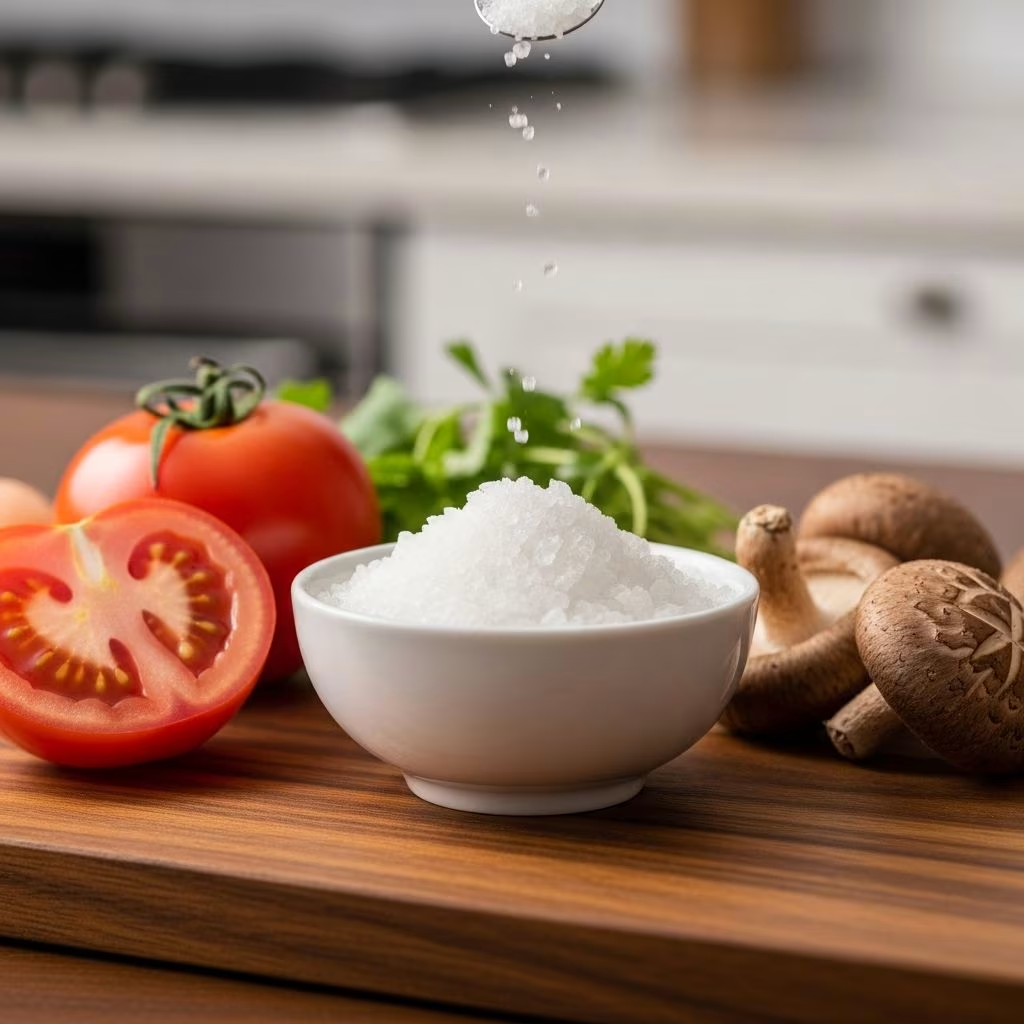
MSG is the sodium salt of glutamic acid, a naturally occurring amino acid found in tomatoes, cheese, mushrooms, and seaweed. It amplifies existing savory notes without adding sweetness, bitterness, or sourness, making it a versatile enhancer. Unlike table salt, which primarily provides salinity, MSG targets umami receptors on the tongue, creating depth in bland dishes.
In professional kitchens and home experiments, MSG shines by balancing flavors. Taste it pure: a few crystals reveal a clean, brothy savoriness akin to concentrated stock. This purity means it integrates without overpowering, ideal for low-sodium diets since it contains about one-third the sodium of table salt by weight.
Mastering Dosage: How Much MSG to Use
Precision prevents the ‘processed’ overtone from overuse. Optimal levels range from 0.1% to 0.8% of a dish’s weight, matching natural glutamate in foods like parmesan or soy sauce. For practical use:
- Per 500g (about 1 lb) food: No more than 1/8 tsp (0.5g) MSG.
- Ground beef (1 lb): 1/2 tsp mixed in before cooking.
- 4 eggs (scrambled): 1/8 tsp with reduced salt.
- Vegetables (4-6 servings): 1/2 tsp total.
Start low, taste, and adjust. Its self-limiting nature means excess creates an unpleasant, metallic aftertaste, safeguarding against overconsumption.
Three Core Strategies for Everyday MSG Use
Incorporate MSG like any seasoning: before, during, or after cooking. Here’s how to apply it strategically.
1. Blend into Custom Seasonings
Create an all-purpose mix by combining MSG with garlic powder, onion powder, black pepper, and chili flakes. A simple ratio: 3 parts salt to 1 part MSG, or experiment with 50/50 for bolder umami. This blend works on roasted vegetables, popcorn, or soups.
Pro Tip: For sodium-conscious cooks, dilute existing spice rubs with 2-3 tablespoons MSG per cup. It cuts total salt while amplifying savoriness.
2. Substitute for Salt
MSG enables up to 50% salt reduction without flavor loss, crucial since processed foods dominate sodium intake. Gradually shift: replace one-third of salt with MSG, then half. Sprinkle on avocado toast, fries, or rice cooked in MSG-seasoned water for subtle enhancement.
| Traditional Salt Amount | MSG-Enhanced Mix | Benefit |
|---|---|---|
| 1 tsp salt | 2/3 tsp salt + 1/3 tsp MSG | 33% less sodium, richer taste |
| 1/2 tsp salt (per lb meat) | 1/4 tsp salt + 1/4 tsp MSG | Juicier, more flavorful protein |
| Pinch for veggies | Dash MSG only | Umami boost, no extra sodium |
3. Timing for Maximum Impact
- Before cooking: Mix into ground meats, doughs, or marinades for grilled items.
- During cooking: Stir into sauces, stews, or boiling water for rice/pasta.
- After cooking: Finish fried rice, steaks, or salads for a fresh umami hit.
Quick Recipes to Test MSG Magic
These original recipes showcase MSG’s versatility. Each serves 2-4 and uses minimal amounts for balanced flavor.
Umami-Packed Scrambled Eggs
- Whisk 4 eggs with 1/8 tsp MSG, 1/4 tsp salt (reduced), pepper, and a splash of milk.
- Scramble over medium heat with butter until fluffy. Top with chives.
Result: Eggs taste richer, like they simmered in broth. Total time: 5 minutes.
MSG-Seasoned Beef Burgers
- Mix 1 lb ground beef, 1/2 tsp MSG, 1/2 tsp salt, garlic powder, and onion powder.
- Form patties, sear 4 minutes per side. Serve on buns with toppings.
The patties emerge juicier with beefy depth.
Quick Chili Garlic Noodles
- Boil 8 oz noodles per package. Drain.
- Toss with 1 tsp MSG dissolved in 2 tbsp soy sauce, 1 tbsp chili oil, 1 tsp sugar, chopped scallions, and preserved veg if available.
A 5-minute dish bursting with savory heat.
Roasted Veggies with Umami Dust
Toss broccoli, carrots (1 lb total) with oil, 1/4 tsp MSG, pepper. Roast at 425°F for 20 minutes. Crisp, flavorful perfection.
Debunking MSG Myths with Science
Decades of research confirm MSG’s safety. The FDA classifies it as “generally recognized as safe” (GRAS). Studies show no link to headaches or other symptoms in double-blind trials; sensitivity affects far fewer than 1%. Glutamate from MSG is metabolized identically to that in breast milk or steak.
Primary sources like the World Health Organization endorse moderate use. Naturally, foods contain 0.1-0.2% glutamate; added MSG simply matches this.
Advanced Techniques for Seasoned Cooks
Elevate further: Add MSG to bread dough with sodium carbonate for chewy ramen noodles, or spike stocks for ramen bases. Pair with acids like vinegar or ginger to brighten umami. In baking, a pinch in pizza dough enhances cheese pull.
For global twists: Dust on Indian curries for depth, or mix into Japanese furikake for rice.
Frequently Asked Questions (FAQs)
Is MSG safe for daily use?
Yes, regulatory bodies worldwide deem it safe at typical culinary doses, equivalent to glutamate in everyday foods.
Can MSG replace all salt?
Not entirely—balance with salt for full seasoning, but it significantly cuts sodium.
Where to buy pure MSG?
Asian markets or online as “ajinomoto.” Avoid blends with fillers.
Does MSG work in sweets?
Rarely; it’s for savory profiles, though traces enhance chocolate’s depth experimentally.
How to store MSG?
In a cool, dry shaker like salt—indefinite shelf life.
Pairing MSG with Other Flavor Boosters
Umami synergizes: Combine with fats (butter, oil), acids (lemon, vinegar), heat (chili), and aromatics (ginger, garlic). This quartet awakens dishes holistically.
Experiment in dips: Add to hummus or guac for instant upgrade.
References
- How to Actually Use MSG — Chinese Cooking Demystified. 2023-05-15. https://chinesecookingdemystified.substack.com/p/how-to-actually-use-msg
- Cooking with MSG Video Series, #2: Enhancing Everyday Recipes — MSGdish YouTube. 2022-08-10. https://www.youtube.com/watch?v=NRoE6ZpqhEo
- Cooking with MSG: A Beginner’s Guide to Umami Flavor — Street Smart Nutrition. 2024-02-20. https://streetsmartnutrition.com/cooking-with-msg-monosodium-glutamate/
- Cooking with MSG: Some Food for Thought — MSGdish. 2023-11-05. https://msgdish.com/cooking-with-msg