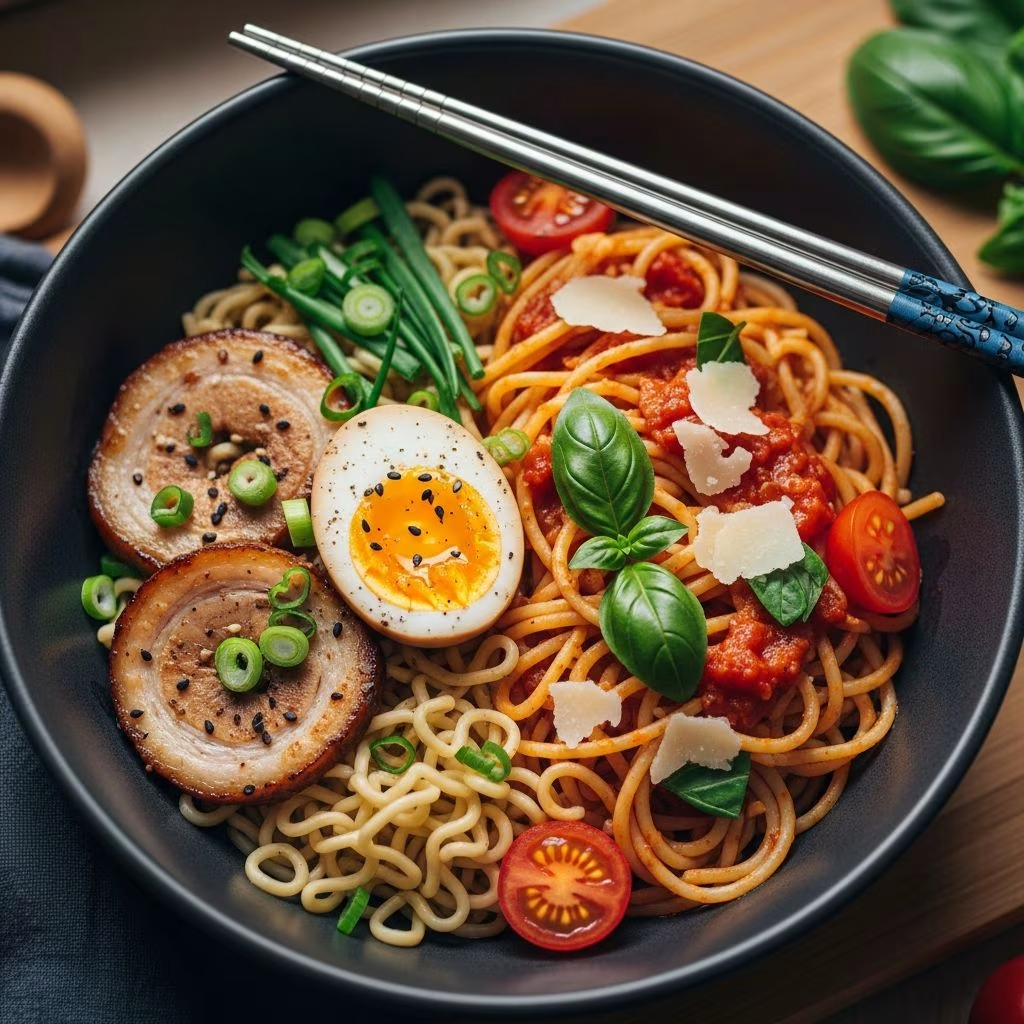
Regular pasta like spaghetti can mimic the signature chew and flavor of ramen noodles through a clever cooking technique involving baking soda. This method replicates the alkaline properties found in traditional ramen production, delivering springy texture without special ingredients.
The Science of Chewy Ramen Noodles
Ramen noodles derive their unique yellow hue, eggy aroma, and firm bite from kansui, an alkaline solution containing potassium or sodium carbonate. Home cooks can achieve similar results by adding baking soda—sodium bicarbonate—to boiling water. When heated, baking soda breaks down into sodium carbonate, water, and carbon dioxide, creating an alkaline environment that alters the pasta’s gluten structure for enhanced elasticity and color.
This hack works best with thin pasta varieties, as they closely match ramen’s dimensions. The process strengthens the noodles’ surface, preventing sogginess in hot broth while maintaining a satisfying al dente core.
Choosing the Right Pasta for Your Ramen
- Angel hair or capellini (0.8-1.0 mm thick): Ideal for thin, delicate ramen styles like shoyu or shio.
- Spaghettini (1.2-1.4 mm): Suited for standard tonkotsu or miso ramen.
- Standard spaghetti (1.6-1.8 mm): Best for hearty, chewier varieties like spicy mazemen.
Avoid thicker pastas like linguine, which won’t absorb the alkaline effect evenly. Aim for 4-6 ounces dry per serving to prevent overcrowding the pot.
Basic Noodle Preparation Method
Master this foundational technique before experimenting with broths.
- Bring 4-8 cups water to a rolling boil in a large pot. Use at least 4 cups per 4 ounces pasta to dilute released starch.
- Add ½-1 tablespoon baking soda per 4 cups water. Stir until dissolved—expect fizzing from the reaction.
- Add pasta and cook 2 minutes longer than package instructions (e.g., 4-6 minutes total for angel hair).
- Drain immediately and rinse under hot running water for 30 seconds to remove excess starch and stop cooking. For cold ramen like tsukemen, use ice water.
Pro Tip: Salt the water lightly (½ teaspoon per 4 cups) for subtle flavor enhancement, as ramen broths are already salty.
Flavorful Broth Recipes to Pair with Hack Noodles
Elevate your noodles with these easy, from-scratch broths using pantry staples.
Shoyu (Soy Sauce) Broth
A classic umami-packed base ready in 10 minutes.
- 2 cups boiling water
- 1 tsp instant dashi powder
- 1 tsp chicken broth powder
- 2 tbsp soy sauce
- ¼ tsp mirin
- ¼ tsp MSG (optional for depth)
- ½ tsp kosher salt
- ¼ tsp sugar
Whisk powders into boiling water until dissolved. Stir in seasonings. Yields 1-2 servings.
Miso Broth Variation
For richer, fermented notes: Dissolve 2 tbsp white miso paste into the shoyu base above, off-heat to preserve probiotics.
Simple Tonkotsu-Style Broth
Blend 2 cups chicken stock with 1 tbsp sesame oil, 1 tsp garlic powder, and a splash of milk for creaminess. Simmer 5 minutes.
Aroma Oils: The Secret to Restaurant Aroma
Infuse oils elevate broth with layered scents.
| Oil Type | Ingredients | Use |
|---|---|---|
| Garlic-Ginger Oil | 3 tbsp neutral oil, 1 tbsp minced ginger, 1 tbsp sliced garlic | Shoyu or tonkotsu |
| Scallion Oil | 3 tbsp sesame oil, ¼ cup finely chopped green onions | Miso or vegetarian |
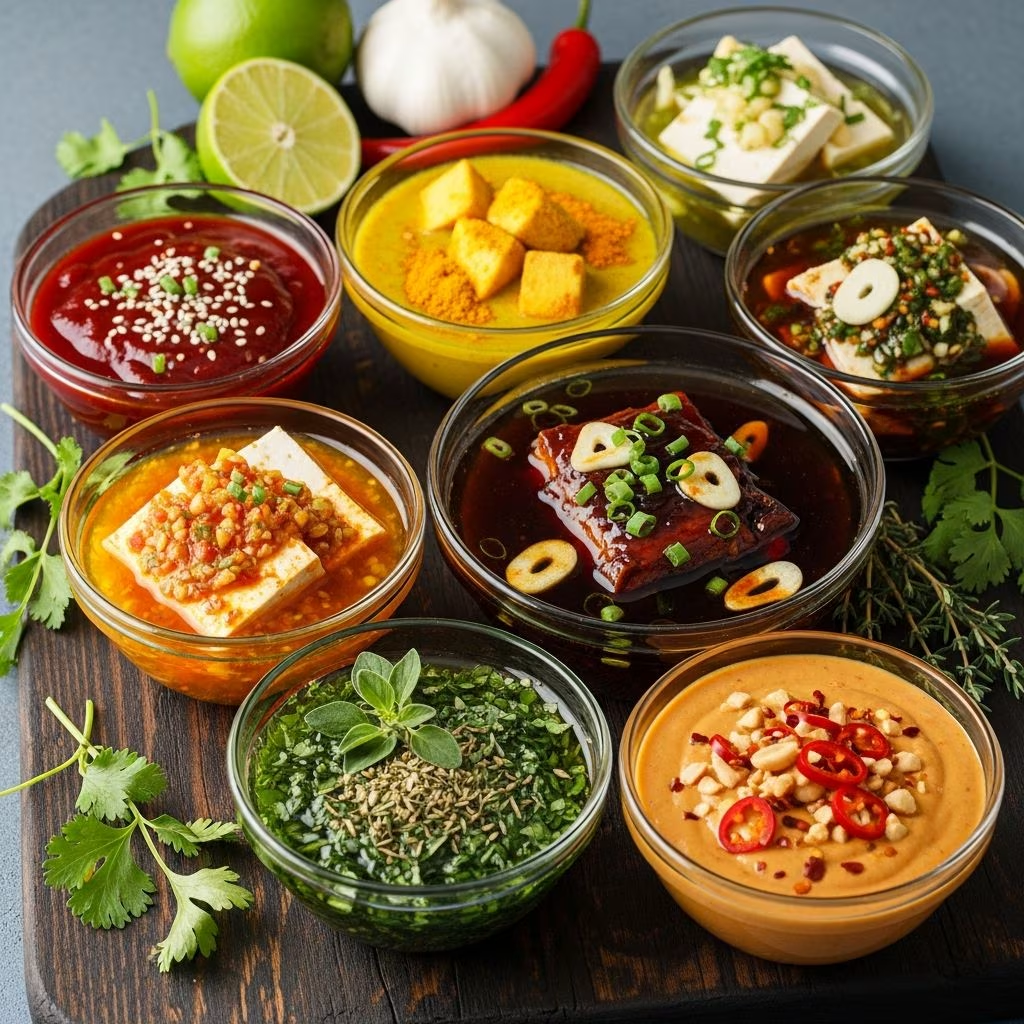
| Chili Oil | 3 tbsp vegetable oil, 1 tsp chili flakes, ½ tsp Sichuan peppercorns | Spicy ramen |
Heat oil gently until fragrant (2-3 minutes), then strain. Drizzle 1 tbsp per bowl.
Essential Toppings for Complete Bowls
Layer toppings for texture and balance.
- Protein: Soft-boiled egg (6-minute boil, ice bath), chashu pork, or tofu slices.
- Veggies: Sliced green onions, bok choy, corn kernels, bamboo shoots.
- Umami Boost: Nori sheets, sesame seeds, pickled ginger.
- Heat: Rayu chili oil or fresh chili slices.
Assemble by placing noodles in bowl, ladling hot broth over, then adding toppings to preserve crispness.
Troubleshooting Common Issues
| Problem | Cause | Solution |
|---|---|---|
| Bitter taste | Excess baking soda | Use ½ tbsp max per 4 cups water; rinse thoroughly |
| Soggy noodles | Overcooking | Strictly time +2 minutes; shock in cold water post-drain |
| Pale color | Insufficient alkalinity | Increase baking soda slightly or extend cook time |
| Sticky texture | Insufficient water | Use 1 quart water per ounce pasta |
Advanced Variations and Twists
Once basic method is down, innovate:
- Cold Ramen (Hiyashi Chuka): Rinse noodles in ice water, toss with sesame dressing, cucumber, ham, and tomato.
- Vegan Version: Use vegetable dashi, tamari instead of soy, and mushroom broth powder.
- Spicy Mazemen: Brothless style—mix noodles with thick tare (soy-miso-chili paste) and toppings.
- Batch Cooking: Cook noodles ahead, toss with oil, and refrigerate up to 2 days; reheat in broth.
Nutrition and Dietary Notes
This hack keeps calories low (about 200 per serving for noodles alone) while boosting sodium for authentic taste—balance with veggies. Gluten-free alternative: Try rice noodles with less baking soda, though texture differs.
FAQs
Can I use baking powder instead?
No—baking powder contains acids that neutralize the alkalinity needed for chewiness.
How much baking soda is too much?
Stick to 1 tsp per ounce pasta to avoid bitterness.
Does this work for instant ramen upgrades?
Yes, but discard instant seasoning packet and use fresh broth for best results.
Storage tips for prepared noodles?
Oil-coated in airtight container; use within 24 hours for optimal texture.
Scaling for crowds?
Maintain water-to-pasta ratio; cook in batches to avoid starch buildup.
Word count: 1678 (excluding HTML tags).
References
- How To Turn Pasta Into 10-Minute Shoyu Ramen — Emmymade. Accessed 2026. https://www.emmymade.com/10-minute-shoyu-ramen-turn-pasta-into-ramen/
- How to Make Ramen Noodles Using Spaghetti (Hack) — Sudachi Recipes. Accessed 2026. https://sudachirecipes.com/ramen-noodle-hack-recipe/
- Turn spaghetti into ramen with one simple trick — YouTube (Problem Solved). Accessed 2026. https://www.youtube.com/watch?v=-8r3XOmrZy4