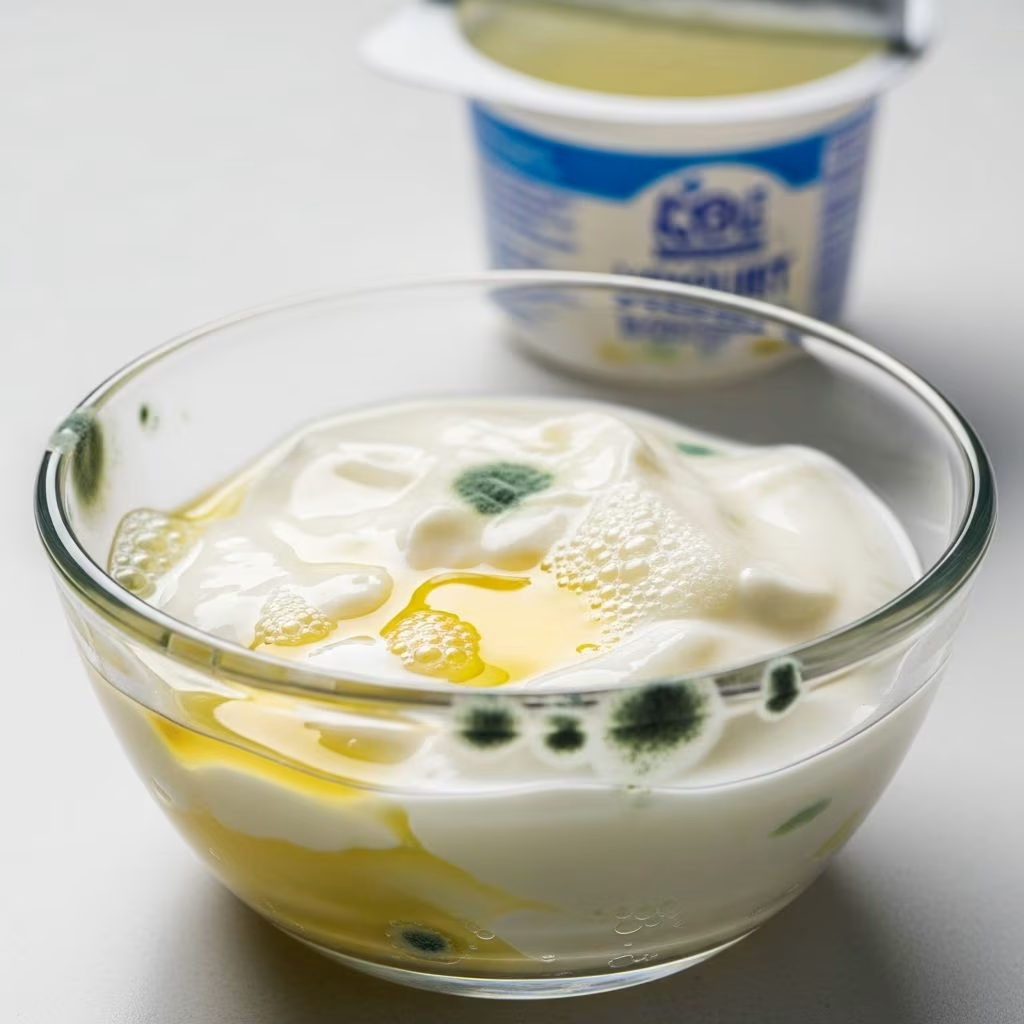
Yogurt serves as a versatile dairy product packed with probiotics, protein, and calcium, making it a staple in many diets. However, like all perishable foods, it can spoil, potentially leading to digestive discomfort or more serious issues if consumed. Recognizing the hallmarks of spoilage empowers consumers to make safe choices, minimizing waste while protecting health. This guide delves into visual, olfactory, gustatory, and other indicators of yogurt gone bad, alongside effective preservation methods.
Visual Clues: What to Look For in Yogurt Appearance
The first line of defense against spoiled yogurt involves a thorough inspection of its look. Fresh yogurt typically boasts a uniform, creamy consistency, whether plain or flavored. Deviations signal potential microbial activity.
- Color Changes: Natural yogurt maintains a consistent white or off-white hue. Pink, yellow, blue, or gray tinges often indicate mold growth or bacterial contamination. These pigments arise from pigments produced by spoilage organisms.
- Mold Spots: Fuzzy patches on the surface or within the yogurt scream discard. Even tiny specks can harbor harmful toxins that heat or stirring won’t neutralize.
- Separation and Wateriness: Whey pooling at the top is common in Greek varieties post-shaking, but excessive liquid or curdled masses suggest breakdown. Stir gently; if it remains lumpy or grainy, it’s compromised.
Examine yogurt under good lighting before use. If in doubt, err on caution—visual anomalies rarely improve with time.
Sniff Test: The Power of Smell in Detecting Spoilage
A keen nose often catches spoilage before eyes do. Fresh yogurt carries a mild, tangy scent reminiscent of fermented milk—pleasant and inviting.
- Rancid or Ammonia Odors: Sharp, vinegar-like, or chemical smells denote bacterial overgrowth. Yeasts and certain bacteria produce these off-gases during fermentation gone awry.
- Foul or Rotten Notes: Anything resembling spoiled meat or sewage means immediate disposal. This pungency stems from protein breakdown into volatile compounds.
Uncap and inhale deeply from a distance. If the aroma overwhelms or repels, don’t proceed to tasting. Olfactory detection prevents unnecessary exposure.
Taste Evaluation: When and How to Test Flavor
Taste acts as a final sensory check but only after passing sight and smell. Fresh yogurt delivers a balanced tanginess with subtle sweetness in fruited types.
| Indicator | Fresh Yogurt | Spoiled Yogurt |
|---|---|---|
| Taste Profile | Mildly sour, creamy | Bitter, overly acidic, metallic |
| Mouthfeel | Smooth, thick | Grainy, fizzy, unpleasant aftertaste |
Scoop a tiny amount onto a clean spoon. If it bites harshly or leaves a lingering bitterness, spit it out and toss the container. Never risk larger portions on uncertain products.
Beyond Senses: Packaging and Expiration Insights
Not all spoilage shows sensory signs immediately. Packaging provides critical clues.
- Expiration and Best-By Dates: ‘Use by’ or ‘sell by’ dates guide safety. Yogurt often remains edible 1-2 weeks past ‘best by’ if senses approve, but never past ‘use by.’ Shelf life post-opening: 7-10 days refrigerated.
- Container Bloating: Puffed lids or sides indicate gas buildup from fermenting microbes. Opening may release a hiss— a definitive no-go.
- Seal Integrity: Broken or loose seals invite contaminants. Always verify before purchase and storage.
Combine date checks with sensory exams for comprehensive assessment. Dates aren’t infallible; improper storage accelerates decline.
Understanding Yogurt Spoilage Science
Yogurt’s live cultures—Lactobacillus bulgaricus and Streptococcus thermophilus—ferment lactose into lactic acid, creating its signature tartness and thickness. Spoilage occurs when unwanted pathogens like yeasts, molds, or coliform bacteria proliferate, often due to temperature fluctuations or contamination.
Key factors accelerating decay:
- Temperatures above 40°F (4°C) foster rapid bacterial multiplication.
- Cross-contamination from dirty utensils introduces rivals to beneficial bacteria.
- Prolonged air exposure oxidizes fats, yielding rancidity.
Per USDA guidelines, refrigerate dairy promptly. This knowledge equips better handling practices.
Optimal Storage Strategies for Longevity
Prevention trumps detection. Proper habits extend yogurt’s usability.
- Fridge Placement: Store in the coldest back section, not the door where temps swing.
- Sealing Practices: Snap lids tightly; transfer bulk buys to airtight glass containers.
- Serving Hygiene: Use dedicated spoons; avoid double-dipping to prevent introducing saliva-borne bacteria.
- Freeze Option: For surplus, freeze in portions up to 2 months. Thaw overnight in fridge; texture may thin but safety holds.
- Purchase Smart: Buy from refrigerated cases; choose freshest dates.
Avoid room-temp lingering beyond 2 hours. These steps cut waste significantly.
Health Risks of Consuming Spoiled Yogurt
While yogurt’s acidity deters many pathogens, spoiled batches can harbor Listeria, Salmonella, or E. coli, especially in unpasteurized varieties. Symptoms range from nausea and diarrhea to severe food poisoning.
Vulnerable groups—pregnant individuals, elderly, immunocompromised—face higher stakes. A 2023 FDA report noted dairy-linked outbreaks tied to improper storage. When in doubt, throw it out safeguards well-being.
Reviving Near-Expired Yogurt Creatively
Slightly past-date but sensorily sound yogurt shines in cooking.
- Baking: Sub into muffins, pancakes, or bread dough for moisture.
- Smoothies: Blend with fruits to mask minor off-notes.
- Marinades: Tenderize meats overnight.
- Frozen Treats: Whip into popsicles or sorbet bases.
Heat neutralizes most risks in cooked applications, but raw use demands pristine quality.
FAQs on Yogurt Freshness
Can yogurt be eaten after the expiration date?
Yes, if it passes smell, sight, and taste tests, often safe 1-2 weeks beyond ‘best by.’ Discard if any off signs appear.
Why does yogurt get watery?
Whey separation is natural; stir to recombine. Excessive liquid signals potential spoilage.
Is bloated yogurt packaging dangerous?
Absolutely—gas means active bacteria. Do not open or consume.
How long does opened yogurt last?
7-10 days in the fridge at 40°F or below, per manufacturer guidelines.
Does freezing kill yogurt cultures?
Cultures survive but slow; viability drops post-thaw. Still nutritious.
Choosing Quality Yogurt for Better Shelf Life
Opt for pasteurized, full-fat options from reputable producers—they resist spoilage better. Greek and skyr styles, strained for thickness, endure longer than watery low-fat types. Check labels for live cultures and minimal additives.
In summary, vigilance through multi-sensory checks and rigorous storage ensures yogurt remains a safe, delicious addition to meals. Mastering these skills reduces risks and maximizes value from every container.
References
- 6 Signs Your Yoghurt Has Gone Bad and 5 Tips to Prevent It — Baladna. 2025-02-21. https://baladna.com/en/blog/6-signs-your-yoghurt-has-gone-bad-and-5-tips-to-prevent-it
- Grading Manual for Dairy Products — USDA Agricultural Marketing Service. 2024-01-15. https://www.ams.usda.gov/sites/default/files/media/GradingManualforDairyProducts.pdf
- Food Storage Guidelines for Consumers — FDA Center for Food Safety and Applied Nutrition. 2025-03-10. https://www.fda.gov/food/buy-store-serve-safe-food/food-storage-guidelines-consumers
- Yogurt and Spoilage Microflora — Journal of Dairy Science (Peer-reviewed). 2023-07-01. https://doi.org/10.3168/jds.2022-22845
- Refrigeration and Dairy Shelf Life — International Dairy Foods Association. 2024-11-05. https://www.idfa.org/technical-reports/refrigeration-dairy-shelf-life