Rice serves as a dietary cornerstone for billions, prized for its versatility and longevity when stored correctly. However, improper handling can turn this staple into a health hazard. Understanding how to recognize spoilage in both uncooked and prepared rice is crucial for preventing foodborne illnesses.
Understanding Rice Shelf Life Basics
Dry rice typically lasts years if kept in airtight conditions, but factors like moisture and pests accelerate deterioration. Cooked rice, conversely, demands prompt refrigeration, lasting only days in the fridge or months when frozen. These timelines hinge on storage quality and environmental exposure.
- Dry white rice: Up to 4-5 years in a cool, dry pantry.
- Brown rice: 6-12 months due to higher oil content.
- Cooked rice: 1-6 days refrigerated; 6 months frozen.
These durations assume optimal conditions; always inspect before use.
Key Indicators of Spoilage in Uncooked Rice
Examine dry rice packages for physical damage first. Tears or punctures invite contaminants. Inside, search for pantry invaders like weevils or moths, identifiable by tiny holes or wriggling insects.
Moisture manifests as clumping or visible water marks, fostering mold. Discoloration—yellowing or graying—signals oxidation or fungal activity. A rancid, musty aroma departs from rice’s neutral scent, often from lipid breakdown in whole grains.
An oily sheen on grains points to fat rancidity, especially in brown varieties. Taste a small cooked portion if visuals pass; off-flavors confirm discard.
| Sign | Description | Action |
|---|---|---|
| Bugs or Holes | Tiny insects or packaging damage | Discard immediately |
| Dampness | Clumps or wet spots | Check for mold; throw out |
| Odor | Rancid or musty smell | Do not cook |
| Texture | Oily or sticky grains | Avoid consumption |
Detecting Problems in Cooked Rice
Freshly cooked rice boasts a subtle, steamed aroma and fluffy consistency. Spoiled versions betray themselves sensorily. Sniff for sour, fermented, or sewage-like odors—clear red flags.
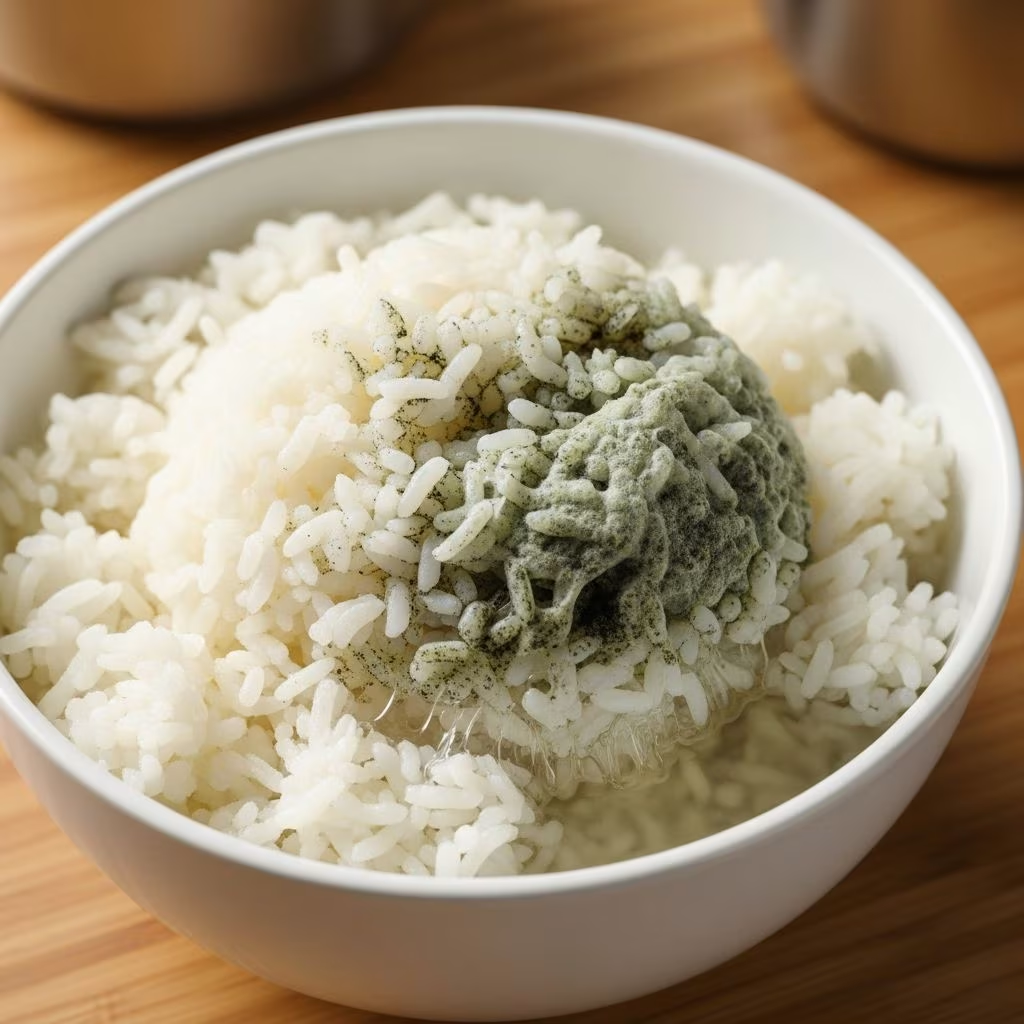
Texture shifts are telling: sliminess indicates bacterial growth, while dryness or hardness suggests improper reheating. Mold appears as fuzzy patches in colors like green, black, or white, demanding instant disposal.
Even without overt signs, cook a test batch. Bitter or unusual tastes mean it’s unsafe. Leftover rice in the fridge beyond a week heightens risks.
The Hidden Threat: Bacillus Cereus in Rice
Bacillus cereus, a spore-forming bacterium common in soil and rice, thrives in the 40°F-140°F danger zone. Spores endure boiling, germinating if rice lingers at room temperature. Toxins produced resist reheating, causing “fried rice syndrome.”
Symptoms strike fast: vomiting within 6-12 hours, cramps, diarrhea. Most resolve in 24 hours with hydration, but severe cases risk dehydration or rare fatalities. Other starches like pasta face similar threats.
Healthline notes mycotoxins from mold link to immune suppression and cancer risks, underscoring thorough checks.
Optimal Storage Strategies for Longevity
Preserve dry rice in airtight glass or plastic containers away from light and heat. Add oxygen absorbers for extended life. Refrigerate brown rice to curb rancidity.
For cooked rice, cool within 1-2 hours post-cooking, portion into shallow containers for rapid chilling, and refrigerate promptly. Label with dates; reheat to 165°F once only. Freezing in airtight bags extends usability.
- Spread hot rice thinly to cool faster.
- Avoid rice cooker “warm” settings below 150°F.
- Use within 1-2 days for lowest risk.
Health Implications of Consuming Bad Rice
Beyond discomfort, spoiled rice harbors pathogens. Bacillus cereus toxins provoke acute gastroenteritis. Chronic mold exposure via mycotoxins may weaken immunity or elevate cancer odds.
Vulnerable groups—children, elderly, immunocompromised—face amplified dangers. Prevention trumps treatment: when doubtful, discard.
Varietal Differences in Spoilage Rates
Not all rice spoils identically. Polished white rice’s low oil content grants superior stability over nutrient-dense brown rice, which oxidizes quicker. Aromatic types like basmati may develop stronger off-odors sooner.
Sticky or glutinous rice absorbs moisture readily, hastening mold. Instant rice, pre-cooked and dried, shortens shelf life post-opening. Tailor inspections to type.
Reviving Near-Expired Rice Safely
Borderline dry rice without spoilage signs can refresh via rinsing and toasting before cooking, masking mild staleness. Infuse with broths or spices.
Cooked rice nearing limits? Transform into fried rice with fresh ingredients, ensuring reheating kills surface bacteria—but never ignore spoilage cues.
FAQs on Rice Safety
How long can uncooked rice sit in pantry?
White rice: 4-5 years; brown: 6-12 months in ideal conditions.
Is slimy cooked rice safe?
No—sliminess signals bacterial overgrowth; discard.
Can I eat rice with minor discoloration?
Inspect closely; any doubt means toss it to avoid risks.
Does freezing kill Bacillus cereus?
Freezing halts growth but doesn’t eliminate spores or toxins.
What if rice smells fine but tastes off?
Trust taste; off-flavors indicate spoilage.
Pro Tips for Everyday Rice Handling
Incorporate rice checks into routines: inventory pantries monthly, date containers, buy in bulk wisely. Educate households on two-hour cooling rules. Invest in quality storage tools.
For bulk cooks, divide portions pre-cooling. Monitor fridge temps below 40°F. These habits minimize waste and safeguard health.
References
- Does Rice Go Bad? Shelf Life, Expiration Date, and Safe Storage — Healthline. 2023. https://www.healthline.com/nutrition/does-rice-go-bad
- How Bacillus Cereus Can Make You Sick from Reheated Rice — UW Medicine Right as Rain. 2023. https://rightasrain.uwmedicine.org/body/food/leftover-rice-bacillus-cereus-food-poisoning