Eggs are a kitchen staple, packed with protein and versatility for breakfasts, baking, and more. However, their delicate shells make them prone to spoilage from bacteria like Salmonella. Knowing how to spot bad eggs prevents illness and waste. This guide explores reliable tests, storage tips, and science-backed insights to keep your eggs fresh longer.
Why Egg Freshness Matters for Health and Taste
Fresh eggs have firm whites, centered yolks, and minimal air pockets. Over time, moisture evaporates through microscopic shell pores, allowing air to enter and creating space for bacterial growth. Older eggs may look fine externally but harbor risks internally. According to USDA guidelines, eggs can last 3-5 weeks in the fridge if handled properly, but testing is crucial beyond sell-by dates.
Food safety authorities emphasize checking eggs before use, especially in dishes eaten raw or undercooked like Caesar dressings or sunny-side-up eggs. Spoiled eggs can cause nausea, vomiting, and diarrhea. Regular inspections save money—tossing a dozen prematurely stings, but one bad egg ruining a batch hurts more.
The Reliable Float Test Explained
The float test is a classic, no-tools-needed method using water density changes. Fill a deep bowl with cold water deep enough to submerge an egg fully.
- Sinks flat on side: Very fresh, ideal for poaching or frying.
- Sinks but stands upright: Still safe, perfect for hard-boiling or baking.
- Floats to top: Too old; discard to avoid risks.
This works because as eggs age, the air cell enlarges from moisture loss, making them buoyant. It’s not foolproof for cracked shells—always inspect first—but highly effective for intact ones. Test multiple eggs from a carton to gauge overall freshness.
Visual and Shell Inspection Basics
Start with the outside: healthy shells are clean, smooth, and unblemished. Discard any with cracks, as bacteria can enter easily.
| Shell Condition | Action | Reason |
|---|---|---|
| Clean, intact | Proceed to tests | Low contamination risk |
| Cracked or hairline fracture | Discard | Bacteria entry point |
| Dirty or powdery | Wash gently or discard | Potential bacterial harboring |
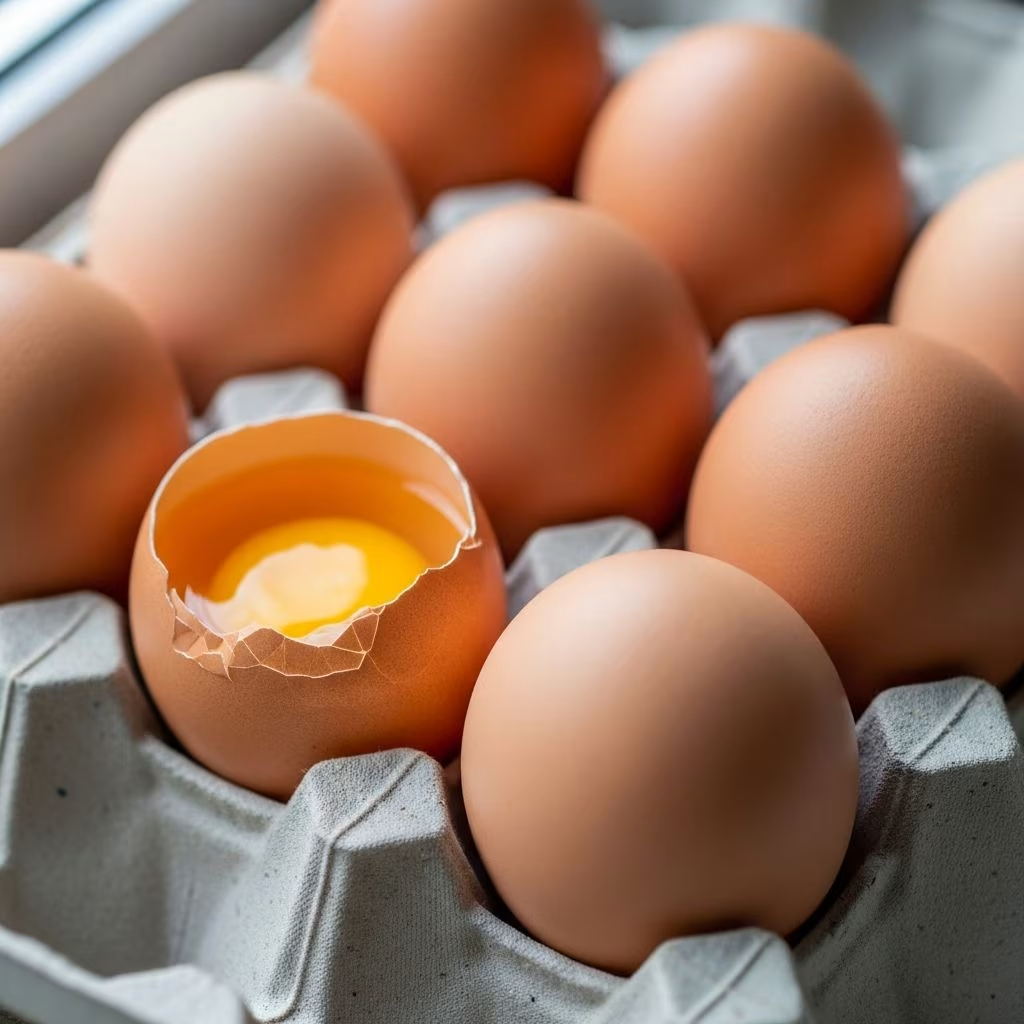
After cracking, examine contents on a plate. Fresh whites are thick and cloudy; yolks round and high. Runny whites, flat yolks, or off-colors signal age or spoilage. Pink, green, or black spots indicate bacterial growth—toss immediately.
Mastering the Candling Technique at Home
Candling uses light to peer inside without breaking the shell. In dim light, hold the egg’s larger end against a bright flashlight or phone light. Look for:
- Small air cell: Fresh egg.
- Large or moving air cell: Older but possibly safe.
- Cloudy contents or dark spots: Spoiled; discard.
This method reveals yolk position and blood spots. Historically used by farmers, it’s now accessible for home cooks. The air cell grows over time, so size correlates with age. Combine with float test for accuracy.
Sniff Test: Your Nose Knows Best
A funky sulfur or rotten odor from raw eggs means bacteria have produced hydrogen sulfide gas. Crack over a sink or trash—fresh eggs smell neutral or mildly eggy. Cooked eggs with off smells post-boiling? Better safe than sorry; discard the batch.
This test shines for fridge-stored eggs. Cold masks scents slightly, so let them warm briefly if needed. Trust your senses—human noses detect spoilage chemicals at low levels.
Understanding Egg White and Yolk Behaviors
Crack onto a flat plate: fresh whites mound around the yolk, spreading minimally. Older ones thin out and spread wide due to loosened proteins. Yolks in fresh eggs sit high and intact; aged ones flatten and break easily.
Blood spots are harmless burst vessels, not spoilage—remove and use the egg. But iridescent sheen or unusual textures warrant caution. These visual cues confirm other tests.
Optimal Storage Strategies for Longevity
Proper storage extends shelf life. Refrigerate at 40°F (4°C) or below, pointed end down in original carton to minimize air exposure. Avoid door shelves—temperature fluctuations hasten spoilage.
- Buy refrigerated eggs and keep them cold.
- Label cartons with purchase date.
- Separate from strong odors; shells are porous.
Farm-fresh eggs need 24-48 hours fridge time for natural bloom (protective coating) to set. Hard-boiled eggs last a week peeled in water or two weeks unpeeled.
Decoding Egg Carton Dates
Labels confuse many: Julian date (1-365 from Jan 1) indicates packing day. Sell-by is 30 days later; use-by adds safety margin. Past these, eggs aren’t automatically bad—test them.
Table for clarity:
| Label Type | Meaning | Action Post-Date |
|---|---|---|
| Julian Date | Packing day (e.g., 120 = May 1) | Test freshness |
| Sell-By | Store removal date | Still usable if tests pass |
| Use-By | Peak quality date | Inspect closely |
When to Absolutely Discard Eggs
Err on caution: if any test fails, the egg shows cracks, off-colors, or smells bad, throw it out. One spoiled egg can contaminate others via cross-contact. In recipes, remove suspect eggs before mixing.
FAQs on Egg Freshness
Can I eat eggs past the expiration date?
Yes, if they pass float, smell, and visual tests. Dates indicate quality, not safety.
Is the float test 100% accurate?
No, but reliable for most cases. Combine with other methods.
How long do room-temperature eggs last?
Max 2 hours in U.S.; improper storage risks rapid spoilage.
Are brown eggs fresher than white?
No, shell color is breed-dependent; freshness is identical.
What if I find a bad egg in a dozen?
Test others individually; spoilage rarely spreads in fridge.
Advanced Tips for Bulk Buyers and Home Raisers
Buying in bulk? Test weekly. Home flock owners: collect daily, clean gently, refrigerate promptly. Freeze whites/yolks separately for up to a year—label with date.
For baking pros: older eggs whip better for meringues due to thinner whites. Boiling favors week-old eggs for easy peeling.
References
- Shell Eggs from Farm to Table — USDA Food Safety and Inspection Service. 2024-05-15. https://www.fsis.usda.gov/food-safety/safe-food-handling-and-preparation/eggs/shell-eggs-farm-table
- Egg Safety Guidelines — FDA Center for Food Safety and Applied Nutrition. 2023-11-20. https://www.fda.gov/food/buy-store-serve-safe-food/what-you-need-know-about-egg-safety
- How to Tell if Eggs Are Fresh — Happy Egg Co. 2024-02-10. https://happyegg.com/eggs/how-to-tell-your-eggs-are-fresh
- Egg Storage and Handling — American Egg Board. 2025-01-05. https://www.incredibleegg.org/food-safety/
- Food Code: Egg Safety — FDA. 2022-09-01. https://www.fda.gov/food/fda-food-code/food-code-2022