Cottage cheese is a versatile, protein-rich dairy product that appears in everything from breakfast bowls to savory side dishes. However, its soft texture and high moisture content make it one of the more perishable items in your refrigerator. Understanding when cottage cheese has passed its prime is essential for both food safety and reducing unnecessary waste. This comprehensive guide explores the telltale indicators of spoilage, optimal storage methods, and practical strategies to maximize the shelf life of your cottage cheese.
Understanding Cottage Cheese Shelf Life Expectations
The timeline for cottage cheese freshness depends significantly on whether the container remains sealed or has been opened. According to the U.S. Department of Health and Human Services, unopened cottage cheese stored at 40°F or below should remain safe for up to two weeks before the sell-by date, though manufacturers’ guidelines vary. Once you break that seal, the clock starts ticking more rapidly on freshness and safety.
Most dairy professionals recommend consuming opened cottage cheese within 5 to 7 days for optimal quality, though some sources suggest it can last up to two weeks if storage conditions are ideal. The variation in recommendations stems from differences in manufacturing, packaging, and individual storage practices. What remains consistent across all food safety guidelines is the importance of refrigeration at temperatures of 40°F or lower and immediate resealing after each use.
The Three-Pronged Sensory Assessment Method
Before discarding your cottage cheese, employ a systematic approach using your senses. This sight-smell-taste evaluation helps you make informed decisions rather than defaulting to arbitrary dates on packaging.
Visual Inspection for Mold and Discoloration
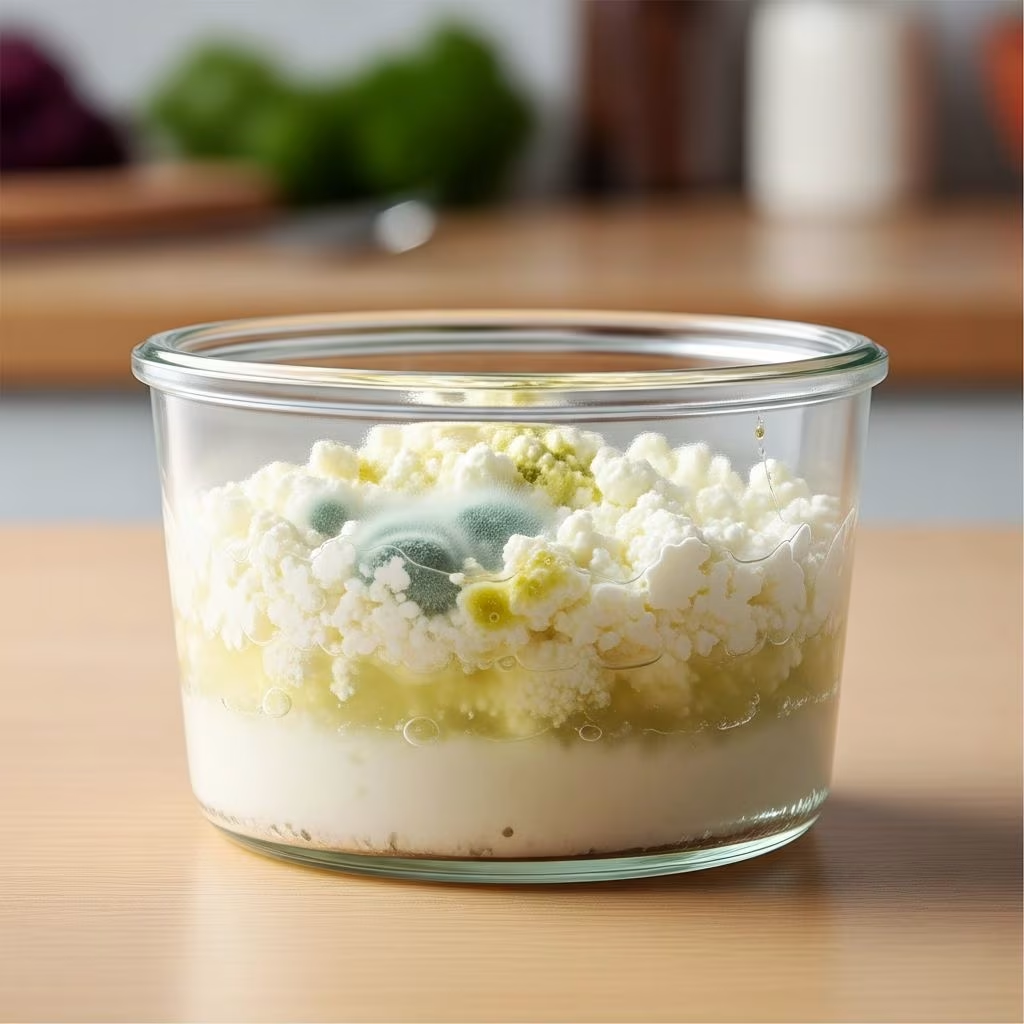
Begin by examining the surface and curds of your cottage cheese carefully. Fresh cottage cheese displays a uniform, creamy appearance with consistent coloring. Any deviation from this baseline warrants closer inspection.
- Look for white specks that do not resemble the natural texture of cheese curds
- Watch for any green or bluish discoloration, which indicates mold growth
- Note excessive liquid pooling on the surface beyond a thin layer
- Check for unusual separation of whey and curds that appears uneven or grainy
Mold contamination in soft cheeses like cottage cheese cannot be remedied by simply removing the affected portion, as mold can penetrate throughout the product. Any visible mold growth means the entire container should be discarded.
The Olfactory Test: Your Nose Knows
The smell test provides one of the most reliable indicators of cottage cheese freshness. Open your container and take a deliberate sniff. Fresh cottage cheese has a mild, slightly tangy aroma associated with its fermented dairy nature.
A sour or overly pungent smell indicates bacterial growth and spoilage. Some describe this odor as excessively acidic or unpleasantly fermented—distinctly different from the normal yogurt-like scent. If you detect any off-putting aromas, trust your instincts and dispose of the product.
Texture and Taste Evaluation
While less common than the visual and olfactory tests, tasting a small amount can confirm spoilage, particularly if you’re uncertain based on appearance and smell. Place a small spoonful on your tongue and assess the experience.
Spoiled cottage cheese often exhibits:
- An overly sour or acidic taste
- A gritty, grainy texture where creamy curds once existed
- A bitter or unpleasant flavor profile
- An unusual burning sensation
If you’re past the 7-day mark after opening and notice any of these characteristics, the cheese has likely spoiled. When in doubt, throw it out—the small amount of wasted product is far preferable to the risk of foodborne illness.
Understanding Storage-Related Changes
Not all changes to cottage cheese indicate spoilage. Environmental factors and normal chemical processes can alter appearance and consistency without necessarily compromising safety.
Whey Separation: Normal or Concerning?
A thin layer of liquid on top of cottage cheese is completely normal and does not indicate spoilage. This whey separation occurs naturally as the product sits. However, excessive liquid pooling—more than a tablespoon in a standard container—suggests the cheese is beginning to deteriorate.
To address minor whey separation, simply stir the product gently with a clean spoon or fork to redistribute the curds and liquid. This restores the appealing texture and uniform appearance. If the liquid appears discolored or smells off, however, discard the entire container.
Texture Changes from Air Exposure
When cottage cheese is exposed to air, the curds can become grainy or uneven as moisture evaporates and oxidation occurs. This textural shift, combined with potential acidity changes, signals declining freshness. The longer the container remains open, the more pronounced these changes become.
Best Practices for Extended Freshness
Maximizing cottage cheese shelf life requires attention to storage conditions and handling practices. These guidelines apply whether you’ve purchased pre-made cottage cheese or prepared it at home.
Temperature Control and Placement
Maintain your refrigerator at a consistent 40°F or lower. Fluctuations in temperature accelerate spoilage by promoting bacterial growth during warmer cycles. Position your cottage cheese on an interior shelf rather than the door, where temperature variations are most pronounced during repeated openings.
Container Management and Sealing
Proper resealing after each use is absolutely critical. The original container’s plastic lid should be used if it provides an airtight seal. If the original seal is damaged or ineffective, transfer the remaining cheese to a resealable plastic container or food-safe storage pouch to minimize air exposure.
Remove aluminum foil seals completely after the initial opening, as leaving partial seals in place can compromise the airtight properties of the plastic lid.
Hygiene During Portioning
Cross-contamination introduces bacteria that accelerates spoilage. Always use a clean spoon or utensil when scooping out portions—never touch the interior walls of the container or lid with unwashed hands. Immediately return the container to the refrigerator after removing your desired amount.
Surface Smoothing Technique
Before sealing the container, use a clean spoon to gently smooth the surface of the remaining cottage cheese flat. This technique minimizes the exposed surface area available for bacterial growth and helps prevent additional whey separation during storage.
Distinguishing Dates: Understanding Package Labels
The date printed on cottage cheese packaging is typically a “sell-by” or “best-by” date rather than a true expiration date. These dates reflect when retailers should remove the product from shelves to ensure peak quality, not when the product becomes unsafe.
Properly stored, unopened cottage cheese remains safe beyond the printed date, provided there are no visible signs of spoilage and the container remains sealed. However, once opened, the printed date becomes less relevant—your focus should shift to the 5 to 7-day consumption window and the sensory checks described earlier.
If you purchase cottage cheese close to its sell-by date, plan to open and use it sooner, as it will have less time to remain fresh after opening.
Comparative Storage Timeline
| Storage Condition | Expected Freshness Window | Key Considerations |
|---|---|---|
| Unopened, refrigerated at 40°F | Up to 2 weeks (or until sell-by date) | Check for seal integrity; verify no visible spoilage |
| Opened, properly resealed | 5-7 days for optimal quality | Up to 2 weeks possible with excellent storage |
| Room temperature (unopened) | 2-4 hours maximum | Rapid bacterial growth; not recommended |
| Room temperature (opened) | Less than 2 hours | Significant food safety risk; discard if exposed |
Frequently Asked Questions About Cottage Cheese Spoilage
Can I save moldy cottage cheese by removing the mold?
No. Unlike hard cheeses, soft cheeses like cottage cheese cannot be salvaged by removing visible mold. Mold spores and toxins penetrate throughout soft cheeses, making the entire container unsafe for consumption. Discard the product completely.
What if cottage cheese is past the sell-by date but appears and smells fine?
If unopened and properly refrigerated, the product may still be safe to consume if there are no sensory indicators of spoilage. However, once opened, rely on the 5 to 7-day guideline rather than the printed date. When in doubt, prioritize safety over waste.
Is slightly grainy cottage cheese still safe to eat?
Minor texture changes can result from natural separation and air exposure. However, if the graininess is accompanied by an off smell, sour taste, or if you’re significantly past the 7-day mark, the cheese has likely spoiled and should be discarded.
How should I store homemade cottage cheese?
Homemade cottage cheese follows the same storage guidelines as commercial versions: refrigerate immediately in an airtight container at 40°F or below, and consume within 5 to 7 days after preparation. Homemade versions may have a slightly shorter shelf life due to the absence of commercial preservatives.
Can I freeze cottage cheese to extend its shelf life?
While technically possible, freezing significantly alters the texture of cottage cheese due to the separation of curds and whey during the thawing process. Frozen cottage cheese works better in cooked dishes than eaten fresh. If freezing, use within 2 months and expect textural changes.
Summary: Making Smart Decisions About Your Cottage Cheese
Cottage cheese’s perishable nature requires attention and awareness, but identifying spoilage is straightforward when you employ systematic sensory evaluation. Visual inspection for mold, olfactory assessment of aroma, and careful attention to texture and taste provide reliable indicators of freshness. Proper storage practices—maintaining cold temperatures, using airtight containers, practicing good hygiene, and minimizing air exposure—extend the usable life of this nutritious dairy product.
By understanding the realistic shelf life of 5 to 7 days after opening, recognizing the difference between normal separation and true spoilage, and following the guidelines outlined above, you can confidently enjoy your cottage cheese while minimizing both food waste and health risks. When uncertainty arises, remember the principle: when in doubt, throw it out. Your health and peace of mind are worth the minimal cost of a discarded container.
References
- How Long Does Cottage Cheese Last in the Fridge After Opening? — Simple Nourished Living. https://simple-nourished-living.com/how-long-does-cottage-cheese-last-in-the-fridge-after-opening/
- How Long Cottage Cheese Will Stay Fresh After Opening — Food Republic. https://www.foodrepublic.com/1501928/how-long-cottage-cheese-stay-fresh-after-opening/
- How Long Does Cottage Cheese Last? 3 Ways to Check — Cooking With Our CSA. https://cookingwithourcsa.com/how-long-does-cottage-cheese-last/
- How Long Does Cottage Cheese Remain Fresh After Opening? — Keystone Farms Cheese. https://www.keystonefarmscheese.com/blogs/the-cheese-blog/how-long-does-cottage-cheese-remain-fresh-after-opening