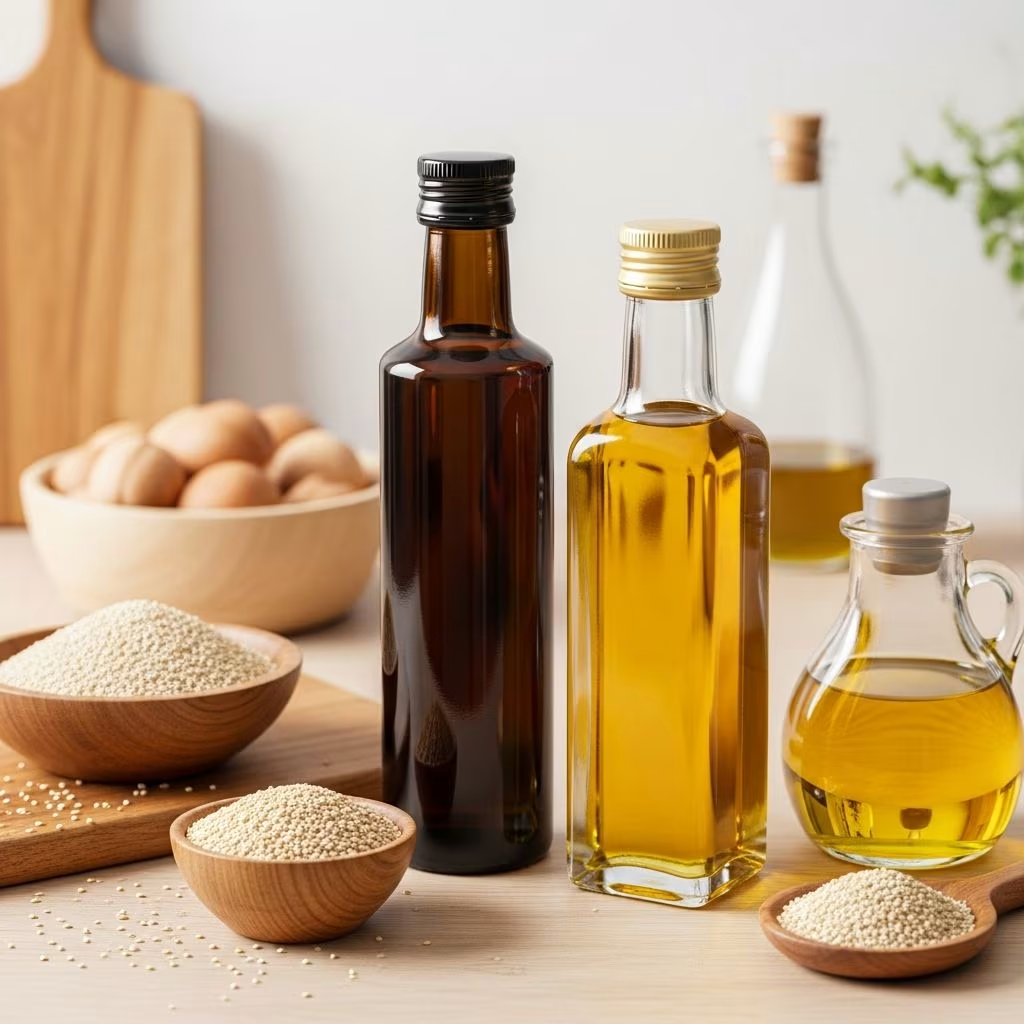
Sesame oil brings a deep, nutty aroma and versatile flavor to dishes worldwide, but improper storage can lead to quick rancidity. Proper handling ensures it stays fresh for months, maintaining its culinary value.
Understanding Sesame Oil Basics
Sesame oil derives from sesame seeds and varies by processing: light versions undergo refining for neutral taste, while toasted types offer intense flavor from roasting seeds. Both contain high levels of unsaturated fats, making them susceptible to oxidation—a reaction with oxygen, light, or heat that degrades quality.
Oxidation produces harmful compounds and off-putting tastes, reducing nutritional benefits like antioxidants from sesame lignans. High-quality, cold-pressed oils often last longer due to minimal processing.
Factors Influencing Shelf Life
Several elements determine how long sesame oil remains viable:
- Air Exposure: Oxygen triggers fat breakdown; always seal tightly after use.
- Light: UV rays accelerate spoilage, so avoid clear bottles near windows.
- Heat: Warmth speeds reactions; keep away from stoves.
- Oil Type: Toasted oils spoil faster than refined ones due to added flavors.
- Quality: Pure, additive-free oils endure better.
| Factor | Impact on Shelf Life | Prevention Tip |
|---|---|---|
| Air | High oxidation risk | Tight seal |
| Light | UV degradation | Dark storage |
| Heat | Accelerated rancidity | Cool spot |
| Type (Toasted vs. Light) | Toasted shorter | Buy small amounts |
Ideal Storage Methods
Store unopened bottles in a pantry at room temperature, away from heat sources. For opened oil, prioritize cool, dark conditions to slow degradation.
Pantry Storage Essentials
A cupboard far from the stove works best. Ideal temperature: below 70°F (21°C). Use original dark bottles or transfer to amber glass for light protection. This method keeps oil fresh for 6-12 months.
Refrigeration: When and How
Opinions vary—some sources say refrigeration isn’t needed if pantry conditions are optimal, but others recommend it post-opening, especially in warm climates, to extend life up to 2 years. Oil may cloud or solidify; warm to room temp before use—no quality loss.
- Pros: Slows oxidation dramatically.
- Cons: Takes fridge space; texture change.
Pro Tips for Longevity
Buy small bottles to use quickly. Avoid plastic containers; glass is superior. In humid areas, silica packets absorb moisture.
Recognizing Spoilage Signs
Check regularly: rancid oil smells sharp like paint or nuts gone bad, tastes bitter. Darkening or cloudiness beyond normal indicates issues. Discard if off—health risks from peroxides. Shelf life: 1-2 years unopened, 6-12 months opened.
Sesame Oil in Your Kitchen
Beyond storage, use wisely: drizzle toasted oil at finish for flavor; refined for high-heat cooking. Pairs with stir-fries, dressings, marinades. Experiment in salads or noodles for nutty depth.
Health perks include anti-inflammatory sesamol, but fresh oil maximizes them. Integrate into routines: add to veggies, grains, proteins.
Comparing Storage for Oils
| Oil Type | Best Storage | Shelf Life (Opened) |
|---|---|---|
| Sesame (Toasted) | Fridge preferred | 6-12 months |
| Olive | Dark pantry | 12-18 months |
| Vegetable | Pantry | 1-2 years |
| Nut Oils | Fridge | 3-6 months |
Frequently Asked Questions
Does sesame oil need refrigeration?
Not always, but it’s ideal after opening to combat rancidity, especially for toasted varieties.
How long does sesame oil last in the fridge?
Up to 2 years if sealed properly; monitor for off smells.
Can I freeze sesame oil?
Yes, for infrequent use; thaw slowly, but fridge suffices for most.
Why does my sesame oil solidify?
Cold temps cause natural fats to firm; it’s safe and reverses at room temp.
Is expired sesame oil safe?
Not recommended; rancid oil may cause digestive upset despite no bacteria.
Advanced Storage Strategies
For bulk buyers, portion into small dark glass dropper bottles. Label with dates. In hot regions, always refrigerate. Test freshness monthly by scent.
Sustainable tip: Reuse bottles after sterilizing for homemade infusions, extending utility.
Science note: Sesame’s natural antioxidants like sesamin delay oxidation better than many oils, but don’t rely solely on them.
References
- The Science Behind Sesame Oil’s Shelf Life: How to Store It for Maximum Freshness — Oh Chin Hing. 2023. https://www.ohchinhing.com.sg/post/the-science-behind-sesame-oil-s-shelf-life-how-to-store-it-for-maximum-freshness
- Maximizing the Shelf Life of Sesame Oil — JOLION Foods. 2023. https://www.jolionfoods.com/news/industry-news/maximizing_the_shelf_life_of_sesame_oil.html
- The Correct Way To Store Sesame Oil So It Keeps Its Flavor — The Daily Meal. 2024-01-15. https://www.thedailymeal.com/1454644/how-properly-store-sesame-seed-oil/
- Does Sesame Oil REALLY Need To Be Refrigerated? — Press To Cook (YouTube). 2023. https://www.youtube.com/watch?v=E3T4TZ9HvHg