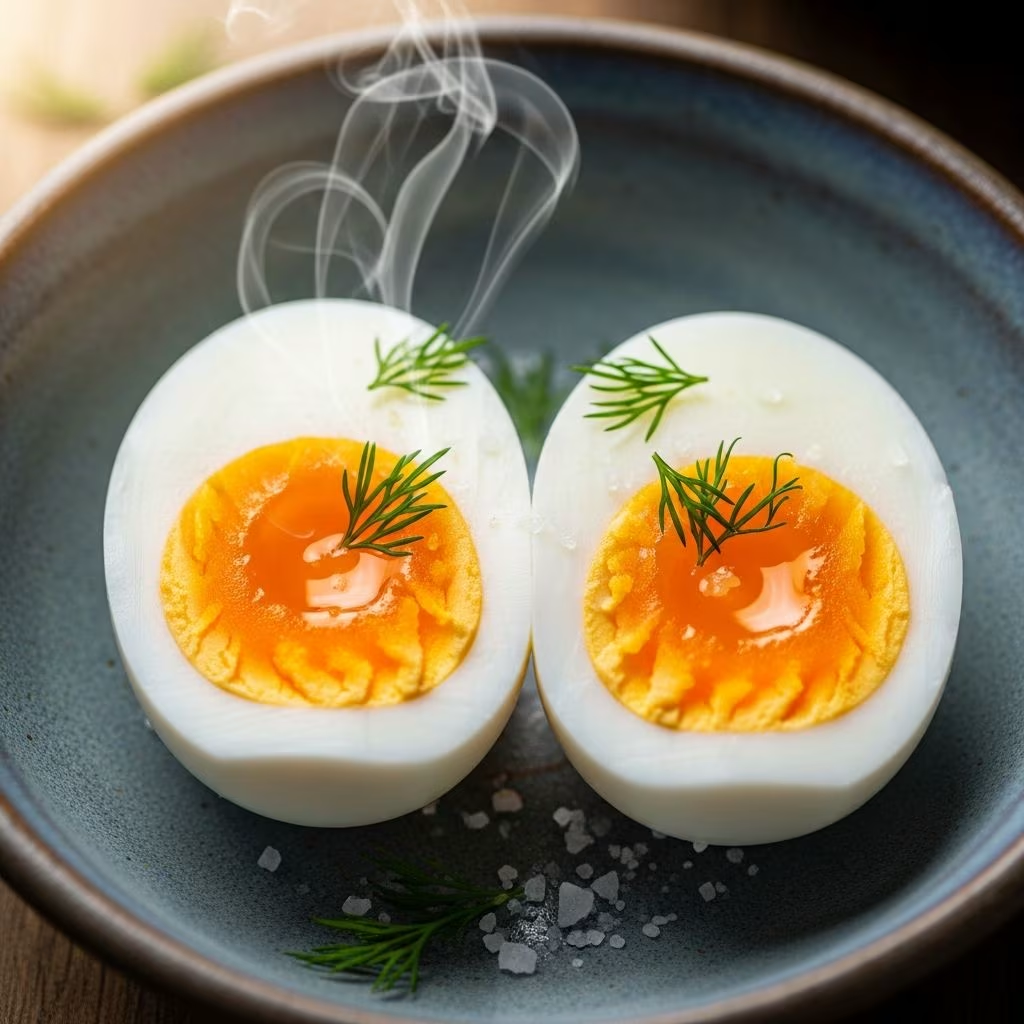
Steaming eggs offers a superior alternative to traditional boiling, yielding firm whites, creamy yolks, and shells that slip off effortlessly. This method uses gentle steam heat to cook eggs evenly without the risk of cracking or overcooking.
Why Choose Steaming Over Boiling?
Traditional boiling submerges eggs in turbulent water, often leading to cracked shells, uneven cooking, and stubborn peels. Steaming, by contrast, suspends eggs above boiling water, allowing consistent steam circulation for uniform heat distribution. The result: eggs that are easier to peel because the steam penetrates the shell, separating the membrane from the white more effectively.
- Effortless Peeling: Shells release cleanly due to steam’s action on the inner membrane.
- No Cracks: Eggs don’t touch water, minimizing shell fractures.
- Precise Control: Adjustable timing for soft, medium, or hard yolks.
- High-Altitude Friendly: Reliable performance even at elevations where boiling fails.
Scientific backing from cooking experts confirms steaming reduces peeling time by up to 50% compared to boiling.
Gathering Your Tools and Ingredients
Minimal equipment is needed, making this accessible for any kitchen. Focus on quality items for best results.
Essential Equipment
- Medium to large saucepan with tight-fitting lid
- Steamer basket or folding steamer insert that fits inside the pot
- Large bowl for ice bath
- Slotted spoon or tongs for safe transfer
- Timer for accuracy
Basic Ingredients
- Large eggs (room temperature preferred for even cooking)
- 1-2 inches of water (about 1-2 cups, depending on pot size)
- Ice and cold water for shocking
For batches larger than 6-12 eggs, use a Dutch oven-style pot with a colander as a steamer alternative.
Step-by-Step Guide to Steaming Eggs
Follow these instructions precisely for foolproof results. Prep time: 5 minutes. Cook time: 12-18 minutes.
- Prepare the Pot: Add 1-2 inches of water to your saucepan. Ensure the steamer basket fits with the lid on securely.
- Boil the Water: Heat over high until rapidly boiling. This creates vigorous steam.
- Add Eggs: Gently place cold eggs from the fridge into the steamer basket in a single layer. Avoid stacking for even cooking.
- Steam Covered: Lower heat to medium-low, cover tightly, and set timer based on desired doneness (see timing chart below).
- Ice Bath: Prepare a bowl with ice and cold water. Transfer eggs immediately after steaming for 3-10 minutes to stop cooking and ease peeling.
- Peel and Serve: Crack shells under cool running water, roll gently, and peel from the wider end.
Pro tip: Use room-temperature water for the ice bath to avoid thermal shock extremes.
Timing Chart for Perfect Yolks
Steaming times vary by yolk preference and egg size. Adjust +1 minute for extra-large eggs or high altitudes above 5,000 feet.
| Yolk Style | Sea Level Time | High Altitude (5,000+ ft) | Notes |
|---|---|---|---|
| Runny Yolk | 6-8 minutes | 7-9 minutes | Firm whites, soft center ideal for salads. |
| Soft Set Yolk | 9-11 minutes | 10-12 minutes | Slightly creamy, great for deviled eggs. |
| Firm Hard Yolk | 12-14 minutes | 13-15 minutes | Classic hard-boiled for slicing or salads. |
| Extra Firm | 15-18 minutes | 16-20 minutes | Fully dry yolk for long storage. |
These timings are aggregated from tested methods at various elevations.
High-Altitude Adjustments
At higher elevations, lower boiling points mean water boils faster but steam is less intense. Increase steaming time by 1-2 minutes per 5,000 feet. For example:
- Sea level: 13 minutes for firm yolks.
- 5,000 ft: 15 minutes.
- 6,800 ft: 17 minutes.
Test a single egg first if unsure, as pot size and egg freshness affect outcomes.
Troubleshooting Common Issues
Even simple methods can falter. Here’s how to fix problems:
- Green Rings Around Yolk: Overcooking or old eggs. Stick to recommended times and use fresh eggs.
- Hard-to-Peel Eggs: Skip prolonged ice baths beyond 4 minutes; shells may re-stick. Peel immediately after 30 seconds to 3 minutes.
- Cracked Shells: Eggs too cold or overcrowding. Start with fridge-cold eggs and single layer.
- Undercooked Centers: Insufficient steam; ensure full boil before adding eggs and tight lid seal.
Freshness matters: Eggs 7-10 days old peel best; very fresh ones cling more.
Scaling Up for Crowds
Steaming handles batches easily. For 12+ eggs:
- Use a large pot or Dutch oven.
- Opt for a stainless steel colander over the water if no large basket.
- Maintain single layer or minimal stacking.
- Steam 1-2 extra minutes for larger volumes.
Perfect for holidays, picnics, or meal prep.
Creative Ways to Use Steamed Eggs
Beyond plain eating, steamed eggs shine in recipes:
- Deviled Eggs: Creamy yolks mash smoothly for fillings.
- Egg Salad: Chop easily without crumbling.
- Pickled Eggs: Firm texture holds up in brine.
- Breakfast Bowls: Slice for avocado toast or ramen toppings.
- Baking: Substitute in muffins or custards for reliable texture.
Store peeled eggs in airtight containers up to 5 days; unpeeled last 1 week in fridge.
Nutrition and Storage Facts
One large steamed egg: 70 calories, 6g protein, 5g fat. Steaming preserves nutrients better than boiling by avoiding water-soluble vitamin loss.
- Fridge life (unpeeled): 1 week.
- Freezer (peeled, chopped): 3 months for salads.
- Avoid room temperature over 2 hours to prevent bacteria.
For safety, cool fully before peeling and refrigerate promptly.
Expert Variations and Tips
Customize with add-ins post-cooking:
- Add salt to steaming water for subtle flavor infusion.
- Steam with herbs like dill for aromatic eggs.
- For jammy yolks, 10-11 minutes at sea level.
Culinary pros recommend this method for its consistency across cookware types.
Frequently Asked Questions
Can I steam without a steamer basket?
Yes, use a metal colander or foil rack above water, ensuring eggs don’t touch liquid.
Why are steamed eggs easier to peel?
Steam creates a pocket between shell and membrane, loosening it naturally.
Do steamed eggs taste different?
No noticeable difference; texture is smoother due to even cooking.
Can I use this for soft-boiled eggs?
Absolutely—reduce time to 6-7 minutes for runny centers.
Is steaming safe for all eggs?
Best for large Grade A; adjust for quail or duck eggs proportionally.
References
- Steamed Hard-cooked Eggs — Life in the Boat. 2023. https://lifeintheboat.com/steamed-hard-cooked-eggs/
- Steaming Eggs Hard Boiled — Bites of Wellness. 2023. https://bitesofwellness.com/steaming-eggs-hard-boiled/
- Hard Not-Boiled Eggs Recipe — Alton Brown. 2023. https://altonbrown.com/recipes/hard-not-boiled-eggs/
- How to Make Steamed Hard Boiled Eggs — Carrots & Cookies. 2023. https://carrotsandcookies.com/hard-boiled-eggs/