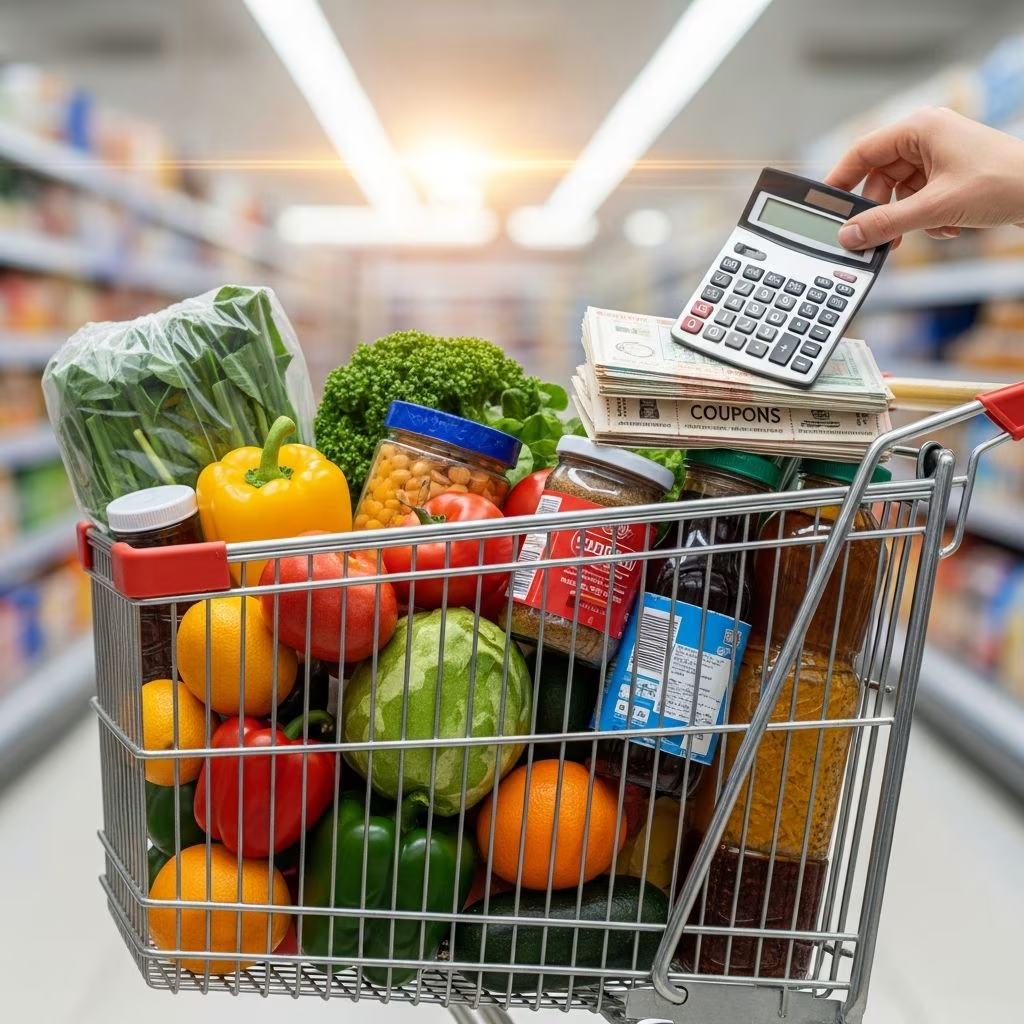
The rising cost of groceries has become a significant concern for households across the country. Many families find themselves allocating an increasingly larger portion of their budgets to food purchases, often without a clear strategy for optimization. The good news is that implementing thoughtful shopping practices and developing a structured approach to meal preparation can yield substantial savings without sacrificing nutrition or food quality.
Understanding Your Current Shopping Patterns
Before implementing cost-reduction strategies, it’s essential to establish a baseline understanding of your current spending habits. This foundational step involves conducting a detailed analysis of where your money goes and which stores offer the most competitive pricing for items you purchase regularly.
Begin by comparing prices across different grocery retailers in your area. Visit multiple stores and record the prices of approximately 10 to 20 items that form the foundation of your typical weekly purchases. This comparison exercise reveals which stores consistently offer lower prices on your essential items and helps you identify which products carry the highest markups at your primary shopping location. Some retailers specialize in competitive pricing on specific product categories, so understanding these patterns allows you to make strategic decisions about where to allocate your shopping trips.
Additionally, tracking your receipt totals over several weeks provides valuable insight into spending trends. Identify which items consume the largest portions of your budget and determine whether these represent necessities or discretionary purchases. This awareness forms the foundation for all subsequent money-saving efforts.
Strategic Meal Planning as a Foundation for Savings
One of the most effective approaches to reducing grocery expenses involves developing a comprehensive meal plan before entering a store. Planning meals in advance for the entire week creates a roadmap that prevents impulse purchases and ensures you buy only ingredients you genuinely need.
The meal planning process begins with reviewing your family’s preferences, dietary requirements, and any time constraints during the upcoming week. Consider which evenings might require quick-preparation meals and which days allow for more involved cooking. This temporal awareness helps you select recipes that align with your realistic cooking capacity, reducing the likelihood of purchasing ingredients that ultimately go unused because the recipes prove too time-consuming.
Once you’ve selected recipes for the week, compile a detailed grocery list organized by store sections. This structured approach prevents multiple trips through the same aisles and reduces the probability of selecting items not on your plan. Research indicates that shoppers who arrive at stores with predetermined lists spend significantly less than those who browse without clear objectives.
Leveraging Sales Circulars and Promotional Strategies
Modern grocery retailers distribute weekly sales circulars both in print and through digital channels. These advertisements provide valuable information about current promotions and price reductions. Integrating this promotional information into your meal planning process creates a synergistic approach that maximizes savings.
Rather than planning meals first and then shopping, consider reversing this sequence: review the current week’s sales and promotions at your primary store, then plan meals around sale items. This strategy allows you to build your weekly menus around discounted proteins, seasonal produce, and featured products. The result is a meal plan that naturally incorporates sale prices rather than requiring adjustments after the fact.
However, it’s crucial to distinguish between genuine savings and promotional marketing tactics. Some stores advertise deals with language like “10 for $10” or “3 for $5,” suggesting bulk purchasing requirements. In reality, these sales typically allow individual purchases at the per-item sale price, so buying only what you need still qualifies for the discount. Understanding these nuances prevents unnecessary overspending driven by misleading promotional language.
Optimizing Shopping Frequency and Store Visits
The frequency with which you visit grocery stores directly correlates with your total spending. Each shopping trip presents opportunities for unplanned purchases, as items not on your list catch your attention and end up in your cart.
Establishing a single weekly shopping trip reduces exposure to these impulse-purchase opportunities. By consolidating your shopping into one focused visit, you minimize the total number of decisions you make in the store environment and reduce contact with promotional displays designed to encourage additional spending. This approach also conserves time and reduces transportation costs associated with multiple store visits.
Furthermore, the composition of your shopping group influences purchasing behavior. Shopping alone, particularly without children, reduces the likelihood of impulse purchases and keeps your total spending lower. When family members accompany you, each person often selects additional items, expanding your overall bill beyond what’s necessary.
Product Selection Strategies for Maximum Savings
The specific products you select within each category significantly impact your total grocery expenditure. Several evidence-based strategies help you choose items that minimize costs while maintaining quality and nutritional value.
Generic and Store-Brand Products
Name-brand products typically carry premium prices that reflect marketing expenses and brand recognition rather than superior quality. Generic and store-brand alternatives offer equivalent nutritional profiles and quality at substantially lower prices. Many store-brand products are manufactured by the same companies that produce name-brand equivalents, with the primary difference being packaging and labeling. By systematically substituting generic versions for name-brand products, families can reduce their grocery bills by 20 to 30 percent.
Frozen and Canned Alternatives
Fresh produce represents a premium-priced category, particularly for out-of-season items. Frozen fruits and vegetables offer comparable or sometimes superior nutritional value while costing significantly less and lasting substantially longer in your home. Freezing preserves nutrients effectively, and frozen produce eliminates waste from spoilage. Similarly, canned vegetables and beans provide economical protein sources and pantry staples that support budget-conscious meal preparation.
Seasonal Produce Selection
When purchasing fresh produce, prioritize items currently in season within your region. In-season produce reaches its lowest price point due to abundant local supply, while out-of-season items command premium prices due to transportation costs and limited availability. Building your meal plans around seasonal produce naturally incorporates cost optimization into your food choices.
Bulk Shopping and Membership Warehouses
Bulk grocery retailers and warehouse membership stores offer substantially lower per-unit prices on items purchased in larger quantities. For households with adequate storage space and regular consumption of specific products, bulk purchasing generates significant savings. The key to successful bulk buying involves purchasing only items you use regularly in quantities you can realistically consume before expiration.
For those without warehouse memberships, bulk buying among friends or family members allows cost-sharing of large quantities, making this strategy accessible even with limited individual consumption needs.
Managing Discount and Overstock Items
Most grocery stores maintain discount produce sections featuring items with cosmetic imperfections or approaching their optimal consumption dates. Overripe bananas, bruised apples, and slightly damaged produce cost significantly less while remaining perfectly suitable for cooking applications. Bananas past their prime peak ripeness transform into excellent banana bread or baked goods with extended shelf life. Bruised apples work beautifully in compotes and crisps. Soft tomatoes become flavorful sauces and soups. Developing recipes specifically designed to utilize discount produce extends your budget considerably.
Pantry Management and Waste Reduction
Effective grocery budgeting requires maintaining awareness of existing pantry inventory. Many households purchase duplicate items already in stock or allow purchased ingredients to spoil before use, representing pure financial waste.
Implement a system for tracking pantry contents, whether through simple paper inventories or smartphone apps. Before shopping trips, review your existing stock to identify items approaching expiration dates that should be incorporated into the upcoming week’s meals. This practice prevents waste and ensures you use previously purchased ingredients before they become unusable.
When fresh produce shows signs of deterioration, prioritize using these items immediately rather than allowing them to spoil. Wilting vegetables work perfectly in soups and stews, while overripe fruit becomes smoothies, preserves, or baked goods.
Strategic Use of Coupons and Loyalty Programs
Digital coupons and promotional offers abound through grocery store apps and websites. However, effective coupon use requires discipline and strategy. Rather than using coupons as an excuse to purchase items not on your shopping list, apply coupons only to products you already plan to purchase.
Many grocery stores offer loyalty programs providing personalized deals based on your purchasing history. These programs track your regular purchases and offer discounts specifically on items you typically buy, amplifying your savings on products you genuinely need.
Reducing Packaging Waste and Per-Unit Costs
Individually packaged items consistently carry higher per-unit costs compared to larger packages of the same products. Skip single-serving packages and opt for bulk containers that you can portion yourself. Similarly, purchasing full-size gallons rather than half-gallons of items like milk or juice reduces your per-ounce cost and extends your supply further.
Addressing Mid-Week Supply Gaps
Even with thorough planning, situations arise where you run low on essential items during the week. Rather than making a full grocery store trip for a single item, which typically results in additional impulse purchases, visit a local convenience store for these emergency supplies. While convenience store prices appear higher per item, the reduced temptation and impulse purchasing often results in lower overall spending compared to traditional grocery store visits.
Practical Implementation Timeline
| Week | Action Items | Expected Focus |
|---|---|---|
| Week 1 | Track current spending; compare store prices; identify budget baseline | Data Collection |
| Week 2 | Develop meal planning system; review sales circulars | Strategy Development |
| Week 3 | Implement first structured shopping trip; track results | Application |
| Week 4+ | Refine approach based on results; expand successful strategies | Optimization |
Common Questions About Grocery Budget Reduction
FAQ
Q: How much can families realistically save using these strategies?
A: Research suggests that implementing comprehensive strategies can reduce grocery spending by 30 to 50 percent. Results vary based on your starting point, family size, and commitment to these practices. Conservative estimates suggest savings of $50 to $100 monthly for many households, with dedicated practitioners achieving substantially higher reductions.
Q: Do budget-friendly approaches mean sacrificing nutrition or food quality?
A: No. Frozen and canned alternatives offer nutritional profiles comparable to fresh options, generic products match name-brand quality, and seasonal produce provides optimal nutritional density. Budget optimization involves strategic selection rather than reducing nutrition.
Q: Is bulk buying suitable for small households?
A: Bulk buying works best for items you consume regularly. Small households benefit from purchasing bulk items with long shelf lives (canned goods, dried beans, frozen produce) or splitting bulk purchases with friends or family members.
Q: How much time does meal planning require?
A: Initial meal planning may require 30 to 45 minutes weekly. However, this time investment saves considerably more time during shopping and food preparation phases, plus reduces overall stress related to meal decisions.
Q: Should I use coupons for items not on my shopping list?
A: No. Coupons should apply only to items you already plan to purchase. Using coupons as justification for unplanned purchases typically increases overall spending rather than reducing it.
Conclusion: Building Sustainable Money-Saving Habits
Reducing grocery expenses requires implementing systematic approaches rather than seeking quick fixes or isolated savings tactics. Successful households combine multiple strategies—meal planning, strategic shopping, smart product selection, and wastage reduction—into an integrated system that becomes routine rather than requiring constant conscious effort.
The initial investment of time spent establishing these systems generates compound returns through months and years of reduced spending. Families that implement these strategies report not only financial savings but also reduced shopping stress and improved meal satisfaction resulting from thoughtful planning and conscious purchasing decisions.
References
- 25 Simple Tips to Save Money on Groceries — Conway Housing Authority, South Carolina. https://www.conwayhousingsc.org/25-simple-tips-to-save-money-on-groceries
- Saving Money on Groceries: How I Saved $347 in One Month — The Dinner Daily. https://thedinnerdaily.com/saving-money-on-groceries-how-i-saved-347-in-one-month/
- 14 Easy Hacks I Use to Save Money at the Grocery Store — The Every Girl. https://theeverygirl.com/grocery-store-hacks-to-save-money/
- How to Save Money on Groceries — The Dinner Plan by Maggie Hoffman. https://thedinnerplan.substack.com/p/how-to-save-money-on-groceries
- 20 Money Saving Grocery Hacks That Actually Work In 2025 — She’s In Her Apron. https://www.youtube.com/watch?v=psnBdgj0Q4c