Roasting represents one of the most straightforward yet transformative cooking methods for vegetables. Through the application of dry heat in an enclosed oven environment, vegetables undergo a chemical process that develops deep, complex flavors while creating an appealing textural contrast between crispy exteriors and tender interiors. This technique has become a staple in both home kitchens and professional culinary settings because it requires minimal active cooking time, produces consistently excellent results, and accommodates numerous vegetable varieties with simple adjustments to technique.
Understanding the Science Behind Vegetable Roasting
The roasting process relies on the Maillard reaction, a chemical transformation that occurs when proteins and sugars in vegetables are exposed to high temperatures. This reaction generates aromatic compounds and deep, savory flavors that cannot be achieved through gentler cooking methods. Additionally, the dry heat environment encourages moisture evaporation from the vegetable surfaces, which concentrates natural sugars and creates the golden-brown, crispy exterior that characterizes well-roasted vegetables. Understanding this foundation helps cooks make informed decisions about temperature, timing, and spacing throughout the roasting process.
Selecting and Preparing Your Vegetables
Success in roasting begins with proper preparation. The first critical step involves cutting vegetables into uniform pieces, as inconsistent sizing results in some pieces overcooking while others remain undercooked. The ideal piece size depends on the specific vegetable and desired cooking time, but consistency within each batch matters more than achieving a particular dimension.
Different vegetables require different cutting approaches based on their density and natural structure. Root vegetables like beets and potatoes should be cut into smaller pieces, approximately three-quarter inch cubes, because their dense composition requires extended cooking time. Longer root vegetables such as carrots and parsnips benefit from being halved lengthwise before being cut into one-and-a-half-inch crosswise slices. Softer vegetables like bell peppers and zucchini can be sliced into slightly larger pieces since they cook more rapidly.
After cutting, washing vegetables thoroughly removes surface debris while maintaining their structural integrity. Pat vegetables dry before proceeding to the seasoning stage, as excess moisture can interfere with browning and create steam rather than the desired crispy texture.
The Foundation: Oil and Seasoning Application
Oil serves multiple essential functions in vegetable roasting beyond simply preventing sticking. Adequate oil is necessary for the Maillard reaction to occur effectively and for vegetables to caramelize properly. The appropriate oil quantity depends on the vegetable volume: approximately one tablespoon of oil per two cups of vegetables provides sufficient coating without excess.
The application technique matters significantly. Rather than simply drizzling oil over vegetables, place cut pieces in a large bowl and add oil before using hands to toss thoroughly, ensuring every piece receives an even coating. This hands-on approach uses less total oil while achieving more consistent coverage than casual drizzling. Following oil application, add salt, freshly ground pepper, and any additional seasonings of choice. Common complementary seasonings include dried herbs such as rosemary, basil, and oregano, as well as spice blends like curry powder or smoked paprika. Toss once more after adding seasonings to distribute them evenly across all vegetable pieces.
Oven Temperature: Finding the Optimal Balance
Temperature selection represents one of the most important decisions in vegetable roasting, as it directly influences both cooking time and the degree of caramelization achieved. Most culinary sources recommend temperatures between 400 and 425 degrees Fahrenheit as the optimal range for roasting vegetables. At 425 degrees Fahrenheit, vegetables roast more quickly with more pronounced browning at the edges. This higher temperature works particularly well for faster-cooking vegetables like broccoli, cauliflower, and bell peppers.
A moderate temperature of 400 degrees Fahrenheit provides a middle ground, offering slightly longer cooking times while still achieving adequate browning. This temperature suits mixed vegetable batches containing both quick-cooking and slower-cooking varieties. For those using convection ovens, reducing the temperature by approximately 25 degrees and selecting the convection bake setting produces comparable results in slightly less time. Regardless of the specific temperature chosen, preheating the oven for at least fifteen minutes before adding vegetables ensures consistent heat distribution from the outset.
Arrangement and Spacing: Creating Conditions for Success
Perhaps the most frequently overlooked factor in roasting involves pan arrangement and vegetable spacing. Vegetables must occupy a single layer on the baking sheet without overlapping or crowding. When vegetable pieces touch or overlap, steam accumulates in those zones, preventing the Maillard reaction and resulting in steamed rather than roasted vegetables with soft, pale surfaces instead of the desired crispy, golden exteriors.
Proper spacing allows hot air to circulate completely around each piece, enabling even browning on all sides. For particularly large vegetable batches, using two or even three baking sheets proves preferable to crowding everything onto one pan. Line baking sheets with parchment paper or lightly coat with cooking spray to facilitate cleanup, though this step remains optional since adequate oil prevents most sticking.
Oven rack position also influences roasting results. Placing vegetables on the upper rack allows heat to circulate more effectively around the pan, promoting more even browning than lower rack positions. If using multiple baking sheets simultaneously, position one on an upper rack and one on a lower rack, switching their positions halfway through cooking for even results.
Managing Cooking Time and Achieving Perfect Doneness
Cooking time varies considerably based on vegetable type, piece size, oven characteristics, and temperature selected. Most vegetable batches require between twenty and sixty minutes, with intermediate stirring and pan rotation significantly improving results. The halfway-point intervention represents a crucial step in the roasting process. After approximately half the estimated cooking time has elapsed, remove the baking sheet and give all vegetables a thorough toss using a spatula or wooden spoon. This tossing ensures pieces that were facing downward now face upward, promoting even browning on all surfaces. Simultaneously, rotate the baking sheet 180 degrees to compensate for hot spots or uneven heating common in most home ovens.
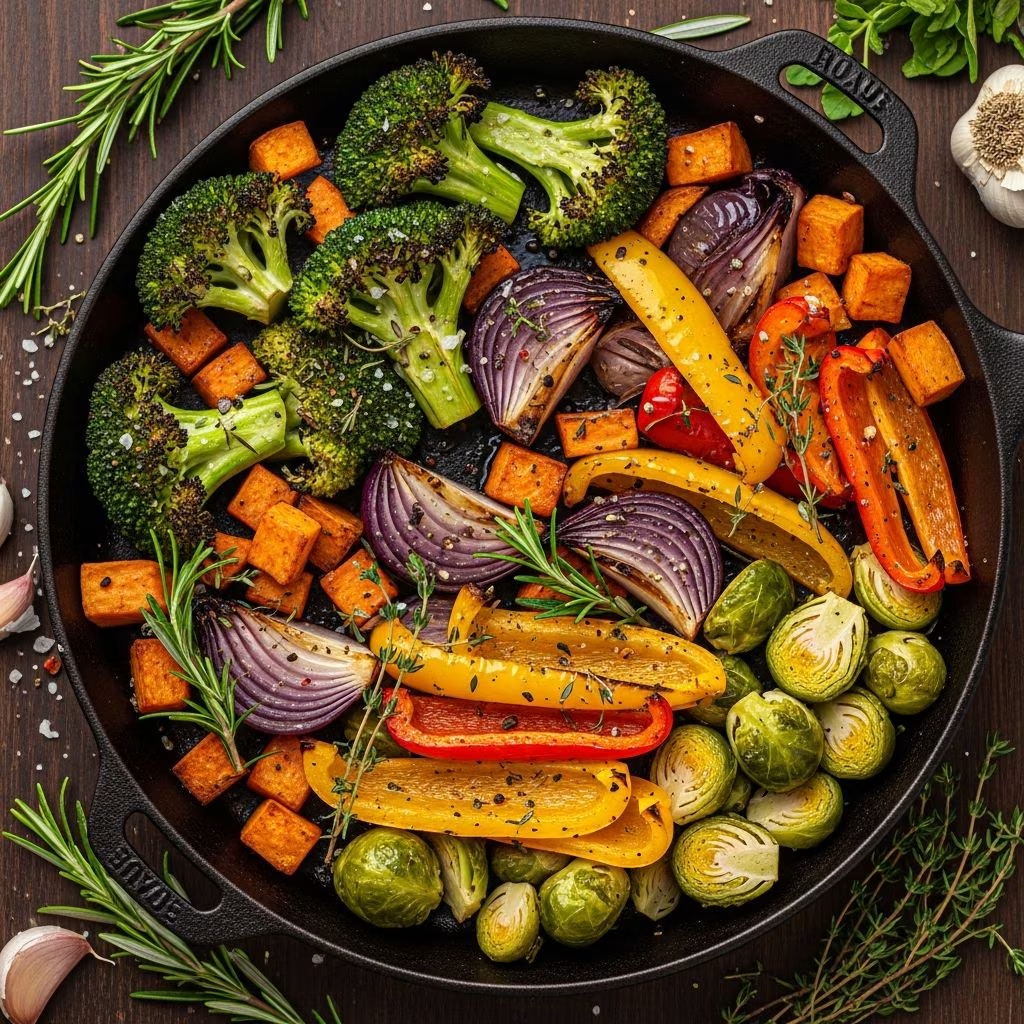
Perfectly roasted vegetables display golden-brown or caramelized edges with tender interiors. The browned edges indicate successful Maillard reaction development and the concentration of flavors through caramelization. If vegetables appear to be drying out excessively before the interior becomes tender, lightly sprinkle a tablespoon or two of vegetable broth, citrus juice, or vinegar-based dressing over the pan to add moisture and prevent burning.
Coordinating Multiple Vegetable Varieties
While single-vegetable roasting provides reliable results, home cooks frequently prefer roasting multiple varieties simultaneously for efficiency and flavor combination. Success with mixed vegetable batches requires strategic planning and staggered additions based on cooking time requirements.
Vegetables fall into three general cooking-time categories. Longest-cooking vegetables including diced butternut squash, quartered beets, and green cabbage wedges typically require thirty to forty minutes at standard roasting temperatures. Medium-cooking vegetables such as broccoli and cauliflower florets, sliced mushrooms, diced carrots, halved Brussels sprouts, and small potatoes require twenty to thirty minutes. Quick-cooking vegetables including sliced bell peppers, sliced zucchini, and asparagus spears roast in just ten to fifteen minutes.
When planning mixed batches, begin by adding longest-cooking vegetables and starting the roast. After approximately ten minutes, add medium-cooking vegetables and stir everything together. During the final ten to fifteen minutes, introduce quick-cooking vegetables. This staggered approach ensures all components reach optimal doneness simultaneously rather than some overcooking while waiting for others to finish.
Strategic Grouping for Complementary Results
Beyond cooking time, certain vegetable combinations work better together due to flavor affinities and textural compatibility. Root vegetables like beets, carrots, and potatoes share similar cooking times and roast harmoniously together. Cruciferous vegetables including broccoli, cauliflower, and Brussels sprouts benefit from roasting as a group. Allium vegetables such as red onion and garlic complement many other vegetables while adding depth to the overall dish.
Conversely, some combinations prove less successful. Roasting broccoli with potatoes creates challenges because broccoli finishes cooking long before potatoes achieve tenderness, resulting in burned broccoli if you wait for potatoes to finish. Understanding these natural groupings helps home cooks make informed decisions when planning multi-vegetable roasting projects.
Troubleshooting Common Roasting Challenges
Vegetable roasting remains forgiving, but several common issues indicate adjustments to technique. If vegetables emerge dry or burned despite reaching appropriate internal doneness, likely causes include insufficient oil, overcrowding causing uneven heat exposure, or excessively high temperatures. Future batches benefit from slightly increasing oil quantity and ensuring adequate spacing between pieces.
Conversely, if vegetables finish cooking but display pale surfaces with minimal browning, the oven temperature may be too low, or vegetables may require additional cooking time. Try increasing oven temperature by twenty-five degrees in subsequent attempts. If some vegetables burn while others remain undercooked, better planning regarding staggered vegetable additions or temperature adjustments for mixed batches will improve results.
Post-Roasting Applications and Storage
Roasted vegetables deliver impressive results as standalone side dishes, but their versatility extends far beyond simple plating. Many cooks intentionally prepare double or triple the quantity needed for a single meal, reserving portions for subsequent applications. Roasted vegetables excel as breakfast ingredients when folded into scrambled eggs or vegetable omelets. For lunch, they transform basic green salads into substantial compositions while adding complex flavors and interesting textures. Roasted vegetables also work beautifully in grain bowls, wraps, sandwiches, and pasta dishes, or pureed into soups and sauces.
Storage considerations allow maximum utility from roasted vegetable batches. Properly cooled roasted vegetables keep refrigerated for up to five days in airtight containers, making them ideal for meal preparation and reducing weekday cooking requirements. Most roasted vegetables also freeze successfully for up to three months when stored in freezer-safe containers, though they soften slightly upon thawing and work best in applications where texture changes matter less, such as soups or blended dishes.
Frequently Asked Questions About Roasting Vegetables
What is the best oil for roasting vegetables?
Olive oil remains the most commonly recommended option due to its neutral flavor and availability, though any cooking oil with a smoke point above 400 degrees Fahrenheit works adequately. Extra-virgin olive oil’s lower smoke point makes it less ideal for high-heat roasting, but regular olive oil performs excellently. Avocado oil and vegetable oil offer neutral alternatives that accommodate various flavor profiles.
Can I roast vegetables without oil?
While technically possible using cooking spray or non-stick surfaces, roasting without adequate oil significantly reduces browning and caramelization potential. The Maillard reaction depends partly on oil presence, so oil-free roasting produces steamed rather than roasted results. For reduced-oil cooking, use minimal amounts rather than eliminating oil entirely.
How do I know when roasted vegetables are done?
Perfectly roasted vegetables display golden-brown or caramelized edges with interiors that yield easily to a fork but maintain structural integrity. Undercooked vegetables appear pale and firm, while overcooked ones turn dark brown or black with mushy interiors. Visual inspection at the halfway point and final minutes helps develop intuition for appropriate doneness levels.
Should I cover vegetables while roasting?
Roasting vegetables uncovered allows the dry heat environment necessary for browning and caramelization. Covering with foil creates a steaming effect that prevents crispy exterior development. Never cover vegetables during standard roasting, though foil tenting might temporarily slow rapid browning if pieces are darkening too quickly.
Can frozen vegetables be roasted?
Frozen vegetables contain excess ice crystals that release moisture during thawing and roasting. While technically roastable, frozen vegetables rarely achieve the crispy, caramelized results of fresh alternatives. Thawing and thoroughly drying frozen vegetables before roasting improves results, though fresh vegetables remain the preferred choice for optimal outcomes.
Conclusion: Building Your Roasting Confidence
Roasting vegetables represents an accessible cooking technique that delivers impressive results through understanding fundamental principles and consistent practice. By managing oven temperature, ensuring proper vegetable spacing, applying adequate oil, and paying attention to timing and intermediate steps, home cooks can reliably produce vegetables with caramelized exteriors, concentrated flavors, and appealing textures. Whether preparing a simple vegetable side dish or creating components for complex meal-preparation projects, roasting provides a reliable foundation for incorporating more vegetables into regular meal patterns while maximizing their natural flavors and visual appeal.
References
- How To Roast Vegetables — Have A Plant (Fruits and Veggies). Accessed 2026. https://fruitsandveggies.org/blog/everyday-chef-roast-vegetables/
- Roasted Vegetables — RecipeTin Eats. https://www.recipetineats.com/roasted-vegetables/
- How to Make Perfect Roasted Vegetables Every Time — California Grown. https://californiagrown.org/recipes/roasted-vegetables/
- Oven Roasted Vegetables — Well Plated. https://www.wellplated.com/oven-roasted-vegetables/
- Roasted Vegetables 101 — What’s Gaby Cooking. https://whatsgabycooking.com/roasted-vegetables-101/
- How to Roast Vegetables Perfectly Every Time — Milk Street. https://www.177milkstreet.com/stories/roasting-vegetables