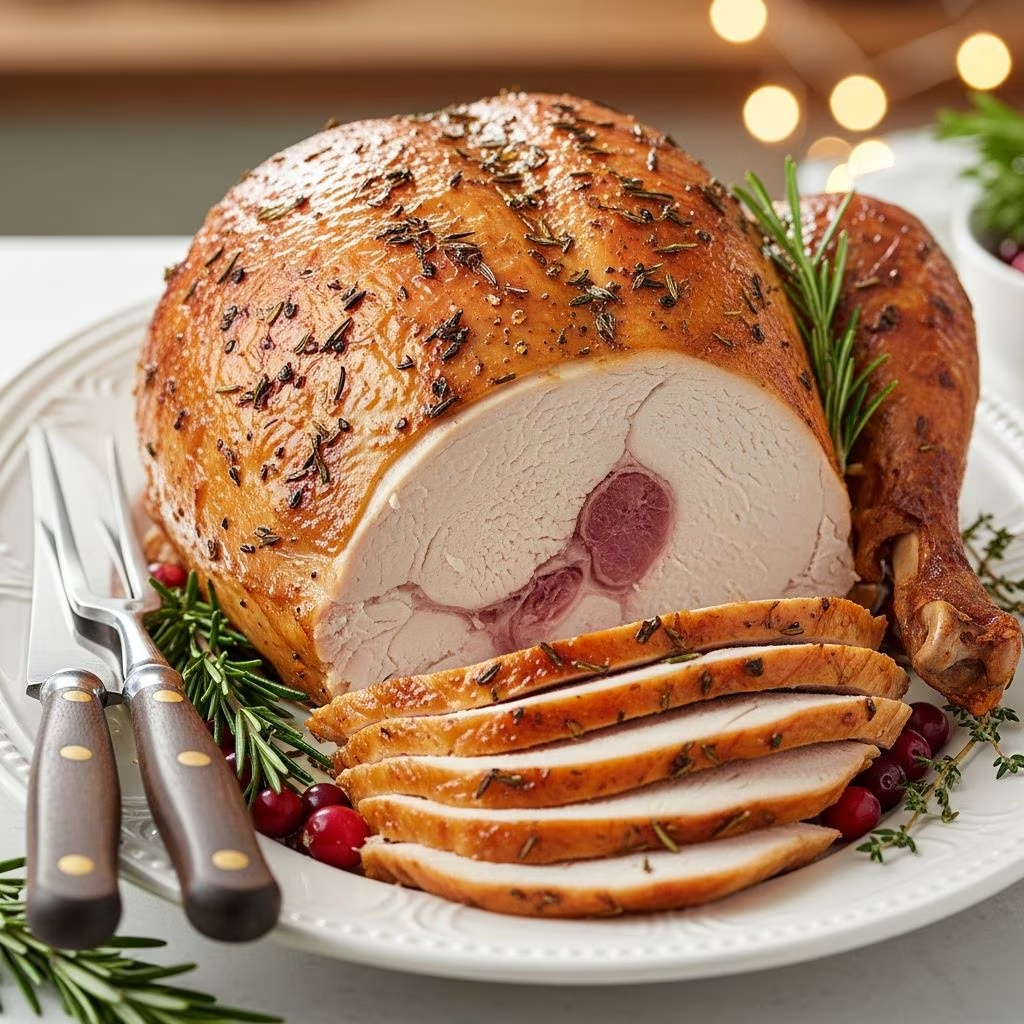
Roasting a **turkey breast** in the oven delivers a tender, flavorful main dish without the fuss of cooking a whole bird. This method yields juicy meat with crispy skin, making it ideal for smaller gatherings, weeknight dinners, or holiday meals when you want to scale down. Whether bone-in or boneless, mastering this recipe ensures consistent results with minimal effort.
Why Choose Turkey Breast for Roasting?
Turkey breast offers several advantages over a full turkey. It cooks faster, typically in 1.5 to 3 hours depending on size, reducing overall meal prep time. The concentrated white meat stays moist when properly seasoned and roasted at moderate temperatures. Bone-in versions retain more flavor from the bone, while boneless options slice easily for sandwiches or salads. This cut serves 4-8 people, perfect for families avoiding leftovers overload.
Nutritionally, turkey breast is lean protein, low in fat, and rich in vitamins like B6 and niacin. A 4-ounce serving provides about 30 grams of protein with under 5 grams of fat, supporting muscle health and weight management when paired with vegetables.
Selecting the Best Turkey Breast
Start with quality ingredients for superior taste. Opt for fresh or fully thawed turkey breast from reputable sources. Bone-in skin-on breasts (4-7 pounds) are recommended for best moisture retention and flavor infusion under the skin.
- Bone-in vs. Boneless: Bone-in cooks evenly and adds depth; boneless is quicker but needs extra care to avoid drying.
- Size Guide: 4-5 pounds serves 6-8; 6-7 pounds for 8-10.
- Fresh vs. Frozen: Fresh yields better texture; thaw frozen in fridge (24 hours per 5 pounds).
Inspect for plump, firm meat without tears in the skin. Avoid pre-brined or injected birds if customizing flavors.
Essential Ingredients for Flavorful Results
Simple pantry staples elevate the natural taste of turkey. Focus on herbs, butter, and acids for balance.
| Ingredient | Quantity (4-5 lb breast) | Purpose |
|---|---|---|
| Unsalted butter, softened | 1/2 cup | Moisture and rich flavor base |
| Fresh or dried herbs (rosemary, thyme, sage) | 1-2 tsp each | Aromatic seasoning |
| Garlic powder / minced garlic | 1 tsp | Savory depth |
| Salt and black pepper | 1-2 tbsp salt, 1 tsp pepper | Essential seasoning |
| Lemon juice or wedges | 1 tbsp / 1 lemon | Bright acidity |
| Olive oil (optional) | 2 tbsp | For rub adhesion |
Customize with onion powder, paprika, or balsamic for variety. Chicken broth in the pan adds steaming moisture.
Step-by-Step Preparation Guide
Proper prep ensures even cooking and maximum juiciness. Allow 30-45 minutes for this stage.
- Thaw and Pat Dry: Rinse under cold water, then thoroughly pat dry with paper towels. Remove giblets if present.
- Seasoning Compound: Mix softened butter with herbs, garlic, salt, pepper, and lemon juice until smooth.
- Loosen Skin: Gently lift skin from breast meat without tearing. Spread half the compound underneath for infused flavor.
- Apply Exterior: Rub remaining mixture over skin, sides, and bottom. Add oil if needed for crispiness.
- Rest at Room Temp: Let sit 30 minutes for even cooking.
Place in a greased roasting pan or dish with rack. Add lemon wedges, herbs, or veggies like onions and celery around for aroma and pan juices.
Mastering the Roasting Process
Oven temperature and timing are key to perfection. Use a meat thermometer for accuracy—aim for 165°F internal in thickest part.
- Preheat Oven: 325-350°F for most recipes; higher initial blast (425°F for 15 min) crisps skin.
- Cooking Times:
- Bone-in: 15-20 min per pound at 325°F (2-3 hours for 5 lb).
- Boneless: 90-120 min at 350°F.
- Basting: Spoon pan juices over turkey every 30-45 minutes after first hour.
- Tenting: Foil loosely once golden to prevent over-browning.
Position rack in lower third of oven. No need to flip—skin-up yields crisp results. Rotate pan midway for even heat.
Temperature Tips and Safety
Food safety mandates 165°F minimum. Insert thermometer horizontally into thickest area, avoiding bone. Remove at 160°F as carryover cooking adds 5-10°F during rest. Juices should run clear, not pink.
Rest tented under foil for 15-30 minutes. This redistributes juices, preventing dry slices.
Creating a Flavorful Pan Gravy
Don’t discard drippings—they make exceptional gravy. Yield: 2 cups.
- Strain pan juices into saucepan, skim fat.
- Simmer with 2 cups broth; whisk in 1/4 cup flour slurry.
- Add herbs, salt, pepper; thicken 5 min.
For giblet gravy, simmer neck/giblets with onions for stock base.
Carving and Serving Suggestions
Let rest fully. For bone-in, slice parallel to breastbone, removing each half. Boneless: Slice 1/4-inch thick against grain.
Pair with:
- Sides: Mashed potatoes, green beans, cranberry sauce, stuffing.
- Sauces: Turkey gravy, herb butter.
- Leftovers: Sandwiches, salads, soups.
Common Mistakes and Fixes
| Mistake | Fix |
|---|---|
| Dry meat | Baste often, don’t overcook, use compound butter |
| Soggy skin | Pat dry, high initial heat, no cover until end |
| Uneven cooking | Thermometer check, rotate pan |
| Undercooked | Verify 165°F, tent and rest |
Variations for Every Taste
- Honey-Herb: Add 2 tbsp honey to butter for sweetness.
- Smoky Paprika: Mix in 1 tsp smoked paprika and garlic salt.
- Citrus-Garlic: Zest one orange, add fresh garlic.
- Asian-Inspired: Soy sauce, ginger, sesame oil rub.
- Low-Carb: Skip gravy, serve with cauliflower mash.
Storage, Reheating, and Freezing
Cool completely. Refrigerate up to 4 days in airtight container. Freeze slices up to 3 months.
Reheat gently: Oven 300°F covered with broth, or slice cold for salads.
Nutrition Breakdown (Per 4oz Serving)
| Nutrient | Amount |
|---|---|
| Calories | 160 |
| Protein | 30g |
| Fat | 4g |
| Carbs | 0g |
Values approximate; varies by seasoning.
Frequently Asked Questions
Can I use a frozen turkey breast?
Thaw fully in fridge first for safety and texture. Plan 24 hours per 4-5 pounds.
What’s the best oven temp for crispy skin?
Start at 425°F for 15 min, reduce to 325°F. Dry skin and butter help too.
How do I know when it’s done?
165°F internal temp. Resting brings it to 170°F safely.
Is brining necessary?
Optional but enhances moisture. Overnight in salt-sugar water works well.
Can this recipe be doubled?
Yes, use larger pan; adjust time slightly for thickness.
References
- FoodSafety.gov Turkey Basics — U.S. Department of Agriculture. 2023-10-01. https://www.foodsafety.gov/food-safety-charts/safe-minimum-internal-temperatures
- Roasting Turkey Breast Guidelines — USDA FoodKeeper App. 2024-01-15. https://www.foodsafety.gov/food-safety-charts/cold-food-storage-charts
- Herb-Roasted Poultry Nutrition — Harvard T.H. Chan School of Public Health. 2022-05-20. https://www.hsph.harvard.edu/nutritionsource/food-features/turkey/