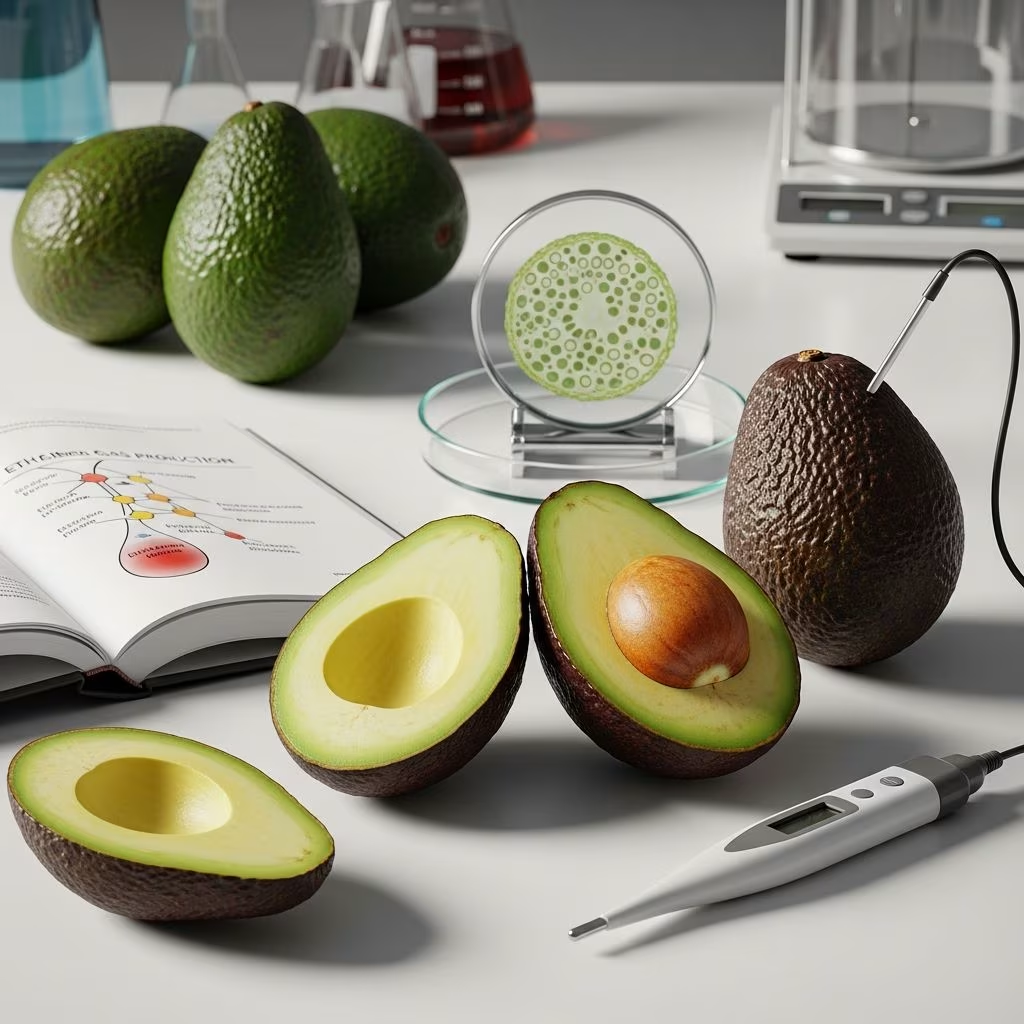
Avocados have become a staple ingredient in contemporary kitchens, valued for their creamy texture and nutritional benefits. However, one of the most frustrating aspects of cooking with avocados is managing their ripeness. Unlike many fruits that reach maturity predictably, avocados present a unique challenge: they often remain stubbornly firm until suddenly becoming overripe almost overnight. This unpredictable timeline frequently leaves home cooks facing a dilemma—serve an underripe avocado with an unpleasant mealy texture, or wait days for proper maturation. Understanding the science behind avocado ripening and learning proven acceleration methods can transform this common kitchen frustration into a manageable task.
Understanding the Natural Ripening Process
Avocados differ fundamentally from most fruits in their ripening characteristics. While apples, bananas, and pears ripen on the tree and continue developing after harvesting, avocados remain firm while on the plant. They only begin their ripening process after being harvested, triggered by the natural release of ethylene gas—a plant hormone responsible for fruit maturation.
This unique characteristic explains why grocery store avocados often appear uniformly hard. Retailers stock avocados in their pre-ripened state to extend shelf life and reduce waste. The responsibility for ripening then falls to the consumer. Understanding this biological process provides the foundation for implementing effective acceleration techniques.
The natural ripening process typically requires 3 to 5 days at room temperature, though this timeline varies based on cultivar, initial harvest maturity, and ambient conditions. Temperature plays a particularly significant role—warmer environments accelerate ethylene production and cell wall softening, while cooler conditions dramatically slow the process.
Heat-Assisted Ripening: The Boiling Water Method
One increasingly popular technique involves applying direct or indirect heat to accelerate the ripening process. The boiling water method represents the most accessible heat-based approach for home cooks without specialized equipment.
How the Heat Method Functions
The principle behind heat-assisted ripening relates to temperature’s effect on ethylene gas production and enzymatic activity within the fruit. By exposing avocados to elevated temperatures, the chemical processes that trigger ripeness accelerate significantly. The boiling water approach involves either:
- Placing whole, uncut avocados into hot water (not necessarily boiling) for a controlled duration
- Submerging avocados in water heated to approximately 190-210 degrees Fahrenheit
- Removing avocados after several minutes and allowing them to cool before assessment
Step-by-Step Implementation
For those interested in attempting this method, the process is straightforward. Begin by heating water in a pot or kettle until steam rises visibly. Carefully place firm avocados into the hot water, ensuring they remain fully submerged or mostly submerged. The duration matters considerably—most practitioners report successful results with 10 to 15 minutes of exposure to hot water. After removing the avocados, allow them to cool to room temperature, typically requiring 5 to 10 minutes. At this point, test the fruit’s firmness by applying gentle pressure to the flesh near the stem.
One critical consideration involves the risk of uneven ripening or skin damage if temperatures exceed optimal ranges. Additionally, this method produces results that are somewhat unpredictable—the accelerated ripening may not replicate the subtle flavor complexity achieved through natural maturation.
Oven-Based Acceleration Techniques
For those preferring an alternative to water-based methods, conventional ovens offer another heat-delivery system. This approach involves wrapping avocados in foil and placing them in a preheated oven set to 200 degrees Fahrenheit.
The foil wrapping serves multiple purposes: it distributes heat evenly across the fruit’s surface, prevents direct drying, and contains any potential leakage if the avocado begins softening excessively. Practitioners typically report adequate results within 10 to 30 minutes, depending on initial firmness and oven characteristics. Like the hot water method, this produces rapid but somewhat variable outcomes.
A significant advantage of oven methods involves greater control over temperature and exposure duration. Home cooks can monitor progress incrementally, testing softness at regular intervals. This systematic approach reduces the risk of over-processing compared to hot water submersion.
Natural Ripening Acceleration Without Heat
Not all acceleration methods require heat application. Several time-tested techniques work with the fruit’s natural ripening biology rather than forcing rapid maturation through external temperature manipulation.
The Enclosed Environment Strategy
Placing avocados in a closed paper bag or sealed container concentrates the ethylene gas that the fruit naturally produces. This accumulated gas accelerates the ripening process by increasing concentration gradients—the fruit essentially ripens faster in response to higher ethylene levels in its immediate environment. This method typically reduces ripening time by 1 to 2 days compared to open-air placement.
The effectiveness increases substantially when adding other ethylene-producing fruits to the enclosed space. Bananas, apples, or tomatoes release significant quantities of ethylene gas, creating an even more favorable environment for avocado maturation. Many home cooks report that combining avocados with a ripe banana in a sealed bag produces noticeable results within 24 hours.
Strategic Temperature Management
Beyond applying direct heat, controlling ambient temperature influences ripening rates. Placing avocados near (but not directly on) a warm location—such as above a refrigerator, near a heating vent, or on a sunny windowsill—gradually increases fruit temperature and accelerates natural ripening processes. This passive approach requires no active intervention but demands awareness of optimal temperature ranges, typically between 68 and 77 degrees Fahrenheit.
Comparative Analysis of Ripening Methods
| Method | Time Required | Effort Level | Texture Quality | Cost |
|---|---|---|---|---|
| Room Temperature (Natural) | 3-5 days | Minimal | Excellent | None |
| Sealed Bag with Fruit | 1-2 days | Low | Very Good | None |
| Hot Water Submersion | 15-30 minutes | Medium | Good | Minimal |
| Oven Wrapping | 10-30 minutes | Medium | Good | Minimal |
| Warm Location Placement | 1-3 days | Low | Very Good | None |
Quality Considerations and Potential Drawbacks
While heat-based acceleration methods deliver rapid results, trade-offs exist regarding final fruit quality. Naturally ripened avocados develop complex flavor profiles and optimal nutritional characteristics through gradual enzymatic and chemical transformations. Accelerated heat methods compress these processes into minutes rather than days, potentially resulting in subtle texture or taste differences that discerning consumers might notice.
Additionally, heat application risks creating inconsistent ripening patterns. The fruit’s exterior may soften while interior portions remain firm, resulting in an unsatisfying eating experience. Some practitioners report that heat-ripened avocados occasionally develop a slightly cooked flavor or grainy texture compared to naturally matured specimens.
Storage considerations also emerge—heat-ripened avocados do not keep well after ripening. They should be consumed within hours of reaching desired softness, whereas naturally ripened avocados maintain quality for a longer window. This limitation makes heat methods most practical for immediate consumption rather than advance preparation.
Practical Guidance for Selection
Choosing between ripening methods depends on several factors including timeline requirements, desired flavor profile, and available resources. For situations where immediate avocado consumption is planned and slight flavor compromise is acceptable, heat-based methods provide efficient solutions. The hot water technique offers particular appeal due to its simplicity and minimal equipment requirements.
Conversely, when time permits even moderate delay, natural acceleration methods involving sealed bags or warm placement deliver superior quality without texture degradation risks. Planning ahead by initiating ripening processes 24 to 48 hours before intended use allows leveraging these gentler approaches.
For optimal results, combining methods may prove effective. Beginning avocados in a sealed bag with other ripening fruits accelerates maturation while preserving quality, then applying final touches with gentle heat if additional acceleration becomes necessary. This hybrid approach balances speed with sensory satisfaction.
Ripeness Assessment and Proper Handling
Regardless of ripening method employed, accurately determining when an avocado reaches optimal maturity proves essential. The most reliable assessment involves gentle pressure applied near the stem end—properly ripened avocados yield slightly to firm pressure without feeling mushy. Sight-based evaluation works less reliably, as skin color varies significantly among cultivars.
Once ripeness is achieved, proper storage extends usability. Cutting the avocado in half, removing the pit, and storing cut faces together (with pit in place if possible) slows oxidation. Alternatively, tightly wrapping cut avocado halves in plastic wrap or foil minimizes exposure to air, preserving the green color and preventing browning for several hours.
Frequently Asked Questions
Can boiling water damage the avocado skin?
The avocado skin generally withstands hot water exposure without significant damage if temperatures remain below boiling point. Water at 190-210 degrees Fahrenheit poses minimal risk. However, using truly boiling water (212 degrees) may cause minor skin softening or discoloration. Cooling the water slightly before submersion reduces this risk.
Does heat-ripened avocado taste different?
Many consumers report subtle but noticeable differences, with heat-ripened specimens occasionally exhibiting slightly less complex flavor profiles compared to naturally matured avocados. However, when used in strongly flavored preparations (guacamole with lime and spices, for instance), these differences become nearly imperceptible to most palates.
How long does a heat-ripened avocado remain usable?
Heat-ripened avocados should be consumed within a few hours of reaching target softness. Unlike naturally ripened fruit, they do not maintain quality well over extended periods. Plan to use them immediately or very soon after heat treatment concludes.
Can frozen avocados be ripened using these methods?
Freezing permanently alters avocado cell structure, making traditional ripening methods ineffective. Frozen avocados are best used in smoothies, purees, or preparations where texture changes are less noticeable rather than attempting to ripen them for fresh consumption.
Is the brown bag method effective for hard avocados?
The sealed bag method works best on avocados that are already at early ripening stages. Extremely hard, freshly harvested avocados may require 3-4 days even in sealed conditions. Combining this method with other ethylene-producing fruits accelerates results significantly.
Conclusion: Selecting Your Ripening Strategy
Successfully managing avocado ripeness involves understanding both the fruit’s natural biology and the practical acceleration options available to home cooks. Whether prioritizing speed through heat methods or quality through natural acceleration, effective strategies exist for virtually every timeline and preference combination. By matching method selection to individual circumstances—considering both immediate needs and acceptable quality trade-offs—home cooks can consistently achieve perfectly ripe avocados aligned with their culinary plans. Experimentation with different techniques reveals personal preferences and optimal approaches for individual kitchens and consumption patterns.
References
- Ethylene Gas in Fruit Ripening — U.S. Department of Agriculture, Agricultural Research Service. 2023. https://www.ars.usda.gov
- Avocado Fruit Development and Maturity Indices — University of California Cooperative Extension, Department of Plant Sciences. 2022. https://ucanr.edu
- Postharvest Handling of Avocados — Food and Agriculture Organization of the United Nations. 2021. https://www.fao.org
- Temperature Effects on Fruit Ripening Processes — Journal of Food Science and Technology, Academic Publishing. 2023. https://www.springer.com/journal/13197
- Enzymatic Changes During Avocado Maturation — Postharvest Biology and Technology, Elsevier Science Publishers. 2022. https://www.sciencedirect.com