Pickling asparagus is a time-honored preservation technique that transforms fresh spring vegetables into a zesty condiment perfect for snacking, garnishing cocktails, or adding to charcuterie boards. This comprehensive guide walks you through the entire process, from selecting your ingredients to storing your finished product, ensuring you achieve perfectly crisp, flavorful results every time.
Understanding the Pickling Process
Pickling works through the combination of vinegar, salt, and sugar, which creates an acidic environment that preserves vegetables while infusing them with tangy flavor. The process is remarkably simple yet produces sophisticated results. When you submerge vegetables in a hot brine solution, the acidity penetrates the cell walls, creating a shelf-stable product while maintaining the vegetable’s natural texture and nutritional value.
The beauty of pickled asparagus lies in its versatility. Unlike some preserved foods that require extensive equipment or specialized knowledge, pickled asparagus can be made using basic kitchen tools and refrigeration, making it accessible to home cooks of all skill levels.
Selecting and Preparing Your Asparagus
The foundation of excellent pickled asparagus starts with quality produce. Choose fresh, firm spears that snap cleanly when bent—a sign of optimal freshness. Thin to medium spears work best, as they pickle more evenly than thicker varieties and have a more tender texture when finished.
Preparation steps include:
- Washing asparagus thoroughly under cool running water to remove any dirt or debris
- Trimming the woody bottom portions, typically 1 to 2 inches from the base
- Cutting the spears to fit vertically within your chosen containers, leaving approximately half an inch of headspace
- Saving any tender trimmings to fill gaps and maximize jar space
The trimming step is crucial—woody ends will remain tough even after pickling and can negatively affect the eating experience. The exact length depends on your jar dimensions, but uniform sizing ensures even preservation and a more appealing presentation.
Essential Ingredients for Your Brine
The brine—the liquid that preserves and flavors your asparagus—consists of four primary components: vinegar, water, salt, and sugar. Each plays a specific role in creating the final product.
| Ingredient | Purpose | Typical Amount (per quart) |
|---|---|---|
| Vinegar (5% acidity) | Creates acidic preservation environment | 1.5 to 2 cups |
| Water | Dilutes vinegar intensity | 1 to 3 cups |
| Salt | Enhances flavor and preservation | 1 to 2 tablespoons |
| Sugar | Balances acidity with subtle sweetness | 1 to 2 tablespoons |
Vinegar selection matters significantly: White distilled vinegar maintains the bright green color of asparagus while providing a clean, sharp taste. Apple cider vinegar offers earthier notes and a slightly sweeter profile. Rice vinegar produces milder results suitable for those preferring subtle tanginess. Always verify your vinegar contains 5% acidity for proper food preservation.
The ratio of vinegar to water can be adjusted based on preference. Some recipes use equal parts (50/50), while others increase vinegar concentration for more pronounced pickle flavor. Experimentation allows you to discover your ideal balance.
Flavor-Enhancing Aromatics and Spices
Beyond the basic brine, aromatics and spices transform pickled asparagus from simple to sensational. These additions infuse character while contributing to preservation.
Classic flavor components include:
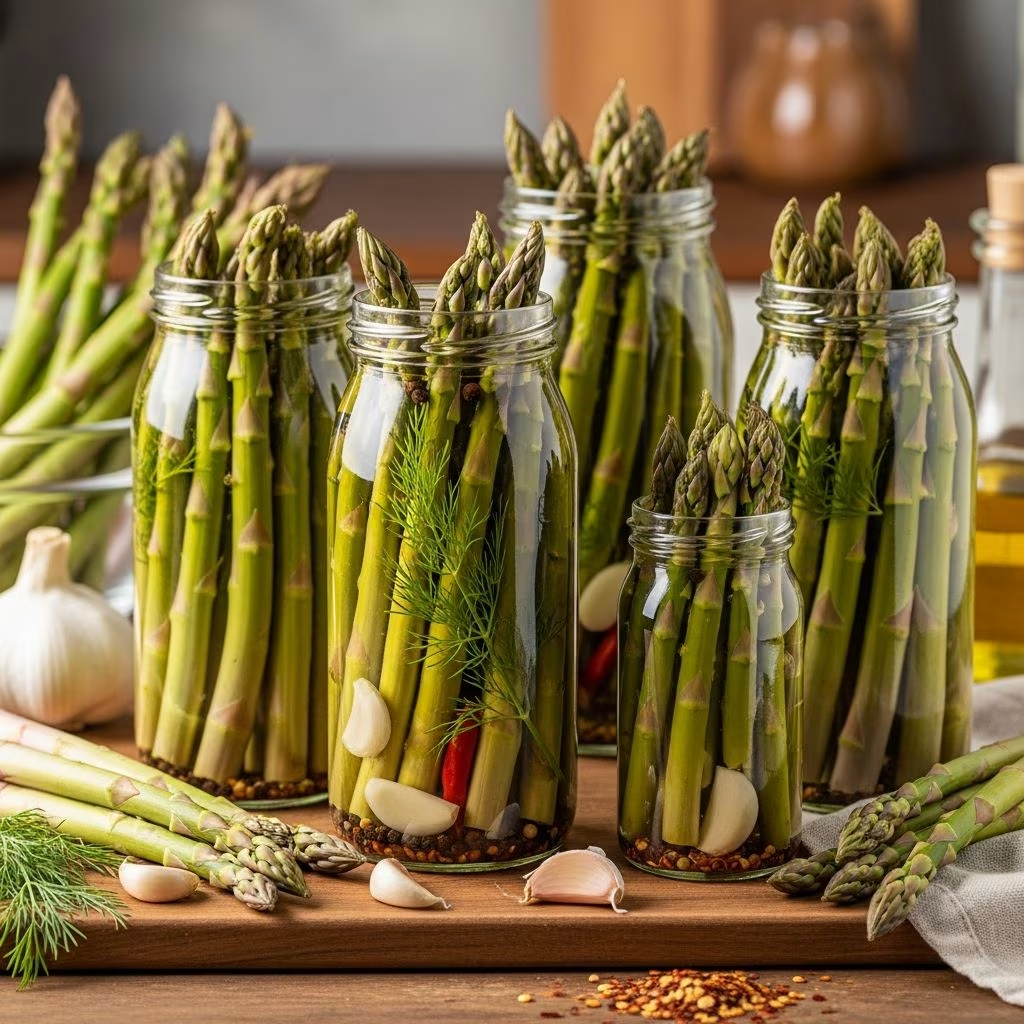
- Garlic cloves (typically 2-3 per jar), which provide pungent, savory notes
- Fresh dill sprigs or dill seeds, contributing herbaceous, slightly anise-like flavor
- Black peppercorns, adding subtle heat and complexity
- Red pepper flakes, for those preferring spicy pickles
- Mustard seeds, contributing tangy, slightly bitter undertones
- Bay leaves, providing mild aromatic warmth
- Thinly sliced shallots, contributing sweet onion complexity
Each ingredient can be adjusted or eliminated based on personal preference. Some cooks add celery seed, coriander seeds, or even turmeric for unique flavor profiles. The spices should be distributed between jars before adding the brine to ensure even flavor distribution throughout the batch.
Step-by-Step Instructions for Quick Refrigerator Pickles
The quickest method requires no special canning equipment—simply use sterilized jars stored in your refrigerator. This approach yields delicious results within 24 hours.
Step 1: Prepare Your Containers
Wash mason jars with hot soapy water and rinse thoroughly, or run them through your dishwasher on the hot setting. Wide-mouth jars (quart or pint size) work exceptionally well for asparagus, making packing easier and removing simpler.
Step 2: Layer Aromatics
Distribute your chosen garlic cloves, dill, peppercorns, and other spices evenly among jars. These ingredients should form a flavorful base before the asparagus is added.
Step 3: Pack the Asparagus
Arrange trimmed asparagus spears vertically or at a slight angle, packing them tightly but not forcefully. Aim to fill the jar densely so the brine distributes evenly and spears remain submerged during storage.
Step 4: Prepare the Brine
Combine vinegar, water, salt, and sugar in a medium saucepan. Heat over medium heat, stirring occasionally until both salt and sugar dissolve completely—approximately 1 to 2 minutes. The mixture need not reach a rolling boil; it simply needs to be hot enough to effectively cook the vegetables and allow flavors to meld.
Step 5: Pour and Cool
Carefully pour the hot brine over the asparagus, ensuring all spears become fully submerged. This is critical for even preservation and flavor development. Leave approximately half an inch of headspace at the jar’s top.
Allow the jars to cool to room temperature before sealing and refrigerating. This cooling period typically takes 1 to 2 hours. Once cooled, cover jars securely and transfer to the refrigerator.
Traditional Water-Bath Canning Method
For longer shelf storage without refrigeration, water-bath canning provides a traditional preservation method suitable for pickled vegetables. This technique involves processing sealed jars in boiling water to create a vacuum seal that prevents bacterial growth.
Follow these guidelines for safe canning:
- Sterilize all jars, lids, and bands according to manufacturer instructions
- Fill jars with prepared asparagus and brine using the same technique as refrigerator pickles
- Leave exactly half an inch of headspace for proper sealing
- Wipe jar rims with a clean, damp cloth to remove any brine residue that could prevent sealing
- Apply two-piece lids (lid and band) to each jar
- Process filled jars in a boiling water bath for 10 to 15 minutes, depending on your altitude
- Remove jars and allow them to cool completely before removing the band
- Test seals by pressing the center of each lid; sealed lids won’t flex or pop
Properly sealed and processed pickled asparagus can be stored in a cool, dark place for up to one year, though flavor and texture peak within the first six months.
Storage and Shelf Life Considerations
Storage method directly impacts how long your pickled asparagus remains at peak quality. Refrigerator pickles without processing can be safely stored for approximately two weeks. The extended storage time is limited by the lack of heat processing, which means some microorganisms may still be present but remain dormant at cold temperatures.
Properly canned and sealed jars can be stored at room temperature in a pantry or cupboard for extended periods. Once opened, they should be transferred to the refrigerator and consumed within one to two weeks. Even opened jars of refrigerator pickles should be kept refrigerated and should be consumed within two weeks for optimal quality and safety.
Always inspect pickled asparagus before consuming. Discard any jars that show signs of spoilage including cloudiness, mold, or off-putting odors.
Creative Serving and Culinary Applications
Pickled asparagus transcends simple snacking, offering versatile applications across multiple cuisines and occasions. Serve them as an elegant appetizer on a charcuterie board alongside cheeses and cured meats. Their crisp texture and tangy profile complement rich, fatty foods beautifully.
Consider these creative uses:
- Garnish for Bloody Mary cocktails or other savory drinks
- Addition to salads for textural contrast and acidic brightness
- Component of antipasto platters and Mediterranean spreads
- Topping for grain bowls or composed plates
- Accompaniment to grilled meats or roasted fish
- Element in relishes or condiment blends
Troubleshooting Common Pickling Issues
Problem: Soft, mushy asparagus
Cause: Overcooking or using old asparagus. Solution: Select fresh spears and avoid boiling the brine excessively. Brief heating is sufficient.
Problem: Cloudy brine
Cause: Mineral deposits from tap water or starch from vegetables. Solution: Use filtered water and ensure vegetables are clean before pickling.
Problem: Faded green color
Cause: Use of apple cider or other non-white vinegars. Solution: Use distilled white vinegar to maintain vibrant color.
Problem: Insufficient flavor
Cause: Inadequate seasoning or insufficient soaking time. Solution: Increase spice quantities and allow at least 24 hours for flavors to develop fully.
Nutritional Benefits of Pickled Asparagus
Asparagus is naturally rich in vitamins, minerals, and antioxidants. Pickling preserves these nutritional compounds while the fermentation process may enhance bioavailability of certain nutrients. The high vinegar content contributes acetic acid, which some research suggests may support digestive health and blood sugar management, though consumption should remain moderate given the salt content of most pickling brines.
Frequently Asked Questions
Q: Can I reuse the brine after removing asparagus?
A: Brine used for refrigerator pickles should not be reused, as it may contain bacteria from the original vegetables. Canned brine can theoretically be reused if the jar remained sealed, but it’s safer to prepare fresh brine for each batch.
Q: How much asparagus do I need per jar?
A: Approximately 20 to 30 spears per quart jar, depending on spear thickness. Pack tightly but gently to avoid crushing.
Q: Can I make pickled asparagus without vinegar?
A: No. Vinegar’s acidity is essential for preservation and food safety. No safe alternatives exist.
Q: How long until pickled asparagus reaches peak flavor?
A: Most recipes recommend waiting at least 24 hours for flavor development, though 48 hours yields even more pronounced results.
Q: Can frozen asparagus be pickled?
A: While technically possible, frozen asparagus becomes very soft during pickling. Fresh asparagus produces superior results.
Conclusion
Making pickled asparagus at home combines simplicity with sophisticated results. Whether you choose the no-fuss refrigerator method or traditional water-bath canning, you’ll produce a shelf-stable delicacy that elevates snacking and cooking. With attention to ingredient quality, proper technique, and creative flavor combinations, homemade pickled asparagus becomes a signature preserve that showcases your culinary skills while providing a practical way to preserve spring’s bounty for months to come.
References
- Pickled Asparagus Recipe — Love and Lemons. 2024. https://www.loveandlemons.com/pickled-asparagus/
- Pickled Asparagus: A Sign of Spring — The Chopping Block. 2024. https://www.thechoppingblock.com/blog/pickled-asparagus-a-sign-of-spring
- Pickled Asparagus Recipe (Canned, Quick, or Refrigerator) — Melissa K. Norris. 2024. https://melissaknorris.com/best-pickled-asparagus-easy-canning-recipe/
- Pickled Asparagus — National Center for Home Food Preservation, University of Georgia. 2024. https://nchfp.uga.edu/how/pickle/vegetable-pickles/pickled-asparagus/
- Easy Pickled Asparagus — Pinch and Swirl. 2024. https://pinchandswirl.com/pickled-asparagus/
- Pickled Asparagus Canning Recipe — Ball & Kerr Fresh Preserving. 2024. https://www.ballmasonjars.com/pickled-asparagus.html
- Quick Pickled Asparagus (No Canning Necessary) — Simply Whisked. 2024. https://www.simplywhisked.com/quick-pickled-asparagus/