Barramundi stands out among white fish varieties for its delicate flavor, buttery texture, and versatility in the kitchen. When prepared through pan-frying, this seafood transforms into an elegant dish suitable for both weeknight dinners and special occasions. The key to exceptional pan-fried barramundi lies in understanding proper preparation, heat management, and technique execution.
Understanding Barramundi as a Cooking Ingredient
Barramundi, also known as Asian sea bass, contains moderate fat content that makes it forgiving during high-heat cooking methods. This characteristic distinguishes it from leaner fish varieties that require more careful temperature control. The fish’s natural oils keep the flesh moist and succulent even when subjected to direct heat, making pan-frying an ideal preparation method.
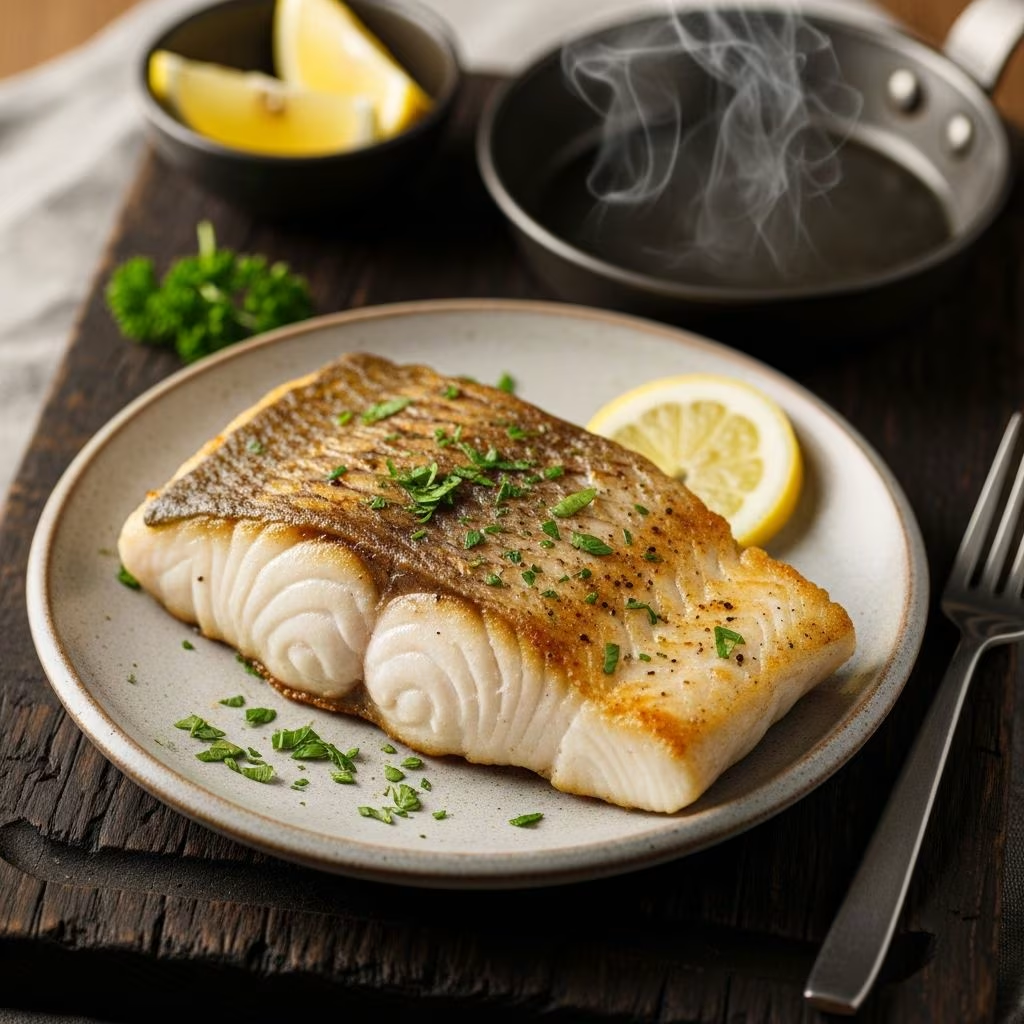
The edible skin of barramundi provides an additional advantage for pan-cooking techniques. When properly prepared and cooked, the skin becomes extraordinarily crispy and develops a golden-brown exterior while maintaining a tender, flaky interior. This textural contrast elevates the overall eating experience and adds visual appeal to the finished dish.
Essential Preparation Steps for Success
Successful pan-fried barramundi begins with thorough preparation. The foundation of excellent results starts before the fish enters the cooking vessel. Proper handling during preparation determines whether your final dish achieves restaurant-quality standards or falls short of expectations.
Cleaning and Rinsing: Begin by rinsing barramundi fillets under cold running water to remove any residual scales or debris. Use your fingertips to gently feel along the flesh and locate any remaining pin bones. A pair of needle-nose tweezers allows for precise removal of these fine bones that might otherwise detract from the dining experience. Pat the fish completely dry with paper towels immediately after rinsing.
Drying Technique: Moisture is the enemy of crispy skin development. After rinsing, use multiple paper towels to thoroughly dry the fillet, paying special attention to the skin surface. Allow the dried fish to rest at room temperature for five to ten minutes before cooking. This resting period permits the surface to dry further and helps the fish cook more evenly.
Seasoning Application: Season barramundi fillets on both sides with sea salt and freshly ground black pepper just before cooking. This timing prevents salt from drawing moisture from the fish prematurely. For enhanced flavor profiles, consider creating compound butter or herb-infused oils to brush onto the fish before or during cooking.
Selecting the Right Cookware and Heat
The choice of cooking vessel significantly impacts your results. Cast iron skillets offer superior heat retention and distribution compared to standard stainless steel or aluminum pans. The even heating properties of cast iron prevent hot spots that might cause uneven cooking or excessive browning in localized areas.
Nonstick skillets provide an excellent alternative, particularly for cooks concerned about sticking or who prefer easier cleanup. Medium to large skillets accommodating the fillet without crowding allow for proper heat circulation and browning.
Temperature control requires attention throughout the cooking process. Preheat your selected skillet over medium-high heat for two to three minutes before adding oil or butter. The pan should be sufficiently hot to create an immediate sizzle when the fish makes contact, indicating adequate temperature for skin crisping.
Fat Selection and Its Impact on Flavor
The fat medium you choose influences both the cooking process and final flavor profile. Butter imparts a rich, luxurious taste and browns beautifully, creating additional depth. For those preferring lighter preparations, extra-virgin olive oil delivers Mediterranean characteristics and suits herb-forward seasonings. Canola or neutral vegetable oils provide a clean canvas for bold flavor additions without competing with complementary ingredients.
Use approximately one to two teaspoons of fat per fillet, adding it to the preheated pan just before the fish. Swirl the fat to coat the pan’s bottom evenly before positioning the fillet skin-side down.
The Cooking Process: Achieving Perfect Results
Initial Searing Phase: Position the fillet skin-side down in the hot fat and resist the urge to move it immediately. Press gently on the fish with a spatula for the first two minutes to maximize skin contact with the hot pan surface. This pressure encourages even browning and prevents the skin from buckling. The gentle pressure should be maintained without excessive force that might break the delicate fish.
Duration and Temperature Monitoring: Depending on fillet thickness and your stove’s heat output, the initial side requires three to four minutes of cooking time. The skin should transition from translucent to golden brown with some darker spots indicating proper Maillard reaction development. Watch for the flesh beginning to turn opaque from the bottom edge upward—this visual cue indicates readiness for flipping.
Flipping and Finishing: Using a thin fish spatula, carefully slide it completely under the fillet before flipping in one smooth motion. The second side requires substantially less cooking time, typically one to two minutes. The fish is properly cooked when the flesh flakes easily with gentle fork pressure and the thickest portion appears completely opaque.
Basting Technique: During cooking, spoon the hot fat and any accumulated pan juices over the fillet every thirty seconds to one minute. This continuous basting keeps the surface moist while developing additional browning and distributing heat evenly throughout the fish.
Flavor Enhancement Through Complementary Ingredients
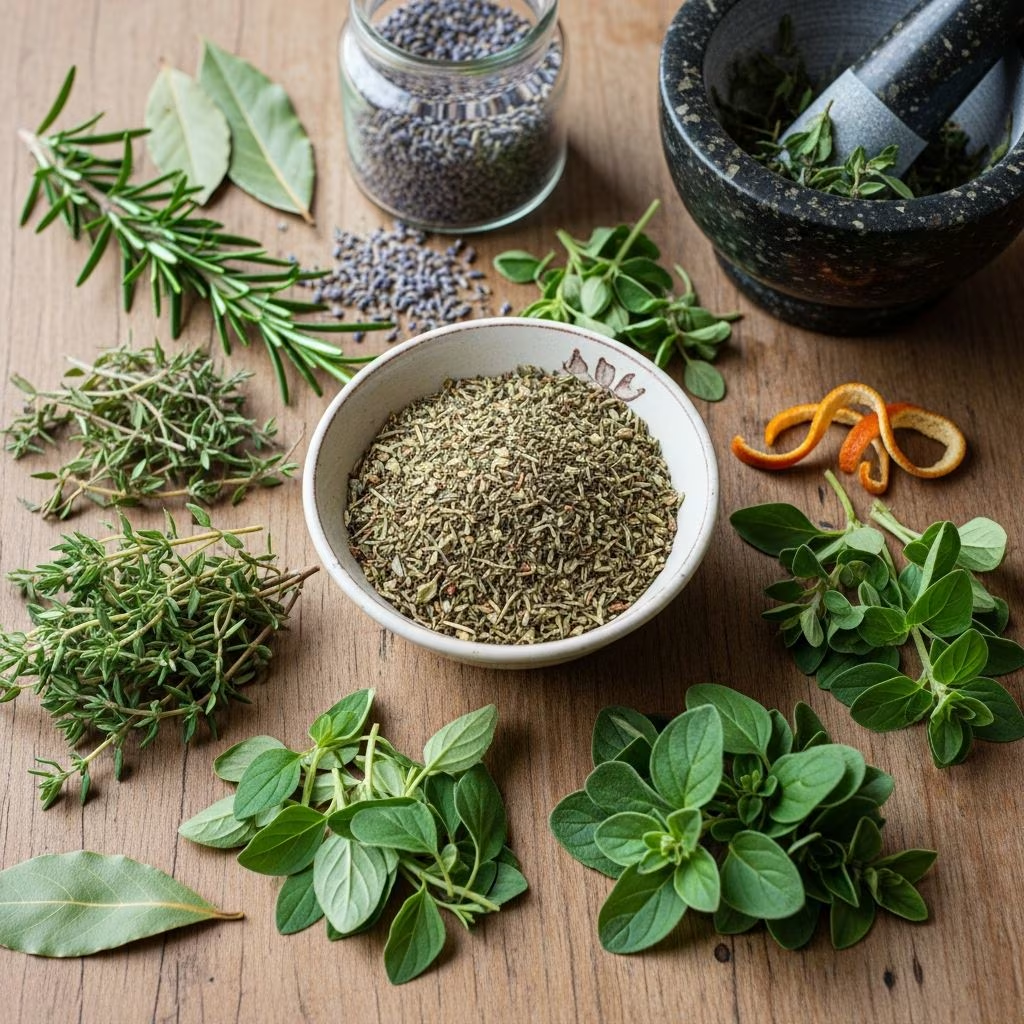
While barramundi’s delicate flavor stands alone beautifully, thoughtful additions elevate the dish significantly. Fresh herbs like parsley, chives, and cilantro complement the fish’s subtle taste without overwhelming it. Citrus in the form of lemon, lime, or fresh juice brightens the palate and cuts through any richness from cooking fats.
Cherry tomatoes added to the pan during cooking absorb flavorful juices while developing their own concentrated sweetness. Garlic infused into butter creates an aromatic base that perfumes the entire dish. Specialty additions like seaweed-infused butter sauces introduce umami depth and sophisticated complexity suitable for refined presentations.
Creating Signature Sauce Preparations
Lemon-Herb Oil: Combine fresh chives, flat-leaf parsley, lemon zest, fresh lemon juice, minced garlic, sea salt, and red pepper flakes in a food processor. With the processor running, stream in extra-virgin olive oil until the mixture reaches a pourable consistency. This vibrant sauce provides brightness and herbaceous notes that harmonize beautifully with pan-fried barramundi.
Lemon Butter Sauce: Sauté minced garlic gently in unsalted butter over medium heat until fragrant and pale golden. Add fresh lemon juice, minced fresh basil, and season with salt to taste. This classic French-inspired preparation delivers richness, acidity, and aromatic complexity in a simple preparation.
Pesto-Based Preparations: Heat butter in a pan and stir in pesto sauce, heating gently for one minute to meld flavors. Add the barramundi fillet and cherry tomatoes directly to this aromatic base, allowing the fish to cook in the flavorful medium. Baste continuously throughout cooking to ensure thorough flavor distribution.
Timing and Portion Considerations
Individual barramundi fillets typically weigh four to five ounces, providing a suitable portion for one diner. This modest size cooks quickly, usually completing within ten to twelve minutes from start to finish, including preparation time. The rapid cooking process makes barramundi ideal for busy weeknights when nutritious meals must be prepared without extensive planning or extended cooking times.
For family meals, four six-ounce fillets cook efficiently in a large skillet without crowding. Proper spacing around each fillet ensures adequate heat circulation and prevents steam accumulation that might prevent skin crisping.
Common Mistakes to Avoid
Insufficient drying represents the most frequent error compromising skin crispness. Moisture on the surface creates steam that prevents browning and results in soggy rather than crispy skin. Moving the fillet excessively during cooking disrupts the browning process and can tear delicate flesh. Overcrowding the pan reduces temperature and causes steaming rather than searing. Using excessively high heat risks burning the exterior before the interior cooks through. Insufficient seasoning fails to enhance the fish’s natural flavors adequately.
Serving Suggestions and Accompaniments
Pan-fried barramundi pairs elegantly with simple vegetable preparations like charred corn salad with capsicum and onion. Roasted or grilled asparagus provides a refined vegetable component without competing for attention. Light grain dishes such as quinoa or couscous absorb complementary sauce flavors. Fresh green salads with vinaigrette-based dressings offer refreshing acidity that balances the fish’s richness.
Frequently Asked Questions
What distinguishes barramundi from other white fish varieties?
Barramundi contains moderate fat content compared to leaner options, making it more forgiving during cooking and maintaining moisture throughout the process. Its buttery texture and delicate flavor profile suit various preparation methods while maintaining quality results across different skill levels.
Can barramundi skin be eaten?
Yes, barramundi skin is completely edible. When properly prepared and cooked until crispy, it develops an appealing texture and contributes significantly to the overall eating experience. The skin contains beneficial omega-3 fatty acids and adds nutritional value to the dish.
How long does pan-fried barramundi typically require for cooking?
Complete cooking time from adding the fillet to the pan until serving usually ranges from seven to ten minutes, depending on fillet thickness and heat intensity. Thicker fillets may require additional time on the second side to ensure the flesh cooks completely through.
Should barramundi fillets be cooked skin-side down first?
Yes, initiating cooking with the skin-side down in the hot fat creates the crispy exterior desired in pan-fried preparations. This technique maximizes skin contact with direct heat, producing optimal browning and textural development.
What fat mediums work best for pan-frying barramundi?
Butter, extra-virgin olive oil, and neutral vegetable oils all produce excellent results. Butter creates rich browning and flavor, olive oil provides Mediterranean character, and neutral oils allow complementary seasonings to take prominence without competing background flavors.
Nutritional Considerations
Barramundi delivers substantial nutritional benefits as a protein source rich in omega-3 fatty acids. These beneficial fats support cardiovascular health and reduce inflammation throughout the body. A four-ounce serving provides approximately twenty grams of protein while remaining relatively low in calories, making barramundi an excellent choice for health-conscious diners seeking satisfying yet nutritious meals.
References
- Pan Fried Barramundi with Pesto Sauce — The Top Meal. Accessed 2026-04-09. https://thetopmeal.com/pan-fried-barramundi-with-pesto-sauce/
- Pan-Fried Barramundi with Lemon-Herb Oil — Big Flavors Tiny Kitchen. Accessed 2026-04-09. https://bigflavorstinykitchen.com/pan-fried-barramundi-with-lemon-herb-oil/
- How to Cook Pan-Fried Barramundi — Coles. Accessed 2026-04-09. https://www.youtube.com/watch?v=vq-dYIf-7MY
- Easy Barramundi Recipe (Baked, Grilled, or Stovetop) — The Big Mans World. Accessed 2026-04-09. https://thebigmansworld.com/barramundi-recipe/
- Barramundi with Lemon Butter Sauce — The Better Fish. Accessed 2026-04-09. https://www.thebetterfish.com/recipe/sauteed-barramundi-with-lemon-butter-sauce/
- Pan Fried Barramundi Fillet with Seaweed Sauce — Between 2 Kitchens. Accessed 2026-04-09. https://www.between2kitchens.com/pan-fried-barramundi-fillet-with-seaweed-sauce/
- Barramundi Recipe: Seared Fish with Mustard Sauce — Champagne Tastes. Accessed 2026-04-09. https://champagne-tastes.com/seared-barramundi-mustard-sauce/