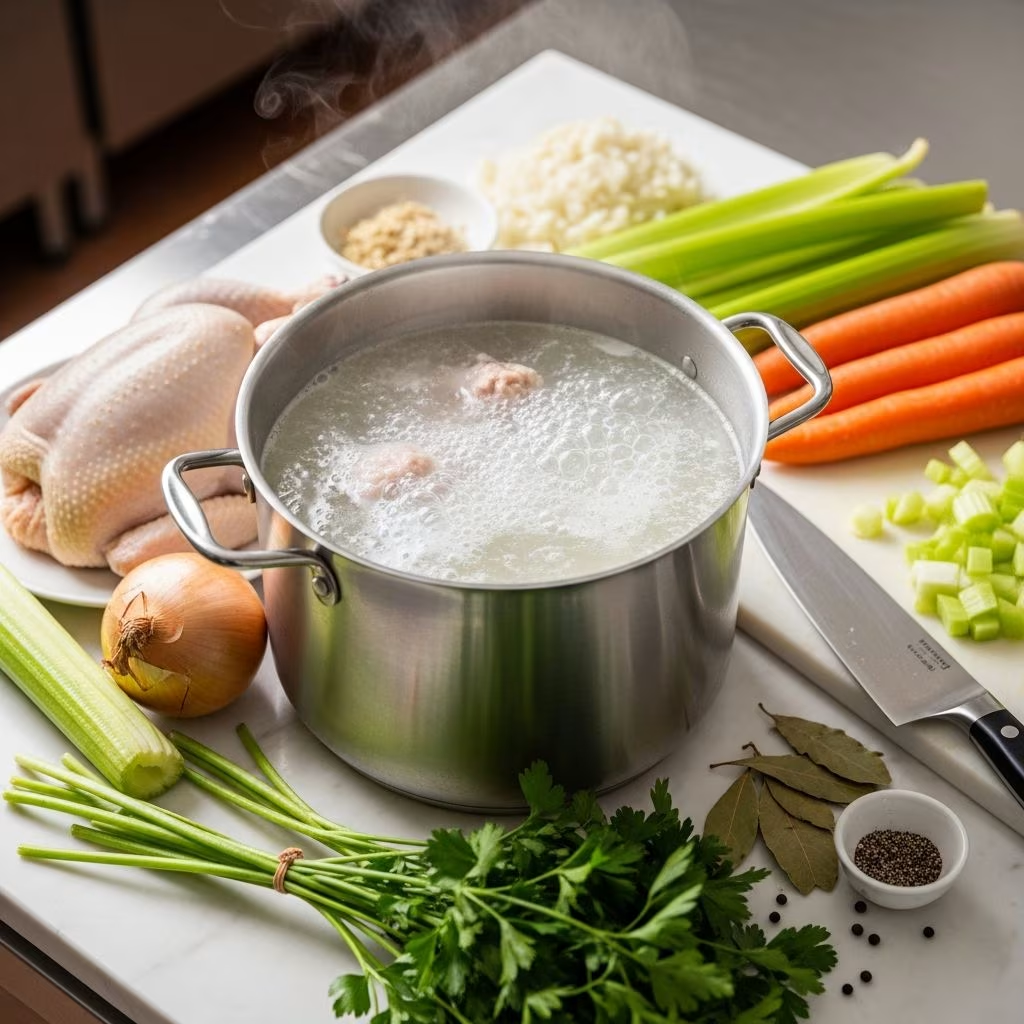
White stock represents one of the foundational elements of classical cooking traditions, serving as an essential ingredient in countless culinary preparations. Unlike its darker counterparts, white stock maintains a pale, almost transparent appearance while delivering a delicate, refined flavor profile that complements rather than overwhelms dishes. Understanding how to prepare this versatile cooking base properly opens doors to creating restaurant-quality soups, sauces, and risottos in your own kitchen.
Understanding the Fundamentals of White Stock
White stock differs fundamentally from brown stock in both preparation method and final appearance. The key to achieving its characteristic clarity lies in the initial treatment of bones and the gentle simmering process throughout cooking. Rather than roasting bones to develop deep flavors, white stock relies on blanching and careful skimming to remove impurities that would otherwise cloud the finished product.
The primary distinction in ingredient selection involves using what chefs call a “white mirepoix”—a vegetable combination that excludes carrots. This deliberate omission prevents the natural sweetness and color of carrots from interfering with the stock’s delicate flavor profile and pale appearance.
Essential Ingredients and Their Roles
Creating exceptional white stock begins with understanding each component’s contribution to the final product:
- Bones: The primary structure-building ingredient, bones release gelatin and flavor compounds through prolonged simmering. Chicken backs, necks, and feet work particularly well for white chicken stock due to their collagen content.
- Aromatics: Onions, celery, and leeks form the flavor foundation without introducing unwanted color or intensity.
- Seasoning sachet: Bay leaves, thyme, peppercorns, parsley stems, and cloves provide subtle background notes that enhance rather than dominate the stock’s delicate character.
- Cold water: The medium in which all these components combine, cold water serves as the crucial starting point for successful stock preparation.
Preparation Steps That Transform Raw Ingredients Into Liquid Gold
Initial Blanching Process
The first step in white stock preparation involves blanching bones to remove surface impurities. Place bones in a stockpot and cover them with cold water. Bring the water to a boil, allowing scum and impurities to rise to the surface. Skim away these unwanted particles carefully, then drain the water completely. This preliminary step ensures a clearer, more refined final product.
Building Your Stock Base
After blanching, return the cleaned bones to your pot and cover them with fresh cold water—ideally 2 gallons for a substantial batch. The importance of starting with cold water cannot be overstated; this allows proteins and fat to rise to the surface in manageable pieces as the temperature gradually increases. Bring the water to a boil, then immediately reduce the heat to maintain a gentle simmer around 185°F (85°C).
Adding Vegetables and Aromatics
Once the initial impurities have surfaced and been removed (typically after 20-30 minutes), slowly introduce your mirepoix and aromatic ingredients. Cut vegetables into rough 1-2 inch pieces to maximize surface area for flavor extraction while minimizing particle breakage. The gentle introduction of these elements prevents temperature fluctuations that could disrupt the stock’s clarity.
The Gentle Simmering Phase
Maintain a steady simmer throughout the entire cooking process—this cannot be compromised for speed. Boiling vigorously causes solid ingredients to break apart and release small particles that cloud the stock irreversibly. Depending on bone type, simmering continues for 3 hours for chicken stock or 8-10 hours for veal or beef stocks.
Professional Techniques for Achieving Clarity
The difference between homemade stock and truly exceptional stock often comes down to attention to detail during the cooking process. Successful stock makers employ several professional techniques:
- Continuous skimming: Rather than skimming once and forgetting about it, regularly remove impurities throughout cooking. Fat and protein particles continue surfacing as the stock develops.
- Temperature management: Maintain consistent heat that produces gentle bubbles at the surface rather than vigorous boiling. This delicate balance requires attentive monitoring.
- Final clarification: Before straining, add up to 2 cups of cold water and let the stock rest for 10 minutes. This encourages any remaining impurities to surface for final removal.
- Careful straining: Use a fine-mesh sieve lined with multiple layers of cheesecloth, straining slowly without forcing liquid through. Some chefs perform a second straining with fresh cheesecloth for ultimate clarity.
The Straining and Cooling Process
Proper straining and cooling represent the final critical steps before your stock is ready for use or storage. Remove the stockpot from heat and skim away any final surface scum. Gently pour or ladle the stock through your cheesecloth-lined strainer into a clean container, allowing gravity to assist rather than forcing the liquid.
Cooling must happen rapidly to prevent bacterial growth and preserve the stock’s integrity. The food safety standard requires cooling from 140°F to 70°F within 2 hours and 40 minutes, then from 70°F to 40°F within an additional 4 hours. An ice bath setup—a large bowl of stock placed in a sink filled with ice water—accomplishes this effectively. After refrigerating for 24 hours, a solidified fat cap rises to the top and can be easily scraped away, leaving pure stock beneath.
Variations Across Protein Types
| Stock Type | Primary Bones | Simmering Time | Best Uses |
|---|---|---|---|
| Chicken | Backs, necks, feet | 3 hours | Soups, veloutés, risottos |
| Veal | Knuckles, feet, leg bones | 8-10 hours | Sauces, reductions, consommés |
| Beef | Marrow bones, knuckles | 8-10 hours | Hearty soups, beef sauces |
While chicken stock represents the most commonly prepared variety, understanding how to work with veal and beef bones expands your culinary capabilities. Veal stock, traditionally considered the most refined option in classical cooking, delivers a more complex flavor than chicken while maintaining the pale appearance characteristic of white stocks. Beef stock, though less delicate, provides deeper body suitable for robust sauces.
Flavor Enhancement Through Ingredient Selection
Beyond the basic mirepoix, several ingredients can elevate your white stock’s complexity and depth. Mushroom trimmings introduce umami notes without affecting color. Fennel bulbs add subtle anise undertones that complement many dishes. Garlic halved horizontally releases its essence gradually rather than breaking into small particles. Leeks provide a gentle onion-like flavor less intense than yellow onions.
The sachet—a bundle of aromatics tied together or wrapped in cheesecloth—allows easy removal once cooking concludes. Bay leaves, thyme, peppercorns, parsley stems, and cloves traditionally comprise this combination, though adjustments suit your specific needs.
Storage and Long-Term Preservation
Properly prepared white stock keeps refrigerated for up to five days or freezes successfully for several months. Remove the solidified fat cap before freezing for easier portioning and to reduce oxidation. Ice cube trays provide convenient freezing in small portions, allowing you to thaw only what you need. Frozen stock maintains quality for up to three months when stored in airtight containers.
Frequently Asked Questions
Why does my white stock appear cloudy despite careful preparation?
Cloudiness typically results from insufficient initial skimming, temperature that’s too high during simmering, or aggressive straining that forces particles through cheesecloth. Return to basics: blanch bones thoroughly, maintain a gentle simmer, and strain patiently without pressure.
Can I use roasted bones to make white stock?
Roasting bones would create brown stock characteristics, introducing color and deeper flavors incompatible with white stock’s purpose. Always use raw, blanched bones for white stock preparation.
What happens if I let the stock boil instead of simmer?
Boiling breaks apart solid ingredients, releasing particles that cloud the stock irreversibly. Additionally, vigorous boiling breaks down some of the gelatin structure that gives quality stock its body and mouthfeel.
How do I know when my stock is fully cooked?
Simmering time varies by bone type and size, but chicken stock typically requires 3 hours while veal or beef needs 8-10 hours. The bones should appear nearly white and offer no resistance when pressed.
Can I reuse bones for a second stock batch?
Yes, chefs prepare a secondary stock called “remouillage” using bones from the first cooking. This second batch contains less body and flavor but serves admirably in stocks that will be reduced or combined with other flavorful ingredients.
Common Mistakes to Avoid
Understanding what doesn’t work proves as valuable as knowing correct techniques. Beginning with hot or room-temperature water instead of cold water prevents proper impurity removal. Adding vegetables too early introduces color and particles before they can be effectively skimmed. Neglecting to skim throughout cooking allows impurities to reabsorb into the liquid. Straining too quickly or with excessive pressure forces particles through the cheesecloth. Finally, allowing the stock to cool slowly at room temperature creates food safety risks and compromises flavor development.
Practical Applications and Culinary Uses
Once you’ve mastered white stock preparation, applications become nearly limitless. Use it as the foundation for delicate cream soups where its pale color and refined flavor won’t interfere with other ingredients. Create velouté sauces—one of the five mother sauces of classical French cuisine—by thickening white stock with a light roux. Transform it into aspics for elegant plated presentations or into consommé through careful clarification. Use white chicken stock as the liquid component in risotto, where its gentle flavor allows rice, butter, and cheese to shine.
Conclusion: Your Path to Stock Mastery
White stock represents more than a simple cooking ingredient; it embodies culinary fundamentals that professional chefs have refined over centuries. By understanding the reasoning behind each step—from the initial cold-water blanching through the gentle simmering and careful straining—you elevate your cooking from merely following recipes to truly comprehending technique. The clarity and delicate flavor you achieve through careful attention to detail become the foundation upon which countless dishes are built. Begin with chicken stock, master the process, then explore veal and beef variations as your confidence grows. The investment in learning proper white stock preparation pays dividends throughout your entire cooking journey.
References
- How To Make White Stock Like A Chef — Food Above Gold. 2024. https://www.foodabovegold.com/how-to-make-white-stock/
- How To Make White Chicken Stock (Fond Blanc de Volaille) — The Frizzled Leek. 2024. https://thefrizzledleek.com/white-chicken-stock/
- White Veal Stock — Rouxbe Online Culinary School. https://rouxbe.com/recipes/1728-white-veal-stock