Plant-based cooking reaches new heights with vegan dashi, a fundamental broth that captures the essence of Japanese cuisine without animal products. This versatile stock, built on the natural umami from seaweed and mushrooms, forms the backbone of countless dishes, from simple soups to complex stews. Home cooks can easily replicate traditional flavors using accessible ingredients like kombu and dried shiitake, delivering a savory depth that rivals fish-based versions.
The Essence of Umami in Plant Form
Umami, often described as the fifth taste, brings a profound savoriness to foods. In vegan dashi, this comes primarily from two stars: kombu, a type of kelp harvested from cold ocean waters, and shiitake mushrooms, prized for their earthy richness. Kombu infuses the broth with a subtle oceanic note, while shiitake adds meaty undertones, creating a balanced profile that mimics the complexity of bonito-flake dashi.
Unlike traditional dashi, which relies on dried fish, vegan alternatives emphasize extraction through gentle steeping or simmering. This method preserves delicate glutamates—natural compounds responsible for umami—without overpowering the broth with bitterness. Research from food science highlights how these ingredients release free amino acids and nucleotides during soaking, amplifying flavor synergy.
Core Ingredients for Authentic Flavor
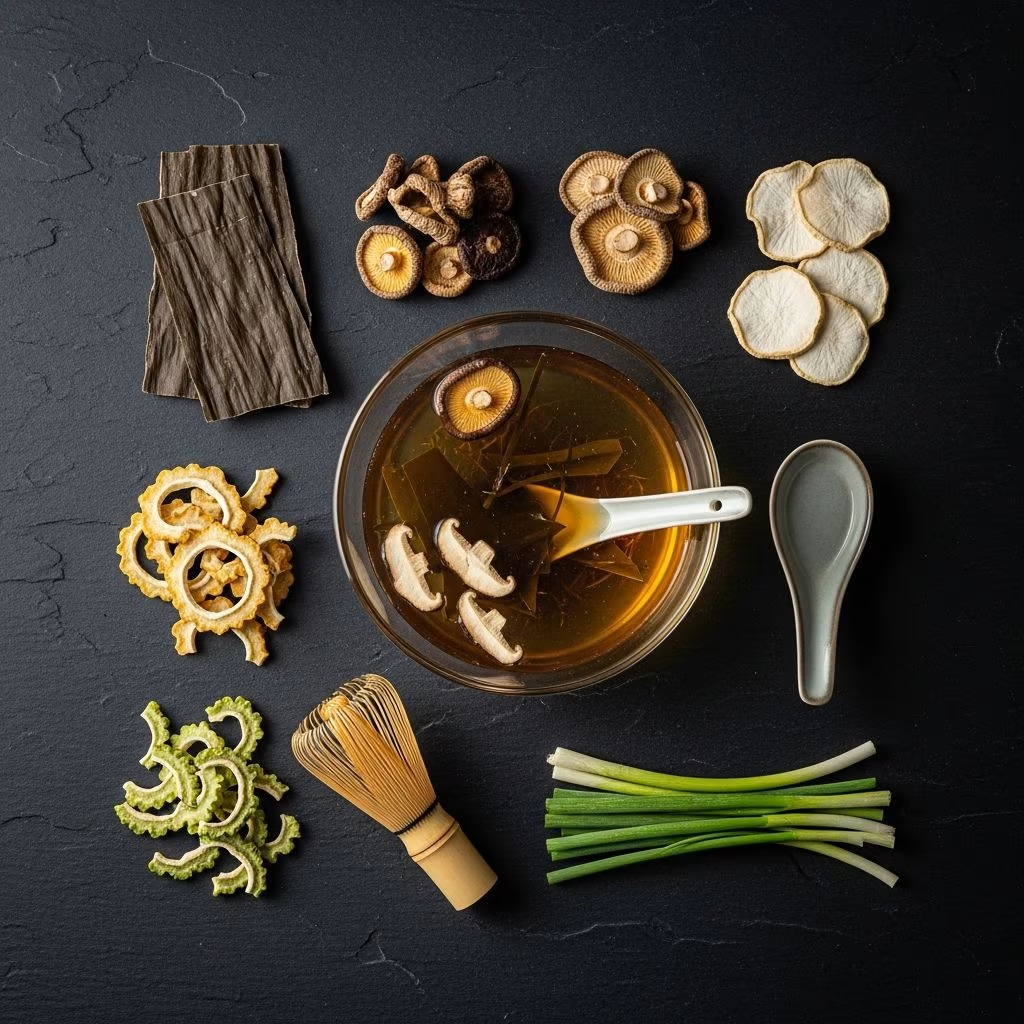
Building a superior vegan dashi starts with quality components. Here’s what you need:
- Kombu (dried kelp): Provides the briny sea essence. Opt for thick, dark pieces from reputable sources for maximum glutamates.
- Dried shiitake mushrooms: Deliver robust, earthy umami. Use whole caps rather than slices to control extraction intensity.
- Water: Cold, filtered water is ideal to avoid chlorine interference with flavors.
- Optional enhancers: Leeks, nori sheets, or mixed dried mushrooms for layered complexity.
A basic ratio yields about 1 liter: 1 liter water, one 10×10 cm kombu piece, and 2-3 shiitake mushrooms. Scaling up is straightforward for larger batches.
Step-by-Step Cold Infusion Method
The cold brew technique, known as mizudashi, extracts flavors gently over time, resulting in a clean, vibrant broth. This approach is favored for its simplicity and superior taste.
- Combine kombu and dried shiitake in a large container with cold water. Use a weight like a small plate to submerge solids fully.
- Seal and refrigerate for 6-48 hours. Longer steeps intensify umami without heat-induced bitterness.
- Strain through cheesecloth or a fine mesh sieve, pressing lightly on solids to release liquids. Discard or repurpose the spent ingredients in stir-fries.
- Store in an airtight container; it lasts up to two weeks refrigerated.
This method yields a golden, aromatic stock ready for immediate use. In warmer months, aim for shorter soaks (2-3 hours); extend to 4-5 hours in cooler conditions.
Hot Extraction for Quick Results
When time is short, simmering produces a robust dashi in under an hour. This technique draws out deeper flavors through gentle heat.
- Place kombu, shiitake, and optional leeks in a pot with cold water.
- Heat to just below boiling (around 80-90°C), then reduce to a low simmer for 30-60 minutes. Skim any foam for clarity.
- Remove from heat, cool slightly, and strain as before.
Hot dashi suits heartier applications like noodle soups, where a bolder profile shines. Avoid full boils to prevent slimy textures from kombu.
Flavor Variations to Elevate Your Broth
Customize vegan dashi for specific dishes with these tweaks:
| Variation | Additions | Best For |
|---|---|---|
| Earthy Boost | Extra shiitake or mixed dried mushrooms | Mushroom risottos, stews |
| Oceanic Depth | Nori sheet or wakame | Seaweed salads, sushi rice |
| Vegetable Harmony | Leeks, green onions | Udon, tempura dipping sauce |
| Smoky Twist | Dried porcini | Ramen bases, gravies |
These adjustments maintain vegan integrity while expanding versatility.
Everyday Applications in Vegan Cooking
Vegan dashi transforms basic ingredients into gourmet meals. Start with classics:
- Miso soup: Dissolve 1 tsp miso per cup of heated dashi, add tofu, scallions, and wakame.
- Noodle broths: Simmer udon or soba in dashi with soy and mirin for authentic ramen vibes.
- Simmered vegetables: Braise kabocha squash or eggplant until tender and glazed.
- Sauces: Base for teriyaki, tempura dips, or glazes—reduce with sweeteners for shine.
Beyond Japanese fare, use it in risottos, gravies, or as a vegetable poaching liquid. Its neutral savoriness enhances grains, legumes, and stir-fries seamlessly.
Storage, Shelf Life, and Freezing Tips
Freshness is key to dashi’s appeal. Refrigerate in glass for 5-14 days, depending on ingredients. For longer storage:
- Freeze in ice cube trays for portioned use—thaw as needed for soups.
- Portion into freezer bags, flattening for space efficiency; lasts 3-6 months.
- Label with dates to track potency, as flavors mellow over time.
Always reheat gently to preserve nuances. Revive flat-tasting batches by simmering with fresh ginger or citrus peels.
Common Pitfalls and Pro Tips
Avoid these mistakes for flawless results:
- Over-boiling: Leads to bitterness; keep temperatures low.
- Poor-quality ingredients: Invest in natural, additive-free kombu and mushrooms.
- Inadequate straining: Use fine mesh to remove all particles for clarity.
Pro tips: Wipe kombu with a damp cloth instead of rinsing to retain surface glutamates. Experiment with soak times to match your palate. For intensified umami, reuse spent shiitake in a second, shorter brew.
Nutritional Profile and Health Benefits
Vegan dashi is low-calorie (under 10 kcal per cup) yet nutrient-dense. Kombu supplies iodine, magnesium, and fucoidan—an antioxidant linked to anti-inflammatory effects. Shiitake contribute B vitamins, fiber, and lentinan, a compound studied for immune support.
As a sodium-light base (before additions), it supports balanced diets. Pair with whole foods for mineral-rich meals without processed additives.
Scaling for Batch Cooking
Prepare quarts at once for weekly meal prep. A 4-quart recipe: 4 quarts water, 4 kombu strips, 2 cups fresh or 1 cup dried shiitake, plus leeks. Simmer 60 minutes, strain, and divide. This efficiency saves time while ensuring fresh stock availability.
Frequently Asked Questions
Can I use fresh mushrooms instead of dried?
Dried shiitake concentrate flavors better, but fresh work in doubles quantity. Expect milder umami.
Is kombu essential?
Yes for authentic sea notes; substitutes like wakame fall short on depth.
How do I know if my dashi is ready?
It should taste savory and slightly briny, with an amber hue and pleasant aroma.
Can vegans use instant dashi packets?
Check labels—many contain fish. Homemade ensures purity.
What’s the difference between cold and hot dashi?
Cold is cleaner and brighter; hot is richer and faster.
Embracing vegan dashi opens doors to flavorful, compassionate cooking. With practice, it becomes a kitchen staple, elevating everyday meals with effortless sophistication.
References
- How to Make Vegan Dashi — Mary Makes Good. 2013-02-01. https://marymakesgood.com/2013/02/how-to-make-vegan-dashi.html
- Vegan Dashi — Gastroplant. N/A. https://gastroplant.com/vegan-dashi/
- Vegan Dashi (Shiitake Kombu Dashi) — Just One Cookbook. N/A. https://www.justonecookbook.com/vegan-shiitake-kombu-dashi/