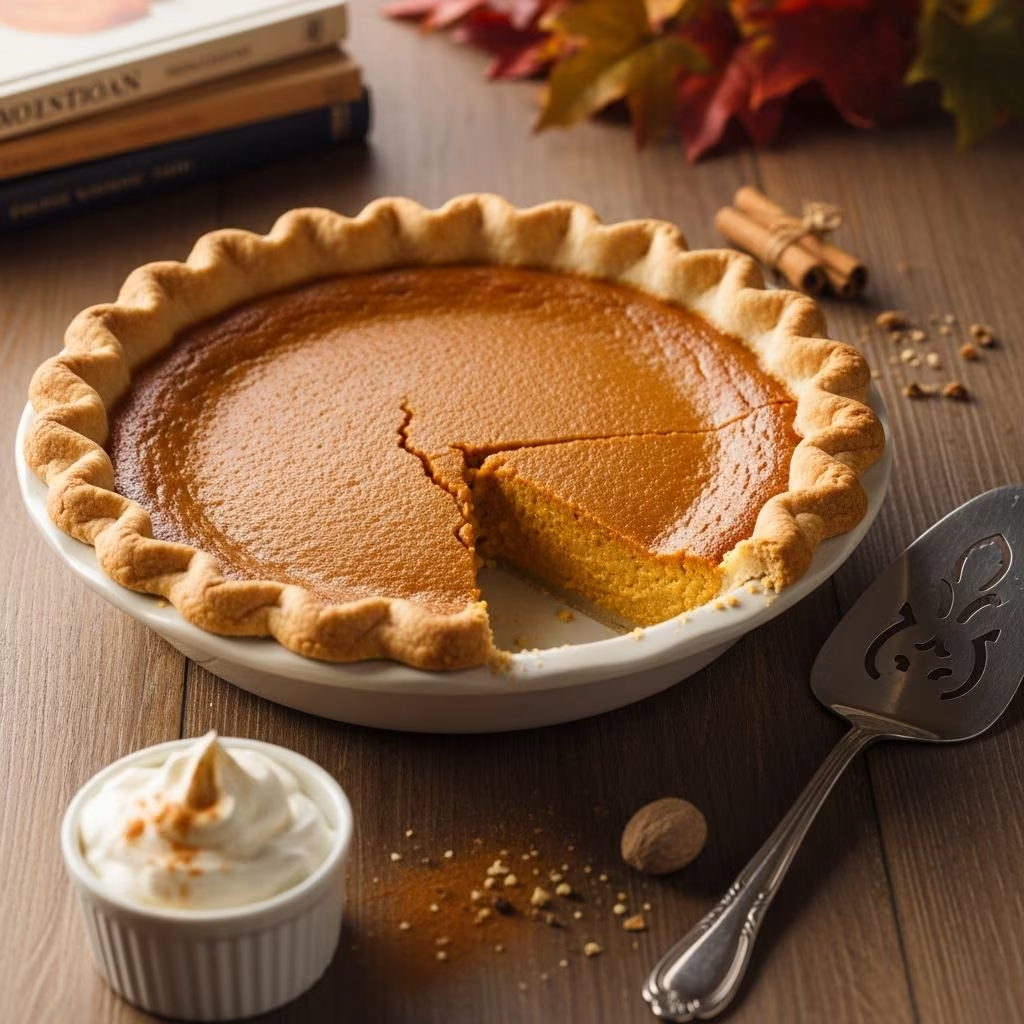
Pumpkin pie stands as one of autumn’s most anticipated desserts, gracing holiday tables with its warm spices and creamy custard-like filling. Yet many home bakers struggle to achieve that perfect balance of texture, flavor, and appearance that defines an exceptional pumpkin pie. Whether you’re preparing this classic treat for your first time or refining your technique after years of baking, understanding the foundational principles and advanced strategies can transform your results from average to extraordinary.
Selecting and Preparing Your Ingredients
The quality of your finished pumpkin pie begins with thoughtful ingredient selection. Canned pumpkin puree serves as the foundation for most home bakers, offering consistency and convenience compared to fresh pumpkin preparation. A standard 15-ounce can provides the primary flavor component, delivering both texture and natural sweetness to your filling.
The spice profile requires careful consideration. Ground cinnamon forms the dominant warming note, typically ranging from 1 to 2 teaspoons per pie. Supporting spices include ground ginger, which adds subtle heat and complexity, along with smaller quantities of nutmeg and cloves. Some recipes incorporate freshly ground black pepper in minimal amounts, introducing a sophisticated depth that elevates the overall flavor profile without creating an identifiable peppery taste.
Sweetening your pumpkin pie involves multiple approaches. Many traditional recipes combine granulated sugar with light brown sugar, leveraging the molasses content in brown sugar to enhance warmth and richness. The typical range extends from ¾ to 1 cup of combined sweeteners per pie, adjusted based on your preference for sweetness intensity.
The Critical Role of Dairy in Texture Development
Evaporated milk traditionally appears in classic pumpkin pie formulations, creating that signature silky, custard-like consistency. This ingredient contributes both richness and body to the filling while maintaining the proper moisture balance. However, contemporary approaches offer flexibility: some bakers substitute heavy cream, half-and-half, or combinations thereof for a slightly richer texture.
Eggs function as both structure and binding agents within your pumpkin filling. Most recipes employ two to four eggs depending on the desired density and richness. Whole eggs combined with additional egg yolks create a particularly luxurious filling with enhanced creaminess. The proteins in eggs coagulate during baking, transforming the liquid mixture into a set custard with proper internal consistency.
Crust Preparation and the Blind-Baking Advantage
A successful pumpkin pie demands attention to crust quality. Blind baking—partially or fully pre-baking your crust before adding the pumpkin filling—represents a game-changing technique that prevents soggy, undercooked bottoms. This method involves lining your crust with parchment paper, filling with pie weights or dried beans, and baking at 425°F for approximately 8-10 minutes before the filling is added.
Whether you choose to craft homemade pie dough or utilize store-bought refrigerated or frozen options, ensuring proper crust placement in a 9-inch deep-dish pie plate creates the ideal vessel for your filling. Fluting or crimping the edges provides both aesthetic appeal and structural reinforcement.
Mastering the Baking Process
The baking procedure employs a two-temperature approach that prevents over-browning while ensuring thorough cooking. Begin by preheating your oven to 425°F and pouring your filling into the prepared crust. This high initial temperature sets the crust edges, contributing to that desired crispness. After precisely 15 minutes at this temperature, reduce the oven to 350°F and continue baking for an additional 40-50 minutes.
Doneness determination requires finesse rather than strict timing. Insert a toothpick approximately 1 inch from the pie’s center; it should emerge clean or with just the smallest crumb adhering. The filling’s center should exhibit a gentle jiggle when the pie is lightly shaken—indicating a properly set custard rather than an over-baked, separated mixture.
Preventing and Addressing Common Baking Challenges
Several issues frequently derail pumpkin pie success. Crust browning too quickly necessitates protective measures around the edges; aluminum foil or specialized pie shields applied approximately 20 minutes into baking create a barrier against excessive browning. Cracks in the filling typically result from overbaking or overly high oven temperatures, emphasizing the importance of maintaining proper temperature and removing the pie at the precise moment of doneness.
Runny filling stems from either insufficient baking time or eggs that haven’t properly set. Conversely, separated or curdled texture indicates overbaking at temperatures that were too high. Precision in both timing and temperature proves essential to achieving that smooth, creamy custard consistency.
Composition Variations and Creative Approaches
Contemporary pumpkin pie recipes demonstrate diverse interpretations of this classic dessert. Some versions incorporate cornstarch or flour for added structure, particularly appealing when bakers prefer a firmer filling. Others explore all-cream or cream-heavy formulations that eliminate evaporated milk, creating a slightly different mouthfeel and flavor profile.
The vanilla extract addition, common in modern recipes, introduces subtle complexity without announcing itself as a distinct flavor. This ingredient enhances the overall warmth and depth of the spice profile, creating a more nuanced tasting experience.
Strategic Make-Ahead Planning and Storage
Pumpkin pie accommodates advance preparation beautifully, making it ideal for holiday entertaining. The unbaked filling can be prepared hours ahead and refrigerated before baking, allowing you to bake the pie fresh while managing other menu items. Baked pumpkin pie maintains quality when covered and refrigerated for up to two days, extending your preparation timeline significantly.
This flexibility transforms pumpkin pie from a last-minute stress into a manageable component of your holiday dessert strategy.
Complementary Toppings and Serving Suggestions
While pumpkin pie shines independently, homemade whipped cream provides a traditional accompaniment that adds textural contrast and cooling relief against the pie’s rich warmth. Some sophisticated presentations incorporate caramel drizzles, candied pecans, or sugared cranberries for visual appeal and additional flavor dimensions.
Frequently Asked Questions
- Can I use fresh pumpkin puree instead of canned?
- Yes, though the consistency differs significantly from canned puree. Fresh pumpkin contains considerably more water, requiring cooking down to achieve proper density. Use approximately 1¾ to 2 cups of fresh puree in place of one 15-ounce can.
- What causes my pumpkin pie filling to separate?
- Separation typically results from overbaking or excessively high oven temperatures causing the eggs to curdle. Maintain precise oven temperature and remove the pie at the moment of proper doneness—when the center exhibits a gentle jiggle rather than complete firmness.
- How far in advance can I prepare pumpkin pie?
- Prepare the unbaked filling up to 24 hours ahead, keeping it refrigerated until ready to bake. Baked pies store covered in the refrigerator for up to two days, making them excellent for holiday meal planning.
- Why is my crust soggy?
- Blind baking your crust before adding the filling prevents sogginess by creating a moisture barrier. If not blind baking, brushing the bottom and sides with egg wash and baking briefly before filling addition helps reduce moisture absorption.
- Can I freeze pumpkin pie?
- Yes, properly wrapped unbaked pies freeze successfully for up to three months. Baked pies also freeze well when carefully wrapped, though thawing in the refrigerator overnight before serving yields optimal texture.
Technical Precision for Consistent Excellence
Achieving pumpkin pie excellence requires understanding the science behind each step. The Maillard reaction at 425°F browns the crust edges and intensifies flavor development. Reducing to 350°F slows these reactions, allowing gentle curd formation without over-browning. Egg proteins denature between 160-180°F, explaining why the center appears barely set while temperatures approach 180°F—the eggs continue setting slightly during cooling.
Temperature control using an oven thermometer ensures your appliance maintains intended heat levels. Many home ovens drift significantly from their displayed temperature, potentially causing baking disasters. Investing in an inexpensive oven thermometer eliminates this variable.
References
- The Best Pumpkin Pie Recipe — Shugary Sweets. Retrieved April 2026. https://www.shugarysweets.com/pumpkin-pie/
- The BEST Pumpkin Pie Recipe — Tastes Better From Scratch. Retrieved April 2026. https://tastesbetterfromscratch.com/pumpkin-pie-with-caramel-pecan-topping/
- Best Pumpkin Pie Recipe (Foolproof, No Cracks, Always Perfect) — Once Upon a Chef. Retrieved April 2026. https://www.onceuponachef.com/recipes/perfect-pumpkin-pie.html
- Homemade Pumpkin Pie (Easy, Silky Smooth Filling) — Preppy Kitchen. Retrieved April 2026. https://preppykitchen.com/pumpkin-pie-2/
- Best Pumpkin Pie Recipe — Joy Food Sunshine. Retrieved April 2026. https://joyfoodsunshine.com/best-classic-pumpkin-pie/
- The Great Pumpkin Pie Recipe — Sally’s Baking Addiction. Retrieved April 2026. https://sallysbakingaddiction.com/the-great-pumpkin-pie-recipe/