The piña colada represents one of the most iconic tropical cocktails in the world, instantly evoking images of pristine beaches and Caribbean sunsets. This beloved frozen drink combines the bright, tangy sweetness of pineapple with the smooth richness of coconut cream and the warmth of rum, creating a perfectly balanced beverage that appeals to both seasoned cocktail enthusiasts and casual drinkers. Whether you’re hosting a summer gathering or simply craving a taste of the tropics, mastering the art of crafting a piña colada transforms your home bar into a destination for delicious refreshment.
Understanding the Piña Colada’s Origin and Cultural Significance
The piña colada emerged from Puerto Rico during the 1950s, specifically credited to bartender Ramon “Monchito” Marrero at the Caribe Hilton in San Juan. What began as a non-alcoholic beverage sold at the hotel’s snack bar quickly gained popularity due to its refreshing tropical flavor profile. Recognizing the drink’s potential, Marrero enhanced the original formula by adding Puerto Rican rum and serving it over crushed ice, thus creating the alcoholic version that would eventually become Puerto Rico’s national drink. This creative innovation transformed a simple beverage into an international symbol of tropical hospitality and Caribbean culture.
The drink’s name itself carries significance in Spanish, with “piña” meaning pineapple and “colada” referring to the straining process traditionally used in its preparation. This nomenclature reflects both the primary ingredient and the original preparation methodology that defined the drink’s character.
Essential Ingredients for an Authentic Piña Colada
Creating a piña colada requires understanding each ingredient’s role in developing the final flavor profile and texture. The three foundational components remain consistent across most traditional recipes:
Pineapple Juice: The Fruity Foundation
Fresh pineapple juice provides the vibrant, tropical character that defines the piña colada. While fresh-pressed juice offers superior flavor complexity, shelf-stable pineapple juice delivers consistent results and remains readily available year-round. The juice contributes natural sweetness, bright acidity, and the drink’s signature tropical essence. Some bartenders experiment with frozen pineapple chunks as a partial ice substitute, creating a smoothie-like texture that adds depth and visual appeal.
Cream of Coconut: The Creamy Component
Cream of coconut, distinct from coconut milk or coconut water, provides the velvety richness essential to piña colada’s character. This sweetened coconut product creates the drink’s luxurious mouthfeel and contributes subtle coconut flavor that harmonizes with the pineapple. Premium brands like Coco Lopez or Coco Coconut Cream offer superior consistency and flavor compared to store-brand alternatives.
Rum: The Spirited Element
Light or white rum traditionally anchors the piña colada, providing warmth, complexity, and the alcoholic foundation that completes the tropical profile. Puerto Rican rum, particularly Bacardí varieties, represents the historical choice that honors the drink’s Caribbean heritage. The rum’s clean flavor profile allows the fruit and coconut elements to shine while adding subtle depth to the overall composition.
Basic Recipe and Preparation Methodology
The fundamental piña colada recipe maintains remarkable simplicity, requiring just three primary ingredients and minimal equipment beyond a standard home blender:
Classic Piña Colada Formula
- 2 ounces white rum
- 3 ounces pineapple juice
- 1.5 ounces cream of coconut
- 1 cup ice
- Pineapple slice or maraschino cherry for garnish (optional)
Step-by-Step Preparation Instructions
Begin by filling your blender with the measured ice, which serves as both a cooling and texturing agent. Pour the light rum, pineapple juice, and cream of coconut directly into the blender over the ice. Blend the mixture on high speed until completely smooth and creamy, typically requiring 30 to 45 seconds of continuous blending. The consistency should resemble a thick milkshake rather than a thin slurry, indicating proper emulsification of the coconut cream with other liquid components.
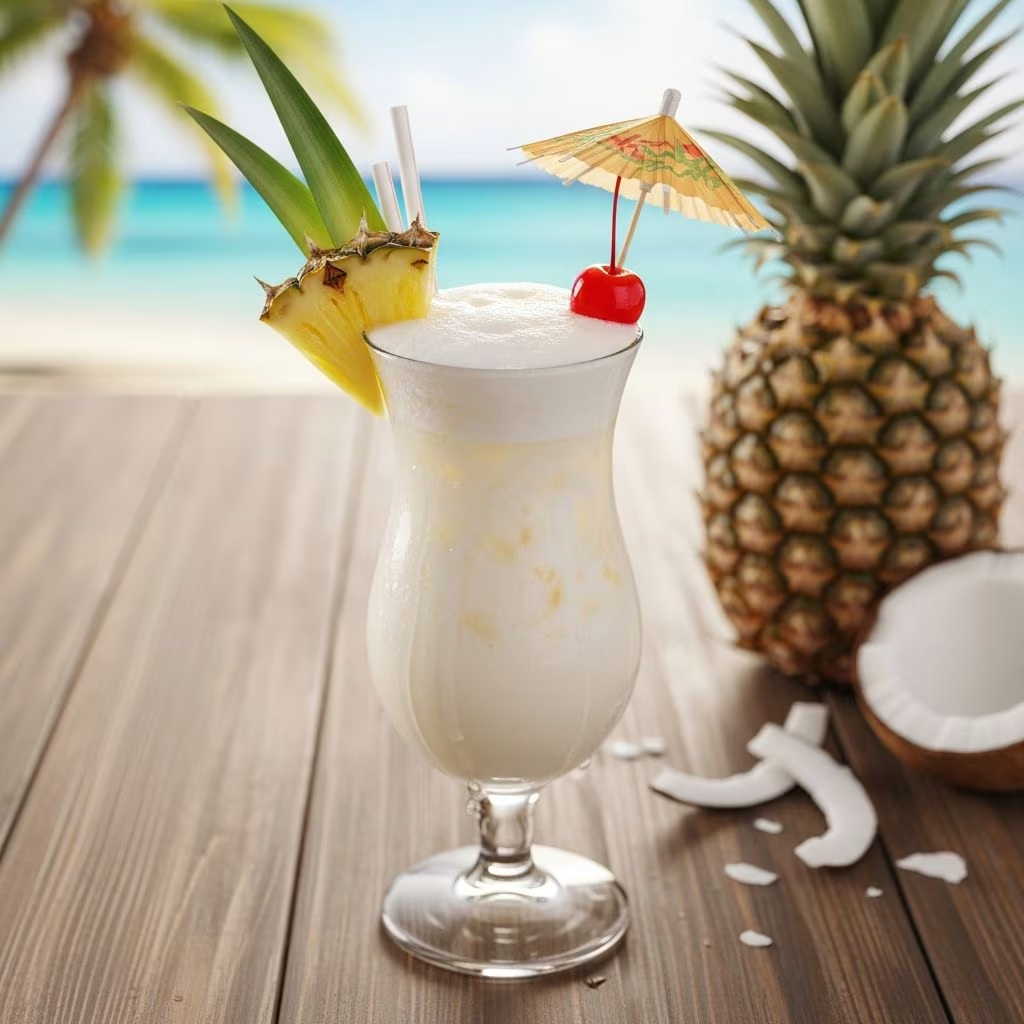
Pour the blended mixture into a chilled hurricane glass or tropical-style serving vessel. The drink’s presentation enhances the overall experience, so selecting an appropriate glassware style contributes to authenticity. Garnish the finished cocktail with a fresh pineapple slice positioned on the rim or a maraschino cherry floating atop the drink, adding visual appeal and a subtle flavor element.
Advanced Techniques for Superior Results
Temperature Management and Ice Selection
The quality and type of ice significantly influence the final drink’s texture and temperature. Using larger ice cubes prevents excessive dilution while maintaining proper blending consistency. Some bartenders freeze specialized ice molds containing decorative elements or gradient patterns that add visual interest when served. Pre-chilling glassware before pouring ensures the finished cocktail maintains optimal temperature throughout consumption.
Balancing Sweetness and Flavor Components
Professional bartenders often adjust ingredient ratios based on personal preference and the specific brands used. Adding fresh lime juice (approximately 0.5 ounces) introduces brightness and acidity that balances the drink’s inherent sweetness. This modification creates a more nuanced flavor profile without overwhelming the tropical character. Some preparations include a splash of evaporated milk or additional cream to enhance the drink’s velvety texture.
Creative Variations and Modern Interpretations
Enhanced Tropical Versions
Contemporary bartenders have developed innovative twists on the classic formula. The blue colada incorporates blue curaçao, creating a visually stunning azure-hued drink while maintaining the original flavor foundation. Dark rum additions introduce deeper, more complex molasses notes that appeal to rum enthusiasts seeking additional sophistication. Some variations include bitters or specialized liqueurs like chichaíto (anise liquor), which add unexpected flavor dimensions.
Non-Alcoholic Adaptations
For those avoiding alcohol, creating a delicious mocktail version requires minimal modification. Simply omit the rum entirely and maintain the pineapple juice and cream of coconut in identical proportions. This alcohol-free version retains the tropical essence and creamy texture while remaining refreshing and satisfying. The addition of fresh muddled pineapple chunks intensifies flavor and creates visual interest.
Molecular Mixology Approach
Avant-garde bartenders employ contemporary techniques such as combining coconut cream and pineapple juice into sphere-shaped ice molds, freezing them for two to three hours. When serving, the rum and vodka mixture is poured over these frozen spheres, creating an evolving flavor experience as the mixture melts, transitioning from spirit-forward to fruit-forward characteristics. Pineapple foam and grated coconut garnishes add textural complexity to this innovative presentation.
Ingredient Selection and Quality Considerations
| Ingredient Category | Premium Selection | Quality Indicators | Storage Recommendations |
|---|---|---|---|
| Pineapple Juice | Fresh-pressed or high-quality shelf-stable | Deep golden color, no added sugars | Refrigerate after opening, use within 5-7 days |
| Cream of Coconut | Coco Lopez or equivalent brands | Smooth consistency, balanced sweetness | Store in cool pantry, refrigerate after opening |
| Rum | Puerto Rican white or aged varieties | Smooth finish, clear appearance | Store upright in cool, dark location |
Frequently Asked Questions About Piña Coladas
Can I prepare piña coladas in advance for parties?
Yes, you can blend the coconut cream and pineapple juice mixture several hours ahead, storing it in the refrigerator. When ready to serve, add fresh ice and rum to individual portions, ensuring optimal texture and temperature. Alternatively, pre-batch the complete mixture (including rum) and reblend with fresh ice immediately before serving.
What distinguishes cream of coconut from coconut milk?
Cream of coconut contains added sweeteners and possesses a thicker, richer consistency specifically formulated for cocktails. Coconut milk remains unsweetened and thinner, making it unsuitable for traditional piña colada preparation despite sharing similar origins.
Should I use light rum or aged rum for piña coladas?
Light rum represents the traditional choice, allowing fruit and coconut flavors to dominate. However, aged rum varieties like Bacardí Añejo create richer, more complex variations for those preferring deeper spirit character. Experimentation determines personal preference.
How can I enhance a piña colada without altering the classic formula?
Adding fresh lime juice (0.5 ounces) introduces brightness without overwhelming tropical elements. Fresh muddled pineapple chunks intensify fruit character while creating smoothie-like texture. Premium rum selections automatically elevate the overall quality without formula modifications.
Are there sugar-reduced piña colada options?
Reducing cream of coconut quantity while increasing pineapple juice creates a less sweet version. Using unsweetened pineapple juice and reducing added sweeteners through alternative cream of coconut brands offers additional options for health-conscious drinkers.
Presentation and Serving Recommendations
Proper presentation enhances the piña colada experience significantly. Hurricane glasses remain the traditional serving vessel, their distinctive curved shape accommodating generous portions while conveying tropical sophistication. Alternatively, tiki mugs or tall Collins glasses offer appealing alternatives that maintain authentic character.
Garnish presentation deserves equal attention to flavor composition. A fresh pineapple wedge positioned on the rim provides visual appeal and a complementary flavor element. Maraschino cherries offer classic elegance, while cocktail umbrellas, pineapple leaves, or edible flowers add playful tropical flair. Some preparations include coconut rim treatments or gold leaf for premium presentations.
Serving temperature significantly impacts enjoyment. Properly chilled glassware and adequate ice ensure the finished cocktail remains refreshingly cold throughout consumption. The drink reaches its optimal flavor profile immediately after preparation, so minimal delay between blending and serving maximizes quality.
Mastering Your Home Piña Colada Preparation
Becoming proficient at crafting piña coladas requires understanding fundamental techniques while remaining open to creative experimentation. Start with the classic three-ingredient formula, mastering proper blending consistency and flavor balance before attempting variations. Quality ingredient selection, proper temperature management, and thoughtful presentation transform basic cocktails into memorable experiences.
Whether preparing individual drinks for personal enjoyment or crafting multiple cocktails for entertaining, piña coladas deliver consistent satisfaction through their balanced tropical flavor profile and luxurious texture. The drink’s enduring popularity reflects its universal appeal, combining sophisticated technique with approachable simplicity. By following these guidelines and techniques, any home bartender can achieve restaurant-quality piña coladas that transport drinkers directly to Caribbean paradise with each refreshing sip.
References
- The Best Piña Colada Recipe — Dish ‘n’ the Kitchen. 2024. https://dishnthekitchen.com/the-best-pina-colada-recipe/
- Piña Colada with a Twist: 7 Recipes to Try at Home — Discover Puerto Rico. 2024. https://www.discoverpuertorico.com/article/pina-colada-twist-7-recipes-to-try-home
- Easy Piña Colada Recipe (Only 3 ingredients) — Crazy for Crust. 2024. https://www.crazyforcrust.com/easy-pina-colada-recipe/
- Easy Piña Colada Recipe | Creamy & Delicious — Malibu Drinks. 2024. https://www.malibudrinks.com/en-us/drinks/malibu-pina-colada/
- Pina Colada Recipes: Classic Favorites and Creative Twists — Cooking with Curls. 2024. https://cookingwithcurls.com/tropical-pina-colada-recipes/