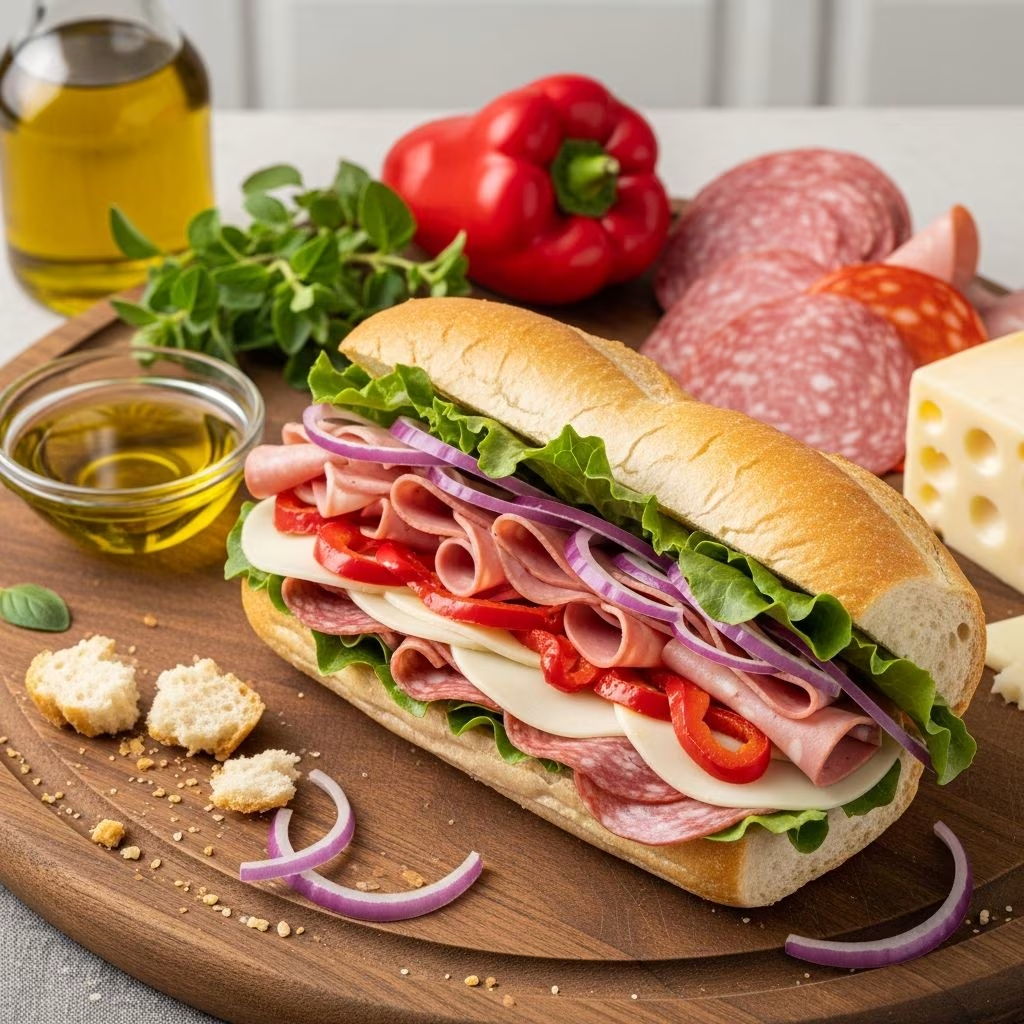
The Italian sub sandwich represents one of America’s most beloved culinary traditions, combining the richness of Italian cold cuts with fresh vegetables and tangy dressings. Whether you call it a hero, hoagie, or grinder, this sandwich style delivers maximum flavor through careful ingredient selection and thoughtful assembly. Creating restaurant-quality Italian subs in your own kitchen is entirely achievable when you understand the fundamentals of ingredient selection, preparation techniques, and assembly methods.
Understanding the Foundation: Choosing Your Bread
The bread serves as the structural and flavor foundation for your Italian sub sandwich. Quality bread can elevate an ordinary sandwich into an exceptional culinary experience. The ideal sub roll combines a crispy exterior with a soft, pillowy interior that can support substantial fillings without falling apart. Many traditional Italian sub recipes call for Italian loaves or seeded sub rolls that provide authentic texture and flavor.
When selecting bread, consider the crust quality and crumb structure. A proper sub roll should have enough structural integrity to hold multiple layers of meat and vegetables without becoming soggy, yet remain tender enough to bite through comfortably. Some home cooks prefer toasting their bread lightly before assembly, which helps prevent moisture absorption from the oil and vinegar dressing. The bread choice ultimately depends on your regional preferences and what’s available at your local bakery or grocery store.
The Meat Selection: Building Flavor Layers
Italian subs traditionally feature multiple varieties of Italian cured meats, each contributing distinct flavors and textures to the final sandwich. The combination of different meats is what gives these sandwiches their characteristic complexity and depth. Understanding the characteristics of each meat type helps you make informed choices for your creation.
Essential Italian Meats
- Pepperoni: This spicy, thinly-sliced cured meat provides sharp, peppery notes and slight heat. Its bold flavor acts as a flavor backbone for the sandwich.
- Salami (Genoa and Hard): These fermented, aged meats offer nutty, complex flavors with a firmer texture. Genoa salami tends to be slightly softer than hard salami varieties.
- Ham (Boiled or Honey): Ham provides sweetness and a milder flavor profile that balances the bolder cured meats. It adds moisture and helps create flavor harmony.
- Capicola (Coppa): This Italian shoulder meat offers a delicate, slightly sweet flavor with marbling that creates richness. It’s often described as having nuanced spice notes.
- Mortadella: This Italian cold cut features a smooth texture with visible fat marbling. It provides richness and a delicate, slightly sweet flavor that complements other meats.
For a properly proportioned Italian sub, aim to use approximately 1/4 to 1/3 pound of combined meats per sandwich. This amount provides substantial protein without overwhelming the other ingredients. The key is layering these meats strategically so each variety is represented in every bite.
Cheese Selection and Placement
Provolone cheese stands as the traditional choice for Italian subs, though some variations incorporate other Italian cheeses. Provolone offers a semi-firm texture that slices cleanly and melts slightly when warmed, creating a cohesive texture throughout the sandwich. The mild, slightly smoky flavor of provolone complements rather than competes with the cured meats.
When assembling your sandwich, place cheese directly on the bread before adding meats. This technique creates a protective barrier that helps prevent excessive oil and vinegar from penetrating the bread too quickly. Use approximately 1/5 to 1/4 pound of cheese per sandwich, sliced thin enough to layer multiple sheets without creating an overwhelming cheese presence.
Fresh Vegetables: Adding Texture and Brightness
Vegetables provide essential freshness, crunch, and acidity to balance the richness of the meats and cheese. Traditional Italian subs incorporate a specific vegetable profile that has become iconic to the sandwich style.
Core Vegetable Components
| Vegetable | Preparation | Purpose |
|---|---|---|
| Lettuce | Tear or chop into bite-sized pieces | Provides crunch and structure; absorbs excess moisture |
| Tomato | Slice 1/4-inch thick; remove excess seeds | Adds juiciness, acidity, and freshness; slice just before assembly |
| Red Onion | Slice thinly; soak in vinegar if strong flavor desired | Provides sharp bite and aroma; balances rich ingredients |
| Pickled Peppers | Use whole or sliced; drain excess liquid | Adds tanginess, heat, and distinctive flavor |
Preparing vegetables immediately before assembly prevents premature wilting or browning. Many experienced sub makers remove excess seeds and moisture from tomato slices to prevent the sandwich from becoming soggy. Some prefer soaking onion slices in vinegar for 10-15 minutes before assembly, which mellows their sharp bite while adding flavor complexity.
Crafting the Perfect Dressing: Mayonnaise and Oil-Vinegar Mixture
Restaurant-style Italian subs employ two distinct dressings that work in concert to create a cohesive flavor profile. Understanding the purpose and preparation of each dressing is crucial to achieving authentic results.
Mayonnaise-Based Spread
This creamy foundation is spread directly on the bread and serves multiple purposes: adding richness, creating moisture, and helping other flavors adhere to the bread. The standard formula combines mayonnaise with Italian seasoning, salt, pepper, and a small amount of red wine vinegar. This mixture should be prepared in advance and set aside before assembly begins.
The mayonnaise acts as a flavor carrier, dispersing seasonings throughout the sandwich while creating a protective layer that slows moisture absorption. When preparing this mixture, aim for consistency that spreads easily but retains structure.
Oil and Vinegar Dressing
This secondary dressing brings brightness and acidity to the sandwich while coating vegetables and providing additional seasoning. The traditional formula includes extra virgin olive oil, red wine vinegar, fresh or dried oregano, garlic, and Parmigiano-Reggiano cheese. Some versions include fresh basil, chili flakes, or other herbs based on regional preferences.
To prepare this dressing, whisk together approximately 1/4 cup extra virgin olive oil with 2-3 tablespoons red wine vinegar, 1 teaspoon Italian seasoning, 1/2 teaspoon minced garlic, and 1 tablespoon grated Parmigiano-Reggiano. Season with kosher salt and freshly ground black pepper to taste. This dressing should be drizzled over the assembled sandwich just before serving to maintain optimal texture.
Assembly Techniques for Maximum Impact
How you assemble an Italian sub directly affects how flavors integrate and how effectively the sandwich holds together during eating. Professional deli techniques have proven particularly effective for home cooks.
Step-by-Step Assembly Process
- Slice your sub roll lengthwise, creating two distinct halves with adequate structural support.
- Spread the mayonnaise mixture evenly on both interior surfaces of the bread.
- Layer provolone cheese on both halves, placing it directly on the mayonnaise.
- Arrange cured meats in overlapping layers, alternating varieties to ensure balanced flavor distribution.
- Place lettuce, then tomato slices, then onion and pickled vegetables on top of the meats.
- Drizzle the oil and vinegar mixture generously over the vegetables, allowing it to soak into the lettuce and dress the other components.
- Close the sandwich by placing the top half over the bottom half.
- Using a knife, press gently downward while folding the top half closed, which helps ingredients meld together.
- Slice diagonally if desired, which makes the sandwich easier to handle and presents it attractively.
Some professionals wrap assembled Italian subs in parchment paper before slicing, which helps contain ingredients and maintains the sandwich structure during eating. This technique also allows you to prepare subs slightly ahead of serving time.
Hot Italian Sub Variation
While cold Italian subs represent the traditional preparation, heated versions offer an alternative approach to this classic sandwich. In the hot variation, the assembled sub is briefly heated in the oven, which warms the meats and slightly melts the cheese while toasting the bread exterior.
To create a hot Italian sub, assemble your sandwich as described above, then place it on a baking sheet and warm in a 350°F oven for 5-8 minutes, until the bread is toasted and the cheese begins to melt. This technique intensifies the flavors of the meats and creates a more cohesive texture throughout the sandwich.
Ingredient Quality Considerations
The quality of your Italian sub depends almost entirely on the quality of your ingredients. Using authentic Italian deli meats, freshly sliced rather than pre-packaged when possible, significantly elevates the final result. Visit your local Italian market or grocery store deli counter where staff can slice meats to your preferred thickness.
Extra virgin olive oil chosen for its flavor profile makes a noticeable difference in the oil and vinegar dressing. Similarly, using good-quality red wine vinegar rather than generic vinegar creates superior acidity and complexity.
Frequently Asked Questions
Can I prepare Italian subs in advance?
Italian subs are best assembled and consumed within 30 minutes, as prolonged sitting causes the bread to absorb excess moisture and become soggy. You can prepare individual components in advance and assemble the sandwiches just before serving. Some people assemble subs and wrap them in parchment paper, which contains moisture and maintains structure for several hours.
What vegetables can I substitute or add?
While traditional Italian subs follow a specific vegetable profile, you can adapt them to your preferences. Some variations include roasted red peppers, fresh basil, arugula, or bell peppers. Consider how new vegetables will affect the sandwich’s moisture content and flavor balance.
Is fresh mozzarella appropriate for Italian subs?
Fresh mozzarella provides a different flavor profile and texture than traditional provolone. While some regional variations use fresh mozzarella, it adds moisture that can make the sandwich soggy if not managed carefully. Traditional provolone remains the preferred choice for most Italian sub recipes.
How do I prevent my sandwich from becoming soggy?
Several techniques help prevent sogginess: remove excess moisture from tomatoes, use mayonnaise as a protective barrier between bread and vegetables, place cheese between bread and meats, assemble shortly before eating, and drain excess liquid from pickled vegetables before adding them.
Can I make Italian subs for a crowd?
Yes, you can assemble multiple subs using the same techniques described. For large gatherings, prepare all components in advance and assemble sandwiches shortly before serving. Alternatively, you can create one large sub using a full Italian loaf and slice it into portions.
References
- Homemade Italian Sub Recipe — Taste and Tell Blog. Accessed April 2026. https://www.tasteandtellblog.com/italian-heroines/
- Chopped Italian Sub Sandwiches — Heavenly Spiced. Accessed April 2026. https://heavenlyspiced.com/chopped-italian-sub-sandwiches/
- Italian Grinder Sub Sandwich Recipe — Belly Full. Accessed April 2026. https://bellyfull.net/italian-grinder-sub/
- Authentic New York Italian Sub/Hero/Hoagie — Sip and Feast. Accessed April 2026. https://www.sipandfeast.com/italian-sub-hoagie-hero/