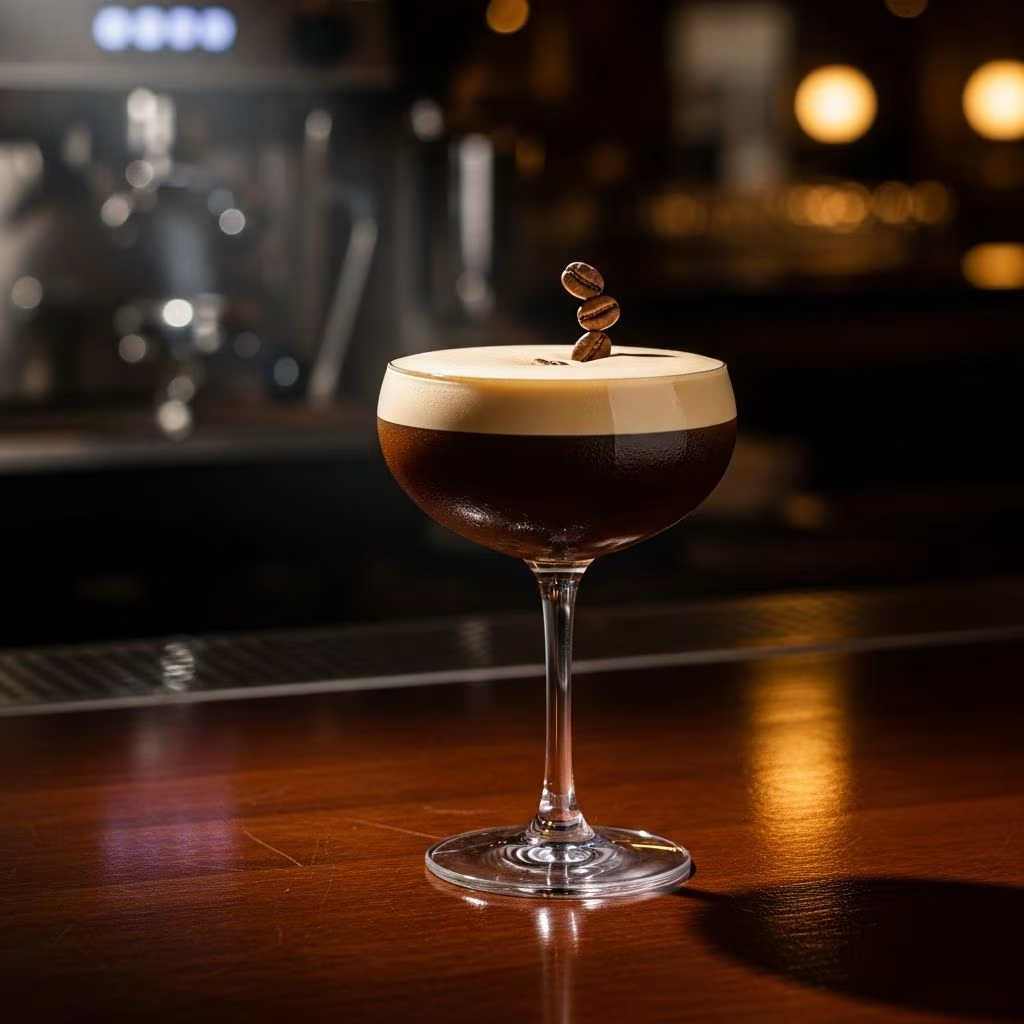
The espresso martini stands as a timeless icon in the world of mixology, blending the bold kick of fresh coffee with the smooth bite of premium spirits. This cocktail captivates with its velvety texture, rich aroma, and that signature layer of crema floating atop. Whether you’re winding down after dinner or seeking a sophisticated pick-me-up, perfecting this drink at home brings bar-level indulgence right to your kitchen.
Origins and Allure of the Espresso Martini
Emerging in the vibrant bar scene of 1980s London, the espresso martini quickly rose to fame thanks to innovative bartenders who fused vodka’s neutrality with espresso’s intensity. Its appeal lies in the harmonious balance of caffeine buzz and alcohol warmth, making it ideal for late-night socializing without the crash of sugary alternatives. Today, it remains a staple in cocktail menus worldwide, celebrated for its elegant presentation and complex flavor profile that dances between bitter, sweet, and boozy notes.
Essential Ingredients for Authentic Flavor
Building a superior espresso martini starts with high-quality components. Each element plays a crucial role in achieving the drink’s signature taste and mouthfeel.
- Vodka: The backbone providing clean spirit strength. Opt for a smooth, neutral vodka like Tito’s to let coffee flavors shine without overpowering.
- Fresh Espresso: The heart of the cocktail. Use freshly pulled shots with ample crema for authentic richness; cold brew works as a substitute but yields less foam.
- Coffee Liqueur: Adds depth and sweetness, with Kahlúa being the classic choice for its vanilla undertones and syrupy consistency.
- Simple Syrup: Balances bitterness with subtle sweetness. Homemade versions—equal parts sugar and water, heated and cooled—allow precise control.
- Ice and Garnish: Plenty of ice for shaking, plus three coffee beans for tradition and visual pop.
Proportions vary slightly across experts, but a common starting point mirrors the IBA official recipe: 50ml vodka, 30ml coffee liqueur, 10ml simple syrup, and one strong espresso shot.
Step-by-Step Guide to Perfection
Crafting the ideal espresso martini demands precision and vigor. Follow these steps for consistent results.
- Prepare Espresso: Brew a fresh shot and cool it rapidly in a shallow dish to prevent dilution. Hot coffee melts ice prematurely.
- Chill Glassware: Place a martini or coupe glass in the freezer for 5-10 minutes to maintain coldness post-shake.
- Assemble in Shaker: Add vodka, coffee liqueur, cooled espresso, and simple syrup first, then fill with ice. This order prevents premature dilution.
- Shake Vigorously: Seal tightly and shake hard for 10-12 seconds with both hands. This emulsifies oils, chills rapidly, and builds the essential foam layer.
- Strain and Serve: Double-strain into the chilled glass to catch ice shards, allowing crema to crown the top. Garnish with three coffee beans.
Total time: under 5 minutes for one serving. Scale up for batches by multiplying ingredients, but shake individually for best foam.
Mastering the Signature Foam
The frothy cap defines a great espresso martini, resulting from aggressive shaking that aerates coffee oils. Fresh espresso with crema excels here over cold brew, which produces subtler bubbles. Use large ice cubes to minimize dilution during shaking—more agitation means superior texture without watering down flavors. If foam falls flat, shake longer or ensure espresso is fresh; avoid instant coffee, as it lacks necessary oils.
Classic Recipe Table
| Ingredient | Amount (ml) | Notes |
|---|---|---|
| Vodka | 50 | Neutral, premium preferred |
| Coffee Liqueur (Kahlúa) | 30 | Rich coffee-vanilla flavor |
| Fresh Espresso | 30 (1 shot) | Cooled; crema essential |
| Simple Syrup | 10 | Adjust for sweetness |
| Ice | Fill shaker | Large cubes ideal |
| Garnish | 3 coffee beans | Symbolic & aromatic |
This IBA-aligned recipe yields one serving, balancing strength, sweetness, and coffee intensity.
Creative Variations to Elevate Your Game
Once mastered, experiment with twists to suit preferences or ingredients on hand.
- Vanilla Espresso Martini: Infuse simple syrup with vanilla beans for aromatic depth.
- Nutty Version: Swap half the coffee liqueur for hazelnut liqueur like Frangelico.
- Spiced Twist: Add a pinch of cinnamon or cardamom to the shaker for warmth.
- Boozy Boost: Include 10ml rum or tequila alongside vodka for layered spirits.
- Non-Alcoholic Mocktail: Use coffee syrup, seedlip grog, and extra espresso for a buzz-free alternative.
- Chocolate Indulgence: Rim the glass with cocoa powder or float crème de cacao.
For batches, premix bases without ice and shake per serving to preserve foam.
Troubleshooting Common Pitfalls
Even pros encounter issues—here’s how to fix them:
- No Foam? Shake harder/longer; use fresher espresso.
- Too Watery? Cool espresso fully; use less ice or larger cubes.
- Overly Bitter? Increase simple syrup incrementally.
- Not Cold Enough? Chill all components and glass ahead.
Taste-test mid-process to fine-tune ratios, aiming for harmony where no single flavor dominates.
Pairing and Serving Suggestions
Serve chilled in frosted martini glasses for drama. Pairs beautifully with dark chocolate desserts, amplifying bitter-sweet notes, or light cheeses to cut richness. Ideal as a digestif post-meal or aperitif for coffee lovers. For parties, pre-chill shakers and set up a station—guests love the interactive shake.
Equipment Essentials for Home Bartenders
Invest in these for pro results:
- Cocktail shaker (Boston or cobbler style)
- Hawthorne strainer
- Jigger for precise measures
- Espresso machine or strong coffee maker
- Chilled martini glasses
No espresso machine? Aeropress or moka pot delivers close approximations with crema.
Health and Moderation Notes
This cocktail packs caffeine (about 60mg per shot) plus alcohol—enjoy responsibly. Hydrate alongside, especially late-night. For lower calories, reduce syrup or use sugar-free alternatives.
Frequently Asked Questions (FAQs)
Can I make espresso martinis without an espresso machine?
Yes, strong cold brew concentrate substitutes well, though foam may be less pronounced. Brew double-strength and cool thoroughly.
How far in advance can I prepare the mix?
Mix bases up to 24 hours ahead and refrigerate; add ice and shake just before serving to maintain foam and chill.
What’s the best vodka for this cocktail?
Any smooth vodka works; Tito’s or potato-based options enhance mouthfeel without strong flavors.
Why three coffee beans as garnish?
Tradition symbolizes the drink’s layers: past, present, future—or simply adds aroma when sipped.
Batch for a party?
Multiply by guests, but shake small portions individually for optimal texture.
With practice, the espresso martini becomes a go-to for effortless sophistication. Experiment confidently, shake with intent, and savor the craft.
References
- The Perfect Espresso Martini at Home – Preppy Kitchen — Preppy Kitchen. 2023. https://preppykitchen.com/espresso-martini/
- Espresso Martini Recipe – Love and Lemons — Love and Lemons. 2023. https://www.loveandlemons.com/espresso-martini/
- Espresso Martini – RecipeTin Eats — RecipeTin Eats. 2023. https://www.recipetineats.com/espresso-martini/
- Espresso Martini – IBA — International Bartenders Association. 2023. https://iba-world.com/iba-cocktail/espresso-martini/
- How to Make the PERFECT Espresso Martini (5 Key Tips) — Steve the Bartender (YouTube). 2023. https://www.youtube.com/watch?v=7RYAR9FfQ90
- Espresso Martini cocktail recipe — YouTube Shorts. 2023. https://www.youtube.com/shorts/Lx_bhbCM8ao