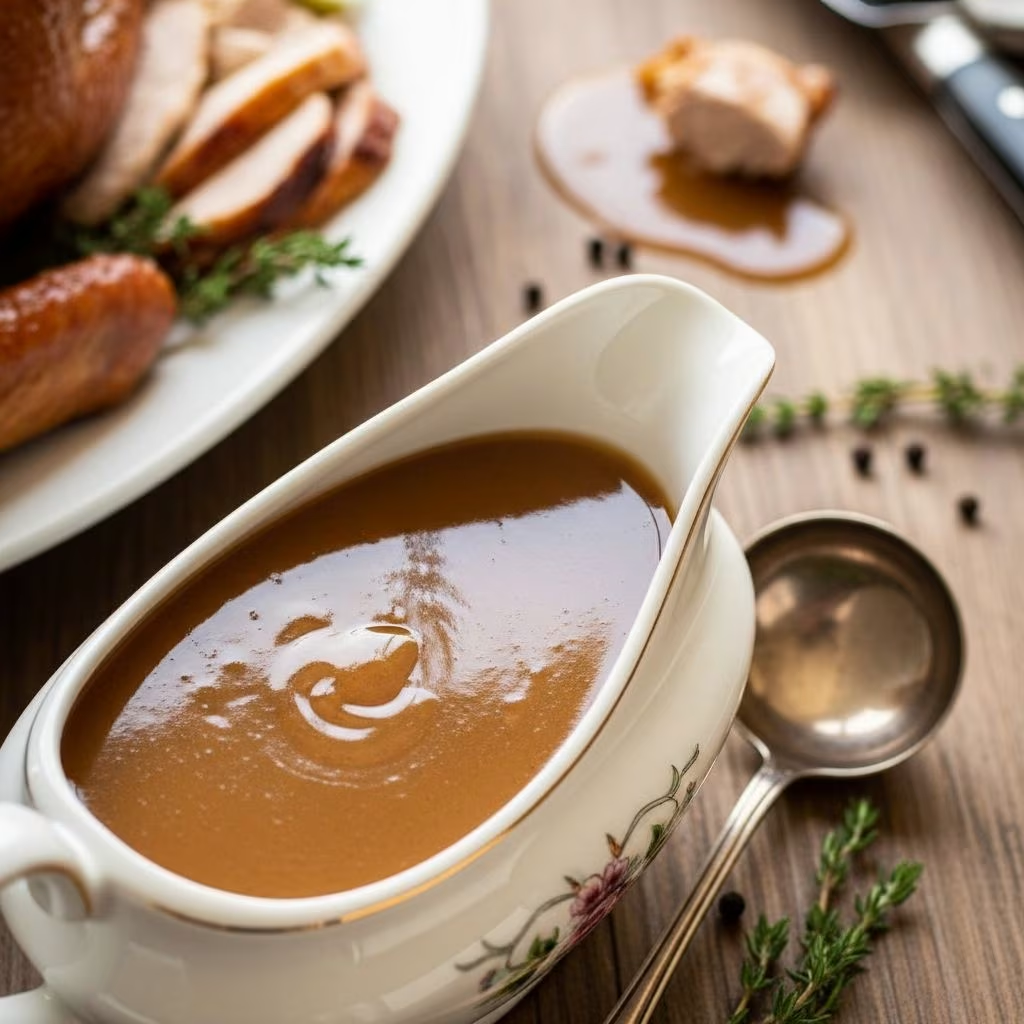
Turkey gravy stands as one of the most anticipated components of any holiday meal, transforming a simple collection of ingredients into a velvety sauce that elevates every element on the plate. Whether you’re preparing for your first Thanksgiving or refining techniques honed over decades, understanding the fundamentals of gravy-making ensures consistent, delicious results. This comprehensive guide explores the methods, ingredients, and professional secrets that distinguish exceptional gravy from mediocre attempts.
Understanding the Foundation: Essential Ingredients and Their Roles
Every successful turkey gravy begins with comprehending what each ingredient contributes to the final product. The interplay between these components creates the texture, flavor, and appearance that define quality gravy.
The Fat Component
Fat serves as the foundation upon which all gravy is built. Turkey drippings collected from the roasting pan provide the most authentic and flavorful option, carrying concentrated turkey essence accumulated during the roasting process. When skimmed carefully from the top of the drippings, fat becomes the medium in which other ingredients combine. The amount of fat should be measured precisely—typically one-quarter cup—to achieve proper consistency without creating a greasy, unappetizing sauce. If turkey drippings prove insufficient, butter serves as a reliable substitute, offering a neutral canvas that allows other flavors to emerge.
Flour as the Thickening Agent
All-purpose flour functions as the primary thickening mechanism, transforming liquid into a luscious, coating sauce. When combined with fat and heated, flour creates a roux—a foundational cooking technique that forms the basis of countless sauces across culinary traditions. The roux must be cooked thoroughly to eliminate any raw flour taste, progressing through pale, golden, and eventually darker brown stages depending on desired depth of flavor. Darker rouxes provide richer, more complex notes, while lighter versions maintain delicate turkey flavors.
Liquid Foundation
The choice of liquid dramatically influences gravy’s final character. Turkey drippings, when available in sufficient quantity, should be the primary liquid component, delivering authentic poultry flavor that cannot be replicated. When supplementing or replacing drippings, turkey stock or chicken broth becomes essential. Quality matters significantly here—inferior broths can sabotage otherwise well-executed gravy. Low-sodium options provide flexibility for proper seasoning adjustments, preventing the finished product from becoming excessively salty.
Two Foundational Approaches: With and Without Drippings
The method you select depends primarily on ingredient availability and personal preference. Both approaches yield excellent results when executed properly.
The Traditional Drippings Method
This classic approach maximizes the concentrated turkey flavor released during roasting. After removing the turkey from the oven, carefully pour the contents of the roasting pan into a measuring cup or bowl. Allow the mixture to settle briefly, then skim fat from the surface with a spoon or specialized fat separator. Reserve approximately one-quarter cup of this fat, combining it with equal parts flour to create a smooth paste. Over medium heat, whisk this mixture continuously until it achieves a rich golden-brown color and releases a toasted, inviting aroma. Gradually add the remaining drippings and additional broth, whisking constantly to prevent lumps. The gravy thickens as it simmers, typically reaching desired consistency within five to ten minutes of gentle cooking. This method maximizes savory depth while requiring minimal additional ingredients.
The Standalone Stock Method
When turkey drippings are unavailable or insufficient, building gravy from quality broth and complementary ingredients remains entirely viable. Begin by melting butter in a saucepan over medium heat, then add finely chopped shallots and minced garlic. Allow these aromatics to soften for several minutes, developing a sweet, mellow foundation. Fresh or dried herbs—sage, thyme, and rosemary—should be incorporated next, infusing the butter with their essential oils and complex flavors. Adding flour at this stage creates a roux that bonds all these elements together. Once the mixture achieves a golden-brown hue, gradually incorporate broth, whisking thoroughly to achieve smoothness. The resulting gravy differs slightly in character from the traditional method but delivers satisfying, herb-forward complexity.
Professional Techniques for Superior Results
Several strategies separate competent gravy-making from exceptional results.
Temperature Management
Maintaining proper heat throughout the cooking process prevents common pitfalls. Medium heat provides sufficient warmth for flour to develop flavor without burning, which produces bitter, unpleasant notes. When incorporating liquid into the roux, gentle heat allows thorough whisking without splashing or scorching. Once thickening begins, moderate heat prevents excessive reduction that can concentrate flavors unpleasantly. This careful temperature control requires attention but substantially improves final outcomes.
Whisking Discipline
Consistent whisking throughout gravy preparation eliminates lumps and ensures uniform texture. When combining flour with fat, vigorous whisking creates a homogeneous mixture before liquid addition. As broth joins the roux, continued whisking prevents flour granules from clumping, which creates undesirable texture. Even after the initial combination, intermittent whisking during simmering maintains smooth consistency and prevents settling.
Progressive Seasoning Strategy
Rather than seasoning gravy early, a methodical approach yields superior flavor balance. If your turkey has been brined—a common practice that adds considerable salt—the finished bird’s drippings already carry significant sodium. Adding excessive salt at the outset risks creating an unpalatable, overly salty sauce. Instead, taste the gravy after reaching desired thickness and incorporate seasonings gradually. Black pepper and ground herbs should be added first, allowing their flavors to integrate. Salt should be the final adjustment, added in small increments while tasting between additions. This progressive approach prevents over-salting while building balanced, nuanced flavor.
The Silkiness Finish
Professional cooks often add a final tablespoon of butter or heavy cream immediately before serving, a technique that elevates gravy from good to exceptional. This last-minute enrichment creates unparalleled silkiness and adds subtle luxurious mouthfeel. The butter emulsifies into the sauce, creating a glossy, refined appearance while enhancing richness.
Troubleshooting Common Gravy Challenges
| Challenge | Cause | Solution |
|---|---|---|
| Lumpy Texture | Inadequate whisking or temperature too high | Strain through fine-mesh sieve or blend with immersion blender |
| Excessive Thickness | Too much flour or insufficient liquid | Add broth gradually while whisking until desired consistency achieved |
| Thin, Watery Consistency | Insufficient flour or too much liquid | Create small roux separately and whisk in, or simmer longer to reduce |
| Greasy Appearance | Fat not properly skimmed or excessive amount used | Skim additional fat from surface or place paper towel on top to absorb |
| Flat, Uninspiring Flavor | Insufficient seasoning or missing depth | Add drippings, herbs, or pinch of umami-rich ingredients like soy sauce |
| Burnt, Bitter Taste | Roux cooked too long or temperature too high | Start over; burnt flavors cannot be salvaged once present |
Timing and Preparation Considerations
Turkey gravy demands minimal active time but requires strategic planning within your holiday cooking schedule. The entire process consumes approximately ten to fifteen minutes from start to finish, making it feasible to prepare after removing the turkey from the oven while it rests—an essential step for juicy, properly textured meat. Many cooks prefer making gravy during this resting period because it frees stovetop space and allows convenient access to drippings while the roasting pan remains warm.
For those preferring advance preparation, giblets can be simmered earlier in the day and stored in an airtight container. Combining these pre-cooked giblets with drippings at service time accelerates the final gravy preparation. This approach reduces last-minute stress while maintaining fresh, integrated flavors.
Storage and Reheating Guidance
Leftover gravy stores reliably for two to three days in sealed refrigerator containers, offering convenient use for subsequent meals. When reheating, transfer gravy to a saucepan and add two tablespoons of broth or water to restore desired consistency, as refrigeration causes thickening. Gentle medium-low heat over approximately fifteen minutes warms the gravy through without scorching. Avoid boiling, which can separate the sauce and create undesirable texture changes.
Frequently Asked Questions
Can I make gravy with vegetable broth instead of chicken or turkey stock?
Vegetable broth produces acceptable gravy but sacrifices the poultry-forward character that distinguishes superior versions. Use vegetable broth only when no other options exist, as it creates a more generic sauce lacking depth and savory resonance.
What if I don’t have fresh herbs?
Dried herbs work effectively, though in smaller quantities since drying concentrates flavors. Use approximately one-half teaspoon dried herbs for every teaspoon of fresh called for in recipes, adjusting to taste.
Should I add the giblet meat directly to the gravy?
Traditionally, giblets—particularly the heart, liver, and gizzards—are finely chopped or minced and incorporated into gravy. This provides textural interest and distributes concentrated poultry flavor throughout. Some households prefer removing giblets from the finished product before serving to guests with specific preferences.
How do I prevent gravy from separating after storing?
Separation typically results from excessive heat or time. Maintain gravy in sealed containers to prevent oxidation and store at consistent refrigerator temperature. When reheating, use low to medium-low heat and add liquid gradually while stirring gently.
Can I freeze turkey gravy?
Yes, gravy freezes successfully for up to three months in airtight containers or freezer bags. Thaw overnight in the refrigerator before reheating gently on the stovetop with additional broth to restore proper consistency.
Achieving Consistency Excellence
The most challenging aspect of gravy preparation involves achieving proper consistency, which varies based on personal preference and intended use. Gravy destined for mashed potatoes should flow freely, coating the vegetables lightly. Conversely, gravy intended for bread dressing or stuffing might benefit from slightly thicker consistency that doesn’t soak through quickly. The traditional approach involves visual assessment—when gravy coats the back of a spoon and a finger drawn across the spoon’s surface leaves a clear trail, consistency typically achieves ideal texture. Remember that gravy continues thickening as it cools, so slightly thinner-than-desired results while hot often achieve perfection upon cooling.
Elevating Beyond Basics
While traditional gravy requires only fundamental components, creative additions transform basic sauce into memorable accompaniments. A small pinch of Worcestershire sauce adds subtle umami depth without announcing its presence. Fresh thyme or sage stirred in at the final moment provides bright herbal notes. For adventurous palates, a touch of balsamic vinegar introduces subtle sweetness and complexity. Dry sherry or white wine incorporated during the liquid addition contributes sophisticated character. These enhancements should be added judiciously, serving to complement rather than overwhelm turkey’s delicate flavor.
References
- Homemade Turkey Gravy: Step by Step Images — What’s Gaby Cooking. Accessed April 2026. https://whatsgabycooking.com/homemade-turkey-gravy/
- The Best Turkey Gravy Recipe — Mom On Timeout. Accessed April 2026. https://www.momontimeout.com/the-best-turkey-gravy-recipe/
- Turkey Gravy — Tastes Better From Scratch. Accessed April 2026. https://tastesbetterfromscratch.com/turkey-gravy/
- Quick and Easy Turkey Gravy — Southern Bite. Accessed April 2026. https://southernbite.com/quick-and-easy-turkey-gravy/