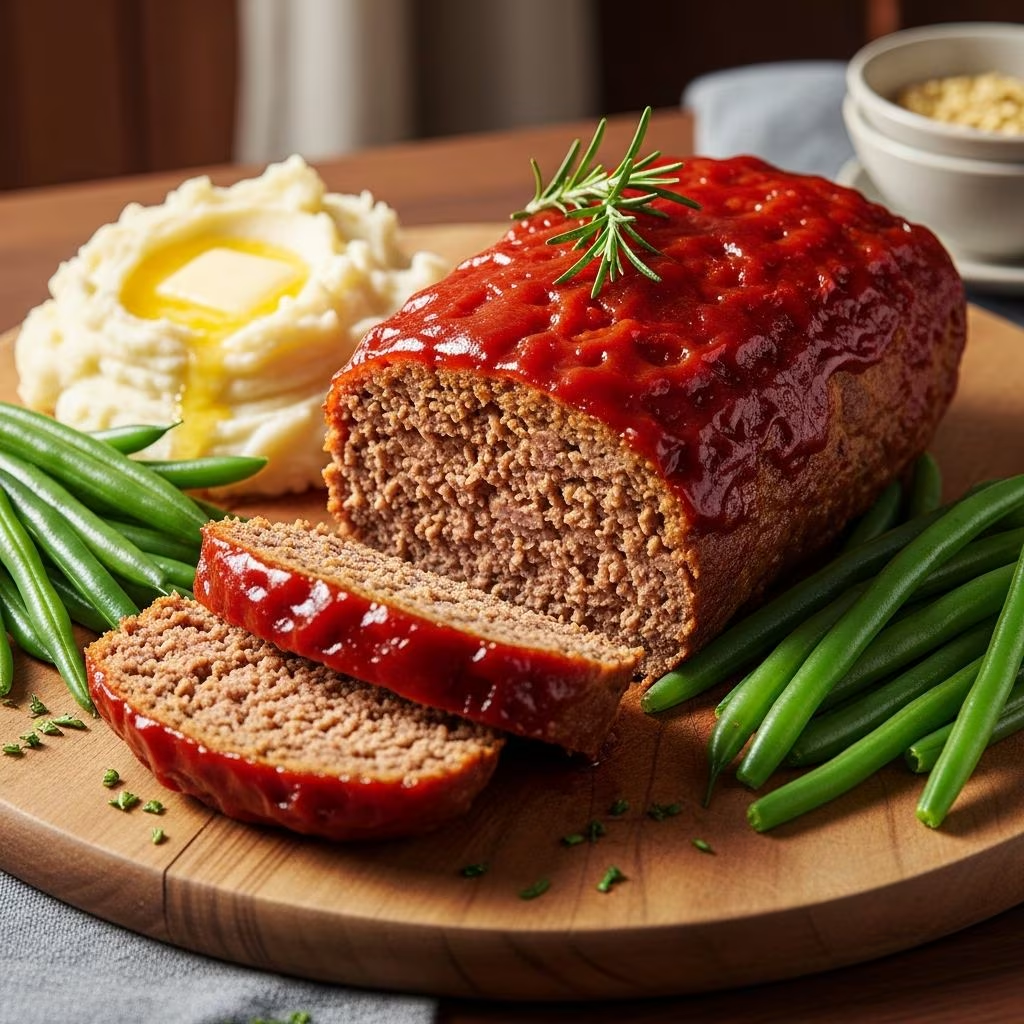
Meatloaf represents one of the most beloved dishes in American home cooking, offering a perfect combination of simplicity, affordability, and satisfying flavor. Whether you’re cooking for a family dinner or preparing meals for the week, understanding the fundamentals of meatloaf preparation can transform this humble dish from ordinary to extraordinary. This comprehensive guide explores the techniques, ingredient selections, and methods that produce consistently excellent results.
Understanding the Foundation: Why Meatloaf Matters
Meatloaf has occupied a special place in American culinary traditions for generations. Its versatility allows home cooks to create variations suited to different tastes and dietary preferences, while its straightforward preparation makes it accessible to cooks of all skill levels. The dish’s appeal lies in its ability to transform simple ingredients into a cohesive, flavorful centerpiece that satisfies even the most discerning palates.
Beyond its taste, meatloaf offers practical advantages for busy households. It can be prepared in advance, reheated with ease, and incorporated into various meals throughout the week. Understanding the principles behind successful meatloaf preparation ensures you can replicate excellent results consistently.
Essential Ingredients and Their Specific Roles
Creating an outstanding meatloaf requires understanding how each ingredient contributes to the final texture, flavor, and moisture level. The following components work together to produce the desired result:
Protein Selection and Meat Composition
Ground beef serves as the primary protein component, though the specific fat content of your meat selection significantly impacts the finished product. Meat with an 80/20 ratio of lean to fat provides optimal moisture without excessive greasiness. Using meat that’s too lean results in a dense, dry texture, while overly fatty meat can become unpleasantly slick during cooking.
Some cooks prefer combining different ground meats to achieve more complex flavor profiles. Adding pork, veal, or turkey creates variations that adjust the richness and texture according to preference. This flexibility allows for experimentation based on dietary goals or taste preferences.
Binding Agents and Their Functions
Breadcrumbs serve the critical function of absorbing and retaining moisture throughout the cooking process. By distributing moisture evenly, breadcrumbs prevent the meatloaf from becoming dense and compacted. The choice between panko, regular breadcrumbs, or even crushed crackers affects the final texture and how well the loaf holds together when sliced.
Eggs act as another essential binding component, helping to create structure while adding richness. The protein in eggs coagulates during cooking, creating a matrix that holds the meat together effectively. Using the appropriate quantity ensures the meatloaf maintains its shape without becoming rubbery or overly firm.
Flavor-Building Components
Onions, whether finely diced or grated, contribute both flavor depth and additional moisture. When cooked within the meatloaf, onions become tender and sweet, adding subtle complexity. Fresh or powdered garlic enhances savory notes, while seasonings like salt, pepper, and paprika provide foundational taste development.
Additional flavor enhancers might include Worcestershire sauce, which adds umami and slight acidity, or various herbs and spices tailored to personal preference. Some preparations incorporate ketchup directly into the mixture, while others reserve it for the topping, creating a distinctive exterior glaze.
Preparation Techniques for Optimal Results
Ingredient Preparation and Organization
Gathering and preparing ingredients before assembly streamlines the cooking process. Dice onions finely to ensure they distribute evenly throughout the mixture. If using fresh herbs, chop them adequately to prevent large pieces from disrupting the texture. Having ingredients measured and ready allows for efficient combination without over-mixing the meat.
Mixing Methods and Considerations
The technique used to combine ingredients significantly affects the final texture. Overmixing develops gluten in the breadcrumbs and activates muscle proteins in the meat, resulting in a dense, sausage-like consistency. Conversely, insufficient mixing creates uneven distribution of binders and seasonings, leading to inconsistent texture and taste throughout the loaf.
The optimal approach involves using your hands to gently combine ingredients just until they’re evenly distributed. Use light pressure and quick, deliberate motions rather than vigorous kneading. The mixture should hold together when formed but shouldn’t appear compressed or overly compacted.
Forming and Shaping the Loaf
How you shape the meatloaf impacts cooking time and browning. Some cooks prefer a traditional loaf shape formed directly in a baking pan, while others create a freeform shape on a lined baking sheet. The advantage of a baking sheet is that fat can drip away from the meatloaf, creating a less greasy final product.
Creating a slight depression down the center of the loaf allows heat to penetrate more effectively toward the middle, promoting even cooking. This technique also provides a channel for any rendered fat to collect, preventing pooling on the surface.
Cooking Methods and Temperature Control
Oven Baking: The Traditional Approach
Conventional oven baking remains the most reliable method for achieving consistent results. A 350°F oven temperature allows the exterior to brown gradually while the interior cooks through without drying out. At this temperature, a standard meatloaf typically requires 45 to 60 minutes, depending on weight and shape.
Using an instant-read thermometer removes guesswork from the cooking process. Insert the thermometer into the thickest part of the loaf without touching the pan. The meatloaf is safely cooked when it reaches 160°F, ensuring harmful bacteria are eliminated while maintaining moisture.
Creating an Exterior Glaze
Many traditional preparations feature a ketchup-based glaze applied during the final portion of cooking. This glaze caramelizes slightly, creating a flavorful, slightly sweet exterior. Applying the glaze during the last 15 to 20 minutes of cooking prevents burning while allowing adequate caramelization.
Variations on the traditional glaze might include brown sugar and vinegar, barbecue sauce, or a combination of ketchup and spicy condiments. The glaze should be brushed on generously but not so thickly that it prevents browning of the meat itself.
Troubleshooting Common Issues
| Problem | Likely Cause | Solution |
|---|---|---|
| Dry, crumbly texture | Overmixing or insufficient binder | Mix gently and ensure adequate breadcrumbs and eggs are included |
| Dense, compacted loaf | Excessive mixing or too much binding agent | Use proper mixing technique and adjust binder quantities |
| Uneven cooking | Inconsistent shape or oven temperature fluctuation | Form uniform loaf and use oven thermometer |
| Burned glaze | Applied too early or oven too hot | Apply glaze in final 15 minutes and verify oven temperature |
| Raw or pink center | Insufficient cooking time or low oven temperature | Use thermometer and ensure internal temperature reaches 160°F |
Storage and Reheating Guidelines
Refrigerator Storage
Properly stored meatloaf maintains quality for up to four days in the refrigerator. Allow the cooked loaf to cool to room temperature before transferring to an airtight container. Store it on a shelf where it won’t become compressed by heavier items, maintaining its structural integrity.
Freezer Preservation
Meatloaf freezes exceptionally well, lasting up to three months when wrapped securely. Wrap individual portions in plastic wrap before placing in freezer bags to prevent freezer burn. Label containers with the date prepared to track storage time accurately.
Reheating Methods
Reheating in a 350°F oven for approximately 15 to 20 minutes preserves moisture and texture better than microwave methods. Cover the meatloaf loosely with foil to prevent excessive drying. Alternatively, slice and reheat individual portions in a skillet with a small amount of butter for quick meals.
Nutritional Considerations and Serving Suggestions
Meatloaf provides substantial protein and essential nutrients, making it a nutritionally complete main course. Pairing it with roasted vegetables and whole grains creates balanced, satisfying meals. The dish’s versatility allows for numerous serving options throughout the week, from traditional plated dinners to sandwiches and salads.
For health-conscious preparations, increasing the vegetable content or substituting portion of ground beef with leaner meats adjusts nutritional profiles. Including finely grated vegetables like zucchini or carrots increases fiber content while maintaining moisture.
Variations and Creative Interpretations
While the classic preparation remains timeless, numerous variations expand the dish’s possibilities. Adding ingredients like cheese, mushrooms, or bell peppers creates personalized versions. Different glaze options—from Asian-inspired ginger soy to Mediterranean herb combinations—transform the flavor profile entirely.
Some cooks prepare meatloaf in individual portions using muffin tins, creating convenient single servings with increased surface area for glaze development. Others combine ground meats with varied seasonings to create international interpretations reflecting different culinary traditions.
Frequently Asked Questions
What’s the difference between meatloaf and meatballs?
Meatloaf is a single baked loaf combining meat, binders, and seasonings, while meatballs are individual portions typically browned and simmered in sauce. The cooking methods and serving presentations differ, though the basic ingredient ratios remain similar.
Can meatloaf be made without breadcrumbs?
While breadcrumbs are traditional, alternatives include crushed crackers, oatmeal, or finely minced vegetables. These alternatives must still provide adequate moisture absorption and binding function. Omitting binding agents entirely results in a dense, crumbly texture.
Why does my meatloaf fall apart when slicing?
Insufficient binding, overmixing that develops tough gluten, or undercooking can cause structural issues. Ensure adequate egg and breadcrumb content, use gentle mixing techniques, and verify that the internal temperature reaches 160°F before removing from heat.
Should meatloaf rest before slicing?
Allowing cooked meatloaf to rest for 10 minutes before slicing allows juices to redistribute, resulting in moister, more cohesive slices. Slicing immediately after removal from the oven may cause the texture to crumble.
What meats work best in meatloaf?
Ground beef remains the most popular choice, but combinations including pork, veal, or turkey create different flavor profiles. Choose meat with appropriate fat content to balance moisture and prevent dryness.
Conclusion: Mastering the Timeless Meatloaf
Creating exceptional meatloaf involves understanding fundamental principles regarding ingredient selection, mixing techniques, and cooking methods. By applying these techniques consistently, home cooks can produce meatloaf that rivals restaurant quality while offering the satisfaction of homemade preparation. Whether following traditional recipes or experimenting with creative variations, the fundamentals remain constant: quality ingredients, gentle handling, and precise temperature control ensure outstanding results every time.
References
- Safe Minimum Internal Temperature Chart — United States Department of Agriculture Food Safety and Inspection Service. 2024. https://www.fsis.usda.gov/food-safety/safe-food-handling-and-preparation/food-safety-basics/safe-minimum-internal-temperature-chart
- Proper Food Storage and Refrigeration Guidelines — Centers for Disease Control and Prevention. 2024. https://www.cdc.gov/foodsafety/communication/storage-handling.html
- Ground Meat Products: Handling and Storage — United States Department of Agriculture. 2023. https://www.usda.gov/media/blog/2013/04/16/cooking-and-storing-ground-meat