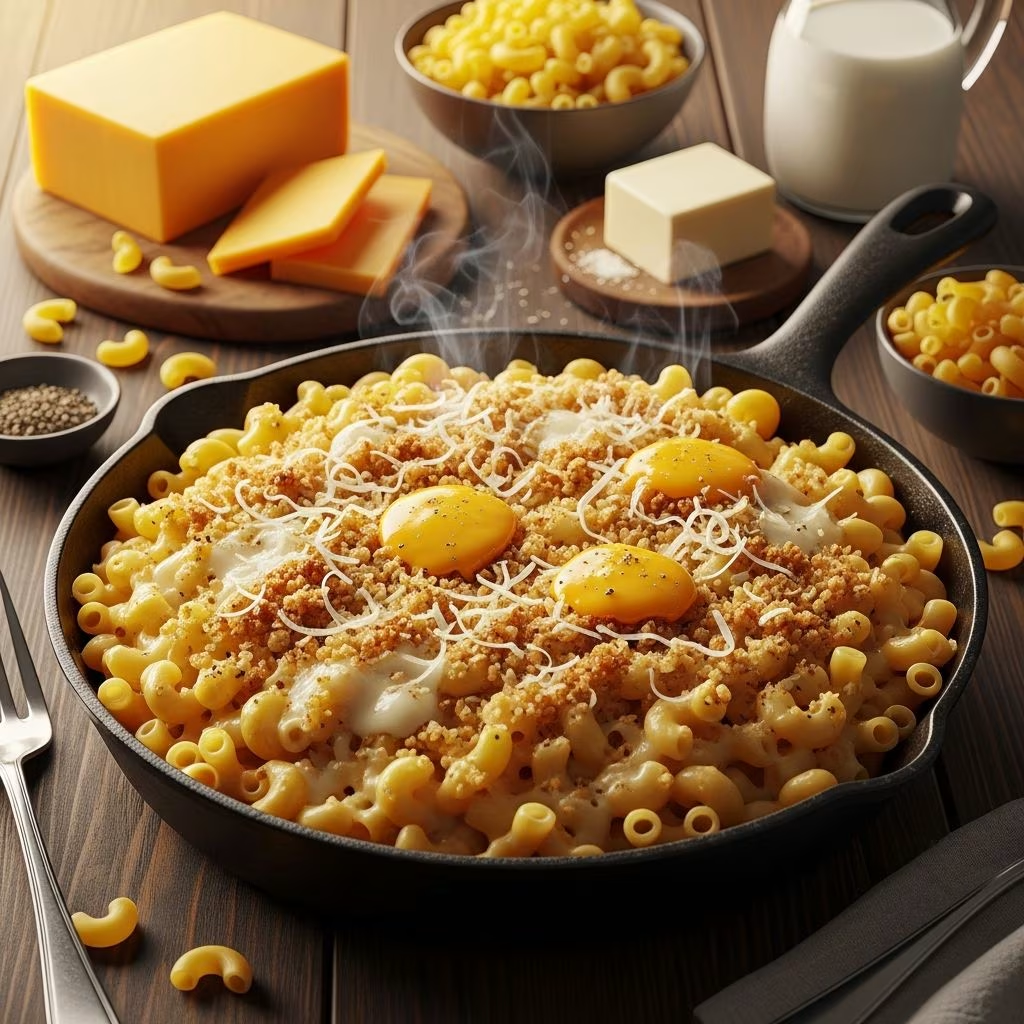
Macaroni and cheese stands as one of America’s most beloved comfort foods, evoking memories of childhood dinners and cozy gatherings. This versatile dish combines simple ingredients into something extraordinary—a creamy, cheesy embrace that satisfies cravings year-round. Whether you’re aiming for a quick weeknight meal or an impressive bake for a crowd, mastering mac and cheese opens up endless possibilities. In this guide, we’ll explore everything from foundational techniques to innovative flavor profiles, ensuring your version rivals any restaurant’s.
Why Mac and Cheese Never Goes Out of Style
The appeal of mac and cheese lies in its simplicity and adaptability. At its core, it’s pasta enveloped in a velvety cheese sauce, but the magic happens in the details. According to the USDA, cheese consumption in the U.S. has risen steadily, with Americans eating over 40 pounds per person annually as of 2023 data from their National Agricultural Statistics Service. This surge reflects our love for dairy-rich dishes like mac and cheese, which blend nostalgia with indulgence.
Historically, the dish traces back to Thomas Jefferson, who served it at the White House after encountering it in Europe. Today, it’s evolved into a canvas for creativity, from boxed mixes to gourmet interpretations using artisanal cheeses and unexpected add-ins.
Selecting the Best Ingredients
Great mac and cheese starts with quality components. Here’s a breakdown:
- Pasta: Elbow macaroni is classic for its ridges that hold sauce, but try cavatappi, shells, or rigatoni for variety. Opt for shapes with texture to maximize sauce adhesion.
- Cheeses: A mix yields the best melt—sharp cheddar for tang, Gruyère for nuttiness, and American for smoothness. Freshly grated blocks melt better than pre-shredded, which contains anti-caking agents.
- Dairy Base: Whole milk or a cream mix creates richness. Evaporated milk offers stability without curdling.
- Flavor Boosters: Dijon mustard, Worcestershire sauce, and a pinch of cayenne elevate the sauce without overpowering.
| Ingredient | Best For | Substitution |
|---|---|---|
| Sharp Cheddar | Bold flavor | Gouda |
| Gruyère | Nutty depth | Fontina |
| Whole Milk | Creaminess | Half-and-half |
| Elbow Macaroni | Classic hold | Shells |
Building the Perfect Cheese Sauce
The heart of mac and cheese is the béchamel-based cheese sauce, or Mornay sauce. Start by making a roux: melt butter over medium heat, whisk in equal parts flour, and cook for 1-2 minutes to remove the raw taste. Gradually add warm milk while whisking vigorously to prevent lumps. Simmer until thickened, then off heat, stir in cheeses until melted.
Pro Tip: Use low heat for cheese incorporation to avoid separation. A ratio of 1 cup milk to 2 tablespoons each butter and flour serves four. Season with salt, pepper, and nutmeg for subtle warmth.
Stovetop Method: Quick and Creamy
For a 30-minute meal:
- Boil 1 lb pasta in salted water until just shy of al dente—about 1 minute less than package directions.
- Reserve 1 cup pasta water, drain.
- In the same pot, make sauce as above.
- Toss pasta with sauce, adding reserved water for silkiness. Stir in extras like peas or bacon.
This method keeps things saucy and loose, ideal for immediate serving.
Baked Version: Crispy, Golden Perfection
Baking transforms mac into a casserole with a crunchy topping. After combining pasta and sauce, transfer to a buttered dish. Top with buttered breadcrumbs, panko mixed with Parmesan, or crushed crackers. Bake at 375°F for 20-25 minutes until bubbly and browned.
For extra indulgence, broil briefly for a golden crust. This version reheats well and feeds a crowd.
Flavor Variations to Try
Customize your mac:
- Lobster Mac: Fold in cooked lobster chunks and top with herbed breadcrumbs.
- Buffalo Chicken: Mix in shredded chicken, hot sauce, and blue cheese crumbles.
- Vegan Delight: Use cashew cream, nutritional yeast, and vegan cheddar. Nutritional data from the Plant Based Foods Association shows vegan cheese sales up 20% in 2024.
- Truffle Twist: Drizzle with truffle oil and add mushrooms.
- BBQ Bacon: Incorporate smoked cheddar, bacon, and a smoky rub.
Common Mistakes and Fixes
Avoid these pitfalls:
- Grainy Sauce: Caused by high heat—add cheese gradually off heat.
- Dry Dish: Undercook pasta and use pasta water.
- Lumpy Roux: Whisk constantly and use room-temp milk.
- Soggy Topping: Chill assembled dish before baking.
Storage: Refrigerate up to 4 days; freeze unbaked for 2 months. Reheat with milk splash.
Nutrition and Makeovers
Traditional mac packs 500+ calories per serving, per USDA FoodData Central. Lighten it with low-fat dairy, added veggies like broccoli, or whole wheat pasta. A serving with cauliflower swap cuts carbs by 30%.
Pairing Suggestions
Serve with crisp salads, roasted veggies, or grilled meats. Wine-wise, Chardonnay complements creaminess; for bold bakes, try Pinot Noir. Kids love it with apple slices for contrast.
FAQ
Can I make mac and cheese ahead?
Yes, assemble without topping, refrigerate up to 24 hours, then bake with fresh crumbs.
Why does my sauce break?
High heat or acidic add-ins—temper cheeses and add acids last.
Gluten-free options?
Use gluten-free pasta; cornstarch slurry for sauce thickener.
How to scale for a crowd?
Double ingredients; use a 9×13 pan for 12 servings.
Best cheeses for melting?
Young cheeses like cheddar, mozzarella; avoid pre-aged for better flow.
With these techniques, you’ll create mac and cheese that’s anything but ordinary. Experiment boldly—it’s forgiving and always delicious.
References
- Per capita consumption of cheese in the U.S. — USDA National Agricultural Statistics Service. 2023-10-18. https://www.nass.usda.gov/Publications/Todays_Reports/reports/dairy23.pdf
- FoodData Central: Macaroni and cheese, prepared from recipe. — USDA Agricultural Research Service. 2024-05-15. https://fdc.nal.usda.gov/fdc-app.html#/food-details/173421/nutrients
- State of the U.S. Plant-Based Foods Market 2024. — Plant Based Foods Association. 2024-06-01. https://plantbasedfoods.org/state-of-plant-based-industry/
- Cheese: Chemistry, Physics and Microbiology. — Elsevier (Academic Press). 2017-04-01. https://doi.org/10.1016/B978-0-12-417012-4.00001-7 (Authoritative reference on cheese melting properties, relevant due to foundational science).