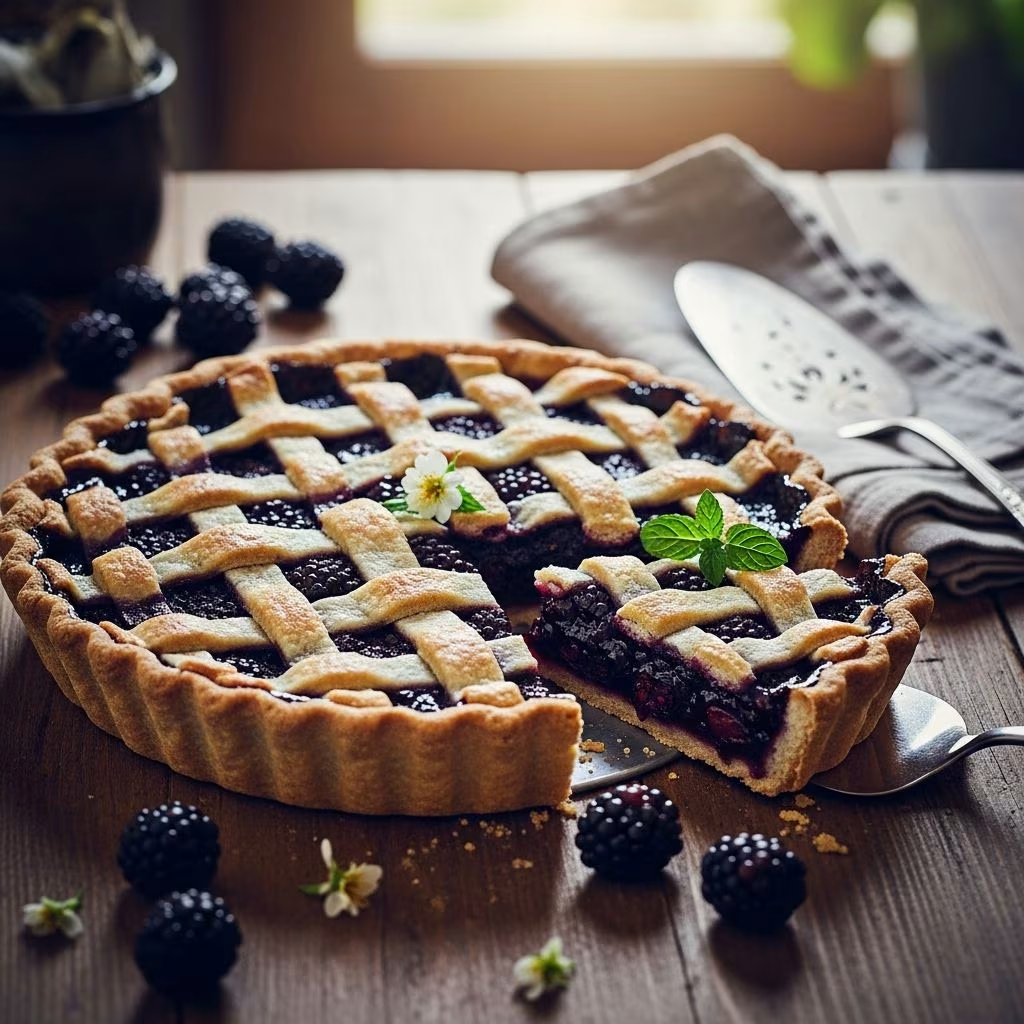
Blackberry pie represents one of the most cherished summer desserts, combining the natural tartness of fresh berries with the indulgent appeal of buttery pastry. Whether you’re an experienced baker or attempting your first homemade pie, understanding the fundamental techniques and ingredient choices will elevate your baking results significantly. This comprehensive guide explores every aspect of creating a blackberry pie that showcases the berry’s vibrant flavor while delivering a texture that balances structural integrity with tender flakiness.
Understanding Your Ingredients: The Foundation of Success
Selecting Premium Blackberries
The quality of your finished pie depends entirely on the blackberries you select. Fresh berries offer superior flavor intensity and natural moisture content compared to their frozen counterparts. When shopping, look for berries that are plump, firm, and uniformly dark without any red coloration, which indicates underripe fruit. Handle them gently to avoid bruising, and rinse them only immediately before use to prevent premature softening.
Frozen blackberries present a viable alternative when fresh berries are unavailable or out of season. If using frozen berries, add them directly to your filling mixture without thawing, and increase the cornstarch measurement by approximately one-quarter to compensate for the additional moisture they release during baking.
Flour and Fat for Pastry Excellence
All-purpose flour serves as the standard choice for pie crusts, providing adequate structure without excessive gluten development that would result in toughness. The butter component requires particular attention—using cold unsalted butter cut into small cubes ensures that distinct pockets form throughout the dough, which generate steam during baking and produce the desired flaky texture. The ratio of fat to flour typically hovers around 1:2 to 1:2.5, creating a dough that remains workable while achieving maximum flakiness.
Thickening Agents and Flavor Enhancers
Cornstarch emerges as the preferred thickening agent for blackberry pie fillings, as it creates a glossy, smooth filling without the opaque appearance that flour can produce. A typical filling incorporates three to four tablespoons of cornstarch per six cups of berries, though frozen berries may require an additional tablespoon due to excess moisture. Alternative thickeners such as all-purpose flour work adequately, though a 2:1 ratio adjustment maintains proper consistency.
Lemon juice and lemon zest brighten the berry’s natural flavor profile, balancing sweetness with subtle acidity. A single tablespoon of fresh lemon juice per pie prevents the filling from becoming cloying while emphasizing the blackberry’s complex taste. Optional additions such as vanilla extract or a pinch of cinnamon introduce complementary warm notes without overwhelming the fruit’s primary flavor.
Constructing Your Pie Crust: Technique Matters
Mixing Method and Dough Development
Professional bakers often employ a food processor for crust preparation, which rapidly distributes cold butter throughout the flour mixture while maintaining low temperature. This method involves pulsing the flour, sugar, and salt combination several times, then adding cold butter cubes and pulsing approximately 10-12 times until the mixture resembles small peas. Adding ice-cold water in tablespoon increments and pulsing until the dough just begins cohering prevents over-mixing that would develop excessive gluten.
Hand-mixing methods remain equally effective, requiring a pastry cutter or two knives to break butter into flour while keeping ingredients as cold as possible. Maintain swift movements to prevent butter from softening, and avoid overworking the dough, as this develops gluten strands that create toughness rather than flakiness.
Resting and Chilling Protocols
Refrigerating dough for at least 30 minutes, and ideally several hours or overnight, allows gluten to relax and butter to solidify fully. This resting period prevents significant shrinkage during baking and ensures optimal texture development. When ready to roll, remove dough from refrigeration and allow it to warm slightly—approximately five to ten minutes—until it becomes pliable without becoming soft. A dough that’s too cold cracks easily during rolling, while dough that’s too warm sticks to the work surface.
Rolling and Fitting Techniques
Dust your work surface and rolling pin lightly with flour, then gently roll the dough into a circle approximately 13 inches in diameter for a standard 9-inch pie plate. Use gentle, even pressure from the center outward, rotating the dough frequently to maintain an even thickness. Transfer the rolled dough to your pie plate by rolling it loosely around your pin and unrolling it carefully into position. Press the dough gently into the plate’s corners and sides without stretching it excessively, which would cause shrinkage during baking.
Preparing the Blackberry Filling: From Berries to Syrup
Combining Components Strategically
Place fresh blackberries in a large mixing bowl and add sugar, cornstarch, lemon juice, and any additional flavorings. Gently toss these components together, allowing the berries to release their natural juices over several minutes. This resting period—typically 10-15 minutes—permits the sugar to begin dissolving and the berries to soften slightly, which facilitates more uniform flavor distribution throughout the filling.
For recipes incorporating a flour-sugar layer at the bottom crust, sprinkle approximately one-third of the thickener-sugar mixture across the chilled bottom pastry before adding the berry mixture. This technique creates a barrier that prevents excessive moisture migration into the crust while establishing a firmer texture at the pie’s base, making slicing cleaner.
Moisture Management and Consistency
The distinction between a properly textured filling and an unpleasantly runny pie hinges upon appropriate thickener selection and quantity. Some recipes incorporate additional liquid such as water or reduce sugar quantities slightly, accounting for the natural juices blackberries release. By allowing berries to macerate before baking, you enable the filling to set properly without requiring excessive thickener, which can create an overly gelatinous texture.
Assembly and Pre-Bake Preparation
Constructing Your Layered Pie
With your bottom crust fitted into the pie plate and any preliminary flour-sugar layer applied, carefully pour the blackberry mixture into the shell, distributing it evenly from edge to edge. If using a top crust, roll it to similar dimensions as the bottom crust before placing it over the filling. Trim excess dough to approximately half an inch beyond the pie plate’s edge, then fold both crust edges under and press gently with a fork to create an attractive crimped seal.
Venting and Egg Wash Application
Cutting four to five slits or a decorative pattern into the top crust permits steam to escape during baking, preventing crust splitting and reducing internal pressure. Prepare an egg wash by whisking one egg with two tablespoons water, then brush this mixture across the entire top crust using a pastry brush to create an attractive golden-brown finish. For additional visual appeal and textural contrast, sprinkle coarse sugar over the egg wash before baking.
Baking Strategy: Temperature and Timing
The Two-Temperature Method
Professional pie bakers employ a two-stage baking approach that addresses the different cooking requirements of crust and filling. Begin with your oven positioned at 425°F, placing the assembled pie on the lowest rack for the first 15 minutes. This initial high temperature rapidly sets the crust, preventing excessive moisture absorption from the filling. Reduce the temperature to 375°F and continue baking for 40-45 minutes until the filling visibly bubbles at the crust edges and the pastry achieves a deep golden-brown color.
If the crust appears to be browning excessively before the filling has sufficiently thickened, loosely drape aluminum foil around the pie’s edges. This simple technique protects the pastry from over-browning while allowing the interior to continue cooking. Alternatively, position a baking sheet on the rack below your pie to catch any drips and ensure even heat distribution.
Determining Doneness
Visual cues provide the most reliable indicators of completion. The filling should bubble visibly around the pie’s edges, indicating that the thickener has activated and the mixture has reached adequate temperature throughout. The crust should display a consistent mahogany brown color rather than pale golden yellow, which suggests insufficient baking.
Cooling and Setting: Patience Yields Superior Texture
Resisting the temptation to slice your pie immediately after removal from the oven represents perhaps the most challenging aspect of pie preparation. Allow your blackberry pie to cool completely at room temperature for at least two hours, then refrigerate for an additional four hours or preferably overnight. This extended cooling period permits the filling to set properly as the thickener fully hydrates and the mixture transitions from liquid to gel-like consistency. A pie sliced too soon will exhibit a runny filling, while a properly cooled pie slices cleanly into distinct portions.
Storage and Make-Ahead Strategies
Refrigeration Guidelines
Properly stored blackberry pie maintains excellent quality for three to four days when covered loosely and kept refrigerated. The cool temperature slows deterioration while the cover prevents flavor absorption from other refrigerated items. Before serving, allow the pie to warm slightly at room temperature for improved flavor intensity.
Freezing for Future Enjoyment
Blackberry pie freezes exceptionally well either before or after baking. Unbaked pies wrapped tightly in plastic wrap and placed in freezer bags retain quality for up to three months, requiring only the addition of 15-20 minutes to the standard baking time when baking from frozen. Baked pies similarly freeze for three months and can be thawed overnight in the refrigerator before serving, or reheated gently in a 300°F oven.
Troubleshooting Common Challenges
| Issue | Potential Cause | Solution |
|---|---|---|
| Runny filling that doesn’t set | Insufficient thickener or underbaking | Increase cornstarch by 1-2 tablespoons; ensure filling bubbles at edges during baking |
| Tough, dense crust | Over-mixing dough or warm butter | Use ice-cold butter; minimize mixing; chill dough thoroughly before rolling |
| Crust shrinks significantly | Over-stretching during fitting or insufficient chilling | Handle dough gently; chill fitted crust 30 minutes before filling; use pie weights during blind baking if desired |
| Pale, underbrowned crust | Temperature too low or baking time insufficient | Verify oven temperature with an independent thermometer; bake until deep golden brown appears |
| Soggy bottom crust | Filling releases excess moisture into bottom pastry | Apply flour-sugar layer to bottom crust; place pie on lowest oven rack; increase thickener slightly |
Variations and Creative Adaptations
While a traditional blackberry pie showcases the fruit’s pure flavor, numerous variations accommodate different preferences and ingredient availabilities. Combining blackberries with complementary berries such as raspberries or blueberries creates sophisticated flavor combinations while adjusting baking time minimally. A lattice-top crust design provides visual interest and superior browning compared to a solid top crust, though it requires additional pastry-working skill.
For those seeking alternative crust preparations, all-butter pastries deliver superior flavor compared to vegetable shortening, though their higher water content requires careful handling. Pre-made pie crusts accelerate preparation and provide consistent results, though homemade versions allow customization of salt levels, butter quality, and texture preferences.
Serving Suggestions and Complementary Elements
Blackberry pie achieves optimal flavor impact when served at room temperature or slightly warm, accompanied by vanilla ice cream or fresh whipped cream. The contrast between cool dairy and the pie’s fruit filling creates a sophisticated dessert experience. A subtle dusting of fresh lemon zest across whipped cream provides a bright finishing touch that reinforces the pie’s citrus notes.
References
- The Only Blackberry Pie Recipe You’ll Ever Need — Son Shine Kitchen. Accessed April 2026. https://www.sonshinekitchen.com/the-only-blackberry-pie-recipe-youll-ever-need/
- An Easy Homemade Blackberry Pie Recipe — The Delicious Spoon. Accessed April 2026. https://thedeliciousspoon.com/blackberry-pie/
- Blackberry Pie Recipe — Stephie Cooks. Accessed April 2026. https://www.stephiecooks.com/blackberry-pie/
- Blackberry Pie Recipe — Bigger Bolder Baking. Accessed April 2026. https://www.biggerbolderbaking.com/blackberry-pie/
- Blackberry Pie Recipe — Kristine’s Kitchen. Accessed April 2026. https://kristineskitchenblog.com/blackberry-pie/
- Homemade Blackberry Pie — My Country Table. Accessed April 2026. https://mycountrytable.com/homemade-blackberry-pie/
- Homemade Blackberry Pie — Spend With Pennies. Accessed April 2026. https://www.spendwithpennies.com/homemade-blackberry-pie/