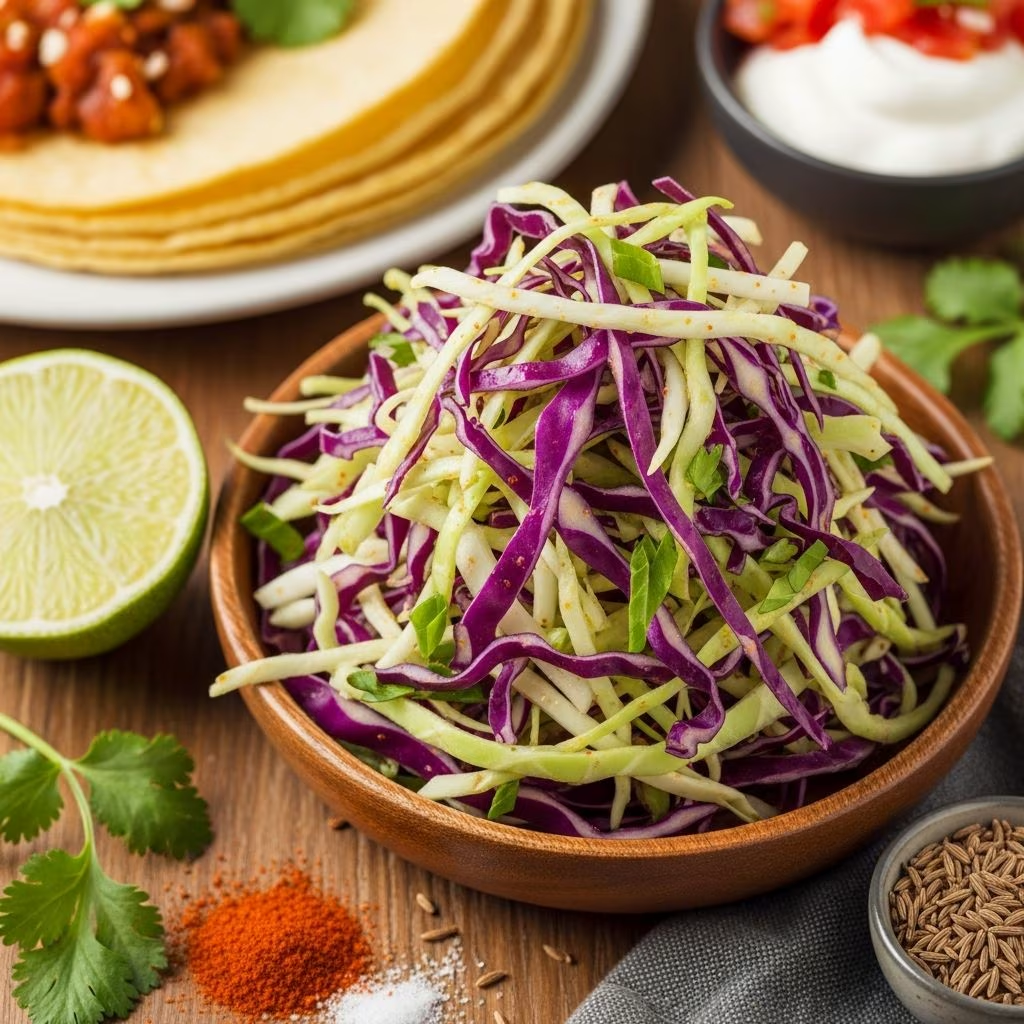
When it comes to building the perfect taco, most home cooks focus their attention on the protein and the shells, often overlooking one of the most transformative components: the fresh, crispy topping that sits on top. A well-crafted cabbage slaw brings together textural contrast, bright acidity, and aromatic depth that can elevate even the simplest taco from ordinary to extraordinary. This versatile accompaniment has become a staple in contemporary Mexican and fusion cuisine, and learning to prepare it at home opens doors to customization and culinary creativity.
Understanding the Foundation: What Makes Effective Taco Slaw
Taco slaw represents more than just shredded vegetables tossed together. It’s a carefully balanced combination of crisp textures, vibrant flavors, and creamy components that work in harmony to complement the main ingredients of your taco. The foundation typically consists of raw cabbage, which provides the necessary crunch and structure, while additional vegetables contribute layers of flavor and visual appeal. What distinguishes taco slaw from standard coleslaw is its intentional pairing with Mexican and Latin-inspired flavors, creating a topping that feels both familiar and purposefully designed for its specific application.
The beauty of preparing taco slaw at home lies in its remarkable simplicity combined with its impressive versatility. Whether you’re creating a quick weeknight dinner or preparing for entertaining, understanding the core components allows you to build variations that suit your preferences and dietary requirements.
Selecting and Preparing Your Vegetable Base
The vegetable foundation of your slaw determines much of its character. Green cabbage offers a mild, slightly sweet flavor that serves as an excellent neutral backdrop, allowing other ingredients to shine through. Purple cabbage contributes earthier notes and a subtle peppery undertone, plus the visual benefit of vibrant color that makes your taco presentation more appealing. Many cooks prefer combining both varieties to achieve a balanced flavor profile and create visual interest.
When preparing your vegetables, the size and consistency of your cuts matter significantly. Shredding cabbage into thin, uniform pieces ensures that the slaw absorbs dressing evenly while maintaining the textural crunch you want to preserve. Rather than using a knife, which can bruise delicate cabbage leaves, consider employing a mandoline, food processor, or box grater to achieve professional-quality cuts.
Building Your Vegetable Medley
Beyond cabbage, several supporting vegetables enhance your slaw’s complexity:
- Shredded carrots introduce sweetness and visual warmth, contributing beta-carotene and natural sugars that balance the acidity of your dressing
- Fresh cilantro adds herbaceous brightness that resonates with Mexican flavor profiles, though it can be adjusted based on personal preference
- Green onions or scallions provide delicate onion flavor without overwhelming the dish, and their mild nature makes them accessible to various palates
- Jalapeños deliver controlled heat and a fresh, grassy spiciness that professionals often seed to manage the intensity level
- Lime zest contributes aromatic citrus oils that intensify the brightness of your final dish
Each ingredient should be prepared with attention to detail. Finely chopping cilantro and jalapeños ensures their flavors distribute evenly rather than appearing in concentrated pockets. Slicing green onions thinly creates pieces that integrate seamlessly rather than dominating individual bites.
Mastering the Dressing: Creamy and Tangy Options
The dressing transforms raw vegetables into a cohesive accompaniment with personality and depth. Two primary approaches dominate the landscape: creamy dressings and lighter vinegar-based versions.
The Creamy Approach
Creamy dressings typically combine mayonnaise or sour cream with acidic components like lime juice, creating an emulsion that clings to vegetables and develops deeper flavor over time. This approach works particularly well for those who prefer richness and substantial flavor. A basic creamy dressing might combine mayonnaise, fresh lime juice, sour cream, and seasonings like cumin, garlic powder, salt, and a whisper of cayenne for subtle heat.
The ratio between creamy and acidic elements determines the final character. More mayonnaise creates a richer, more indulgent experience, while increasing lime juice brightens the profile and reduces heaviness. Many cooks find that a balanced proportion of equal parts mayo and sour cream, with generous lime juice, creates the most versatile result that complements various taco styles without overwhelming lighter proteins like fish or shrimp.
Lighter Dairy-Free Alternatives
For those seeking lighter options or accommodating dietary restrictions, dairy-free mayonnaise paired with plant-based crema offers comparable results. Avocado-based dressings provide a completely different approach, replacing traditional emulsifiers with the natural creaminess of this fruit while adding nutritional density and healthy fats. These alternatives work particularly well for fish tacos or when you want to reduce the overall richness of your plate.
The Seasoning Profile
Beyond the base, seasonings define whether your slaw tastes generic or intentionally crafted. Cumin bridges the gap between traditional coleslaw and Mexican cuisine, contributing warmth and earthiness. Fresh lime juice provides acidity and brightness that no bottled alternative can replicate. Kosher salt enhances all flavors while helping to draw out vegetable moisture. Black pepper adds subtle spice, while cayenne provides warmth for those who appreciate more pronounced heat.
Many professionals taste their dressing and adjust seasonings before combining with vegetables, ensuring the flavor profile is fully developed rather than muted by the wet vegetables.
Execution: Bringing Everything Together
The preparation sequence matters more than most home cooks realize. Begin by preparing all vegetables and arranging them in a large mixing bowl, keeping the moisture minimal by patting vegetables dry if necessary. In a separate small bowl, whisk dressing ingredients thoroughly, ensuring emulsifiers are fully incorporated and seasonings are evenly distributed. Pouring the dressing over dry vegetables rather than adding vegetables to dressing prevents dilution and ensures even coating.
The tossing technique deserves attention as well. Rather than aggressively mixing, which can bruise delicate vegetables and break down the slaw’s structure, use gentle tossing motions that rotate vegetables through the dressing repeatedly until all pieces appear evenly coated.
Timing Considerations: Fresh Versus Developed Flavor
Taco slaw can be consumed immediately upon preparation, delivering maximum crunch and fresh vegetable flavor. However, allowing the mixture to refrigerate for up to one hour permits flavors to meld and develop more complexity, with the dressing penetrating deeper into the vegetables. This choice depends on your priorities—if textural crispness is paramount, serve immediately; if you value unified flavor development, refrigerate before serving.
Interestingly, well-prepared taco slaw maintains quality for several hours when stored properly, making it an excellent option for meal preparation or entertaining. Just before serving, give the mixture another gentle stir to redistribute any separated dressing.
Versatility Beyond Traditional Tacos
While traditionally paired with tacos, this vibrant slaw enhances numerous dishes. Burrito bowls benefit from the textural contrast and bright flavors. Fish, shrimp, and other seafood tacos become more compelling with the crisp accompaniment. Some creative cooks incorporate taco slaw into sandwiches, particularly pulled pork or other hearty preparations, where it cuts through richness and adds necessary brightness.
Frequently Asked Questions
How far in advance can I prepare taco slaw?
You can prepare vegetables several hours ahead and store them separately from the dressing. Combine them within two hours of serving to maintain optimal crunch while allowing subtle flavor development.
Can I make this without mayonnaise?
Absolutely. Greek yogurt, dairy-free mayo, avocado, or even olive oil-based dressings work beautifully, each creating different flavor and texture profiles while maintaining the essential character of the dish.
What’s the best way to store leftover taco slaw?
Keep covered in the refrigerator for up to two days. The slaw gradually becomes softer as time passes, but the flavors continue developing. You may need to drain excess liquid before serving.
Is taco slaw suitable for meal preparation?
Yes, though storing dressing separately from vegetables preserves texture better. Combine components shortly before eating for optimal results.
How can I adjust heat levels?
Control spiciness by adjusting jalapeño quantity or removing seeds. Cayenne can be added to the dressing in small increments, allowing you to find your preferred heat level.
Ingredient Variations and Creative Customizations
The basic framework of taco slaw accommodates numerous variations based on ingredient availability, personal taste, and dietary needs. Some cooks incorporate shredded jicama for added crunch and subtle sweetness, radishes for peppery notes, or red onion for deeper allium complexity. Fresh herbs beyond cilantro, such as parsley or mint, create interesting interpretations. Roasted pumpkin seeds or crispy tortilla strips add textural elements that elevate the dish from side to star component.
Professional Tips for Consistent Excellence
Restaurant kitchens develop several practices that home cooks can adopt. Always taste your dressing before combining with vegetables, ensuring the flavor profile is fully developed. Use a sharp knife or proper shredding tools to prevent vegetable damage. When making larger batches, maintain proportional ratios to ensure consistent flavor across all servings. Consider the temperature of your final dish—allowing it to chill slightly improves flavors and textures compared to room temperature service.
Nutritional Considerations
Taco slaw contributes nutritional value beyond flavor enhancement. Raw cabbage provides fiber, vitamin C, and bioactive compounds associated with health benefits. Carrots deliver beta-carotene and micronutrients. Cilantro and jalapeños contain phytonutrients with antioxidant properties. While dressings add calories, understanding your base recipe allows you to make informed adjustments. Using reduced-fat yogurt, limiting mayo, or incorporating more vegetables stretches the recipe nutritionally while maintaining satisfaction.
Conclusion: Elevating Your Taco Experience
Mastering taco slaw transforms how you approach taco preparation and enjoyment. This apparently simple component—vegetables and dressing—becomes a vehicle for creativity, personal expression, and culinary confidence. Whether you prepare it within minutes for a weeknight meal or develop it carefully for entertaining, understanding the fundamentals allows you to consistently deliver restaurant-quality results at home. The combination of crisp textures, bright flavors, and creamy components creates balance on the plate that elevates everything it accompanies.
References
- Taco Slaw (5-Minute Recipe) — Wholesome Yum. Accessed 2026. https://www.wholesomeyum.com/taco-slaw/
- Creamy Cilantro Lime Taco Slaw Recipe — Real and Vibrant. Accessed 2026. https://realandvibrant.com/taco-slaw/
- Cilantro Lime Slaw For Tacos, Burrito Bowls & More! — One Lovely Life. Accessed 2026. https://www.onelovelylife.com/cilantro-lime-slaw/
- Mexican Coleslaw Perfect for Tacos (Made Plant-Based) — Mexican Made Meatless. Accessed 2026. https://www.youtube.com/watch?v=Eo_5LidMEeQ
- Creamy Coleslaw for Fish Tacos – No Mayo Recipe! — Joyful Healthy Eats. Accessed 2026. https://www.joyfulhealthyeats.com/creamy-coleslaw-for-fish-tacos/