Creating visually striking desserts doesn’t require extensive baking experience or complicated recipes. The technique of stacking cookie dough layers offers a simple yet sophisticated approach to homemade cookie making that transforms ordinary ingredients into eye-catching treats. This method combines convenience with creativity, making it an ideal solution for home bakers seeking impressive results without extensive time investment.
Understanding the Foundation of Stacked Cookie Techniques
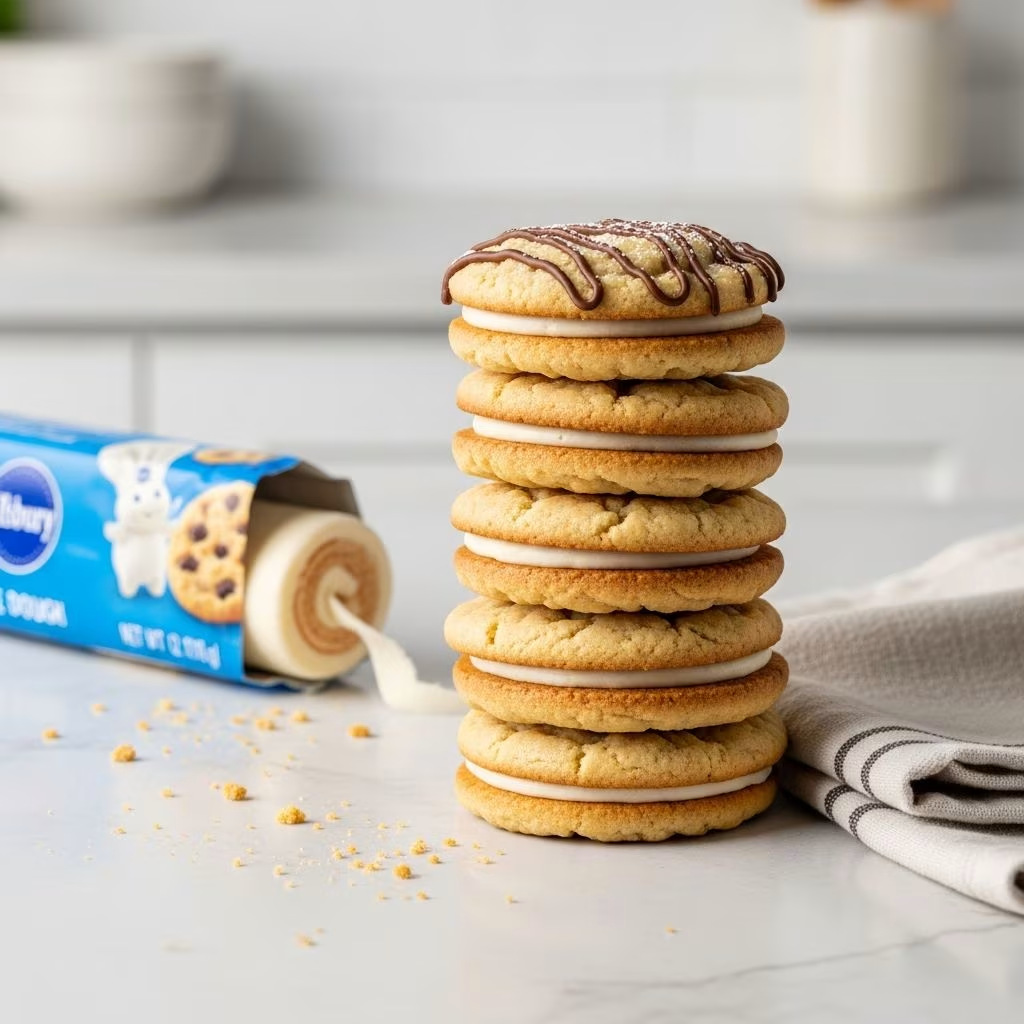
The stacking method represents an innovative approach to cookie construction that leverages pre-made refrigerated dough to create dimensional, multi-layered treats. Rather than baking individual cookies separately, this technique involves combining different dough varieties in a single baking process. The result is a cohesive treat that combines distinct flavors and textures within one bite.
The beauty of this approach lies in its simplicity and adaptability. Home bakers can experiment with various dough combinations, creating unique flavor profiles by pairing chocolate chip bases with sugar cookie toppers, or vice versa. The technique eliminates the need for precise measurements and complex instructions, making it accessible to bakers of all skill levels.
Essential Materials and Ingredient Selection
Successful stacked cookie creation begins with gathering appropriate materials and selecting complementary dough options. The process requires minimal ingredients while offering maximum creative potential.
Required Equipment and Supplies
- Baking sheets or cookie pans with adequate surface area
- Parchment paper or silicone baking mats for easy cleanup
- Measuring spoons for consistent dough portions
- Wire cooling racks for proper heat distribution after baking
- An oven preheated to precise temperature specifications
- Optional decorative elements such as sprinkles, sanding sugar, or colored nonpareils
Dough Varieties and Pairing Combinations
Pillsbury offers numerous refrigerated dough options suitable for layering applications. The most popular combinations include chocolate chip dough as a base layer paired with sugar cookie dough for the top layer. However, creative bakers frequently experiment with alternative pairings such as oatmeal and cinnamon dough combinations, or festive holiday-themed variations.
Each dough variety brings distinct flavor and texture characteristics to the final product. Chocolate chip doughs provide richness and slight bitterness, while sugar cookie doughs offer sweetness and neutrality that allows decorative elements to shine. Holiday-specific varieties incorporate seasonal spices and themes, making them ideal for festive occasions.
The Complete Step-by-Step Preparation Process
Initial Oven Preparation
Begin by preheating your oven to 350 degrees Fahrenheit. This temperature setting provides optimal baking conditions for most Pillsbury refrigerated cookie doughs, ensuring even browning without excessive surface drying. Allow adequate preheating time, typically 10 to 15 minutes, to reach the desired internal temperature before introducing your prepared cookies.
While the oven reaches temperature, prepare your baking surfaces. Line cookie sheets with parchment paper or silicone baking mats, spacing them at least two inches apart on your oven racks. This preparation prevents sticking and simplifies cleanup following the baking process.
Base Layer Formation and Shaping
Remove your chosen base dough from refrigeration and allow it to rest for 2 to 3 minutes. This brief resting period softens the dough slightly, making it more workable without introducing excessive warmth that could compromise handling. Extract portions of base dough, using approximately two tablespoons per cookie.
Roll each dough portion between your palms, creating uniform sphere shapes. This shaping technique ensures consistent cookie sizes and even baking throughout your batch. Place each ball onto your prepared baking sheets, arranging them with adequate spacing for expansion during the baking process.
Gently flatten each dough ball using the heel of your hand or your palm, creating thin discs approximately one-half inch thick. This flattening step establishes a stable foundation for your topping layer while allowing the base to develop properly during the initial baking phase.
Applying Decorative Elements
If your recipe includes decorative embellishments, apply them to the base layer before introducing the top layer. Divide colored nonpareils, sanding sugar, or other decorative options into individual bowls or small plates. Roll or press each flattened dough disc into your chosen decoration, ensuring full coverage for visual appeal.
This decorative application phase occurs after the base has been shaped but before the topping layer is added. The applied decorations will create a visually distinct layer between the base and top dough, adding dimensional complexity to your final cookies.
Partial Baking of the Base Layer
Insert your prepared baking sheets into the preheated oven for approximately 9 minutes. During this initial baking phase, the base layer begins to set and spread, creating a stable platform for your topping addition. Remove the sheets from the oven when the edges of the base layer show slight browning but the center remains relatively soft.
This partial baking approach distinguishes successful stacked cookies from failed attempts. Allowing the base to partially bake ensures it maintains structural integrity when topped with additional dough, preventing excessive spreading or separation of the layers.
Top Layer Stacking and Final Baking
Remove your top layer dough from refrigeration. If using pre-cut shaped cookies, carefully separate them from the package, examining each piece to identify the cleanest side. Position each topper with its most attractive side facing upward, centering it as precisely as possible over the partially baked base layer.
Return the baking sheets to the oven immediately after topping application. Continue baking for an additional 9 to 11 minutes, or until the combined layers achieve light golden browning around the edges. Monitor the baking process during the final minutes, as excessive heat can over-brown the top layer while under-baking leaves the layers insufficiently fused.
Cooling and Storage Protocols
Proper cooling significantly impacts the final texture and structural integrity of your stacked cookies. Allow the baked cookies to remain on the baking sheets for approximately 5 minutes following oven removal. This resting period allows the layers to set together without immediate shock from environmental temperature changes.
Transfer the cookies to wire cooling racks and allow them to cool completely to room temperature. This complete cooling process typically requires 30 to 60 minutes depending on cookie size and ambient temperature conditions. Fully cooled cookies develop the proper texture and crumb structure essential for optimal eating experience.
Store cooled stacked cookies in airtight containers at room temperature for up to 5 days. For extended storage, freeze cookies in freezer-safe containers for several months without significant quality degradation. When freezing, separate cookie layers with parchment paper to prevent sticking and maintain structural integrity.
Creative Variations and Customization Options
Festive Holiday Interpretations
Seasonal variations allow bakers to adapt the stacking technique for specific holidays and celebrations. Christmas-themed versions incorporate red and green decorative elements, peppermint-flavored doughs, and holiday-shaped cookies. Valentine’s Day interpretations feature heart-shaped toppers with red and pink color schemes.
Halloween editions combine orange and black decorative elements with pumpkin-spiced or chocolate doughs. Easter versions showcase pastel colors and bunny-shaped toppers. By adjusting decorative elements and dough varieties according to the season, bakers create holiday-appropriate treats that feel festive and intentional.
Flavor Profile Experimentation
Advanced bakers explore unexpected flavor combinations that challenge traditional cookie pairings. Combining chocolate chip bases with eggnog-flavored toppers creates winter holiday authenticity. Pairing oatmeal bases with sugar cookie layers adds textural interest and complexity. Cinnamon-based doughs paired with vanilla toppers create warm, comforting flavor profiles.
The versatility of pre-made Pillsbury doughs enables virtually unlimited experimentation. Since each dough option brings its own distinct characteristics, bakers can create unique signature cookies that reflect personal preferences and culinary creativity.
Professional Tips for Consistent Success
Temperature and Timing Precision
Maintaining accurate oven temperature proves critical for consistent results. Use an oven thermometer to verify your baking temperature, as many home ovens experience significant temperature fluctuations. This verification step ensures that both base and top layers bake evenly without over-browning one layer while under-baking the other.
Timing adherence prevents common baking failures. Set kitchen timers for each baking phase, checking on your cookies within the final minutes of each interval to catch them at optimal browning levels. Visual cues such as light golden edges indicate proper doneness more reliably than precise timing alone.
Dough Handling and Layer Cohesion
Never allow dough to warm excessively before shaping, as overly soft dough loses structural definition and spreads unevenly. Keep base doughs refrigerated until the moment of use, removing only the quantity needed for immediate shaping. This temperature control maintains proper dough consistency for optimal results.
When stacking top layer doughs, ensure that the base layer retains sufficient heat and stickiness for proper adhesion. If base layers cool excessively during the partial baking phase, the top layer may not adhere properly, resulting in separated or asymmetrical cookies. Working efficiently between removal and topping application prevents cooling issues.
Oven Rack Positioning and Air Circulation
Position baking sheets on the middle oven rack to promote even heat distribution and consistent browning. Avoid placing sheets on extremely high or low racks, as these positions create temperature variations that result in uneven baking. If baking multiple sheets simultaneously, rotate their positions halfway through the baking process to ensure uniform results.
Troubleshooting Common Challenges
Understanding common stacking issues and their solutions enables bakers to address problems before they ruin entire batches. If base layers spread excessively before topping application, the oven temperature may be too high or the base dough insufficiently chilled. Reduce oven temperature by 10 degrees Fahrenheit and ensure dough portions remain refrigerated until use.
When top layers fail to adhere properly to base layers, insufficient partial baking likely caused the base to cool completely before topping application. Extend the initial baking phase by 1 to 2 minutes and work more rapidly when applying top layers to minimize cooling time.
Asymmetrical or tilted top layers indicate poor centering during placement. Develop a system for precisely positioning toppers, using visual reference points on your baking sheet for consistent placement. This intentional attention to positioning creates professional-appearing final products.
Nutritional Considerations and Ingredient Transparency
Store-bought refrigerated dough provides convenience but introduces processed ingredients and added preservatives. Consumers seeking healthier alternatives might consider creating homemade cookie dough bases, though this approach negates much of the time-saving convenience that attracts most home bakers to pre-made doughs.
Each Pillsbury dough variety contains specific nutritional profiles reflecting its ingredients and intended applications. Reading packaging information allows informed decisions about dough selection based on individual dietary preferences and restrictions. Some varieties accommodate gluten-free or allergen-sensitive requirements through specialized product lines.
Frequently Asked Questions About Stacked Cookie Preparation
Can I prepare stacked cookies in advance for serving later?
Yes, stacked cookies can be prepared up to two days in advance when stored properly in airtight containers at room temperature. This advance preparation proves particularly useful for parties, gatherings, or holiday celebrations requiring multiple batches.
What happens if I accidentally over-bake the cookies?
Over-baked cookies develop excessive browning and become harder than intended. While still edible, they lack the ideal texture. Learning your specific oven’s baking characteristics through experience helps prevent repeated over-baking incidents in future batches.
Can I use cookie dough that has begun to thaw?
Partially thawed dough becomes difficult to work with and may not bake evenly. For optimal results, use dough directly from refrigeration without allowing it to warm excessively. If dough thaws during preparation, return it to refrigeration for 15 to 20 minutes before continuing.
Is the half-baked cookie variation safe to consume?
Pillsbury specifically indicates that its refrigerated cookie doughs are safe to consume raw or partially baked. This safety designation reflects the company’s use of pasteurized ingredients and safe processing methods. However, individual comfort levels with raw dough consumption vary, and this option remains entirely optional.
How should I handle cookies that separate into layers during baking?
Separation typically results from insufficient initial baking or excessive temperature variations. Ensure your base layer partially bakes for the full recommended time before adding toppers, and verify oven temperature accuracy using a thermometer for consistent results in subsequent batches.
Conclusion: Elevating Home Baking Through Simple Techniques
The stacking technique transforms basic refrigerated cookie doughs into sophisticated, visually impressive treats that appear far more complex than their simple preparation methods suggest. This approach democratizes impressive dessert creation, making restaurant-quality results accessible to home bakers regardless of experience level or technical skill.
By understanding fundamental principles such as proper base layer preparation, precise timing, and thoughtful topper placement, anyone can master this technique and create beautiful stacked cookies for any occasion. The combination of convenience, creativity, and consistent results makes stacked cookie preparation an invaluable addition to any home baker’s repertoire.
References
- Pillsbury Double Stack Cookies for Fall — Pillsbury.com (General Mills). 2024. https://www.pillsbury.com/how-to/baking-desserts/the-double-stack-cookie-hack
- Food Safety for Refrigerated Cookie Dough — U.S. Food & Drug Administration. 2023. https://www.fda.gov/food/general-food-safety-consumers/safe-handling-ready-eat-foods
- Home Baking Best Practices: Temperature Control in Ovens — University of Nebraska-Lincoln Cooperative Extension. 2022. https://food.unl.edu