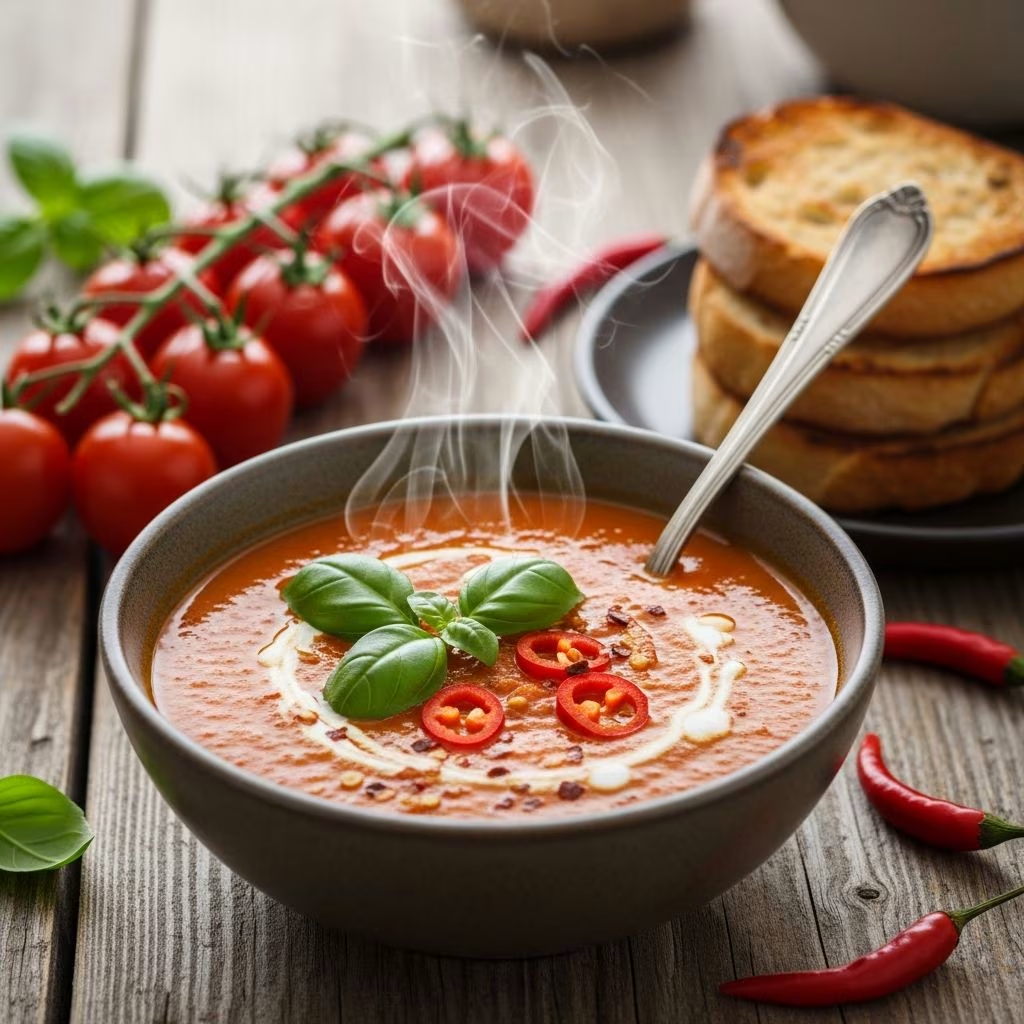
Few dishes offer the combination of simplicity and sophistication that spicy tomato soup delivers. This beloved comfort food transcends seasons and occasions, serving equally well as a light lunch alongside a grilled cheese sandwich or as the opening course of a more elaborate meal. The beauty of mastering this classic lies not in complexity, but in understanding how individual components work together to create depth, warmth, and satisfaction in every spoonful.
The transformation of basic pantry staples into a restaurant-worthy bowl of soup relies on fundamental cooking principles combined with thoughtful ingredient selection. Whether you’re a novice home cook or someone seeking to refine existing culinary skills, this comprehensive guide explores the techniques, ingredient choices, and strategic decisions that elevate spicy tomato soup from ordinary to extraordinary.
Understanding Your Foundation: Selecting Quality Ingredients
The foundation of exceptional tomato soup begins with tomatoes themselves. The choice between canned and fresh tomatoes significantly impacts both flavor profile and practical execution. Canned tomatoes, particularly San Marzano varieties, offer consistent quality and concentrated flavor that works exceptionally well for soup preparation. These tomatoes are harvested at peak ripeness and processed immediately, locking in their natural sweetness and acidity balance.
Fresh tomatoes demand different handling. When choosing fresh tomatoes for soup, ripeness is paramount. Underripe tomatoes lack the sugar content and depth necessary for vibrant soup. For optimal results, select tomatoes with deep coloring and slight give when gently squeezed. The skin removal process, while requiring extra steps, contributes to a smoother final texture. A traditional blanching method involves submerging tomatoes in boiling water for approximately 60 seconds, then transferring them to ice water, allowing skins to slip away effortlessly.
Beyond tomatoes, the aromatics create your flavor foundation. Yellow or white onions provide a sweet, mellow base when properly caramelized, while garlic contributes pungent depth. The ratio of aromatics to tomatoes matters considerably—typically one medium onion and 2-4 garlic cloves per quart of tomato product creates balanced flavor without overwhelming the dish.
The heat component requires careful consideration. Red pepper flakes offer accessible spiciness with a slightly smoky quality, while fresh chilies like jalapeños deliver fresh, bright heat. Hot sauce adds complexity alongside heat, introducing vinegar and spice notes that round out the flavor profile. Starting conservatively with heat elements allows for gradual adjustment, preventing the soup from becoming uncomfortably spicy.
Building Layers: The Aromatic Base Development
The cooking process begins with temperature control and fat selection. Whether using butter or olive oil, the fat serves dual purposes: conducting heat evenly and carrying fat-soluble flavor compounds. Medium heat proves ideal for initial preparation—high heat risks burning delicate aromatics, while too-low heat results in slow, inefficient cooking.
Onions require approximately 5-7 minutes over medium heat to soften and become translucent. This gradual caramelization develops natural sugars, creating subtle sweetness that balances the soup’s acidity. Adding garlic follows onion softening, typically requiring only one minute of cooking. This brief window prevents garlic from browning excessively, which creates bitter, unpleasant flavors.
With aromatics properly prepared, adding spice elements like red pepper flakes or cumin at this stage “blooms” their flavors. Stirring these ingredients into the fat for 30-60 seconds activates essential oils and distributes the flavor compounds throughout the cooking fat, ensuring even spice distribution when other ingredients are added.
Liquid Selection and Flavor Amplification
The liquid component fundamentally shapes the soup’s character. Chicken broth provides rich, savory depth, while vegetable broth offers lighter flavor suitable for vegetarian preparations. For dairy-free versions, plain water works adequately, though it requires more robust seasoning to develop satisfying flavor complexity.
Tomato juice or additional tomato products intensify tomato flavor without diluting the mixture excessively. Some recipes incorporate tomato paste, which concentrates flavor through a smaller volume. When using fresh tomatoes, expect needing additional liquid—fresh tomatoes contain significantly more water than canned varieties, sometimes requiring an extra cup of broth to achieve proper consistency.
Acidity balance influences both flavor perception and preservation. A modest amount of red wine vinegar or balsamic vinegar brightens flavors and prevents flatness. Sugar, added judiciously in small amounts, balances acidity without creating sweetness—this technique enhances tomato flavor naturally without making the soup taste dessert-like.
The Cooking Process: Time, Temperature, and Transformation
After combining ingredients, bringing the mixture to a boil, then reducing to a gentle simmer allows flavors to meld and concentrate. Most recipes call for 20-40 minutes of simmering, depending on desired flavor intensity. During this period, the tomato solids break down gradually, naturally thickening the liquid and developing deeper, more complex flavor profiles.
Stirring occasionally prevents sticking while encouraging even cooking. The lid decision presents options—covered cooking traps steam and extends cooking time, while uncovered cooking allows water to evaporate, concentrating flavors. Most spicy tomato soup preparations benefit from uncovered simmering, which intensifies tomato flavor and creates desired thickness.
Midway through cooking, tasting and adjusting seasonings becomes appropriate. Salt brings out existing flavors and should be added gradually, as it intensifies during reduction. Black pepper, ideally freshly ground, adds complexity that pre-ground pepper cannot match. Additional heat elements can be incorporated based on preference—conservative cooks often add more heat after blending, when they can taste results and adjust accordingly.
Achieving Ideal Texture: Blending Techniques
Blending transforms the soup from chunky mixture to silky finished dish. Three primary methods exist, each offering distinct advantages and considerations.
Immersion blenders provide the most convenient approach. By operating directly in the pot, they eliminate transfers and reduce mess. Simply positioning the blender head fully submerged and blending until desired smoothness is achieved requires only a few minutes. The disadvantage lies in less powerful blending compared to full-sized alternatives, sometimes leaving tiny particulates visible.
Traditional blenders deliver powerful, thorough blending in smaller batches. Working in 2-3 batches allows complete soup processing without overfilling. Critical safety considerations include allowing soup to cool slightly before blending—pressure from steam can force the lid off forcefully. Using a kitchen towel draped over the lid provides protection while opening carefully prevents burns.
Food processors work similarly to blenders but handle more volume per batch. They prove particularly useful for larger quantities, though they may produce slightly chunkier results than blenders.
The texture decision depends on personal preference. Some prefer completely smooth soup, while others enjoy subtle texture from tiny tomato pieces remaining suspended. Blending for different durations accommodates these preferences—30 seconds creates rustic texture, while 2-3 minutes achieves silky smoothness.
The Finishing Touch: Cream and Garnishes
After blending, returning the soup to the pot allows for final adjustments. This is when cream or alternative dairy products integrate into the finished dish. Heavy cream swirled directly into hot soup creates visual appeal while adding richness. For dairy-free versions, coconut cream or cashew-based alternatives provide similar luxurious mouthfeel.
The amount of cream varies significantly by preference—from light additions (1-2 tablespoons) creating subtle richness to more generous amounts (¼ cup) producing genuinely creamy soup. Adding cream before serving allows temperature adjustments and prevents curdling from reheating.
Garnishing elevates visual presentation and adds flavor complexity. Fresh basil or parsley brighten the dish with herbal notes and visual color. Grated parmesan cheese adds savory depth and textural contrast. A drizzle of high-quality olive oil contributes richness and supports presentation. Croutons provide textural interest, while additional red pepper flakes allow heat-seeking diners to customize spice levels.
Flavor Variations and Creative Adaptations
The basic spicy tomato soup framework accommodates numerous creative variations without sacrificing core character. Cajun-inspired versions incorporate traditional seasonings like cayenne pepper and smoked paprika, creating warming, complex heat profiles. Roasted red peppers add sweetness and subtle smoke, complementing the tomato foundation beautifully.
International adaptations broaden the possibilities. Indian-inspired versions might include cumin and ginger, creating warming spice that feels quite different from traditional preparations. Mediterranean adaptations could incorporate sun-dried tomatoes, olives, and oregano for herbaceous complexity.
Ingredient substitutions accommodate dietary needs without compromising satisfaction. Vegetable broth replaces chicken broth for vegetarian diets, while coconut cream substitutes for heavy cream in vegan preparations. The robust nature of tomato soup allows these substitutions without requiring recipe overhauls.
Storage, Make-Ahead Preparation, and Serving Suggestions
Spicy tomato soup stores remarkably well, actually improving as flavors continue melding. Properly cooled soup keeps refrigerated for 4-5 days in sealed containers. Freezing extends storage to 2-3 months, though freezing may slightly separate cream from broth—thorough reheating with stirring restores creamy texture.
Preparing soup without cream allows freezing without textural changes. Adding cream after reheating prevents separation issues while maintaining fresh flavor quality. This approach works particularly well for batch cooking and meal preparation.
Reheating gentle simmering over medium-low heat prevents scorching and maintains delicate flavors better than microwave reheating. Adding a splash of broth during reheating compensates for evaporated liquid and restores desired consistency.
Pairing spicy tomato soup with complementary dishes maximizes enjoyment. Grilled cheese sandwiches remain the classic partnership, with melted cheese and crispy bread providing perfect textural and flavor balance. Crusty bread for dipping serves similarly. Salads with peppery greens or acidic vinaigrettes offer lighter accompaniments, while pasta or grain dishes create more substantial meals.
Troubleshooting Common Challenges
Despite straightforward preparation, common issues occasionally arise. Excessively thin soup results from insufficient cooking time or too much liquid—continued simmering or adding tomato paste concentrates flavors and thickens consistency. Conversely, overly thick soup requires additional broth added gradually until desired consistency returns.
Flat, uninspired flavor typically indicates insufficient salt or acid—both elements should be tasted and adjusted judiciously. Too-spicy soup can be tempered by increasing cream content or adding complementary sweetness through sugar, honey, or additional broth.
Grainy texture from cream curdling results from excessive heat—thorough cooling before adding cream and gentle reheating prevent this issue. If separation occurs, blending again or whisking vigorously often restores smooth texture.
Nutritional Considerations and Health Benefits
Tomato soup offers surprising nutritional value alongside satisfying flavor. Tomatoes provide lycopene, an antioxidant associated with various health benefits when part of a balanced diet. The soup’s relatively low calorie density when prepared without excessive cream makes it suitable for various dietary approaches.
Fresh ginger, sometimes incorporated in spiced variations, offers anti-inflammatory properties and digestive support. Garlic contributes additional compounds with potential health benefits. Overall, tomato soup represents a vegetable-forward dish that combines comfort with genuine nutritional value.
References
- Tomato Composition and Nutritional Value — Journal of the American Society for Horticultural Science. 2023. https://journals.ashs.org/jashs/
- Lycopene and Health Benefits in Tomato Products — American Journal of Clinical Nutrition, Oxford Academic. 2023-2024. https://academic.oup.com/ajcn/
- Food Safety Guidelines for Home Cooking — U.S. Food and Drug Administration. 2024. https://www.fda.gov/food/food-safety-modernization-act-fsma
- Culinary Techniques and Heat Applications — The Professional Chef, Culinary Institute of America. 2022. https://www.ciachef.edu/
- Flavor Chemistry and Compound Development During Cooking — Institute of Food Technologists. 2023. https://www.ift.org/