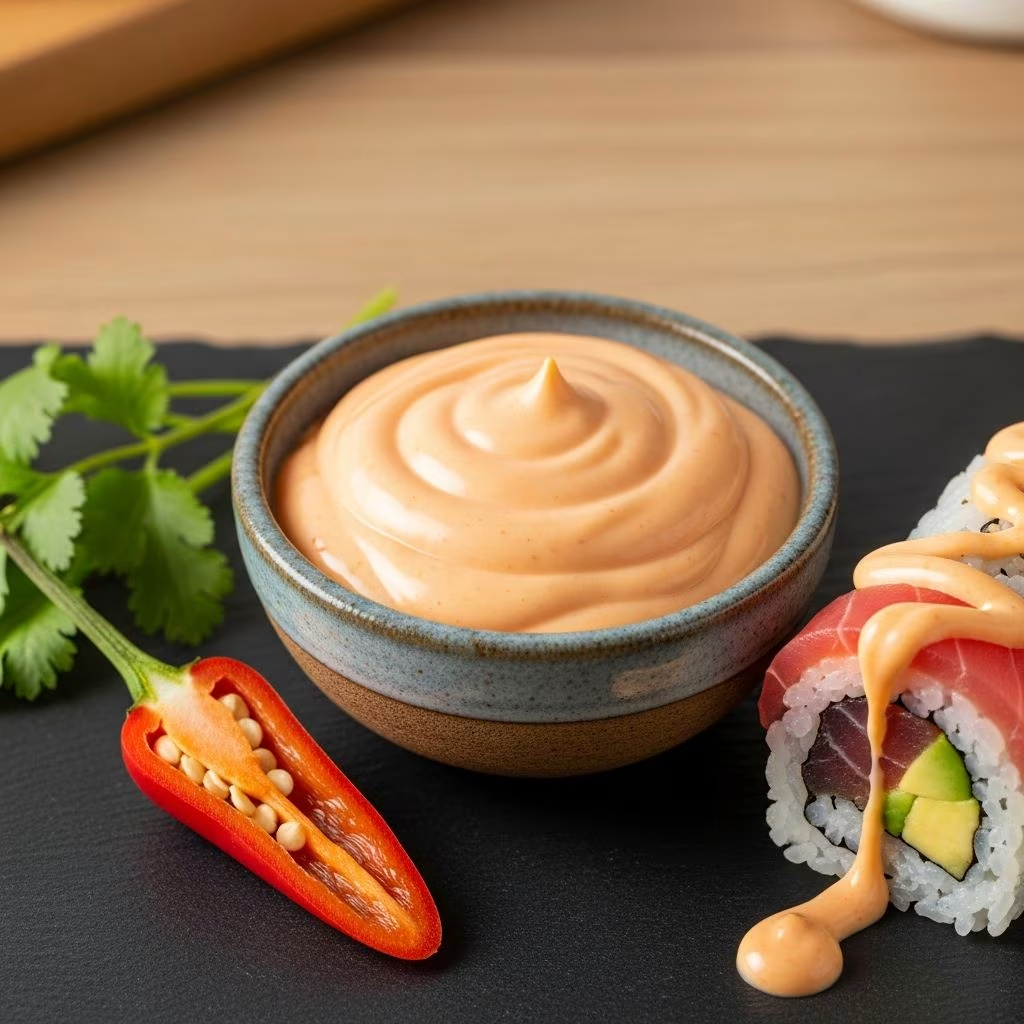
The creamy, fiery condiment commonly served alongside sushi rolls has become a staple in modern cuisine, transcending its original use to appear on sandwiches, burgers, fries, and countless other dishes. Creating this versatile sauce at home is remarkably simple, requiring only a handful of readily available ingredients and minimal preparation time. This guide explores the fundamentals of preparing authentic spicy mayo, offers customization techniques, and demonstrates its widespread applications beyond traditional sushi presentations.
Understanding the Foundation of Spicy Mayo
The base of any quality spicy mayo begins with mayonnaise, which provides the rich, creamy foundation that carries other flavors. The choice between standard mayonnaise and Japanese varieties like Kewpie affects the final product’s character significantly. Kewpie mayo, known for its higher egg yolk content and tangier profile, creates a smoother, more luxurious texture compared to conventional American mayonnaise. This distinction matters less in heavily spiced versions but becomes noticeable in milder preparations.
The heat component traditionally comes from sriracha or chili garlic sauce, which infuses the mayo with distinctive warmth and depth. These Asian-inspired hot sauces contain garlic, chili peppers, and vinegar, providing multiple layers of flavor beyond simple heat. The amount used determines spice intensity, allowing makers to adjust recipes to personal preferences without complicated substitutions.
Essential Ingredients and Their Roles
Beyond mayo and hot sauce, several complementary components elevate spicy mayo from basic to exceptional. Here’s how each ingredient contributes to the final product:
- Toasted Sesame Oil: Contributes nutty undertones and authentic Asian character without overpowering other ingredients. Only a small quantity is necessary, as the oil’s concentrated flavor easily dominates.
- Soy Sauce: Adds umami depth and subtle saltiness, enhancing overall complexity. Low-sodium varieties provide better control over final saltiness levels.
- Lime Juice: Brightens the sauce with fresh acidity, cutting through richness and adding vibrant citrus notes. Fresh-squeezed juice outperforms bottled alternatives.
- Garlic Powder: Reinforces spice profile with mellow garlic undertones, particularly when fresh garlic isn’t available.
- Chipotle Powder: Introduces smokiness and complexity, distinguishing homemade versions from commercial offerings.
- Lime Zest: Provides concentrated citrus aromatics and visual appeal with minimal liquid introduction.
- Sugar: Balances heat and adds subtle sweetness, though this remains optional depending on personal taste.
Basic Preparation Methods
Creating spicy mayo demands no special equipment or culinary expertise. The entire process takes approximately five minutes from start to serving. Simply combine all ingredients in a mixing bowl and stir until thoroughly combined. The simplicity of this approach makes homemade spicy mayo more practical than purchasing pre-made versions, particularly when adjustments to spice levels are desired.
The mixing process should continue until all components integrate smoothly, with no visible streaks of sauce or oil remaining. Over-mixing is virtually impossible with this recipe, so thorough stirring ensures even flavor distribution. Some preparation methods involve whisking, while others use simple wooden spoon mixing—either approach yields identical results.
Recipe Variations for Different Palates
| Variation | Key Adjustment | Best Used For |
|---|---|---|
| Mild Version | Reduce hot sauce by half, increase mayo to balance | Those sensitive to heat, family meals |
| Extra Spicy | Double hot sauce, add Korean red pepper flakes | Heat enthusiasts, advanced palates |
| Citrus Forward | Increase lime juice, add lemon zest | Poke bowls, seafood applications |
| Sesame Enhanced | Increase sesame oil, add sesame seeds | Asian fusion dishes, noodle bowls |
| Smoky Profile | Add chipotle powder, reduce other heat sources | Sandwiches, burgers, grilled items |
Customization Strategies for Perfect Balance
Creating personalized versions of spicy mayo requires understanding how individual ingredients affect the overall profile. Heat-sensitive individuals should begin with minimal hot sauce, tasting after each addition rather than following recipes rigidly. Adding more spice remains easy, while removing it proves impossible once incorporated.
Those seeking heightened spice can incorporate additional elements beyond increased sriracha. Korean gochugaru (red pepper flakes) adds distinct heat characteristics alongside traditional hot sauces. Habanero Tabasco introduces fruity undertones beneath fiercer heat profiles compared to standard sriracha. Experimenting with single-ingredient additions prevents flavor imbalances that occur when multiple components increase simultaneously.
Creamy texture enthusiasts might increase mayo proportions when heat becomes overwhelming, while flavor-seekers can reduce mayo slightly to allow other ingredients to shine. Sugar provides subtle sweetness that rounds harsh spice edges, making this optional ingredient valuable for balancing overly aggressive preparations.
Versatile Applications Beyond Sushi
While originally designed as a sushi accompaniment, spicy mayo has proven remarkably adaptable across culinary applications. The condiment functions excellently as a sandwich spread, burger topping, or dipping sauce for crispy fried foods. Its creamy consistency makes it superior to thin hot sauces for items requiring coating rather than mere flavor infusion.
Modern chefs employ spicy mayo in poke bowls, sushi rolls, and rice dishes where its richness complements delicate proteins and fresh vegetables. The sauce pairs naturally with seafood applications, enhancing flavors without overwhelming subtle preparations. Asian fusion restaurants incorporate spicy mayo into tacos, bánh mì sandwiches, and other cross-cultural creations that benefit from its complexity.
Even casual home cooks discover unexpected uses, applying spicy mayo to grilled vegetables, roasted proteins, and grain-based salads. The sauce transforms simple dishes into restaurant-caliber preparations through minimal effort, making it valuable for weeknight cooking and entertaining.
Storage and Shelf Life Considerations
Properly stored spicy mayo maintains quality in refrigerated conditions for approximately two weeks, though consumption within five to seven days ensures optimal flavor and food safety. Airtight containers prevent moisture loss and contamination, preserving the sauce’s intended consistency. Glass containers outperform plastic alternatives for extended storage, as they don’t absorb odors or staining compounds from spicy ingredients.
Freezing spicy mayo for future use remains technically possible but generally unnecessary given preparation simplicity and short refrigeration shelf life. The emulsion may separate slightly after freezing, though thorough whisking typically restores consistency. Most practitioners find fresh preparation more practical than maintaining frozen portions.
Before using stored spicy mayo, inspect for discoloration, unusual odors, or visible mold, which indicate spoilage. When in doubt, preparation of a fresh batch takes minimal time and carries no risk compared to consuming questionable condiments.
Ingredient Quality and Selection Tips
The quality of final products correlates directly with ingredient choices, making thoughtful selection worthwhile. Premium mayonnaise brands with minimal additives provide cleaner flavor profiles compared to budget options heavy in preservatives. Japanese Kewpie mayo, while slightly more expensive than conventional varieties, justifies cost through noticeably superior taste and texture.
Fresh lime juice substantially outperforms bottled alternatives, which contain preservatives affecting overall flavor profile. Squeezing limes immediately before mixing ensures maximum freshness and juice content. When fresh limes are unavailable, fresh lemon juice provides acceptable substitution, though the flavor character shifts slightly toward traditional rather than Asian-inspired profiles.
Hot sauce selection defines spice character more than any other component. Sriracha remains the standard choice, balancing heat with garlic and vinegar notes. Alternatives like chili garlic sauce offer slightly different flavor emphases without compromising overall results. Experimenting with different brands reveals how subtle variations in hot sauce production affect final outcomes.
Frequently Asked Questions About Spicy Mayo
Can I substitute lime juice with other citrus options?
Absolutely. Lemon juice provides similar acidity with slightly different flavor notes, while orange juice introduces subtle sweetness. Each option produces valid results; experimentation reveals personal preferences.
What if my spicy mayo becomes too thin or separated?
Simply whisk in additional mayo to restore desired consistency. Separation occasionally occurs if ingredients aren’t thoroughly combined; vigorous mixing typically resolves this issue without additional component additions.
How can I make spicy mayo without sesame oil?
While sesame oil contributes distinctive Asian character, omitting it still produces functional spicy mayo. The sauce simply loses its characteristic nutty undertones, resulting in a more straightforward heat profile. Alternative Asian oils don’t effectively substitute for sesame oil’s specific flavor.
Is Japanese mayonnaise necessary, or can regular mayo work?
Regular mayonnaise functions perfectly well, though Kewpie mayo creates noticeably smoother, more luxurious texture due to higher egg yolk content. Both options produce excellent results; budget and availability should guide selection.
Can spicy mayo be made without heat components for children?
Certainly. Creating mild versions simply requires eliminating hot sauce entirely and emphasizing complementary ingredients like sesame oil, lime juice, and garlic powder. This produces a flavorful condiment without significant spice.
Perfecting Your Homemade Spicy Mayo
Mastering spicy mayo preparation involves understanding individual ingredient contributions and how they interact to create final flavor profiles. Starting with basic recipes and adjusting toward personal preferences produces superior results compared to strictly following unchangeable formulas. Each household develops distinct preferences based on spice tolerance, preferred ingredient balance, and intended applications.
The beauty of homemade spicy mayo lies in its simplicity, accessibility, and infinite customization possibilities. Five minutes of effort yields a condiment rivaling expensive restaurant versions while providing complete control over ingredients and flavors. Whether adorning sushi rolls, enhancing sandwiches, or elevating casual weeknight dishes, homemade spicy mayo elevates everyday meals through minimal culinary effort and maximum flavor impact.
References
- Homemade Spicy Mayo (for sandwiches, sushi, fries, and more) — Bowl of Delicious. Accessed April 10, 2026. https://www.bowlofdelicious.com/spicy-mayo/
- How to Make the Best Spicy Mayo Sauce Recipe for Sushi — Grilled Cheese Social. April 3, 2024. https://grilledcheesesocial.com/2024/04/03/spicy-mayo-sauce-sushi/
- Spicy Mayo Sauce (Sushi Mayo) — Donuts2Crumpets. May 3, 2023. https://donuts2crumpets.com/2023/05/spicy-mayo-sauce-sushi-mayo.html
- The BEST Spicy Mayo Recipe with The Sushi Man — YouTube. Accessed April 10, 2026. https://www.youtube.com/watch?v=z9j6_vLt8PY